


Ormolu and Glass Light
These ormolu and glass light pieces combine gilded bronze mounts with crystal and cut glass, bringing interior spaces a warm, reflective illumination.
Ormolu and Glass Light
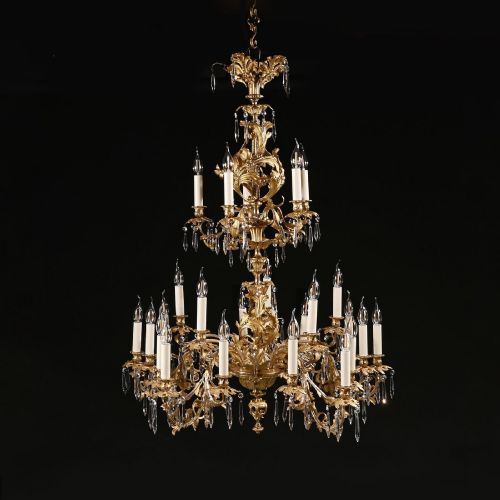
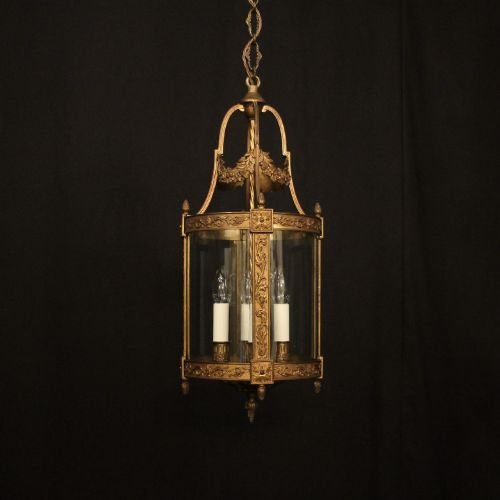
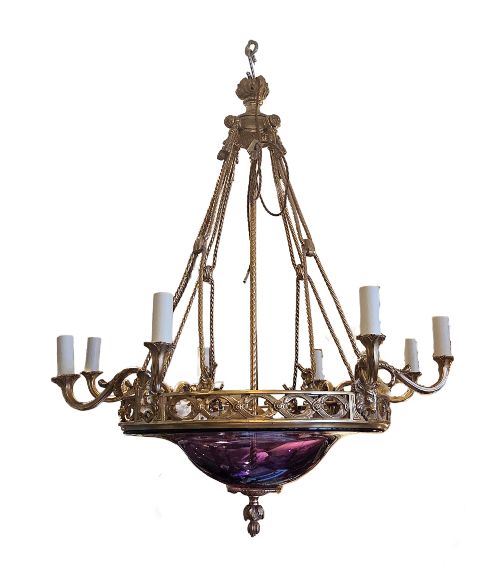
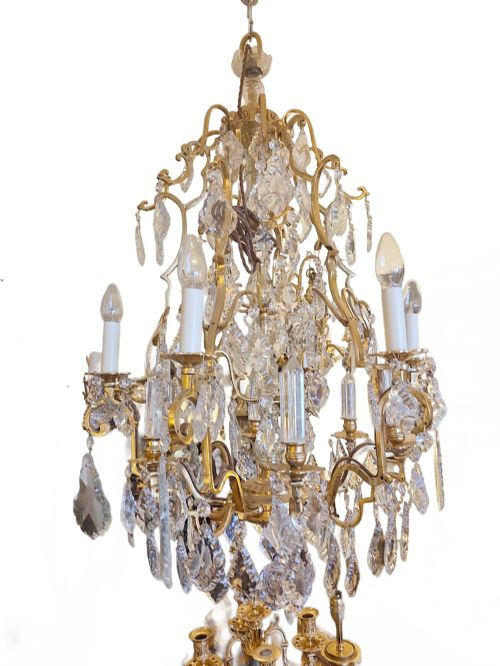
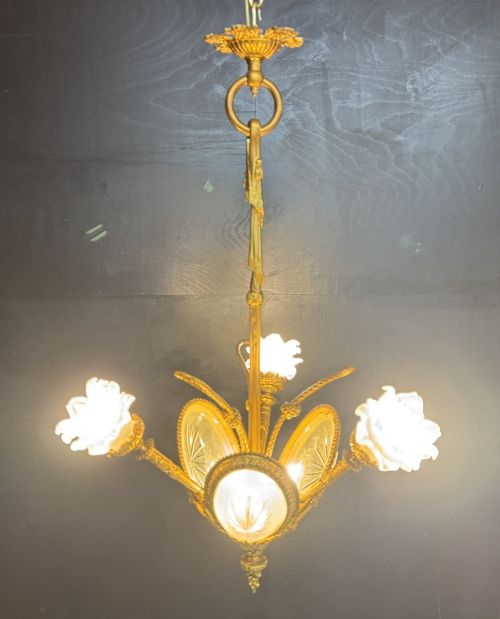
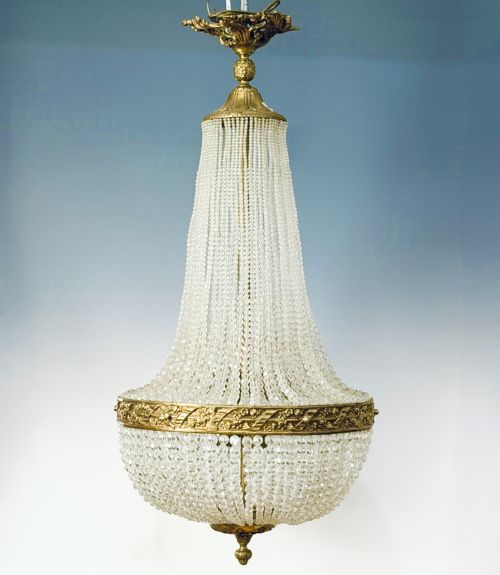
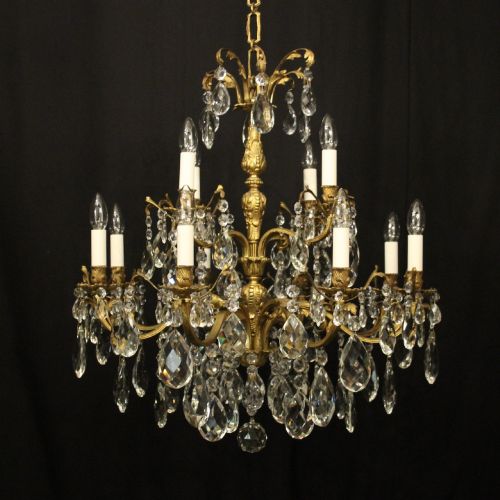
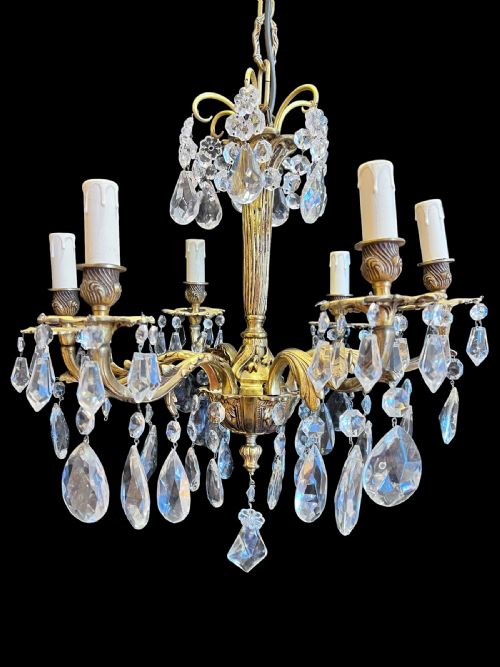
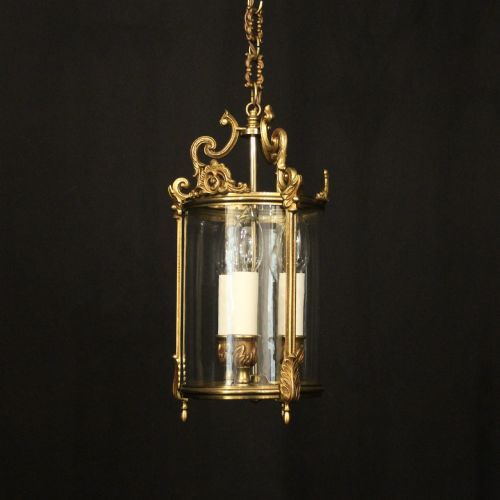
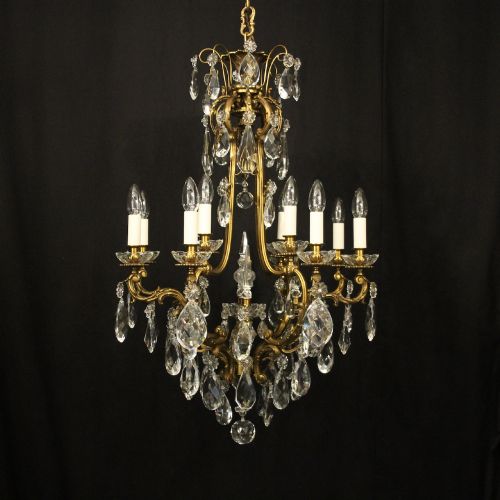
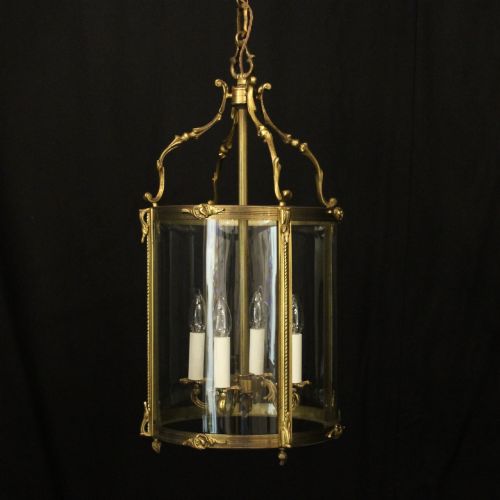
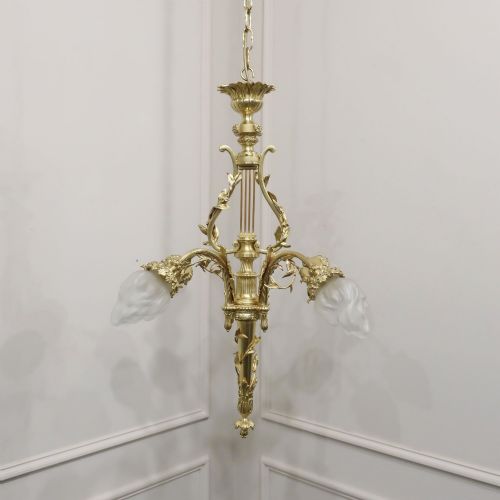
An ormolu and glass light typically takes the form of a grand chandelier, a hall lantern, or wall sconces produced across the nineteenth and early twentieth centuries. French designs dominate the selection, spanning styles from Rococo and Empire to Neoclassical.
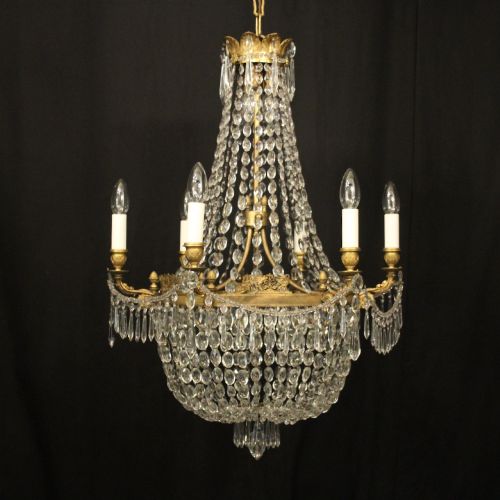
Chandeliers range from multi-tiered crystal waterfalls to simpler tent configurations, while smaller fixtures include convex hall lanterns and wall lights modelled as flaming torches or griffins.
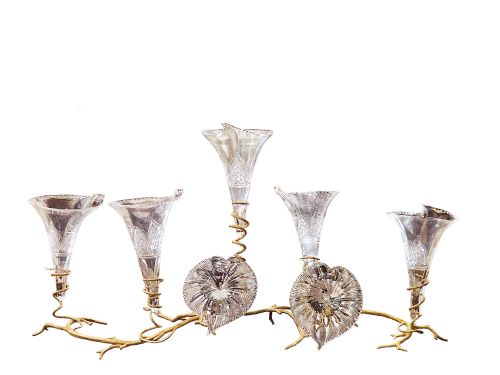
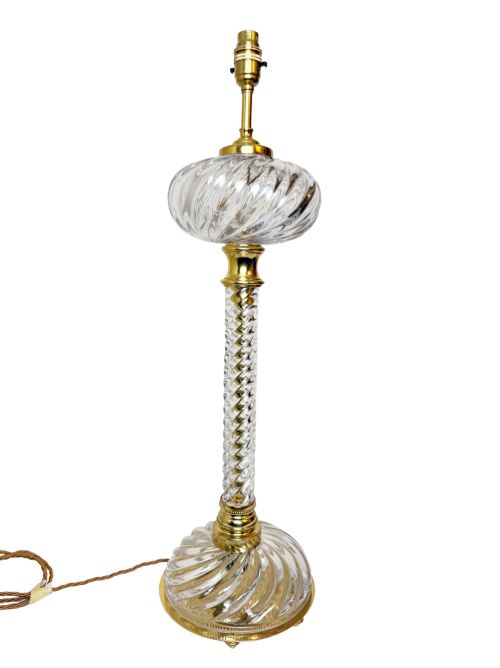
Table lamps and candlesticks also appear, utilising the same combination of gilded bronze and glass drops or lustres to catch the surrounding daylight and evening glow.
Materials and construction
Makers formed the structural framework using cast brass and bronze, which was subsequently fire-gilded to achieve the warm, golden finish known as ormolu.
The glass elements consist of cut crystal, bevelled panels, and amethyst glass drops that are pinned to the metal armature with small wire links.
Ormolu and Glass Light Retail Price Guide 2026
Typical asking prices for ormolu and glass light among the pieces listed under this phrase on Sellingantiques today, from the lower quarter to the upper quarter. They describe what is for sale here now, not the wider market.
Certain wall lights double as mythological beasts, holding torches in the jaws of bronze griffins to illuminate the hallway.
Distinctions in craftsmanship
Quality rests in the crispness of the bronze chasing and the depth of the mercury gilding, where sharper cast details catch the light more effectively than softer, later sand castings.
Glass components show variation through hand-cut facets and heavy lead content, which provide greater refractive brilliance compared to simpler, moulded glass.
Baccarat
The Ormolu and Glass Light Glossary
- Ormolu
- A term denoting finely cast and chased bronze that has been gilded with a mercury amalgam. This historic technique produces a durable, luminous surface finish.
- Tent and waterfall
- A chandelier configuration featuring strings of glass beads draped in a triangular tent shape above a cascading arrangement of drops. This design maximises the dispersal of light.
- Hall lantern
- An enclosed ceiling-hung light fixture featuring glass panels within a metal frame. These were traditionally designed to illuminate entranceways and corridors.
- Cut crystal
- High-clarity glass containing lead oxide, shaped by hand on abrasive wheels to create sharp facets. These cuts enhance the sparkle and prism effect of the fixture.
- Lustre
- A candlestick or table ornament hung with glass pendants designed to reflect candle flame. They often incorporate brass and bronze supports.
Ormolu and Glass Light: Frequently Asked Questions
Are these lights suitable for standard modern ceilings?
Many fixtures are substantial in weight and require reinforced ceiling joists rather than standard electrical boxes. Consulting a professional electrician ensures safe installation.
Chain lengths can often be adjusted to accommodate standard ceiling heights while maintaining the correct visual balance for the room.
How do I date an ormolu and glass light?
Dating relies on stylistic cues, casting techniques, and the type of wiring or fixings present. Neoclassical and Rococo Revival forms typically point to nineteenth-century production.
Hand-cut glass and mercury gilding are stronger indicators of age than modern electrical conversions, which are usually twentieth-century updates.
Can I use LED bulbs in antique chandeliers?
Low-wattage LED bulbs work well in these fixtures because they generate minimal heat, protecting fragile internal wiring and aged materials. Warm white tones replicate the traditional glow of candlelight or early electric bulbs.
Ensure the bulb shape complements the visible arrangement of glass drops and candle tubes.