



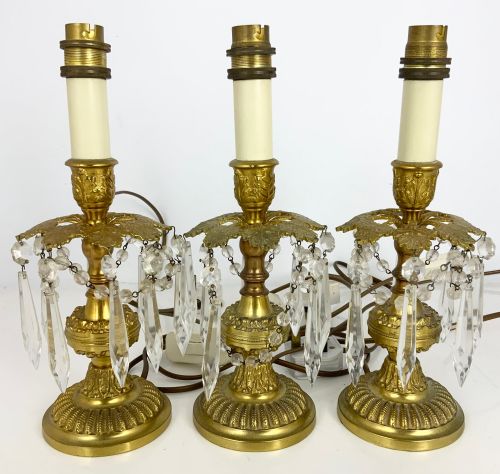
Ormolu and Cut Glass Lamps
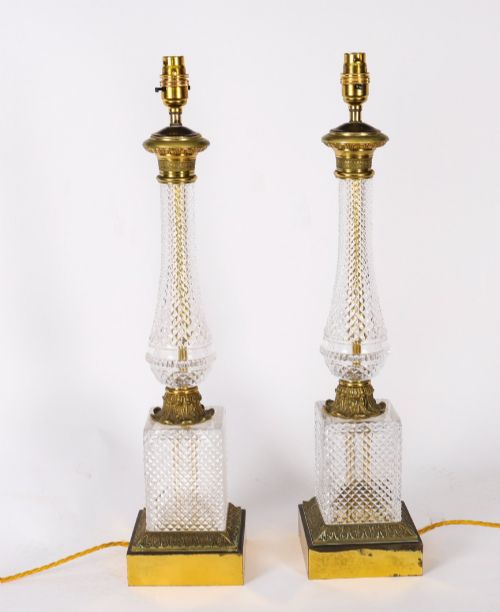
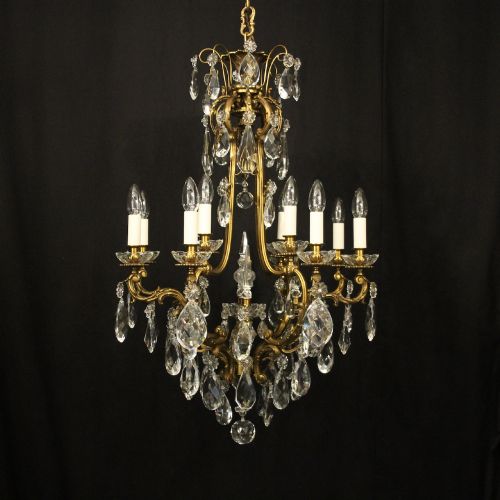
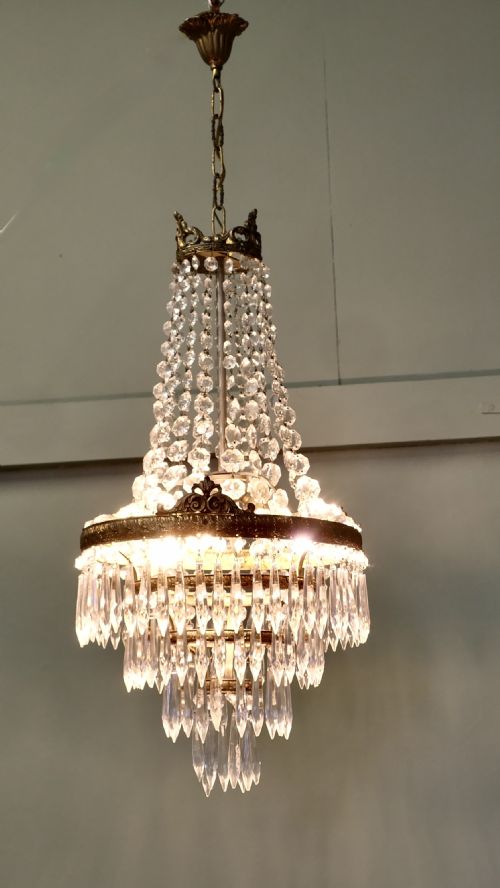
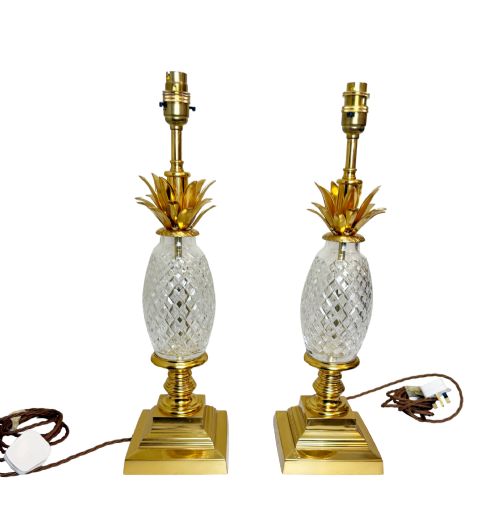
These ormolu and cut glass lamps combine gilt metal mounts with refractive crystal to catch the light in any grand interior.
Ormolu and Cut Glass Lamps
Ormolu and cut glass lamps take many forms across this selection, appearing most frequently as table lamps, chandeliers, and ceiling lights. Buyers searching for these items encounter pieces originating from the nineteenth century through the early twentieth century.
The aesthetic draws heavily from French design traditions, encompassing French Empire, Louis XVI style, Rococo, and Art Deco movements. Chandeliers and table lamps dominate the current selection, often featuring structured drops and lustres.
Makers utilised brass, gilt bronze, and ormolu alongside cut glass and crystal to build decorative lighting fixtures. These pieces reflect historical European interior ornamentation, particularly French Chateau and Neoclassical tastes.
How they were made
Craftsmen cast bronze and brass components to form the structural frames and mounts, finishing portions with gilt or ormolu application. These metal mounts provide the rigid armature that holds the hanging elements in place.
Glass and crystal elements undergo precision cutting to produce facets that maximise light refraction. Workers suspend these cut glass drops and lustres from the metal frameworks using fine wire links.
Ormolu and Cut Glass Lamps Retail Price Guide 2026
Typical asking prices for ormolu and cut glass lamps among the pieces listed under this phrase on Sellingantiques today, from the lower quarter to the upper quarter. They describe what is for sale here now, not the wider market.
What varies in quality
The crispness of the metal casting and the depth of the gilding separate standard examples from finer works. Superior pieces display sharply rendered details on bronze mounts and heavy, uniform crystal components.
Integration between the metal armature and the glass elements dictates the overall stability and visual coherence of the lamp. Better constructed items maintain secure joins and balanced proportions across every tier and drop.
The Ormolu and Cut Glass Lamps Glossary
- Ormolu
- Gilded bronze produced by applying a mercury and gold amalgam to a bronze object and heating it. This technique creates a durable, rich golden surface finish on decorative mounts.
- Cut glass
- Glass shaped and patterned by grinding and polishing wheels to create faceted surfaces. It enhances the brilliance and sparkle of lighting fixtures.
- Lustre
- A cut glass pendant or drop hung from a chandelier or lamp to reflect light. These elements catch ambient illumination and scatter it around the room.
- Plafonnier
- A ceiling-mounted light fixture positioned flat or close against the ceiling surface. It often incorporates cut glass panels within a metal frame.
- Putti
- Depictions of small winged infants used as sculptural ornaments on lighting frames. They appear frequently in classical and revival decorative arts.
Ormolu and Cut Glass Lamps: Frequently Asked Questions
How do I clean cut glass drops?
Remove the glass drops carefully from the metal frame before washing them in lukewarm water with mild soap. Dry each piece thoroughly with a soft cloth to prevent water spots.
Avoid submerging ormolu mounts in liquid cleaning solutions, as harsh chemicals damage the gilt surface. Wipe metal components gently with a dry duster instead.
Can these antique lamps take modern bulbs?
Many antique lamps accommodate modern low-wattage LED bulbs without issue. Check the internal wiring and socket size to ensure safety and compatibility.
Consult a qualified electrician to inspect older ormolu and glass lamps before connecting them to mains power.
What rooms suit an ormolu chandelier?
These chandeliers suit dining rooms, high-ceilinged hallways, or drawing rooms where they serve as a focal point. Their refractive glass elements distribute light widely across large spaces.
Scale the fixture size carefully relative to the ceiling height and floor area of the room.
How do I date a French Empire lamp?
Examine the decorative motifs, such as classical laurel wreaths, urns, and architectural columns typical of the Empire style. Material choices like heavy gilt bronze paired with clear crystal also indicate the period.
Construction methods, including hand-cut threads and cast bronze joins, provide further clues regarding the manufacturing era.