


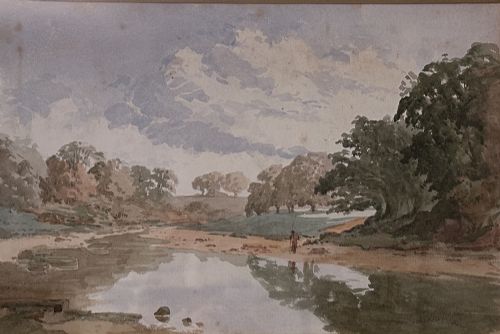
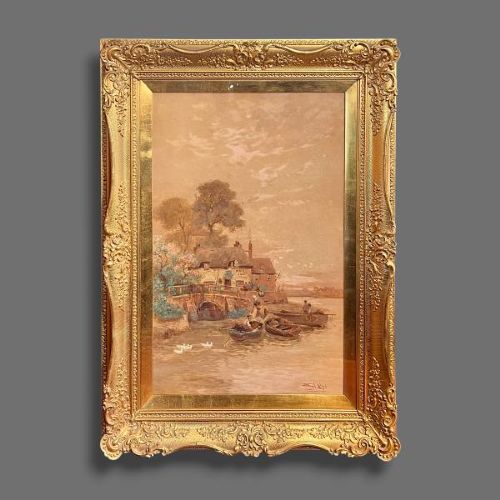
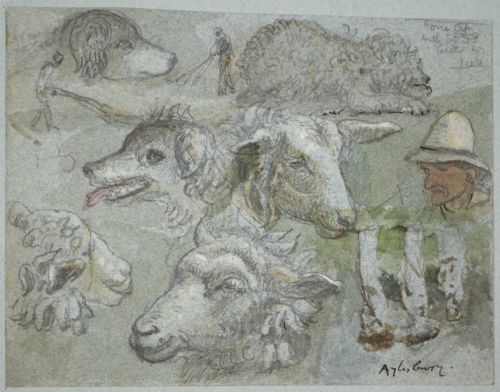
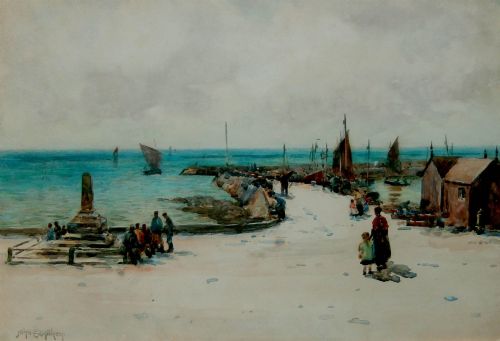

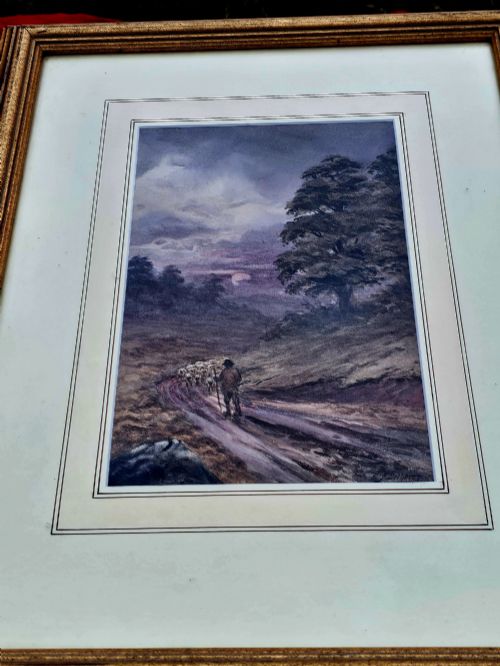

Original Watercolour Scene
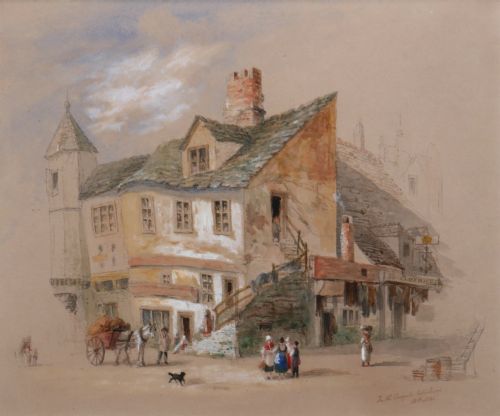
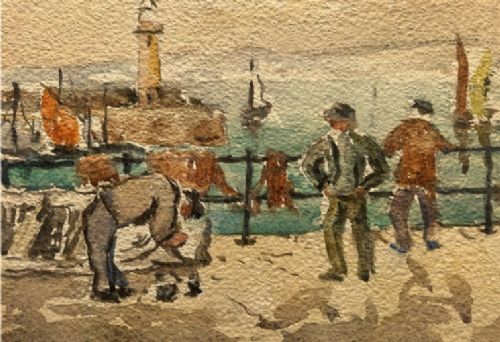
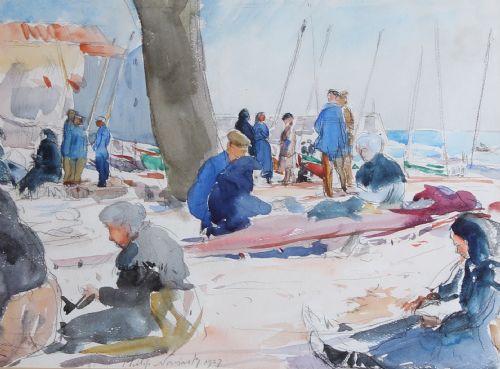
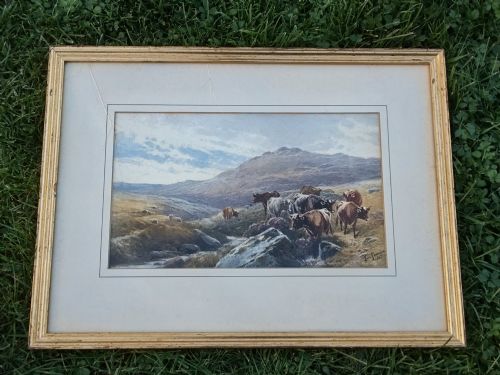
An original watercolour scene captures coastal harbours, quiet country cottages and pastoral landscapes through hand-applied pigment on paper.
Original Watercolour Scene
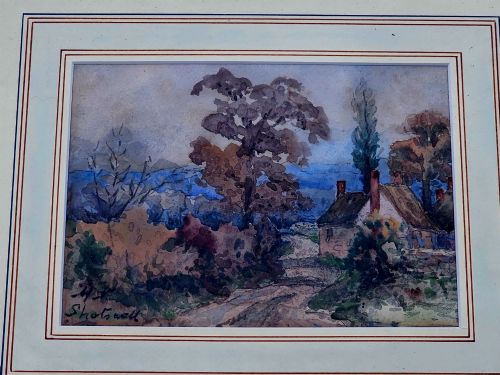
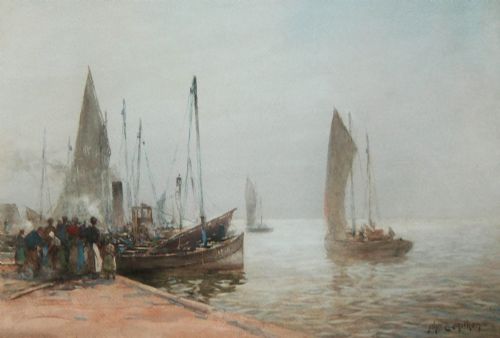
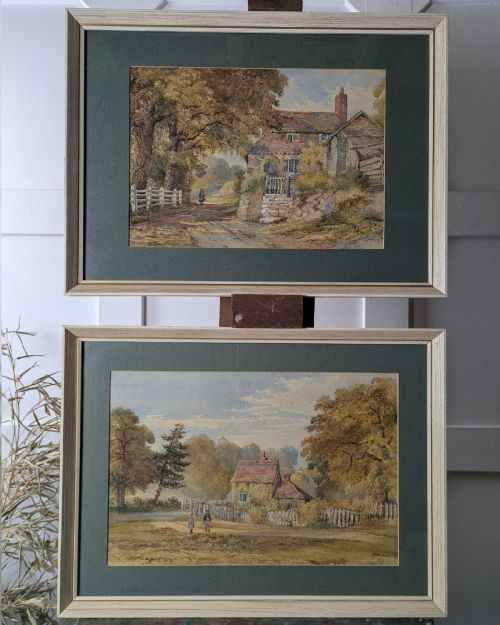
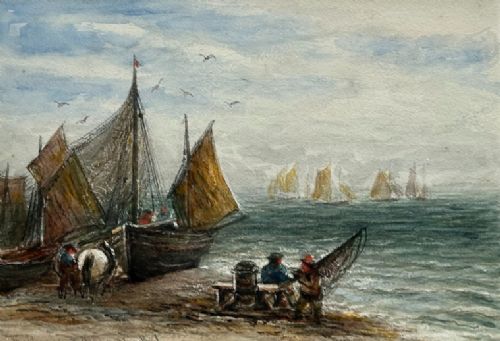
When you search for an original watercolour scene, you encounter works executed primarily on paper during the nineteenth and early twentieth centuries. These paintings depict British and European topography, rural pasttures, coastal harbours and intimate domestic or genre subjects.
The pieces on this page span the Victorian and Edwardian eras through to the early decades of the twentieth century. Common formats include pastoral landscapes, coastal views with fishing boats, and village street scenes rendered by named artists and regional painters.
Framed watercolours from this period frequently retain their original glass, wood frames and giltwood mounts. The subjects range from large-scale exhibition watercolours to modest plein air sketches recorded on location.
Materials and technique
These works rely on finely ground watercolour pigment suspended in a water-soluble binder, applied directly to heavy-weight fibrous paper surfaces. Artists frequently utilised graphite underdrawings and occasionally added gouache highlights to build opacity in areas of light.
Support materials generally consist of rag paper or early wood-pulp paper stock housed beneath protective glass. Frames are constructed from timber mouldings, often finished with gold leaf or giltwood accents to complement the tonal range of the painting.
Original Watercolour Scene Retail Price Guide 2026
Typical asking prices for original watercolour scene among the pieces listed under this phrase on Sellingantiques today, from the lower quarter to the upper quarter. They describe what is for sale here now, not the wider market.
The listings encompass nineteenth-century and early twentieth-century British watercolours executed on paper, utilising wood, glass and giltwood frames.
Assessing the execution
Quality rests upon the sureness of the brushwork and the artist's command of light, shadow and atmospheric perspective. Superior examples demonstrate confident pigment washes and precise control over transparency, whereas weaker works rely on heavy, overworked applications that obscure the paper texture.
The strength of the composition and the preservation of the original pigments distinguish finer works from routine topographical sketches. Well-maintained sheets retain their intended tonal contrast and colour vibrancy without excessive fading from light exposure.
Philip Naviasky·Thomas Rowden·Stuart Lloyd·Thomas Miles Richardson Jnr·James Orrock·Alfred Young Nutt·Percy Lancaster·James Smetham·John McDougal·James E. Aitken·William Banks Fortescue·Robert Leslie Howey·Henry Silkstone Hopwood·Fred Lawson·Robert Thorne Waite·Hector Caffieri·George Oyston·Frederick James Kerr·Hendrik Valkenberg·Alfred G. Morgan·Albert Ludovici Jnr·James Hayllar·Frederick Hines·George Kilburne
The Original Watercolour Scene Glossary
- Watercolour pigment
- Colouring material derived from minerals or plant extracts, ground into a fine powder for painting. It is mixed with water for application onto paper.
- Giltwood
- Wood carved and coated with gold leaf or gold paint. This finish frequently decorates the frames enclosing antique watercolours.
- Gouache
- An opaque water-based paint composed of pigment, water, and a binding agent such as gum. Artists use it alongside watercolour to create solid highlights and dense colour areas.
- Plein air
- Painting outdoors to capture direct observations of natural light and weather. This method was widely practiced by nineteenth-century watercolourists.
- Genre painting
- Artwork depicting scenes from everyday life, such as market squares or domestic interiors. These pieces focus on ordinary human activities rather than grand historical narratives.
Original Watercolour Scene: Frequently Asked Questions
How should I display an antique watercolour?
Hang the artwork away from direct sunlight and sources of extreme heat to prevent the paper from yellowing and the pigments from fading over time.
Ensure the room maintains a stable humidity level to protect the paper support and prevent mould growth behind the glass.
Are these works signed by the artist?
Many watercolours from this period feature the artist's signature, initials or monograms, often placed discreetly in one of the lower corners of the sheet.
Unsigned works do appear frequently, attributed instead through stylistic comparisons, gallery labels or inscriptions on the reverse of the frame.
What is the difference between a watercolour and a print?
An original watercolour is a unique, hand-painted work created directly on paper using liquid pigment and brushwork. Under magnification, the individual brush strokes and pigment granulation remain clearly visible.
Prints reproduce an existing image mechanically or through etching plates, showing dot patterns or uniform ink application rather than layered washes of pigment.
Why are some watercolours painted on tinted paper?
Artists sometimes selected grey, buff or blue paper stocks to establish an immediate mid-tone background for the scene. This technique allowed them to apply dark washes for shadows and white bodycolour for highlights very rapidly.