
Original Watercolour Portrait
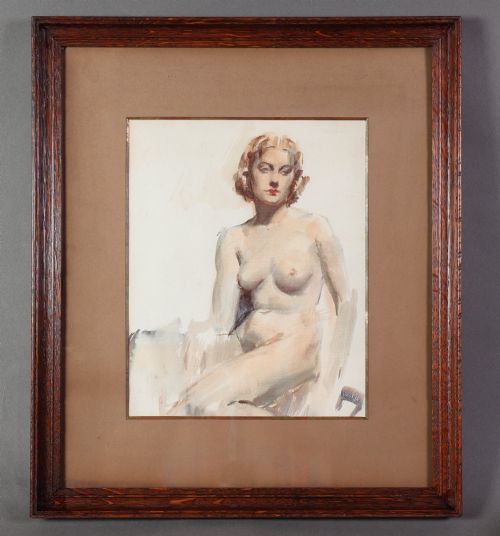
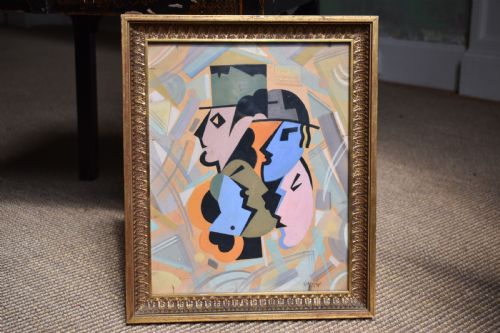
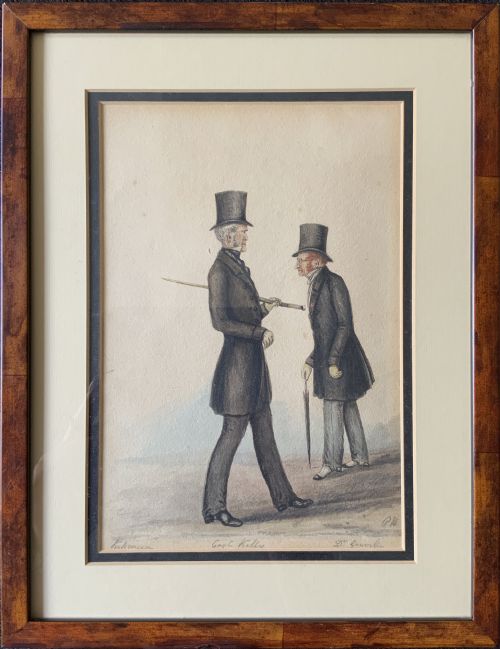
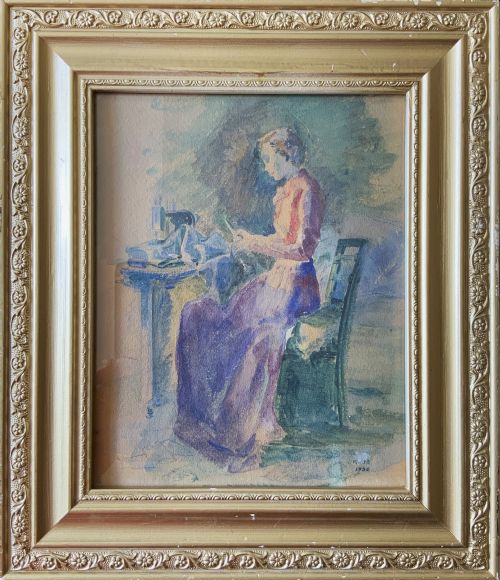
An original watercolour portrait captures individual likenesses and character through fluid pigments on paper, offering direct contact with past lives.
Original Watercolour Portrait
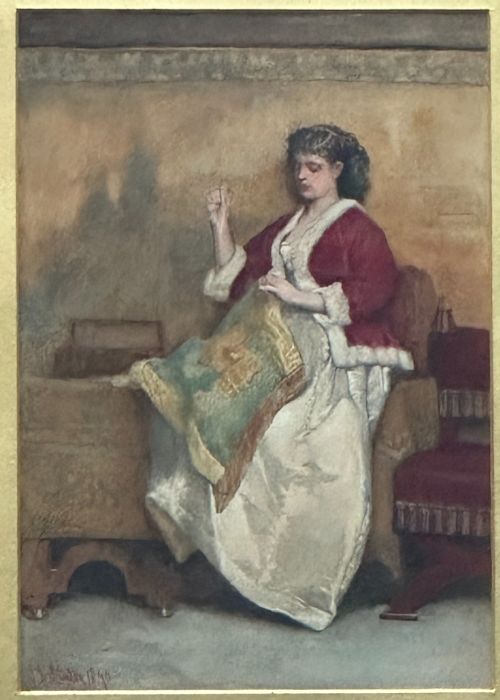
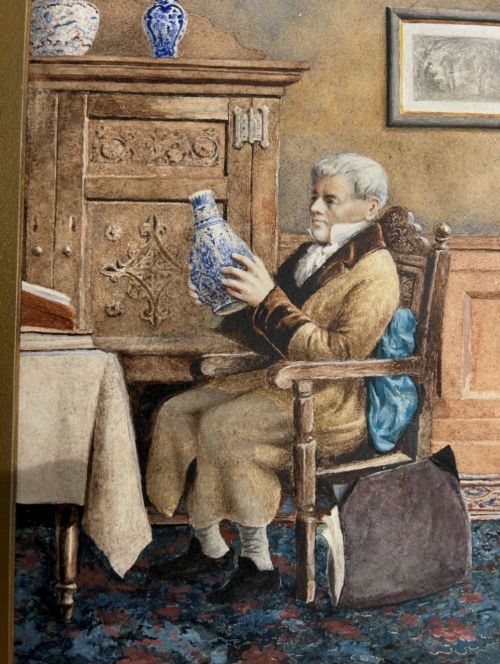
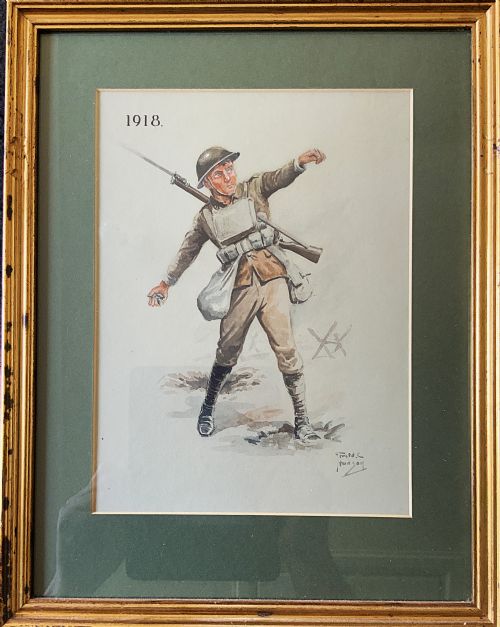
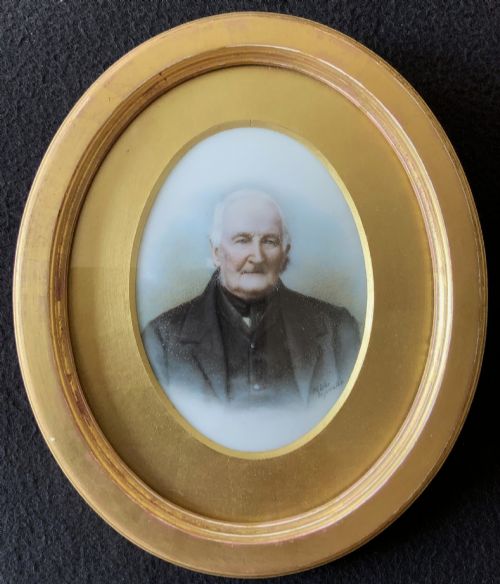
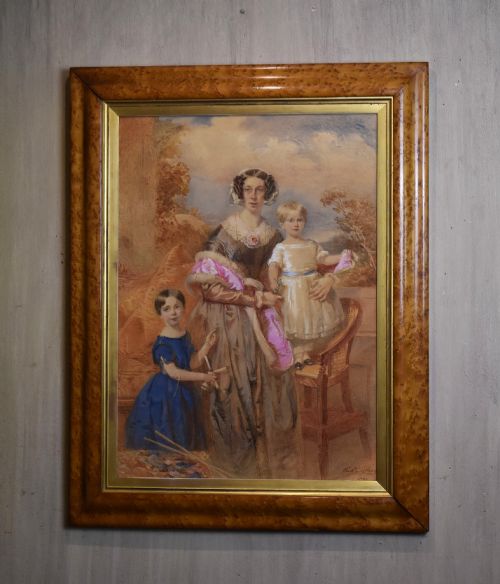
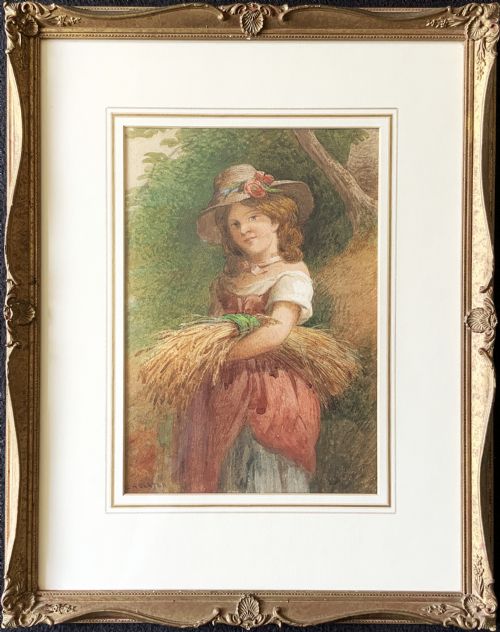
When searching for an original watercolour portrait, buyers encounter works spanning from the Georgian and Regency eras through the Victorian period and into the mid-twentieth century. These pieces record subjects ranging from anonymous sitters and children to military figures and society ladies, painted by both named artists and the broader English School.
The selections on this page most frequently showcase nineteenth-century and Victorian sensibilities, often presenting subjects in modest domestic settings or formal poses. Miniature paintings housed in ebonised frames or brooch mounts also appear regularly, alongside larger framed gallery pieces.
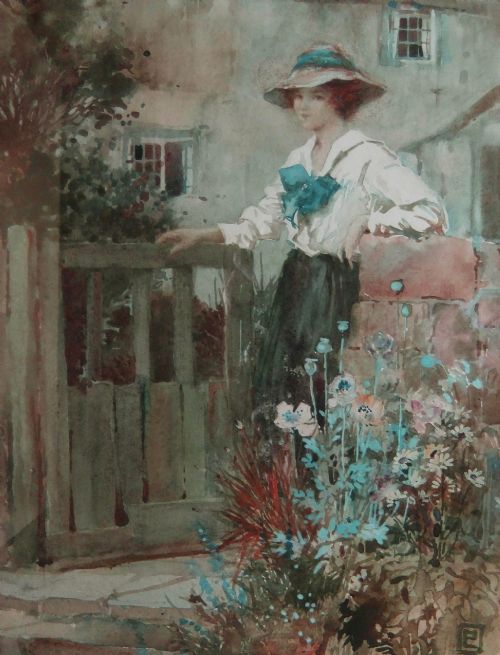
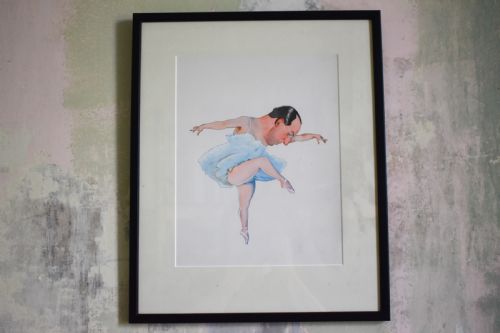
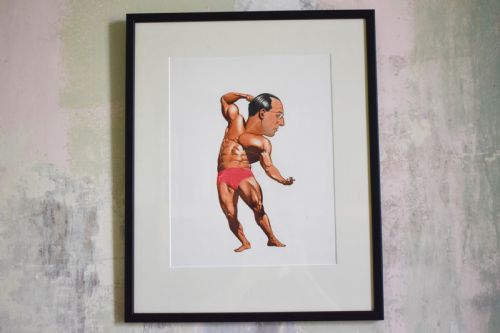
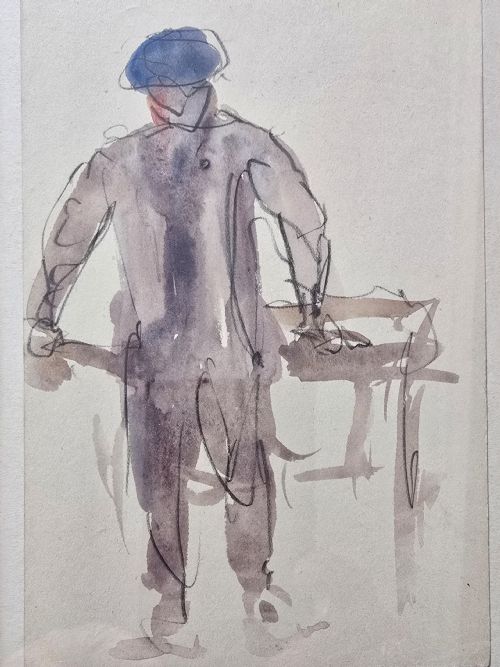
Later examples extend into Edwardian illustration and mid-century British realism, demonstrating how the medium evolved from tight academic likenesses to freer impressionistic studies. Each piece preserves a unique record of historical dress, hairstyle, and social standing.
Materials and construction
Artists applied water-soluble pigments onto prepared paper, sometimes incorporating bodycolour, ink, or wash to build depth and contrast. Miniature portraits often utilised paper mounted under glass, protected within wooden frames made of maple, gilt wood, or ebonised profiles.
Surviving examples frequently retain their original glazing and backing boards, which shielded the delicate pigments from atmospheric moisture and handling over the centuries. Period framing choices, from simple maple borders to elaborate gilt surrounds, reflect the prevailing taste of each artist's working decade.
Listings feature works spanning the nineteenth and twentieth centuries, utilising paper, watercolour, ink, and gold leaf within wooden and gilt frames.
Assessing quality and execution
Quality in these works rests upon the draughtsmanship beneath the pigment and the artist's command of facial expression and tone. Superior examples display confident brushwork that captures the sitter's anatomy and personality instantly, whereas lesser pieces can feel stiff or overly laboured.
The preservation of the paper and the vibrancy of the original colours also dictate the desirability of a piece. Works that have avoided excessive fading retain the subtle tonal gradations that separate a master portraitist from an amateur recorder.
Sir James Dromgole Linton·John Hassall·Frederick Tatham·Charles Henry Slater·Philip Richard Morris·Arthur Wardle·Filipo Indoni·Henry E Hobson·Raoul Millais·Helena Maguire·Sir Joshua Reynolds·Philip Naviasky·John Leech·John Henry Mole
The Original Watercolour Portrait Glossary
- Watercolour
- A painting method where fine pigments are suspended in a water-based solution and applied to paper. It allows for translucent washes and delicate tonal shifts.
- Grisaille
- A painting executed entirely in shades of grey or neutral monochrome. This technique was frequently utilised for neoclassical and early nineteenth-century profile sketches.
- Miniature painting
- A highly detailed, small-scale portrait often created on a delicate substrate. These intimate works were designed to be held in the hand, worn as jewellery, or displayed in small frames.
- Bodycolour
- Watercolour paint mixed with a white pigment to make it opaque. Artists used it to create solid highlights and dense areas of light within a composition.
- Ebonised frame
- A wooden picture surround treated to imitate ebony wood. They were particularly favoured during the nineteenth century for framing portrait miniatures and silhouette studies.
Original Watercolour Portrait: Frequently Asked Questions
How should I display my watercolour portrait?
Watercolours are sensitive to direct sunlight, which can cause the pigments to fade permanently over time. Hang your piece away from bright windows and maintain stable indoor humidity levels.
Ensure the frame is properly sealed at the back to prevent dust and moisture from reaching the paper surface. Traditional framing materials like wood and glass help protect the delicate medium from atmospheric changes.
How do I date an antique portrait?
Stylistic clues such as costume, hairstyles, and framing techniques offer the most reliable indicators of a portrait's creation date. High collars, specific military uniforms, and bonnet shapes tie directly to eras like the Regency or Victorian periods.
Many pieces also feature period inscriptions, artist signatures, or dates written on the reverse of the paper or backing board. Comparing these details with known working dates of regional schools helps narrow the timeline further.
What is the difference between a miniature and a standard portrait?
Miniature portraits are scaled down significantly, often measuring only a few inches across, and were historically intended for private contemplation or personal adornment. They require microscopic precision and fine brushwork to capture likeness on a reduced surface.
Standard portraits provide a larger canvas for the artist to depict the sitter's full upper body, clothing, and background surroundings. These larger works were framed for prominent display on domestic walls rather than carried or worn.