




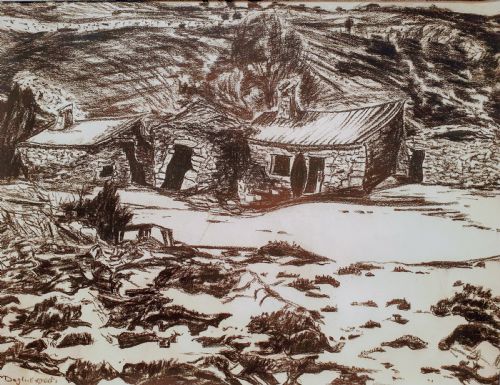


Original Tree Drawing
An original tree drawing captures woodland and landscape studies in pastel, ink, and watercolour, offering immediate character for your walls.
Original Tree Drawing
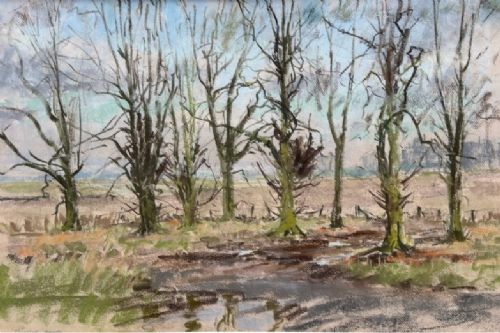
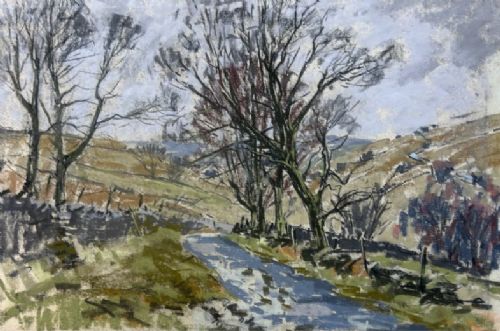
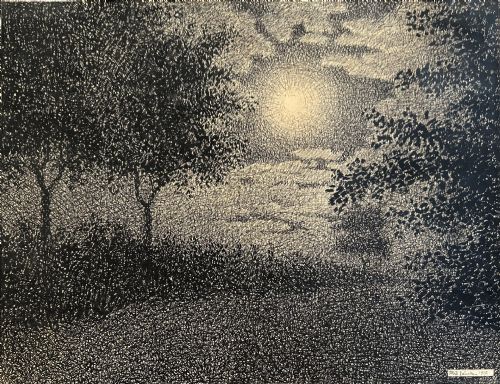
An original tree drawing brings together works on paper from the nineteenth century up through the mid twentieth century, capturing woodland scenes and pastoral views. When you search for an original tree drawing, you encounter works executed in media such as pastel, ink, chalk, and watercolour on paper. These pieces range from Victorian landscape art and British Impressionism to Canadian Impressionism and mid-century French styles.
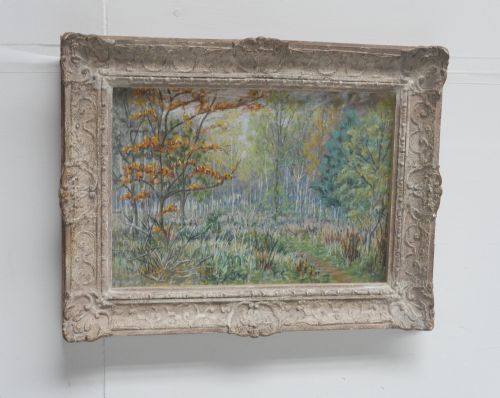
The selection on this page focuses on wall art and framed drawings depicting natural subjects like olive trees and woodland scenes. Artists record these botanical and rural themes directly on paper, housed within wood and glass frames for immediate display in a home.
How they were made
Artists utilise paper as the primary support for these works, applying water-soluble and dry pigments such as pastel, charcoal, and chalk. Ink line drawings employ fluid media to map out branches and foliage with sharp precision, whilst watercolours add translucent washes of pigment.
Framing materials typically combine wood for the structural surround and glass to protect the delicate paper surface from atmospheric moisture and handling. These traditional components keep the works on paper secure over decades of display.
Original Tree Drawing Retail Price Guide 2026
Typical asking prices for original tree drawing among the pieces listed under this phrase on Sellingantiques today, from the lower quarter to the upper quarter. They describe what is for sale here now, not the wider market.
Periods represented on this page span the Victorian era, the nineteenth century, and the 1890s through the 1960s.
What varies in quality
The distinction in quality rests upon the sureness of the hand and the sensitivity with which the medium engages the subject. Skilled draughtsmen use charcoal, ink, or pastel to convey the structure of bark and foliage with distinct economic marks rather than hesitant corrections.
Condition also marks the difference between examples, particularly regarding the preservation of the paper support and the stability of watercolours or pastels beneath glass over the decades.
Angus Rands·Alfred Young Nutt·Berthe des Clayes·Fred Lawson·Francis Frank O A Haviland·Henri Joseph Harpignies
The Original Tree Drawing Glossary
- Pastel
- A dry drawing medium composed of powdered pigment and a binder, producing velvety marks on paper. It requires glass framing to prevent smudging.
- Watercolour Pigment
- Finely ground colour suspended in a water-soluble binder, applied in translucent washes to paper. It allows light to reflect from the white sheet beneath.
- Charcoal
- Burnished vine or willow wood used to create deep black, smudgable lines in sketches. It forms robust contrasts in landscape studies.
- Works on Paper
- An umbrella term for drawings, watercolours, and pastels created on a paper support. These pieces are sensitive to light and require careful hanging.
- Impressionism
- A style focused on capturing transient effects of light and atmosphere outdoors. It prioritises visible brushwork and marks over precise finish.
Original Tree Drawing: Frequently Asked Questions
How do I hang an original tree drawing safely?
Keep the framed work away from direct sunlight to prevent the watercolour pigment or pastel from fading on the paper.
Ensure the wall fixings match the weight of the wood and glass frame to secure the piece firmly.
What periods do these tree drawings span?
The works stretch from the nineteenth century and Victorian era through early twentieth century movements and mid-century modern pieces.
Artists across these decades recorded natural landscapes using traditional media on paper supports.
How should I clean the glass on a framed drawing?
Spray a small amount of glass cleaner onto a cloth rather than directly onto the wood and glass frame. This stops liquid from seeping past the edge and damaging the paper inside.
Wipe gently across the surface until clear.
Are these drawings unique pieces?
Every listed item is a singular creation drawn or painted by hand directly onto paper. Artists produced these individual studies using ink, pastel, or watercolour rather than mechanical reproduction.
This means no two works share identical marks or compositions.