


Original Seascape Art
Original seascape art captures the enduring power of the open water, bringing historical maritime atmosphere directly into contemporary rooms.
Original Seascape Art
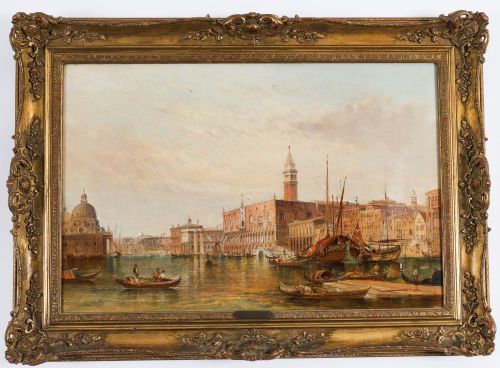
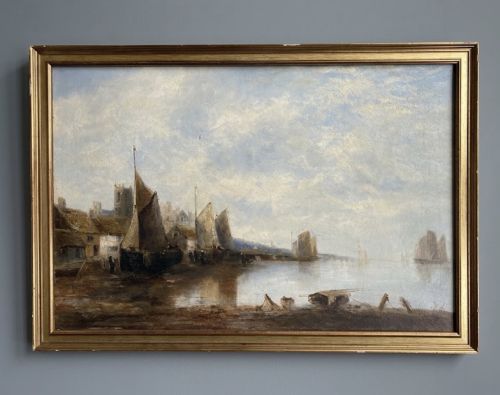
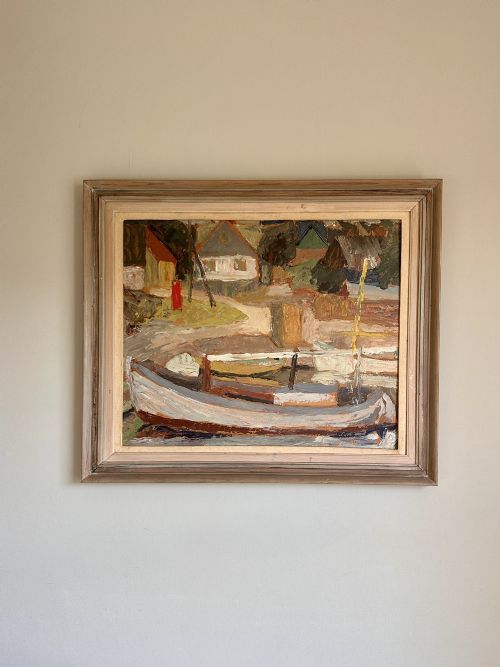
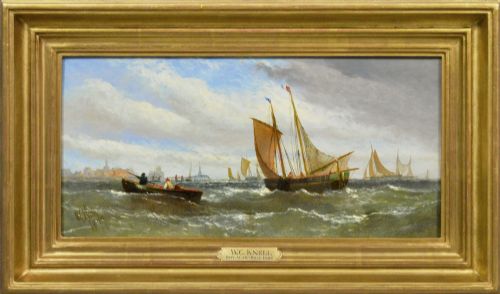
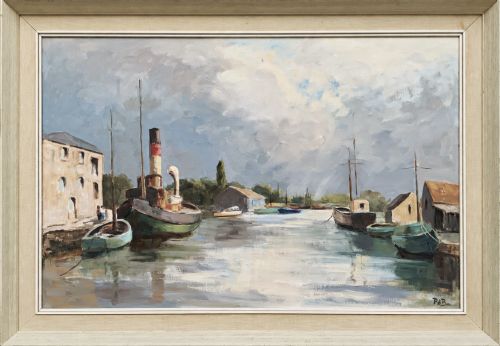
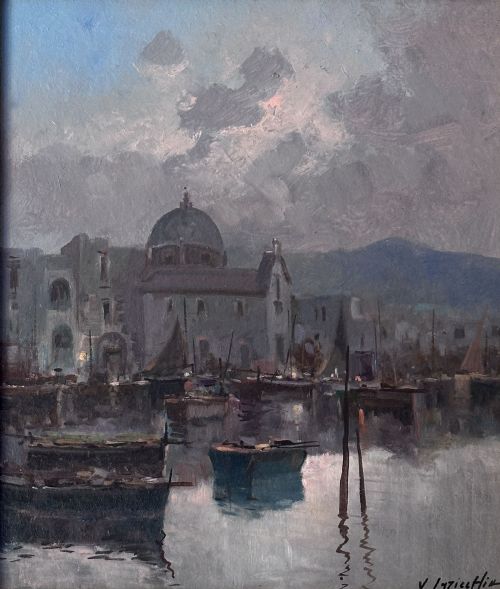
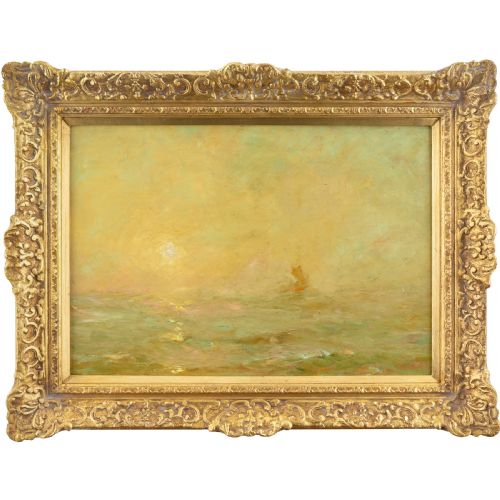
Original seascape art encompasses historical paintings focused on coastal views, harbours, and open waters. These works span from the nineteenth century through the mid twentieth century, recording shifting maritime conditions and coastal life across Britain and Europe.
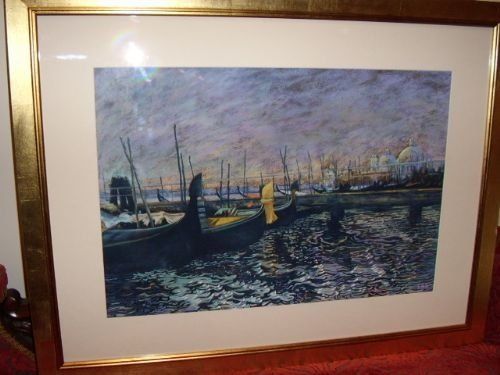
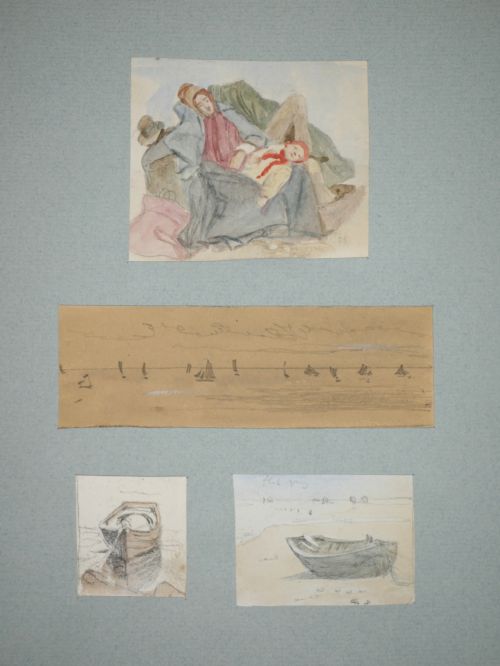
The selections on this page appear primarily as oil paintings on canvas or board, alongside watercolours and gouache on paper. Formats range from traditional framed rectangles to oval compositions and detailed sketches of vessels.
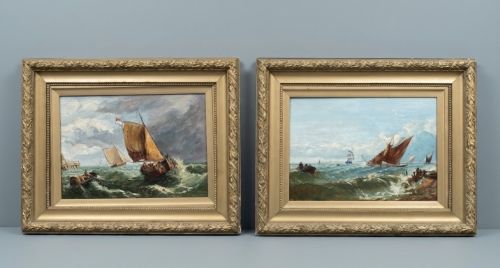
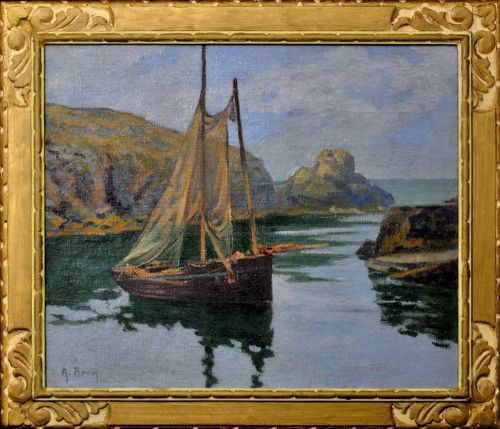
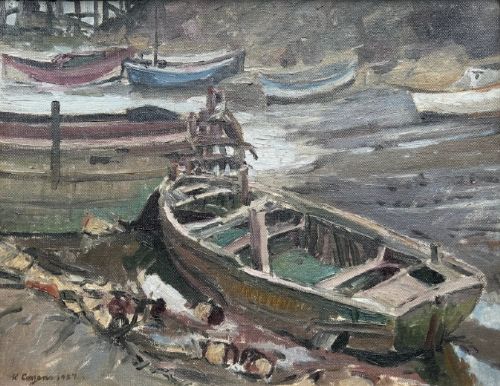
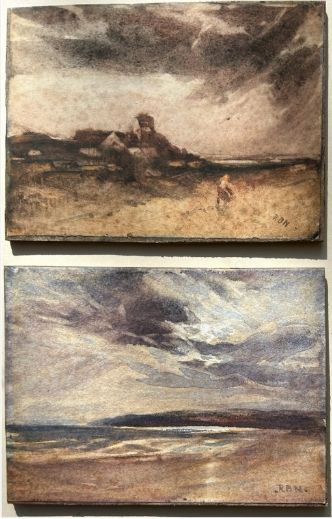
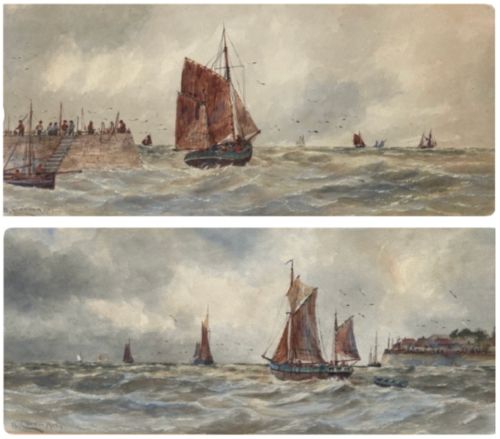
Subjects frequently centre on fishing boats, dramatic sea stacks, bustling harbours, and serene shorelines. Artists recorded these scenes using styles that transition from Victorian marine art and British impressionism toward mid-century modern interpretations.
Materials and methods of execution
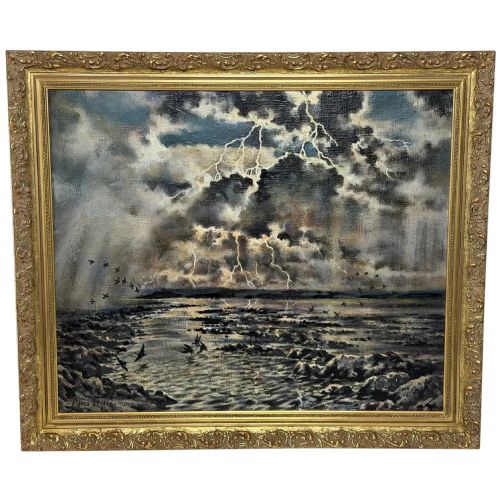
Painters utilised oil paint and watercolour as primary mediums, applying pigments to prepared canvas, wooden boards, or heavy paper sheets. Oil on canvas allowed artists to build rich textures representing crashing waves and stormy skies, while watercolours offered swift, transparent washes suited to rapid coastal studies.
Works often incorporate supportive wooden framing, frequently finished with gilt wood moulding to complement the artwork. En plein air techniques enabled artists to paint directly on location beside the shore, capturing natural coastal light and atmospheric conditions in real time.
Original Seascape Art Retail Price Guide 2026
Typical asking prices for original seascape art among the pieces listed under this phrase on Sellingantiques today, from the lower quarter to the upper quarter. They describe what is for sale here now, not the wider market.
Several artists preferred painting stormy seas from the safety of dry harbour walls rather than actual boats.
Distinctions in quality
Quality rests upon the artist's ability to render movement, light, and atmosphere convincingly across the surface. Stronger examples demonstrate confident brushwork and precise compositional balance, successfully conveying the weight of water and the openness of coastal air.
The integration of the original frame and the preservation of the paint surface significantly influence the standing of a piece. Works retaining clear artist signatures, documented exhibition histories, and stable grounds represent the higher tier of surviving maritime art.
William Calcott Knell·William Ayerst Ingram·Sir David Murray·Donald McIntyre·James Orrock·Francis Moltino·Joseph Farquharson
The Original Seascape Art Glossary
- Gouache
- An opaque water-based paint that dries to a matte finish. It is frequently combined with watercolour on paper to add dense highlights to sea foam and sails.
- En plein air
- A French expression describing the practice of painting outdoors. This method allows artists to capture direct observations of changing coastal light.
- Gilt wood
- Wood carved and coated with a thin layer of gold leaf or metallic paint. These frames were designed to enhance maritime paintings.
- Sea stack
- A geological landform consisting of a steep and often vertical column or columns of rock in the sea. Artists frequently painted these coastal formations for dramatic effect.
Original Seascape Art: Frequently Asked Questions
How do I date an antique seascape painting?
Dating relies upon examining the canvas, framing materials, artist signatures, and stylistic traits. Nineteenth-century works often feature heavier gilt frames and traditional academic brushwork.
Mid-century pieces frequently display looser impressionistic marks or boards stamped by artist supply makers. Comparing documented exhibition dates helps confirm the precise era.
Where should I hang a framed seascape?
These works suit spaces with stable temperature and humidity away from direct sunlight. Dining rooms and studies pair well with maritime subjects, echoing traditional domestic settings.
Ensure the piece hangs securely from appropriate wall anchors to support the weight of the wooden frame.
What is the difference between oil and watercolour?
Oil paintings utilise pigment suspended in drying oils applied to canvas or board, offering rich textures and deep colour blending. Watercolours use water-soluble mediums on paper, providing lighter, translucent washes.
Oils generally require protective wooden framing without glass, whereas watercolours need glazing to protect the paper.
How do I identify British impressionism in these paintings?
British impressionist seascapes display visible brushstrokes and an emphasis on capturing momentary effects of light on water rather than rigid detail. Artists working in this style prioritized atmospheric conditions over precise topography.
This approach emerged strongly in late nineteenth and early twentieth-century coastal depictions.