





Original Scottish Oil Landscape
An original scottish oil landscape captures the changing northern light, mountain mists and Highland cattle across centuries of academic and impressionist painting.
Original Scottish Oil Landscape
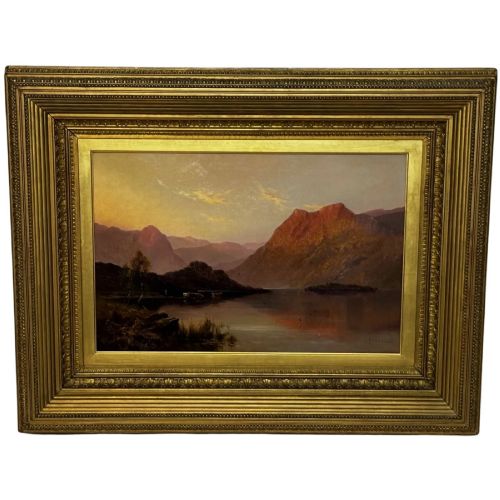
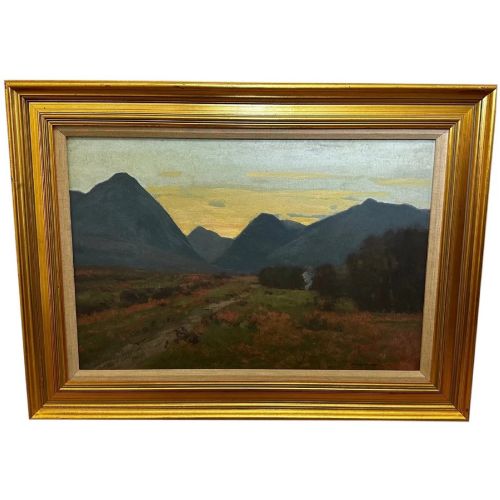
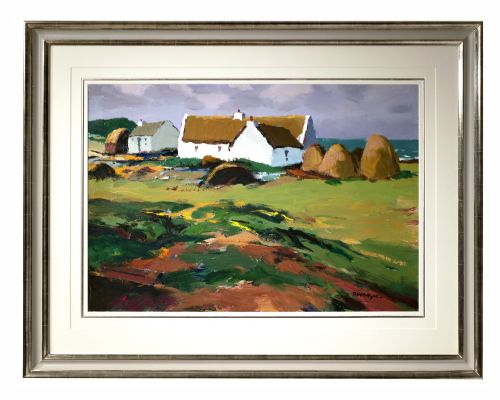
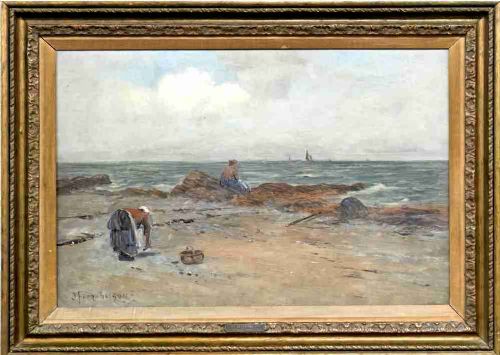
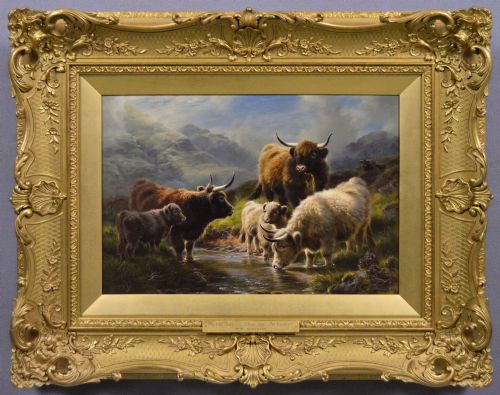
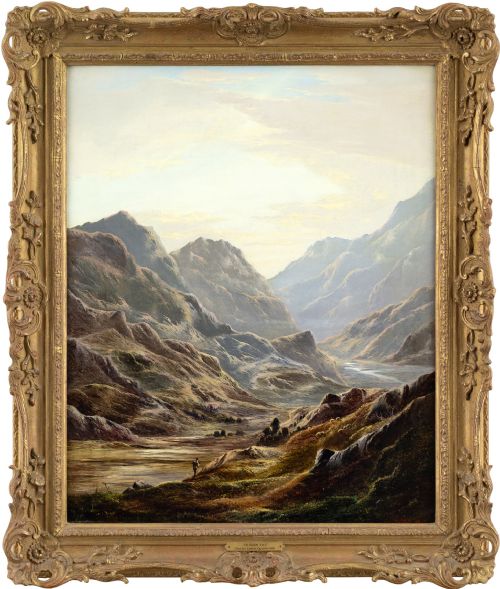
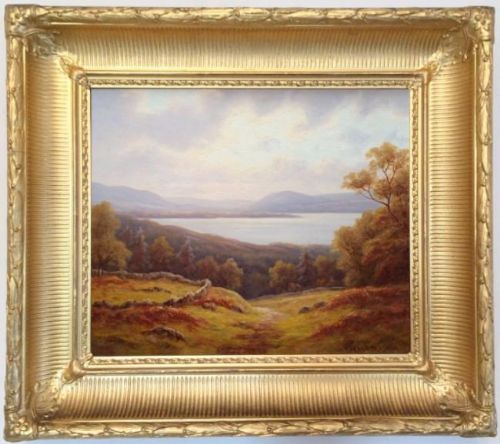
When searching for an original scottish oil landscape, buyers encounter depictions of lochs, glens and coastal vistas ranging from the Victorian era through to the mid-twentieth century. These works document rural life, livestock and rugged terrain through the eyes of academic realists and later regional impressionists.
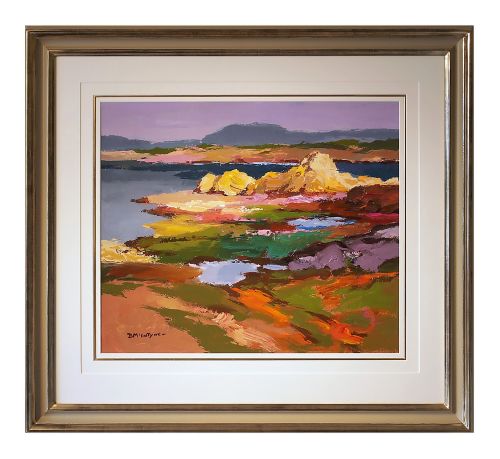
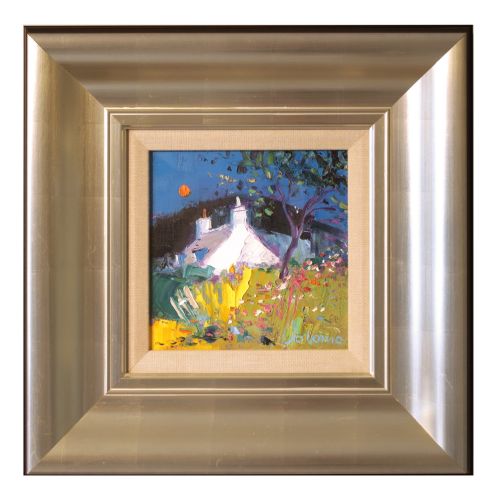
Earlier examples lean towards detailed academic observation of light and topography, while mid-century pieces introduce looser brushwork and bolder palettes. Both traditions reflect a sustained artistic fascination with the distinct geography and atmospheric conditions of Scotland.
Materials and technique
Artists built these compositions primarily using oil paint applied to stretched canvas, wooden panels or prepared boards, often framed in decorative giltwood and gesso surrounds. The slow-drying nature of oil allowed painters to blend atmospheric mists and achieve subtle gradations of evening light across expansive skies.
Nineteenth-century works typically rely on fine, controlled brushwork over structured underdrawing to render precise textures in wool, stone and foliage. Later twentieth-century pieces shift toward impasto application, where thick ridges of pigment create physical relief and immediate visual texture on the surface.
Several highland cattle make regular cameo appearances in these glens, occasionally pausing to check if the artist has captured their best side.
Distinctions in quality
Quality rests upon the artist's command of atmospheric depth, light and the specific geological character of the Scottish terrain rather than mere scale or subject matter. Superior works capture transient effects of weather and illumination with confident, purposeful brushwork that brings the landscape to life.
The handling of secondary elements like livestock, water and skies separates accomplished studio production from routine topographical illustration. Furthermore, the preservation of the original surface, stability of the support and quality of the period framing contribute significantly to a piece's artistic integrity.
George Houston RSA RSW·Donald McIntyre·John Lowrie Morrison OBE·Joseph Farquharson RA·William Watson Jnr·Alexander Jamieson·Sir David Murray·Sam Bough RSA
The Original Scottish Oil Landscape Glossary
- Canvas
- A heavy woven fabric stretched across a wooden frame to serve as a durable painting support. It provides slight spring under the brush and holds layered oil pigment securely.
- Impasto
- A technique where paint is laid onto a surface in very thick layers, standing out visibly from the plane. This method adds tactile three-dimensional depth to highlights and water.
- Giltwood
- Timber carved and coated with a thin layer of gold leaf or metallic powder for decorative framing. It frames nineteenth-century oils with traditional warmth and reflection.
- Gesso
- A plaster-like mixture applied to wood panels or frames to create a smooth, sealed surface for painting or gilding. It prevents the raw material from absorbing oil paint.
- Wood Panel
- A rigid flat wooden support used frequently by artists before stretched canvas became dominant. It offers a completely stable surface for detailed, fine brushwork.
Original Scottish Oil Landscape: Frequently Asked Questions
Were these painted outdoors?
Many nineteenth-century academic works were sketched outdoors before being finished in studio environments to capture grand scale and fine detail.
Later impressionist and mid-century painters worked increasingly on location to record direct responses to changing highland weather and light.
How do I date an antique oil?
Dating relies upon stylistic markers, framing materials, artist biographical dates and inscriptions left on the reverse of the panel or canvas.
Victorian pieces show tighter academic control, whereas mid-century works adopt looser impasto and modernist colour palettes.
How should I care for the painting?
Keep oil paintings away from direct sunlight, damp environments and rapid temperature fluctuations that could warp wooden panels or crack paint.
Dust gently with a dry, soft brush and avoid liquid cleaners or chemical solvents on both the canvas surface and antique frames.