

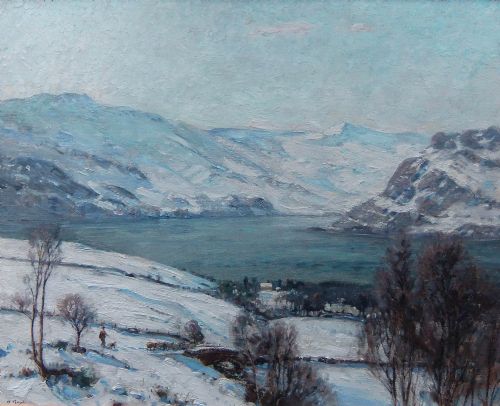

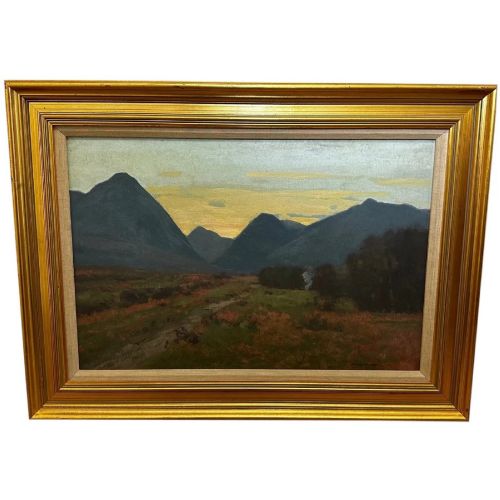
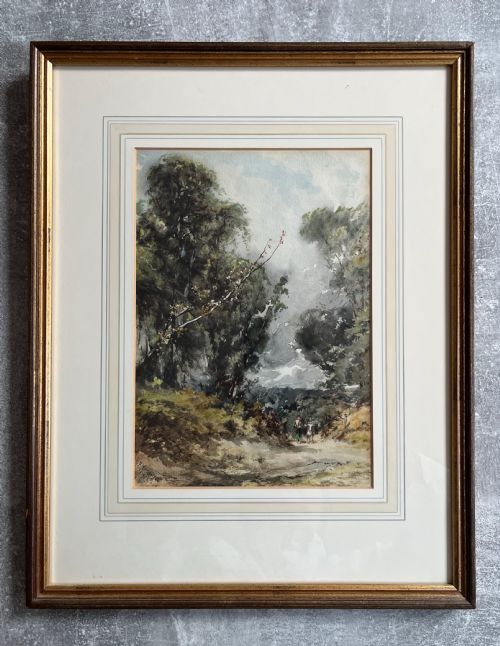
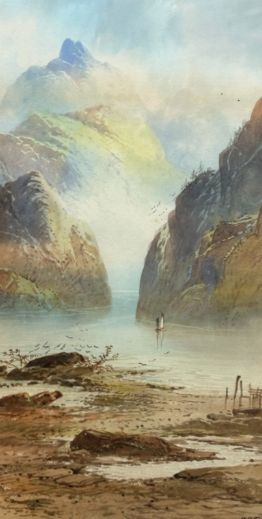
Original Scottish Landscape
An original scottish landscape brings the dramatic light and rugged topography of the Highlands and lochs directly into a room through historic paint and paper.
Original Scottish Landscape
An original scottish landscape captures the geography, lochs, and mountains of Scotland through historic fine art ranging from the Victorian period to mid-century modern movements.
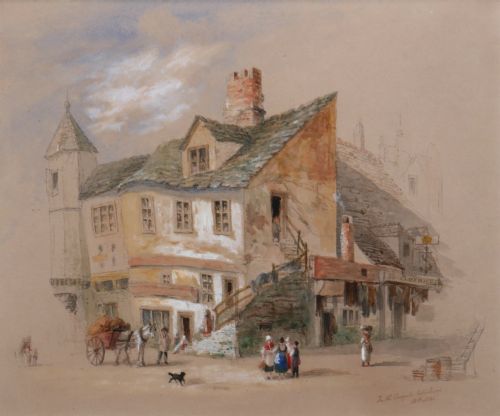
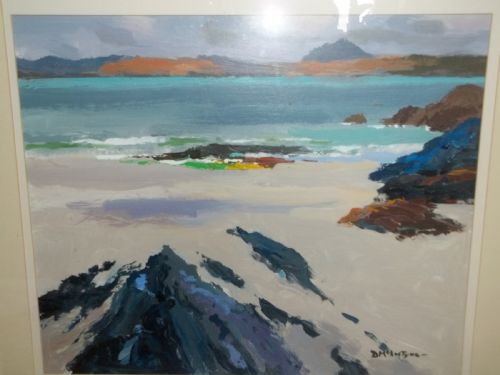
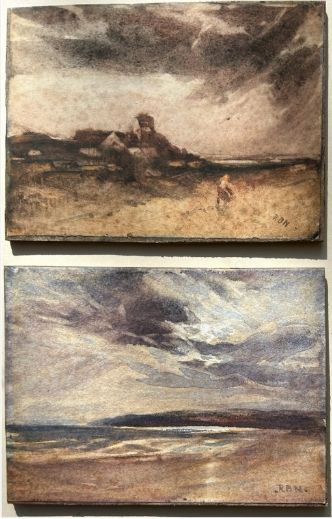
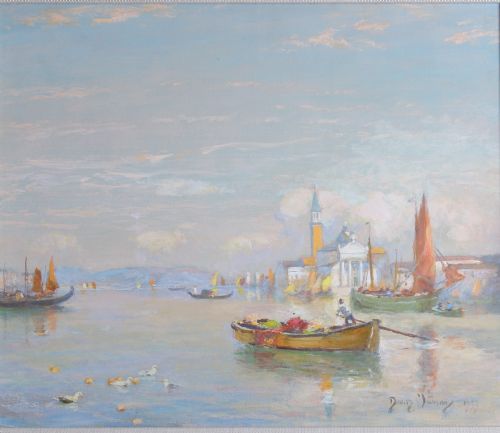
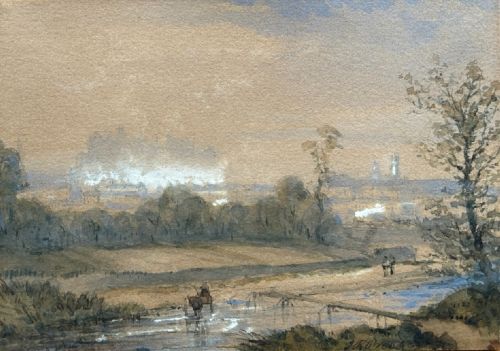
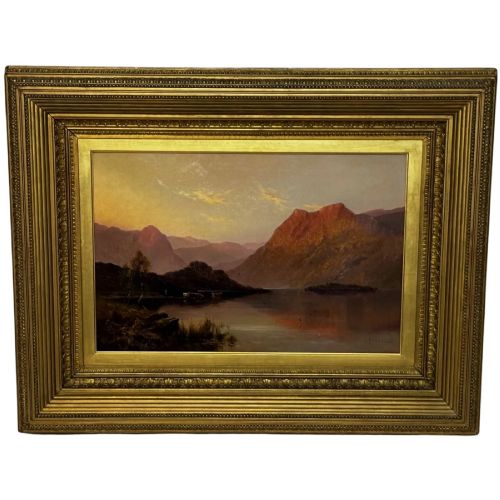
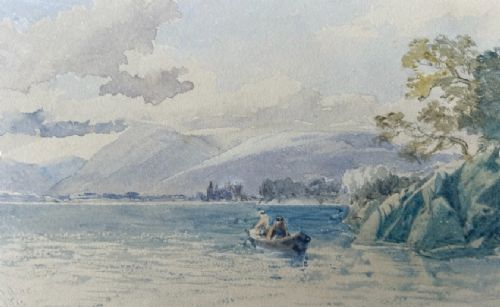
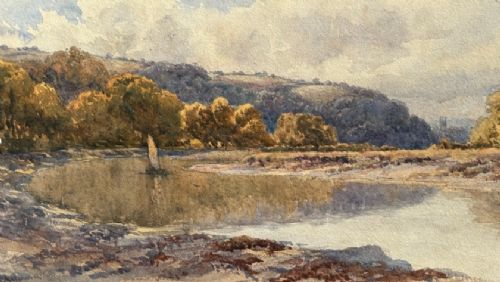
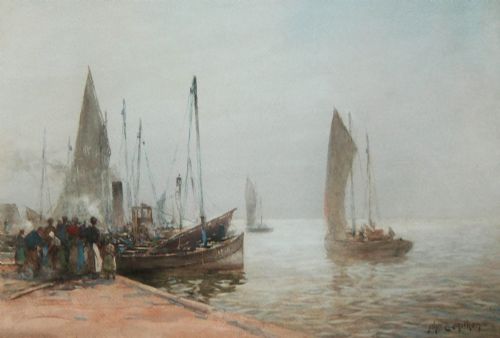
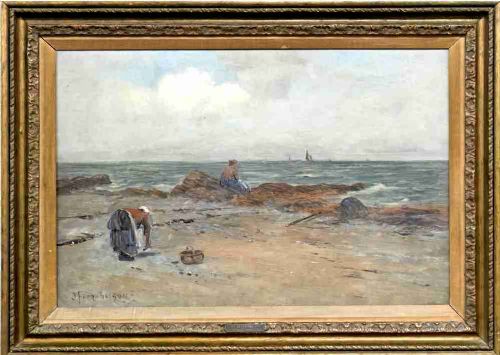
Buyers encounter oil paintings on canvas, wood panel, and board alongside delicate watercolour paintings on paper, executed by artists recording specific locations like Loch Lomond, Arran, and Glen Tilt.
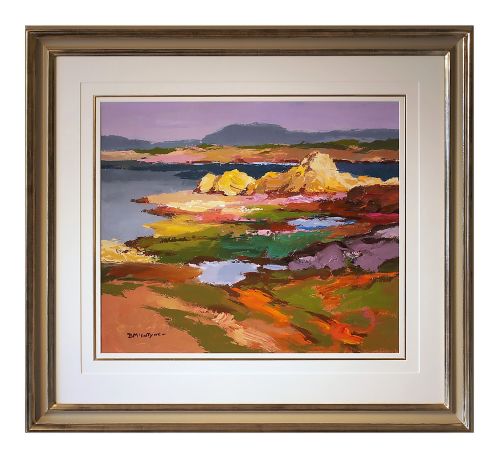
The selections span traditional nineteenth-century academic realism, Scottish Impressionism, and mid-century abstraction, reflecting how generations of painters translated northern light.
How They Were Made
Artists applied oil paint and watercolour onto stretched canvas, prepared wood panels, heavy paper, and glass-protected mounts using brushes and palette knives.
Nineteenth-century works typically built up transparent washes of watercolour or rich, layered oil glazes, whereas later mid-century pieces often utilised heavier impasto brushwork and textured boards.
Original Scottish Landscape Retail Price Guide 2026
Typical asking prices for original scottish landscape among the pieces listed under this phrase on Sellingantiques today, from the lower quarter to the upper quarter. They describe what is for sale here now, not the wider market.
Listings feature works from the Victorian era through the Edwardian period and into mid-century modern abstraction.
What Varies in Quality
Quality rests in the handling of atmospheric light, topographical accuracy, and the confidence of the brushwork rather than the mere age of the canvas.
Skilled painters captured the shifting weather and misty moisture of Highland scenes with dynamic compositions, while lesser works relied on rigid formulas and static colour palettes.
Herbert Royle·Robert Buchan Nisbet·Sir David Murray·Donald McIntyre·David Law·George Fotherly Hargitt·Thomas Miles Richardson Jnr·William Henry Earp·John R Prentice·Tom Campbell·Alfred Fontville de Breanski Jr·James E Aitken·George Houston·John Lowrie Morrison·Joseph Farquharson·William Watson Jnr·Charles Leslie·Alexander Jamieson·Everett Watson Mellor·John Moxon·William George Tennick·Archibald Kay·Henry Hillier Parker·William Littlejohn·Frank Hider
The Original Scottish Landscape Glossary
- Impasto
- Paint applied thickly to a canvas or board, standing out in relief from the surface so that the marks of the brush or palette knife remain visible.
- Watercolour
- A painting method in which the paints are made of pigments suspended in a water-soluble vehicle, typically worked on paper.
- Wood Panel
- A rigid flat wooden support used as a painting surface before stretched canvas became standard for landscape works.
- Scottish Impressionism
- A regional painting style emerging in the late nineteenth and early twentieth centuries that adopted loose brushwork and vibrant light effects.
Original Scottish Landscape: Frequently Asked Questions
How do I date an old Scottish painting?
Dating relies on examining the stretcher frames, canvas stamps, paper watermarks, and the artist's active biographical dates recorded in signatures.
Stylistic markers like Victorian academic detail versus mid-century impasto also point toward specific decades of creation.
What is the difference between oil and watercolour?
Oil paint uses drying oils to bind pigments on canvas or wood panels, allowing for heavy texture and luminous, deep colour blending.
Watercolour uses water-soluble pigments on paper, producing lighter, translucent washes that require protective glass framing.
Where were these landscape scenes usually painted?
Artists worked both plein air directly outdoors in the Highlands and islands, and finished larger studio canvases from earlier sketches.
Favoured locations included Perthshire, Arran, Loch Long, and various river valleys across Scotland.
How should I frame and hang antique artwork?
Historic paintings require appropriate period or complementary frames that secure the canvas without restricting natural wood movement.
Display them away from direct sunlight and damp conditions to preserve the integrity of the paint and paper.