




Original River Landscape Painting
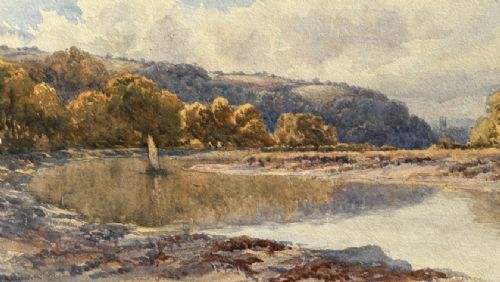
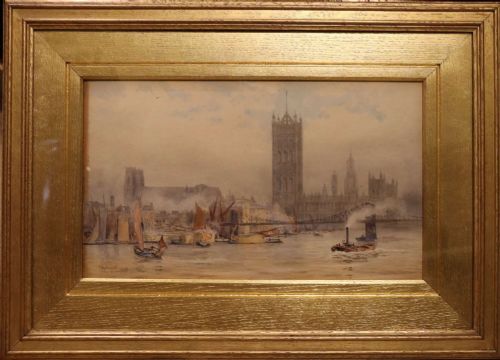
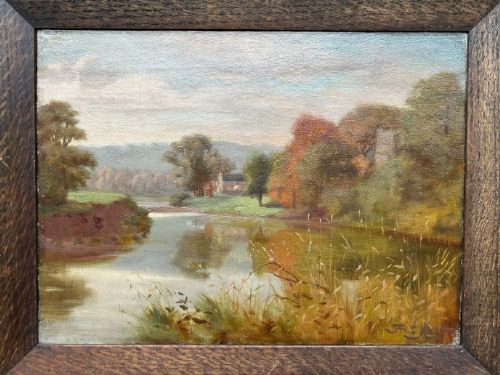
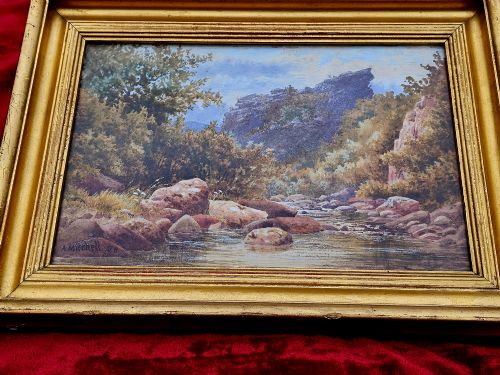
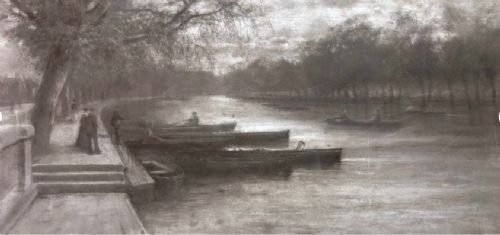
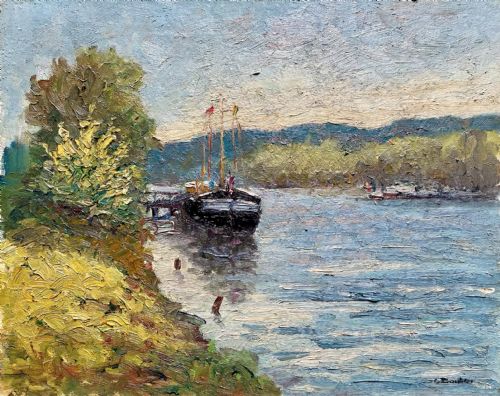
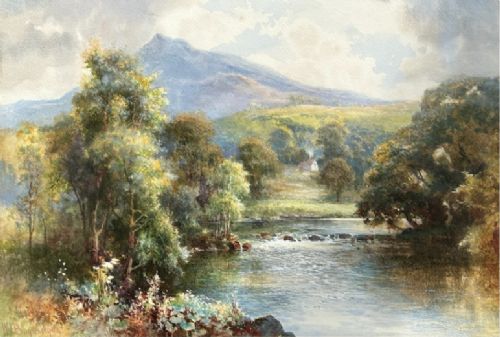
An original river landscape painting captures the enduring appeal of moving water and shaded banks, rendered in oils and watercolours by artists of the nineteenth and twentieth centuries.
Original River Landscape Painting
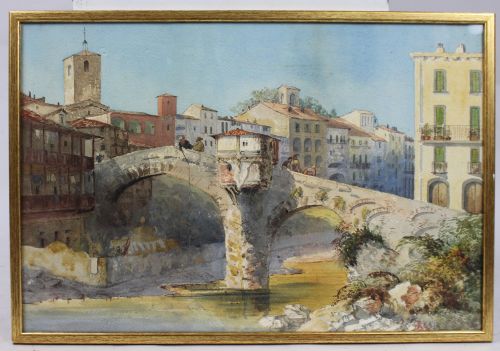
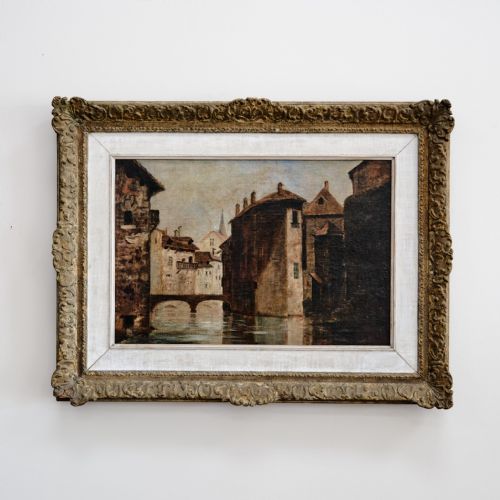
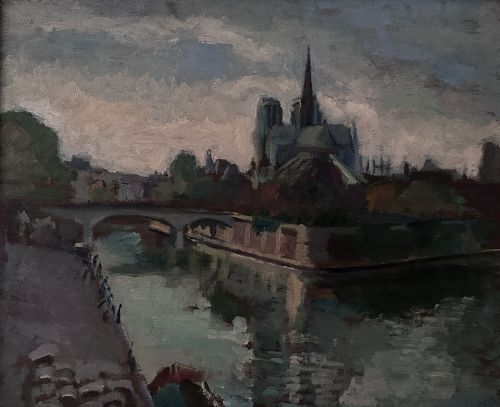
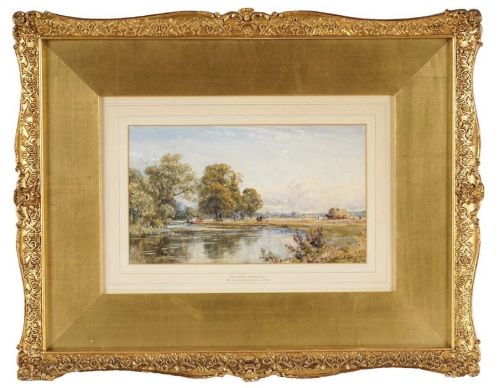
An original river landscape painting depicts waterways, bridges, and rural banks captured across the nineteenth and twentieth centuries. These works span British and continental views, recording pastoral scenes, maritime reaches, and quiet tributaries.
The selections available here range from delicate Victorian watercolours to robust Edwardian and mid-century oil paintings. Buyers encounter both intimate studies on paper and substantial framed works intended for principal rooms.
How They Were Made
Artists painted these scenes directly onto prepared canvas, wood panels, or sturdy paper using oil and watercolour pigments. Oil paint offered rich, buildable textures for water reflections and foliage, while watercolour on paper allowed for luminous, rapid atmospheric effects.
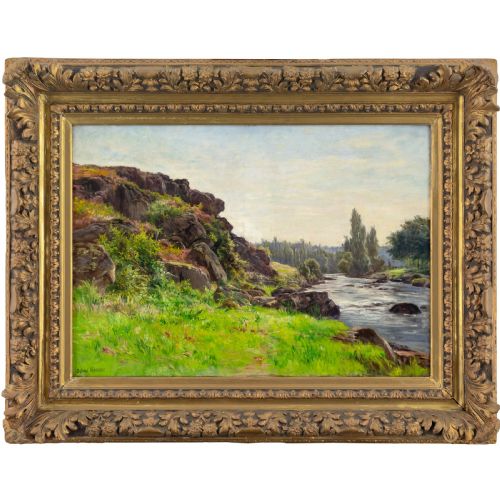
Supports varied according to the period and method, with stretching frames used for canvases and wooden boards or card employed for smaller plein-air sketches. Gilt frames frequently complemented the finished compositions.
Several canvases capture cows nonchalantly wading through the exact same rivers that inspired romantic poets.
What Varies in Quality
Quality rests in the sureness of the brushwork and the artist's ability to render light upon water and atmosphere across the sky. Superior pieces demonstrate confident handling of perspective and tonal balance rather than mere botanical or architectural recording.
The distinction also lies in the preservation of the pigment and the harmony of the original mounting or framing. Works showing deep compositional depth and expressive brush movement stand apart from routine topographical illustration.
Kenneth Cozens·George Graham·Alfred Young Nutt·Frederick Marriott·William Joseph Boyes·Gabriel Mathieu·Robert Thorne Waite·Henri Ottmann·George Oyston·Sir Alfred East·Albert Rieger·Herbert Royle·Paul Desire Trouillebert·Robert Leslie Howey·Florence Adelina Hess·Henry H Parker·John Horace Hooper·John Ferneley Senior·William George Tennick·Hubert Wellington·Honore Cavaroc·Alfred George Morgan·Tom Anderton·John Syer·David Cox Senior
The Original River Landscape Painting Glossary
- Oil on Canvas
- Pigment mixed with drying oil applied to a woven fabric stretched across a wooden frame. This combination allows for thick impasto and deep colour saturation.
- Watercolour
- A paint consisting of colour suspended in a water-soluble binder, traditionally applied to paper. It relies on the white of the paper showing through translucent washes for its luminosity.
- Wood Panel
- A flat wooden board used as a rigid painting support before stretched canvas became dominant. Artists often favoured panels for smaller, detailed landscape studies.
- Impressionism
- A nineteenth-century style characterised by relatively small, thin yet visible brush strokes and an emphasis on accurate depiction of light. Painters sought to capture the fleeting visual conditions of a specific moment.
- Barbizon School
- A nineteenth-century French movement part of an art movement towards realism in landscape painting. Its members focused on unidealised rural scenes and direct observation of nature.
Original River Landscape Painting: Frequently Asked Questions
How do I date an antique river landscape painting?
Dating relies on examining the stretcher frames, paper types, pigments, and any signatures or inscriptions left by the artist on the reverse. Stylistic clues such as clothing, architecture, and brushwork conventions also help narrow the decade.
Comparison with documented works by the same hand in gallery archives provides further confirmation of the period.
What is the difference between oil and watercolour river scenes?
Oils offer rich textures, deep impasto, and durable surfaces that artists built up in layers to capture heavy light and shadow. Watercolours provide a lighter, more transparent finish that relies on the paper to reflect light through the washes.
Both mediums were used extensively outdoors, but they create entirely different atmospheric moods on the wall.
How should I frame and display these paintings?
Selecting a frame that matches the period of the artwork helps preserve its historic character and visual balance. Traditional gilt wood frames complement nineteenth-century oils, while simpler mounts suit works on paper.
Direct sunlight and excessive humidity should be avoided to protect both the pigments and the delicate wooden or paper supports.
Are these paintings original works or prints?
Every piece listed here is a one-off original painted by hand directly onto its canvas, panel, or paper support. Close inspection reveals the physical texture of the brushstrokes and the unique hand of the artist.
Archive records and signatures further distinguish these singular creations from mass-produced reproductions.