




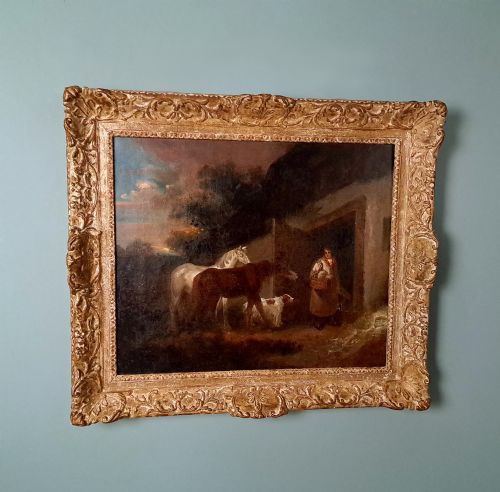
Original Pastoral Painting
An original pastoral painting captures rural life and livestock across British and European countryside scenes.
Original Pastoral Painting
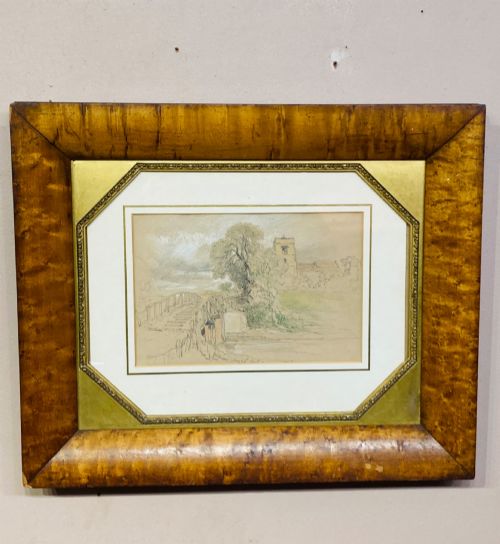
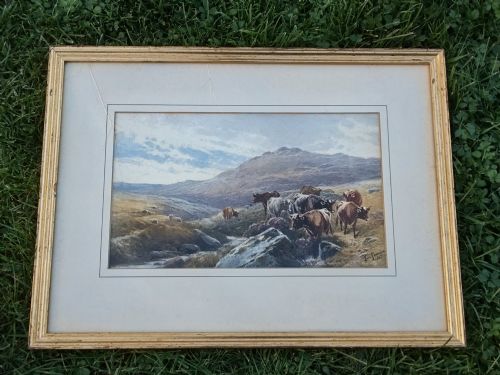
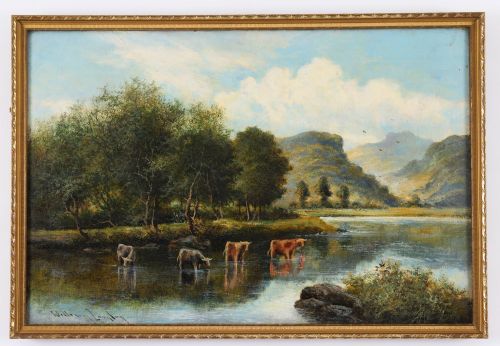
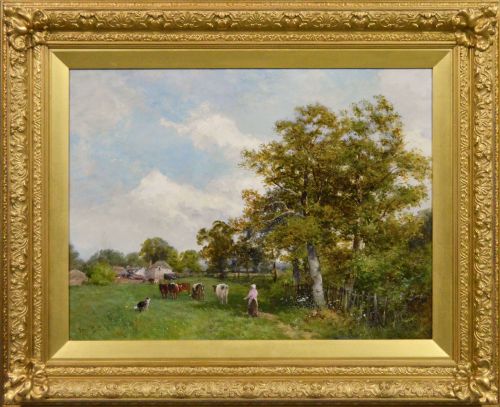
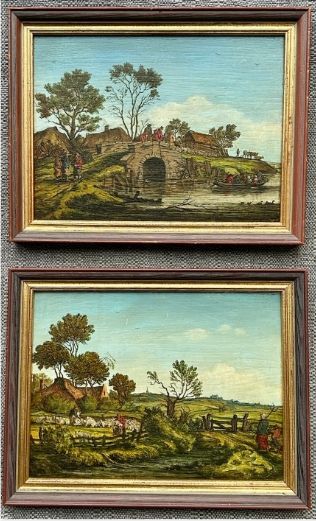
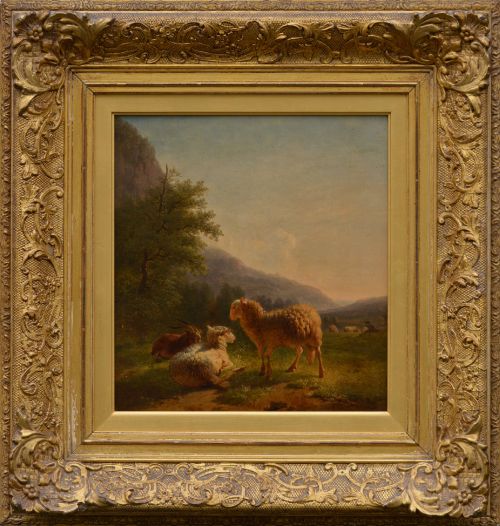
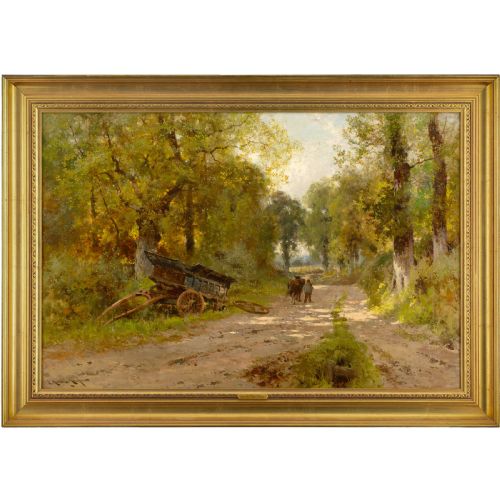
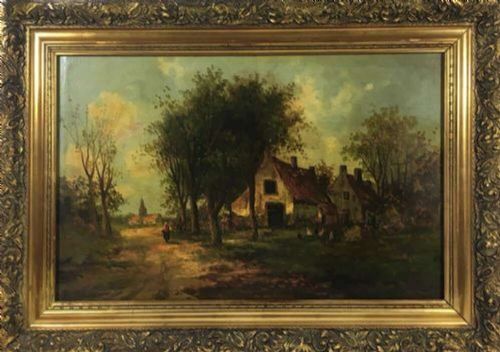
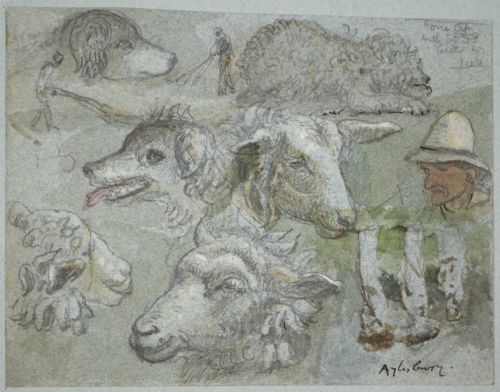
An original pastoral painting depicts rural scenes, agricultural land, riverbanks, and farm animals such as sheep, cattle, and horses. Buyers searching for an original pastoral painting encounter works created predominantly during the nineteenth century and the early twentieth century.
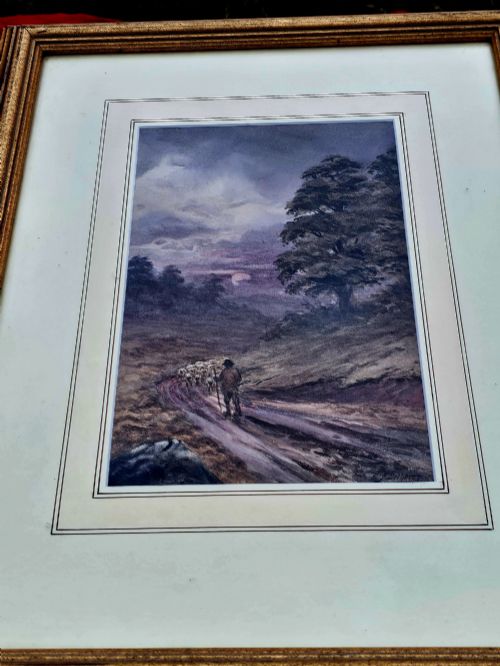
The compositions feature figures engaged in rural tasks, including herders, milkmaids, and fishermen, set against British and European landscapes. Artworks from this tradition range in scale from intimate watercolour paintings on paper to substantial oil paintings on canvas and wood panels.
Makers working within Victorian, Edwardian, and British Impressionist styles shaped the visual language of these rural scenes. These pieces reflect a sustained nineteenth-century and early twentieth-century fascination with agrarian life and the natural environment.
How they were made
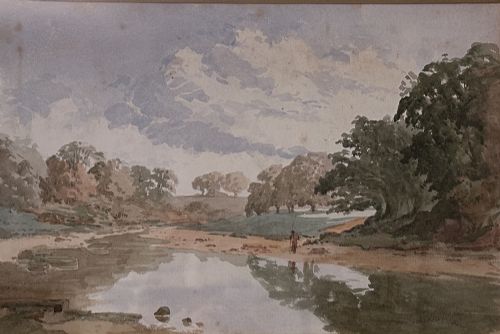
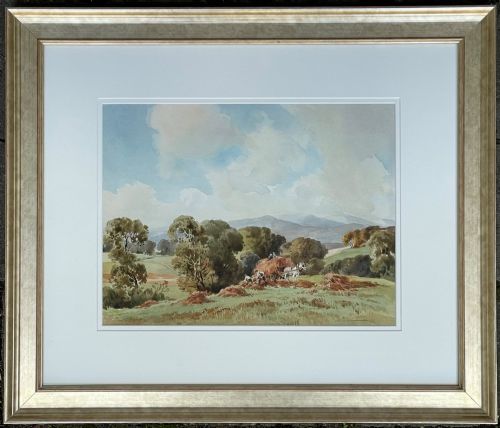
Artists applied oil paint to stretched canvas or wooden board, building rich textures and deep tones that capture changing light across fields and river valleys. Watercolours were painted on paper, employing fluid washes to render soft skies and rural waterways.
Canvases and wooden panels provide robust supports for oil compositions, while paper supports preserve delicate watercolour landscapes. Framed presentation behind glass protects works executed in watercolour from environmental moisture and surface damage.
Original Pastoral Painting Retail Price Guide 2026
Typical asking prices for original pastoral painting among the pieces listed under this phrase on Sellingantiques today, from the lower quarter to the upper quarter. They describe what is for sale here now, not the wider market.
Several sheep painted centuries ago still gaze placidly out from their wooden panels, undisturbed by passing art historians.
What varies in quality
The skill with which an artist handles light, shadow, and atmospheric perspective determines the visual depth of the landscape. Masterful brushwork brings animals and human figures to life with anatomical accuracy and expressive movement.
Compositional balance and the harmonious rendering of natural colour palettes separate accomplished works from routine topographical records. The preservation of the original paint surface or watercolour medium dictates the visual integrity of the piece.
William Langley·Eugène Verboeckhoven·Tom Campbell·John Horace Hooper·Thomas Sidney Cooper
The Original Pastoral Painting Glossary
- Pastoral
- A genre of art depicting rural life, shepherds, livestock, and agricultural landscapes. These scenes romanticise country pursuits and farming traditions.
- Oil paint
- Pigment suspended in a drying oil, typically linseed oil, utilised on canvas or wood panel. This medium allows for thick impasto application and subtle blending.
- Watercolour
- A paint consisting of colour pigments suspended in a water-soluble vehicle, applied to paper. It produces translucent washes and delicate tonal gradations.
- Wood panel
- A flat piece of timber utilised as a rigid support for oil paintings before canvas became dominant. These panels offer a stable surface that preserves fine detail.
- British Impressionism
- A late nineteenth and early twentieth-century painting movement focusing on light, colour, and everyday rural or coastal subjects. Practitioners employed visible brushstrokes to capture transient atmospheric effects.
Original Pastoral Painting: Frequently Asked Questions
How do I identify a Victorian pastoral painting?
Victorian pastoral paintings typically feature detailed depictions of livestock, farmworkers, and serene British countryside settings executed in oil or watercolour. The clothing of figures and the artistic style offer clear clues to the nineteenth-century period.
Many works bear signatures, dates, or framing styles consistent with nineteenth-century craftsmanship. Comparing the brushwork and subject matter to established artists of the era helps confirm the provenance.
What is the difference between oil and watercolour pastoral paintings?
Oil paintings utilise pigment bound in oil on canvas or wood panels, resulting in rich textures, deep tones, and opaque coverage. Watercolours use water-soluble pigments on paper, creating translucent washes and lighter effects.
Oils generally require sturdy frames without glass to protect the paint surface. Watercolours must be framed behind glass to shield the paper from humidity and handling.
Where should I hang a pastoral painting at home?
Hang pastoral paintings away from direct sunlight and excessive moisture to protect canvas, wood panels, and watercolours from fading or warping. Rooms with stable indoor temperatures provide the best environment for antique artworks.
Position the artwork at eye level in spaces where natural light enhances the painted tones. Complementing the piece with traditional wooden or gilded frames suits historical rural interiors.