




Original Paper Watercolour Artwork
When you search for original paper watercolour artwork, you step into a centuries-long tradition of fluid pigments on delicate grounds that bring direct, unrepeated scenes into a room.
Original Paper Watercolour Artwork
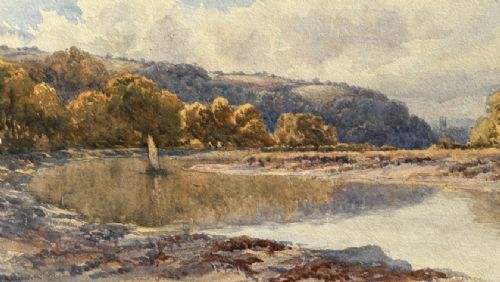
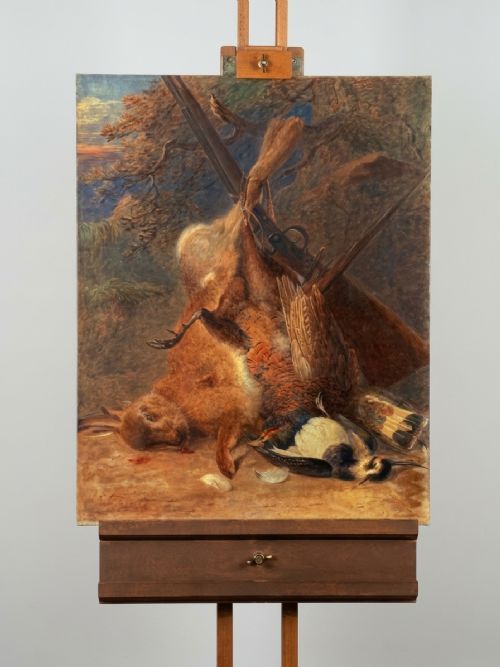
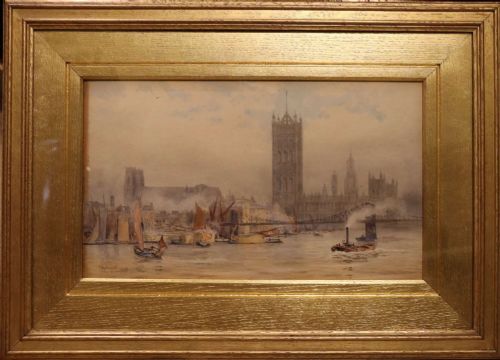
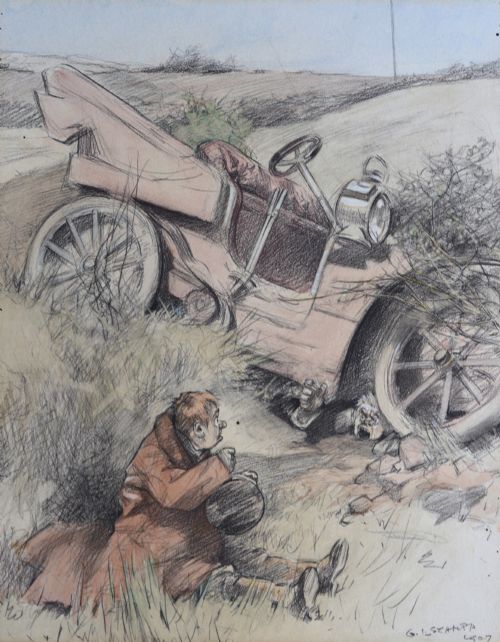
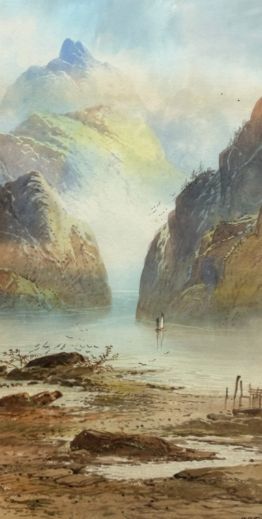
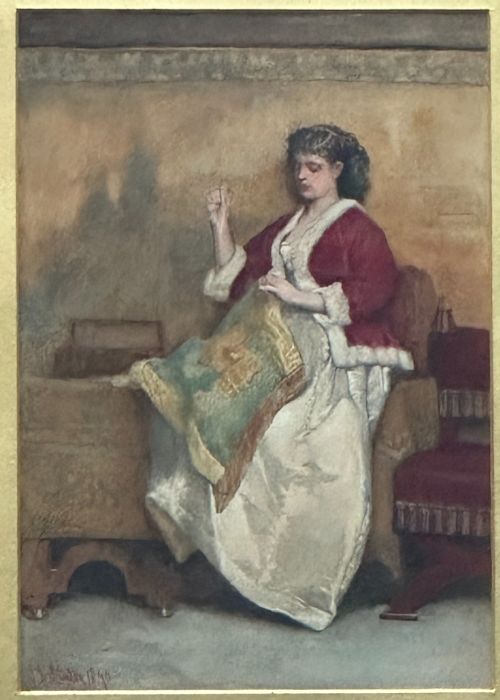
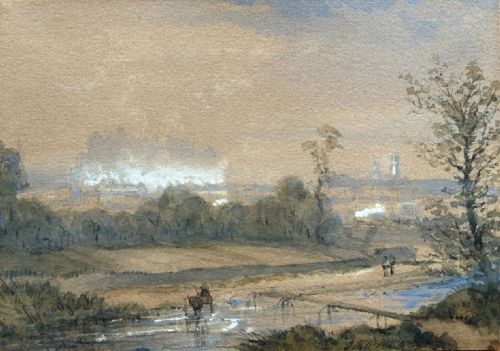
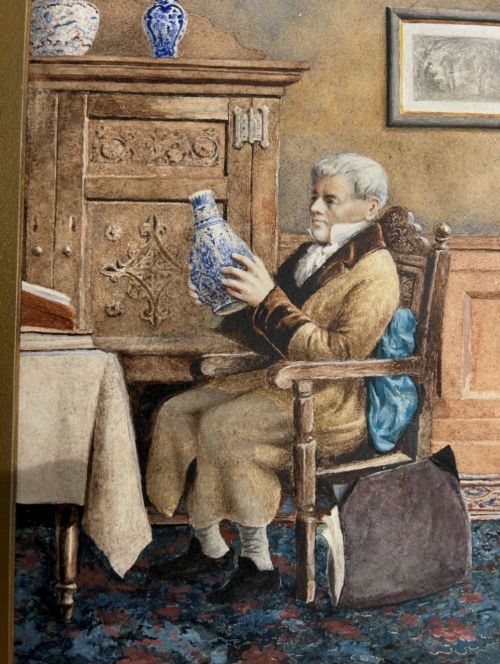
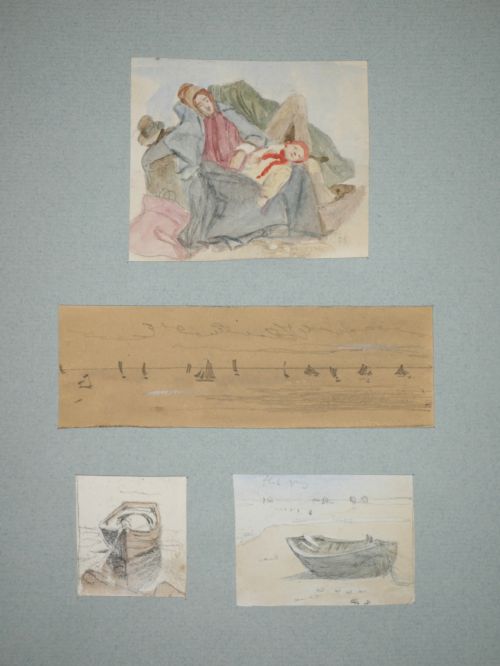
Original paper watercolour artwork comprises hand-painted compositions executed directly onto paper supports, spanning periods from the nineteenth century through the mid-twentieth century. Buyers encounter maritime scenes, architectural views of Venice, and pastoral landscapes recorded by British and European painters.
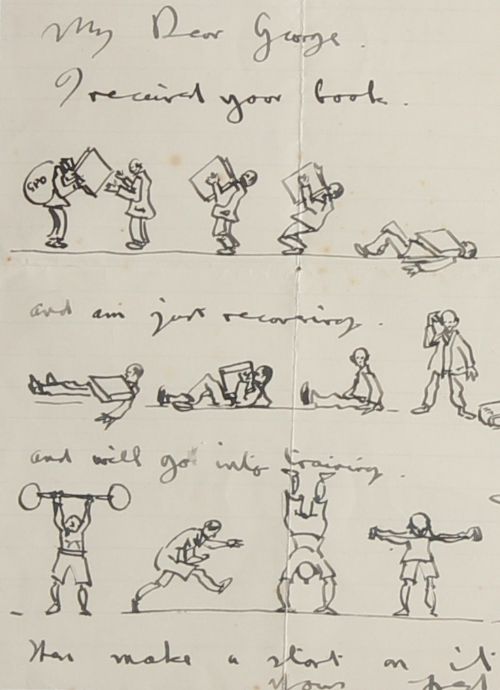
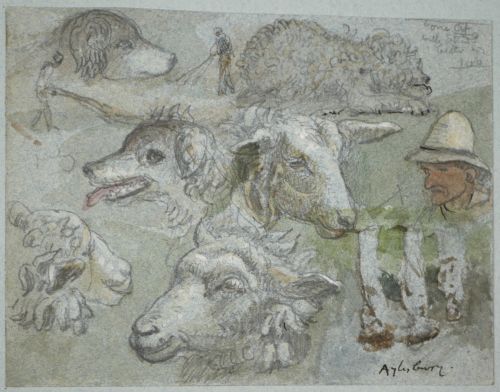
The material forms vary from intimate portrait sketches and ink-and-wash drawings to exhibition-sized framed watercolours and bodycolour studies. Works from the Victorian and Edwardian eras sit alongside later mid-century modern interpretations.
Subjects range from quiet rural villages and Scottish lochs to bustling market squares and coastal fishing boats. Each piece captures a singular moment through the transparent layering of water-soluble pigments.
Materials and Technique
Artists apply finely ground watercolour pigment suspended in a water-soluble binder onto absorbent paper surfaces, frequently incorporating graphite, ink, or bodycolour for added opacity and definition. The interaction between the wet brush and the paper ground determines the fluidity and luminosity of the finished image.
Protective framing under glass is standard for these pieces, shielding the delicate paper and fugitive pigments from atmospheric moisture and handling. Wooden frames often house the works, preserving the integrity of the fragile medium over decades.
Several artists packed their watercolours into tin boxes to brave the Scottish rain, capturing lochs while dodging Highland midges.
Assessing Quality
Quality rests upon the sureness of the brushwork and the artist's command over pigment transparency, where confident washes impart immediate atmosphere without muddying the paper. The strength of the composition and the precision of architectural or natural detail distinguish accomplished paintings from routine sketches.
The preservation of the paper ground and the vibrancy of the pigments relative to their age dictate the overall standing of a piece. Works that retain their original tonal depth without excessive fading or discoloration represent the higher tiers of the medium.
George Sydney Shepherd·George Lorain Stampa·James Orrock·William Henry Earp·Sir James Dromgole Linton·John R Prentice·Thomas Ellison·Alfred Young Nutt·Percy Lancaster·Henry Stacy Marks·James Smetham·A Marie Parsons·John McDougal·Robert Leslie Howey·James E Aitken·William Joseph Boyes·Henry Silkstone Hopwood·Muriel Metcalfe·Fred Lawson·John Smith Atherton·Hector Caffieri·Richard Henry Wright·Thomas Maidment·Alfred G Morgan·Russell Sidney Reeves
The Original Paper Watercolour Artwork Glossary
- Bodycolour
- Watercolour paint mixed with a white pigment to create an opaque finish. This technique allows artists to add highlights and solid areas of colour over transparent washes.
- Wash
- A thin, fluid layer of diluted watercolour pigment spread evenly across the paper. It provides transparent backgrounds and subtle tonal gradations in landscapes.
- Ink and wash
- A dual medium combining linear ink drawing with translucent watercolour washes. The ink establishes sharp contours while the pigment introduces atmospheric colour.
- Support
- The physical base material upon which the artwork is painted. In these listings, the support consists exclusively of historic paper.
- Provenance
- The documented history of ownership or the established origin of an artwork. It helps confirm the attribution of nineteenth- and twentieth-century paintings.
Original Paper Watercolour Artwork: Frequently Asked Questions
How do I care for watercolour on paper?
Keep these works away from direct sunlight to prevent the pigments from fading over time. Ensure they remain behind glass in a dry environment to protect the fragile paper ground from moisture.
Framing with acid-free mounts prevents chemical discoloration of the paper margins. Gentle dusting of the exterior frame is all that is required for routine maintenance.
What is the difference between watercolour and bodycolour?
Watercolour relies on translucent layers of pigment that allow the white of the paper to shine through and illuminate the scene. Bodycolour incorporates white pigment to make the paint opaque.
Artists use bodycolour to introduce solid highlights and dense focal points. Many nineteenth-century works combine both techniques on the same sheet.
How can I tell a Victorian watercolour from a later piece?
Victorian watercolours frequently employ precise draughtsmanship, detailed narrative subjects, and traditional landscape conventions. Later twentieth-century examples often move towards impressionistic washes and simplified forms.
The handwriting of signatures, framing methods, and the specific texture of the paper also offer clues to the period of creation.
Are ink and wash pieces considered watercolours?
Ink and wash drawings belong to the broader category of works on paper alongside pure watercolours. They combine linear ink work with fluid washes of pigment.
This hybrid method was favoured for topographical sketches and preparatory studies throughout the nineteenth and twentieth centuries.