




Original Painted Console Table
An original painted console table brings instant architectural character and historic surface depth to an entrance hall or living space.
Original Painted Console Table
An original painted console table spans forms such as narrow side tables, serving tables, and larger wall-fixing consoles originating from English, French, Italian, and Swedish workshops. These pieces date from the eighteenth century through to the Victorian era and the close of the nineteenth century, reflecting regional vernacular styles alongside formal neoclassical design.
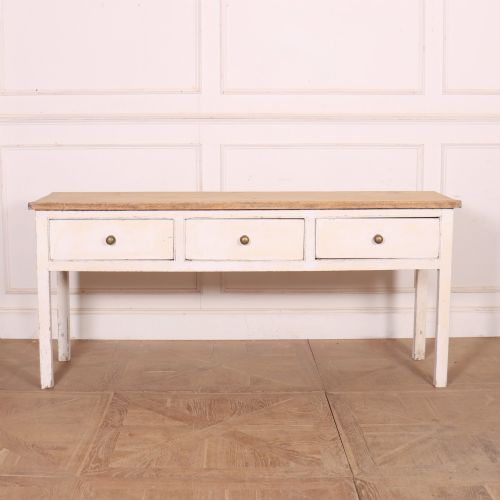
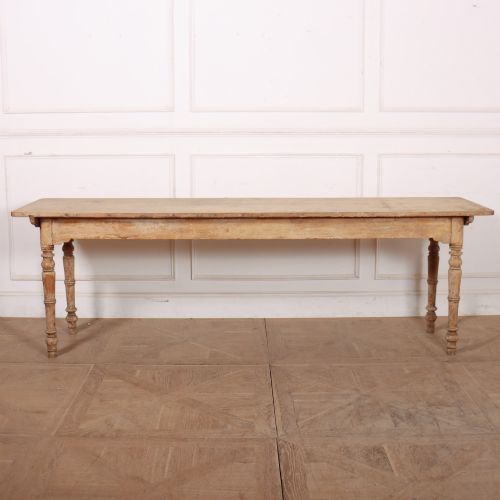
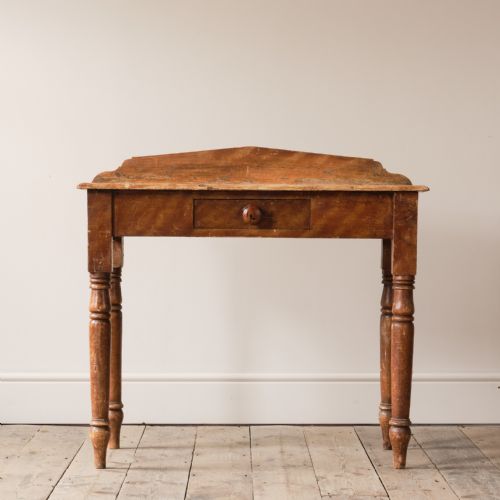
The version most frequently met on this page is the nineteenth-century pine console or side table, often finished in its first surface scheme of scumble glaze, ochre, or distressed polychrome decoration. Such tables combine utilitarian softwood construction with decorative painted charm, suiting both country house interiors and urban apartments.
Materials and construction
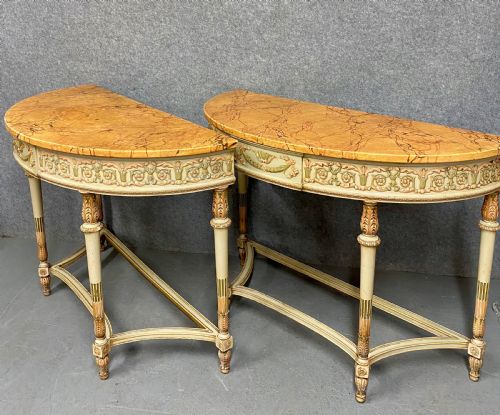
Pine and general painted wood form the primary structural body for the majority of these tables, providing a stable yet workable carcase for decorative surface treatments. Artisans applied layers of paint, scumble glaze, and occasionally gesso and giltwood details to enrich the visual texture.
More formal interpretations incorporate specialised decorative elements including applied Wedgwood plaques and carved wooden components. These finishes were handled with techniques characteristic of English country, Neoclassical, Louis XVI, and Regency aesthetics.
Original Painted Console Table Retail Price Guide 2026
Typical asking prices for original painted console table among the pieces listed under this phrase on Sellingantiques today, from the lower quarter to the upper quarter. They describe what is for sale here now, not the wider market.
Materials recorded across the inventory include solid pine, painted wood, brass, giltwood, gesso, and scumble glaze.
Assessing quality and surface integrity
Quality rests primarily in the survival and unaltered state of the surface decoration, distinguishing authentic historic paint layers from later decorative overpainting. Tables that retain their original ochre, scumble, or distressed polychrome finishes without heavy modern restoration command greater interest from collectors.
Structural integrity and the refinement of form further separate examples, from simple vernacular pine tables to sophisticated kidney-shaped writing desks fitted with brass and ceramic plaques. The balance of proportions, joinery execution, and the integration of decorative details dictate the standing of each piece.
The Original Painted Console Table Glossary
- Console table
- A table designed to stand against a wall, traditionally supported by brackets or front legs because the rear was fixed to the architectural structure.
- Scumble glaze
- A translucent or semi-opaque layer of pigmented oil or varnish dragged over a lighter ground to simulate grain or create mottled surface movement.
- Giltwood
- Timber that has been coated with fine gold leaf or metal powder, commonly seen on neoclassical and continental decorative furniture.
- Gesso
- A plaster-like mixture applied to wood surfaces as a smooth base for painting or gilding.
- Faux bamboo
- A decorative treatment where wood is carved and painted to imitate natural bamboo stalks, popular during the Regency period.
Original Painted Console Table: Frequently Asked Questions
Where should I place a console table?
These tables suit narrow circulation spaces, hallways, and living rooms where a shallow surface is required against a wall. They function well beneath mirrors or artwork.
Because many examples were built as serving or side tables, they offer practical top space while maintaining a slim profile that does not crowd the room.
How do I care for original painted surfaces?
Historic painted finishes require gentle maintenance using a dry or barely damp microfiber cloth to remove dust. Avoid chemical sprays, abrasive cleaners, and direct sunlight.
Keeping the table in a room with stable humidity prevents the underlying wood from expanding and causing the historic paint layers to flake.
Are these tables sturdy enough for daily use?
Most pine and hardwood examples are structurally sound for supporting lamps, books, and decorative objects. However, wall-fixing consoles may require proper anchoring for complete stability.
Reviewing the construction of the legs and joints helps determine whether a table is suited for active daily service or primarily decorative placement.
How can I tell if the paint is original?
Original paint displays natural wear patterns, craquelure, and subsurface oxidation consistent with age rather than artificial distressing. Examining edges and protected underside areas often reveals early ground layers.
Comparing the pigment characteristics against known period palettes helps confirm whether the finish dates to the construction of the table.