



Original Paint Pine Drawers
Original paint pine drawers bring honest surface history and utility into a room, spanning periods from the Georgian era through to Victorian country pieces.
Original Paint Pine Drawers
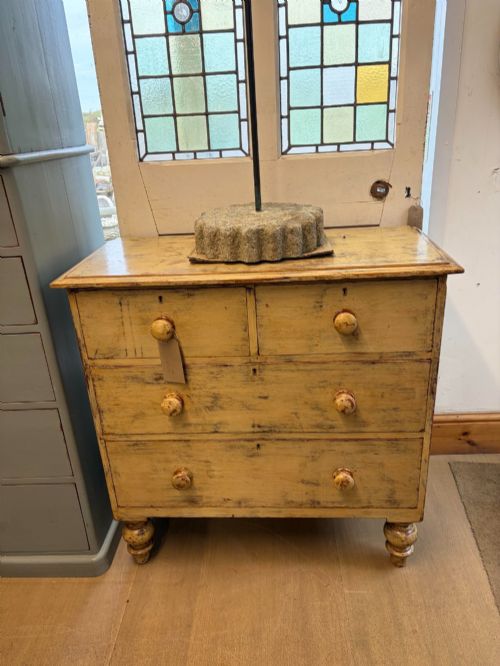
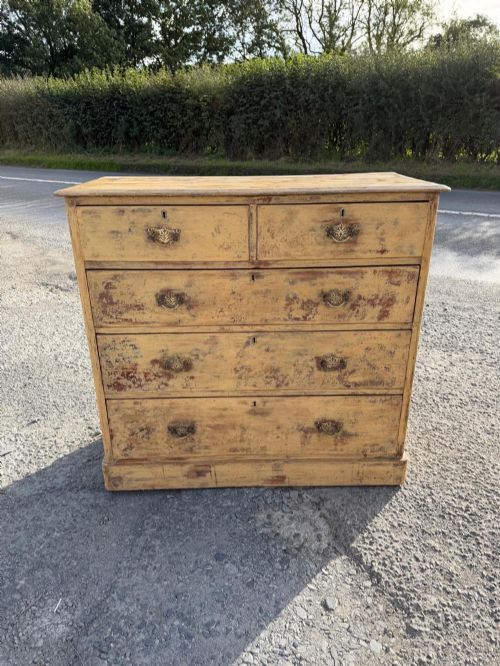
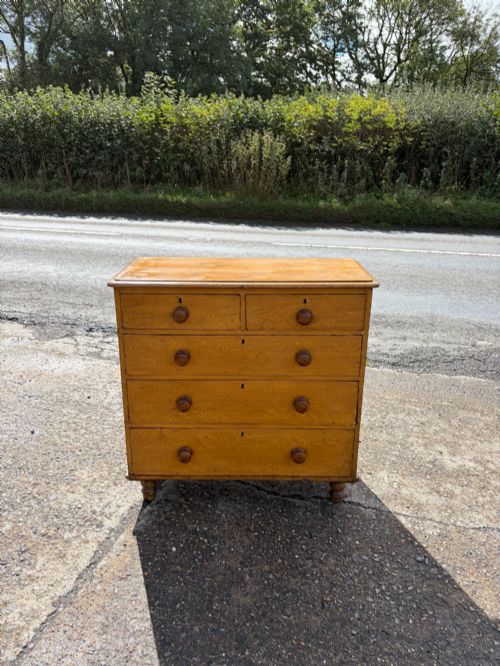
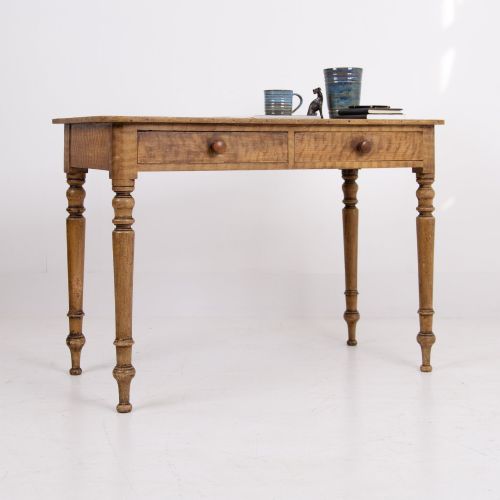
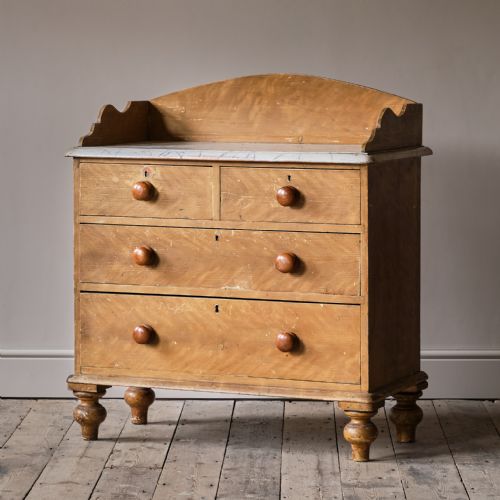
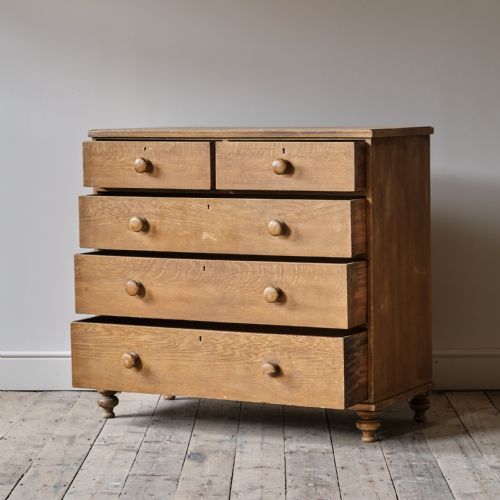
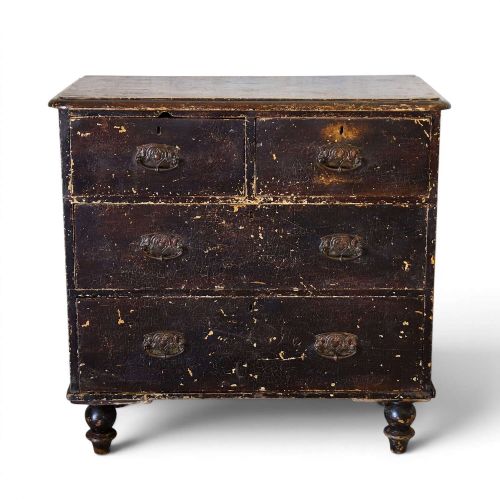
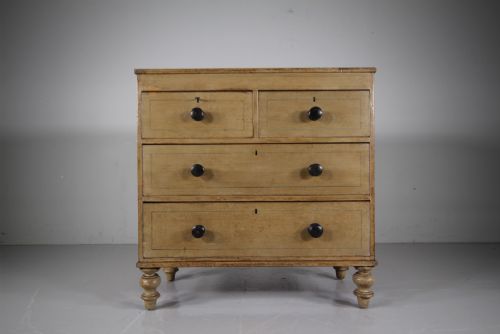
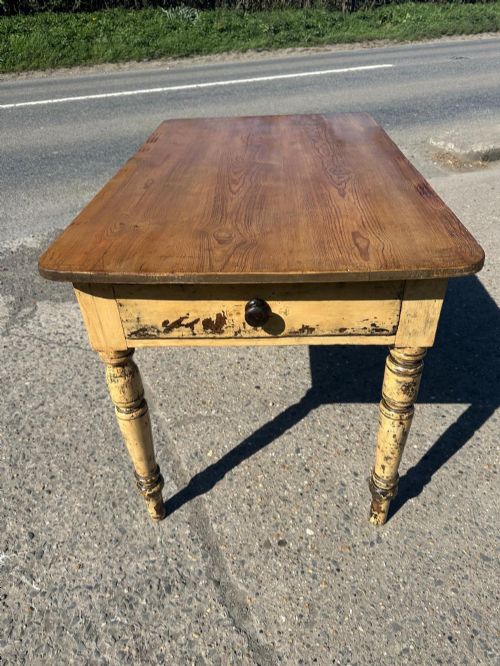
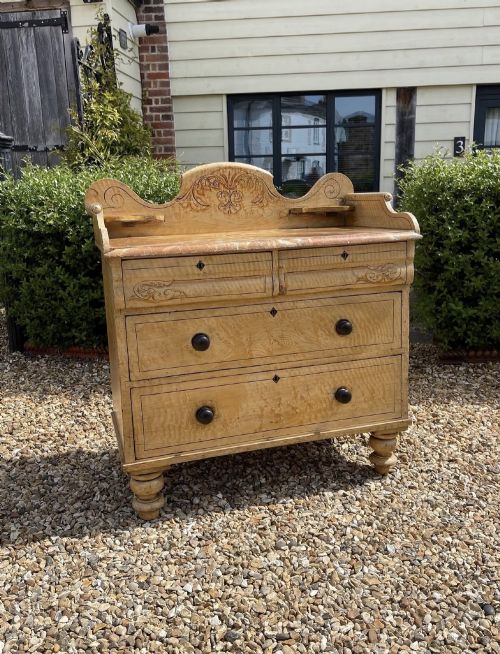
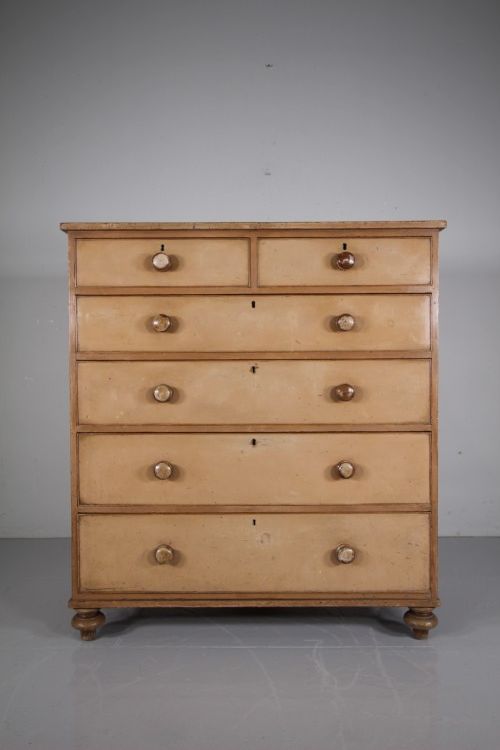
Original paint pine drawers encompass utilitarian furniture pieces that retain their early surface treatments rather than stripped or modernised timber finishes. Buyers seeking original paint pine drawers will encounter chests of drawers, dresser bases, and washstands primarily originating from the nineteenth century and the Victorian period.
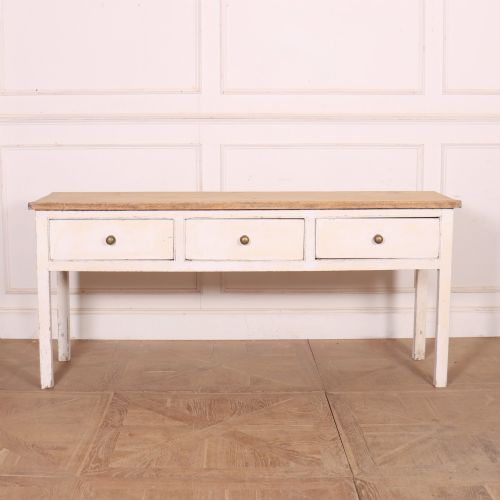
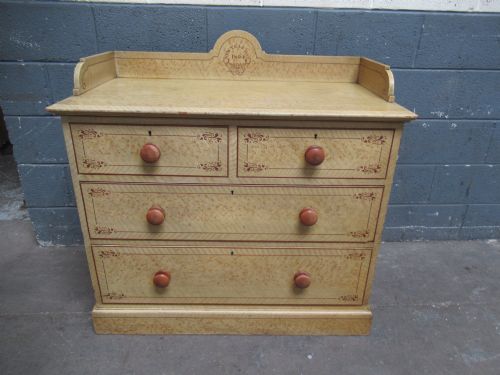
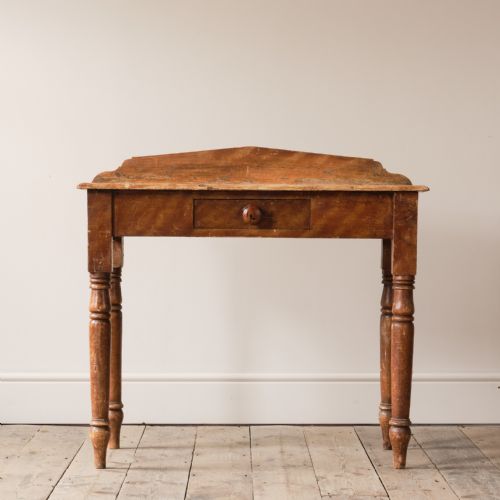
The selection ranges from simple two-over-three drawer chests to larger kitchen dressers, side tables, and shop fittings. English and continental workshops produced these items for domestic and commercial use, often applying scumble glazes, graining, or solid colours such as green, blue, and black.
Victorian examples dominate the selection, frequently featuring standard configurations like two small drawers above three larger ones. Alongside these, Georgian pieces and regional items from Scotland, Hungary, and Austria appear, demonstrating diverse local traditions in painted softwood.
Materials and Construction
Makers constructed these pieces using solid pine as the primary softwood, supplemented by brass or metal hardware for handles, escutcheons, and pulls. Iron fittings and ceramic components occasionally appear on drawers and cabinet doors, depending on the specific domestic or regional utility of the item.
Surfaces received decorative treatments including original paint, scumble finishes, and applied graining to emulate more expensive hardwoods or to provide a durable coloured coat. Craftsmen brushed or wiped these protective and decorative layers directly onto the pine timber, leaving the patinated coats visible today.
Original Paint Pine Drawers Retail Price Guide 2026
Typical asking prices for original paint pine drawers among the pieces listed under this phrase on Sellingantiques today, from the lower quarter to the upper quarter. They describe what is for sale here now, not the wider market.
A sixteenth-drawer shop fitting demonstrates that pine furniture was built to organise everything from buttons to apothecary supplies.
Assessing Quality and Character
Quality rests primarily in the integrity and survival of the original surface coat rather than pristine perfection. Pieces with untouched scumble, layered graining, or early regional pigments hold greater visual and historic interest than those with compromised or heavily retouched finishes.
Construction details also separate standard utility items from finer workshop output, observed in the thickness of the pine, the dovetailing of drawer boxes, and the retention of original hardware such as brass handles and ceramic knobs.
The Original Paint Pine Drawers Glossary
- Scumble paint
- A translucent or opaque glaze dragged or brushed over a lighter base colour to simulate wood grain or create textured patterns. This technique was widely utilised on nineteenth-century country furniture.
- Dresser base
- The lower section of a kitchen or dining room dresser, typically comprising cupboards and drawers beneath a solid wooden top. These items served for food preparation and storage in domestic settings.
- Washstand
- A specialised table or small cabinet designed to hold a basin and jug for personal washing, often incorporating low splashbacks or small drawers. They reflect nineteenth-century bedroom routines before plumbed bathrooms.
- Wellington chest
- A tall, narrow chest of drawers secured by a hinged vertical locking side bar that fastens with a key. This design protected personal papers and valuables in nineteenth-century interiors.
- Settle
- A wooden bench with high solid backrests, solid arms, and often a storage compartment beneath the seat. They stood near hearths in taverns and country houses to block draughts.
Original Paint Pine Drawers: Frequently Asked Questions
What periods do these painted pieces cover?
The selection spans from the eighteenth century through the Georgian and Regency eras into the Victorian period and the start of the twentieth century. Most examples date from the nineteenth century.
Craftsmen built these items from pine across British and continental European workshops, preserving the aesthetic tastes of each respective decade.
How do I care for original painted surfaces?
Keep painted pine furniture away from direct sunlight and excessive moisture to prevent the historic pigments from fading or lifting. Dust gently with a dry, soft cloth rather than using liquid polishes.
Harsh chemical cleaners will strip or dissolve aged scumble glazes and early paint layers, destroying the surface patination.
What is scumble paint?
Scumble paint involves applying a tinted glaze over a solid base coat and manipulating it with combs, rags, or brushes to create faux wood grain or mottled textures. Nineteenth-century makers utilised this method to elevate inexpensive softwood.
Over decades, this technique developed a distinct cracked or softened texture valued by collectors of country furniture.
Were these drawers used in kitchens?
Many pine chests, dresser bases, and multi-drawer units served in domestic kitchens, pantries, and sculleries for storing dry goods, linens, and utensils. Their durable softwood construction suited utilitarian work areas.
Shop fittings and larger cupboards also feature in this category, having functioned in commercial spaces before entering the domestic market.