





Original Oil Portrait Board
An original oil portrait board offers intimate character studies executed directly onto rigid supports spanning from the nineteenth century through the mid-twentieth century.
Original Oil Portrait Board
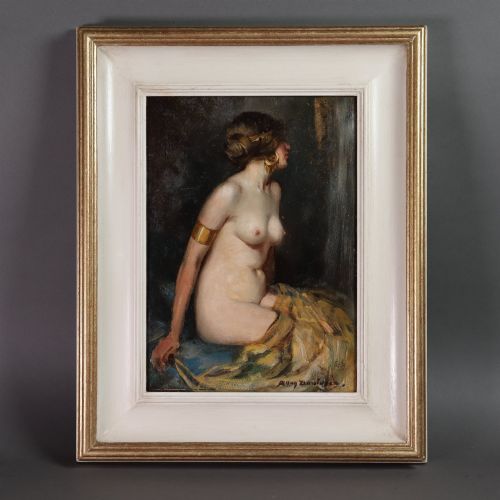
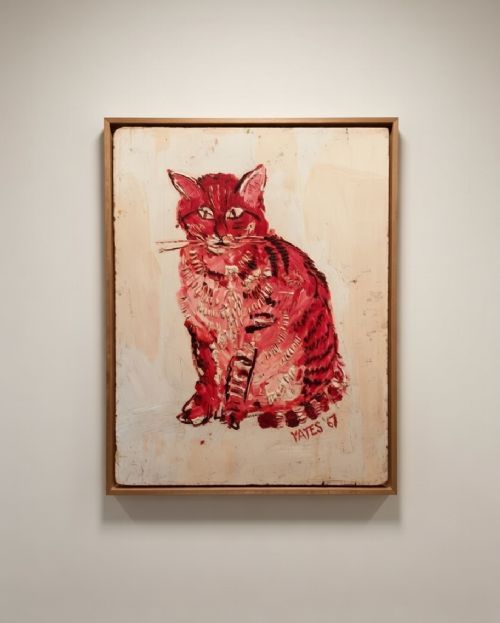
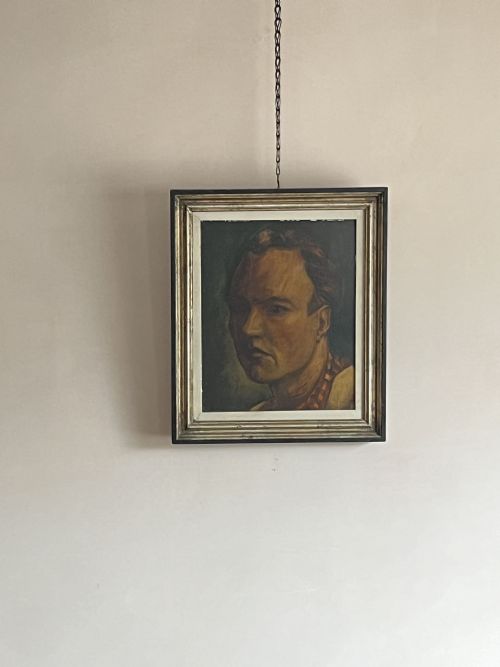
An original oil portrait board captures human, animal or interior subjects painted directly onto wood, artist board, panel or canvas laid onto rigid backing. These works range from nineteenth century academic studies to mid-century modernist interpretations by British and international artists.
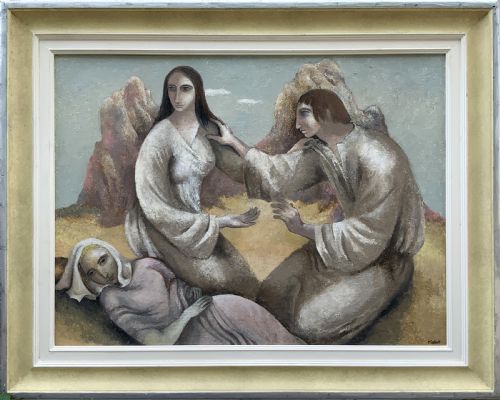
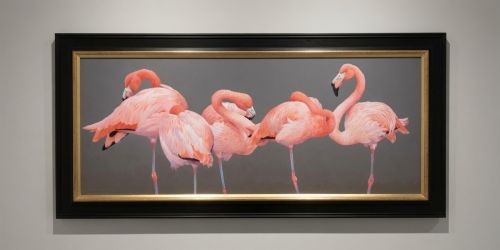
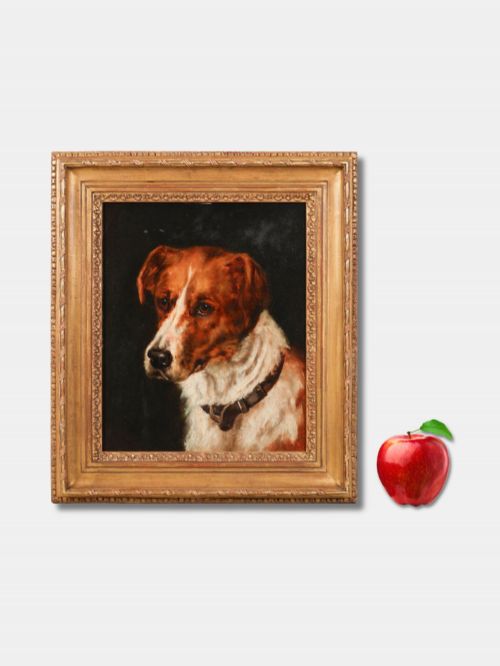
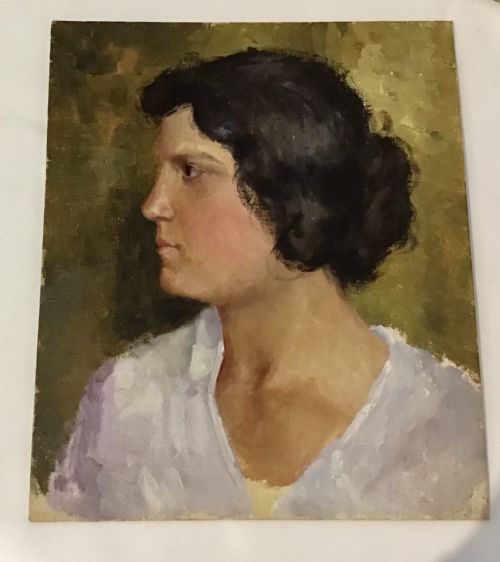
Buyers encounter numerous depictions ranging from domestic pets and named sitters to anonymous figures, children, and reclining models. The selection heavily favours twentieth century expressions, including Edwardian academic realism and mid-century modernist approaches.
Such paintings offer a direct window into historical portraiture without the vulnerability of stretched canvas. The rigid support provides stability while preserving the immediate brushwork and impasto texture applied by the artist.
Materials and Construction
Artists painted using oil colours applied to various firm substrates, including prepared wood panels, composite boards, or canvas laid down onto rigid boards. These sturdy supports prevented the warping and sagging often associated with unsupported fabrics over long periods.
The application involves traditional oil paint media, sometimes built up in heavy impasto strokes or thinned for translucent glazes. Gilt frames frequently accompany these works, providing period housing that complements the painted surface.
Listings feature oil portrait boards spanning from the early nineteenth century through the mid-twentieth century, including works by named British and American artists.
Assessing Artistic Merit
Quality rests upon the confidence of the brushwork and the psychological depth captured in the sitter's expression. Superior examples demonstrate a masterly understanding of light, shadow, and anatomy rather than mere photographic replication.
The handling of the medium itself distinguishes accomplished hands from routine production, where thick impasto or delicate glazing reveals genuine technical skill. Provenance, named sitters, and documented artist attributions further elevate the standing of individual works.
Christine Nesbit·David Orr Kerr·Allan Douglas Davidson·Septimus Scott·Hans Temple·Fred Yates·Raymond Arthur Roadnight·Richards Rubin·Allan Gwynne-Jones·Charlotte Blakeney Ward·William Shuter·Walter Goodin·Philip Naviasky·James Dromgole Linton·Elias M Bancroft
The Original Oil Portrait Board Glossary
- Board
- A rigid flat surface made of wood, pulp, or compressed material used as a painting support instead of stretched canvas.
- Impasto
- Paint applied thickly to a surface, leaving visible brush or palette knife marks that stand proud of the plane.
- Panel
- A flat piece of wood or other solid material serving as a support for oil paintings.
- Canvas laid on board
- A technique where an existing canvas painting or blank fabric is permanently adhered to a rigid backing board for stability.
- Academic realism
- A style of painting taught in European art academies that emphasises precise anatomical accuracy, smooth finishes, and traditional subject matter.
Original Oil Portrait Board: Frequently Asked Questions
What is an oil portrait board?
An oil portrait board is a painting executed in oil media directly onto a rigid flat support rather than a flexible canvas stretched over wooden bars.
These supports typically consist of wood, millboard, or artist panel, offering artists a stable and enduring surface for detailed or expressive character studies.
How do I care for an oil portrait board?
Keep the painting away from direct sunlight, excessive heat sources, and damp environments to protect both the wooden support and the oil paint layer.
Display the work in stable indoor conditions and dust the surface gently with a soft, dry brush without applying liquid cleaners.
How can I date an oil portrait board?
Dating relies upon stylistic cues in the subject's clothing and hair, artist signatures, framing materials, and the physical characteristics of the board itself.
Twentieth century pieces often display modernist or impressionistic tendencies, whereas nineteenth century examples lean towards academic realism and formal portrait conventions.
Why did artists paint on boards instead of canvas?
Boards provided a portable, inexpensive, and immediate surface that required no complex stretching preparation before the artist began painting.
Many painters favoured rigid panels for plein air studies and quick portrait commissions because the firm backing withstood vigorous brushwork and travel.