
Original Oil Portrait Artwork
Original oil portrait artwork brings centuries of human presence into a room through paint layered on canvas, panel and board.
Original Oil Portrait Artwork
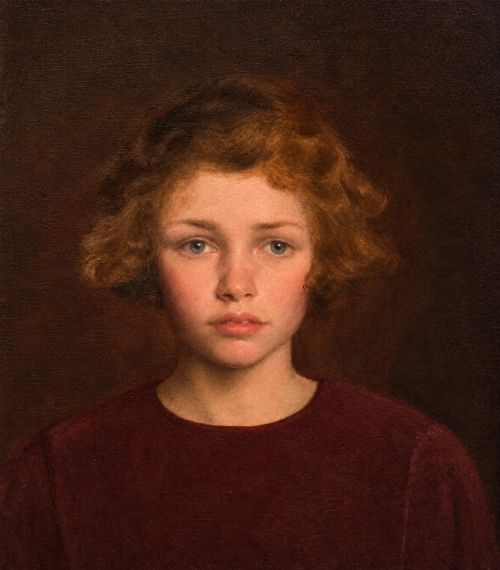
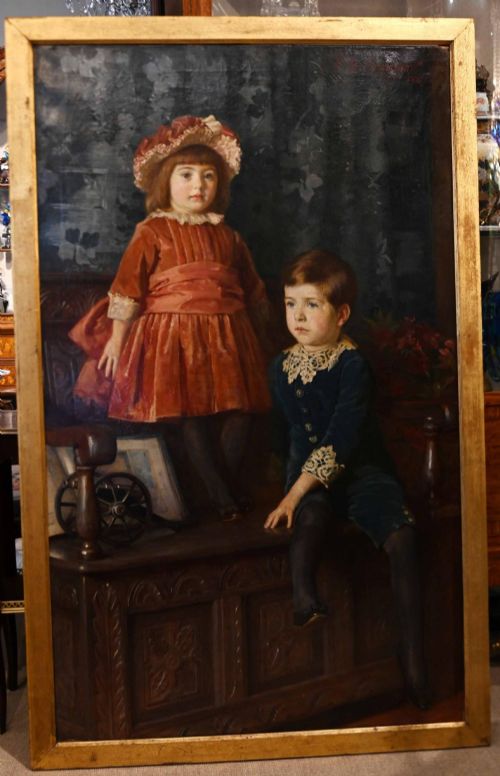
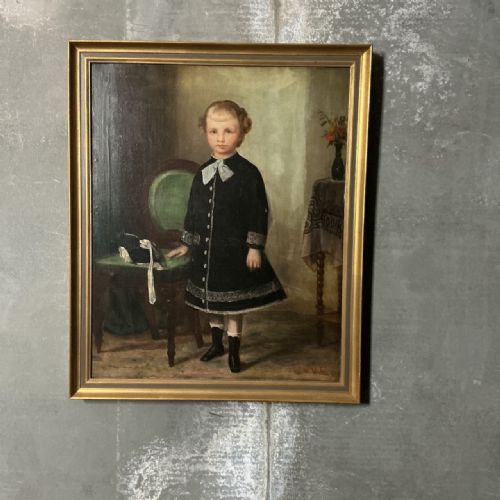
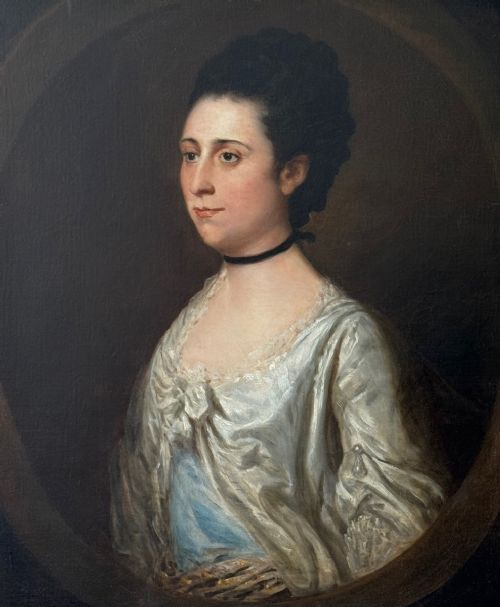
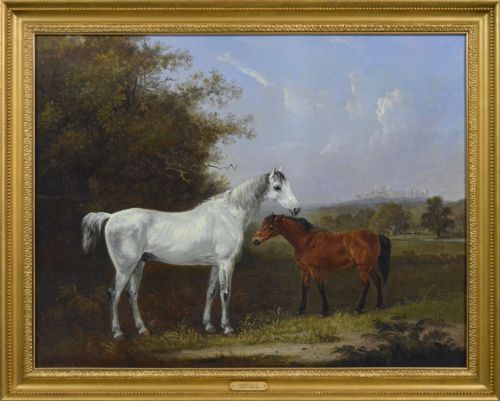
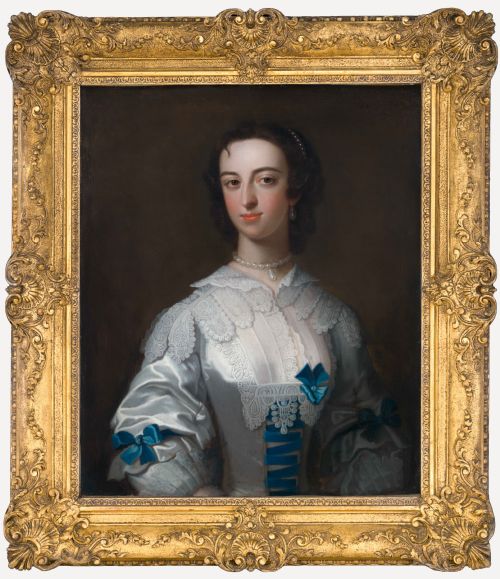
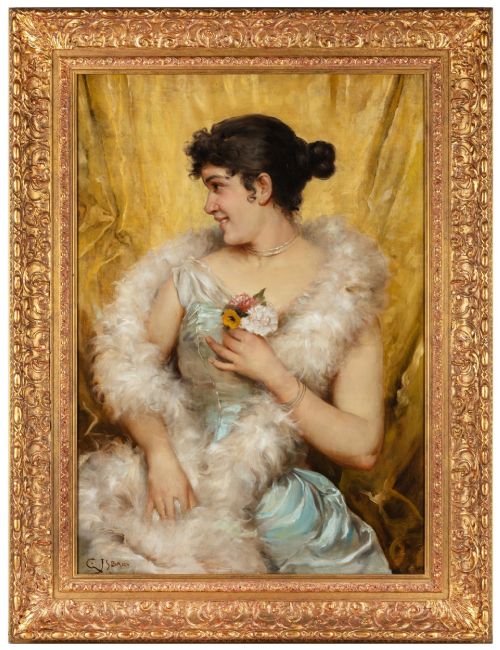
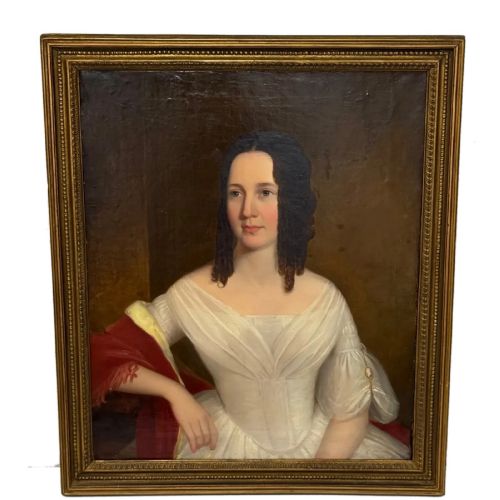
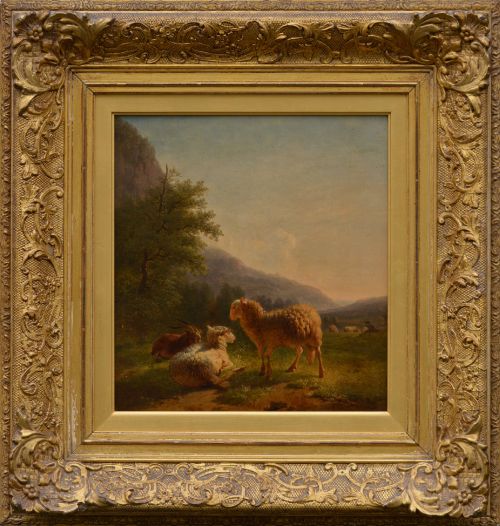
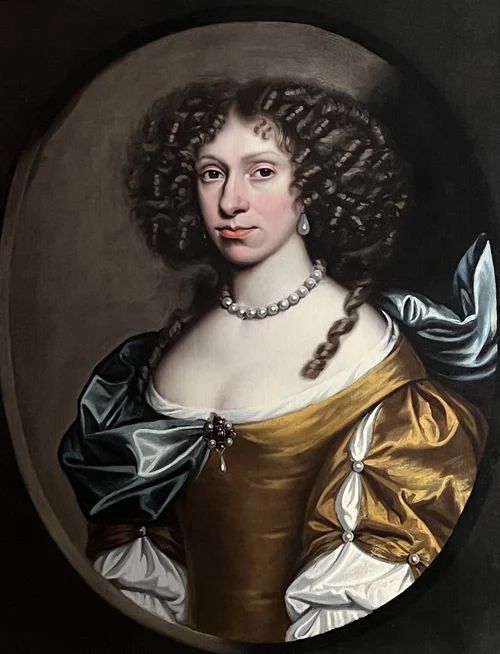
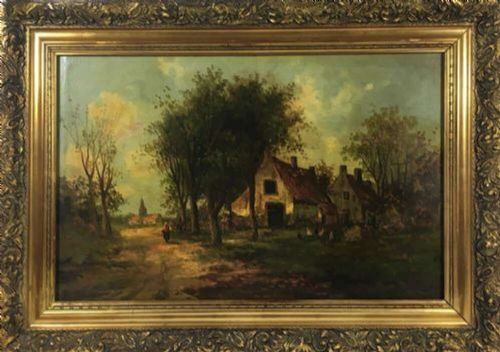
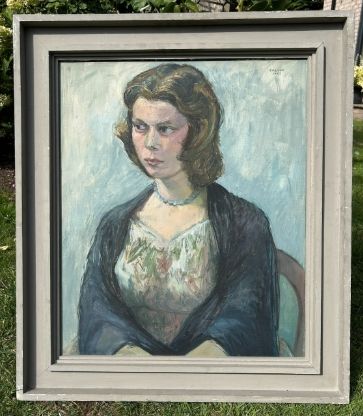
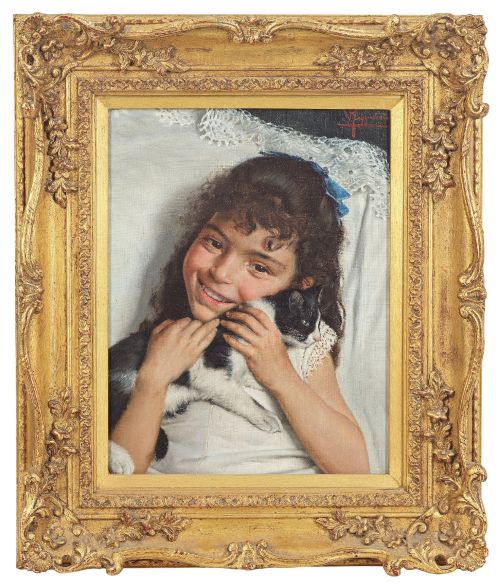
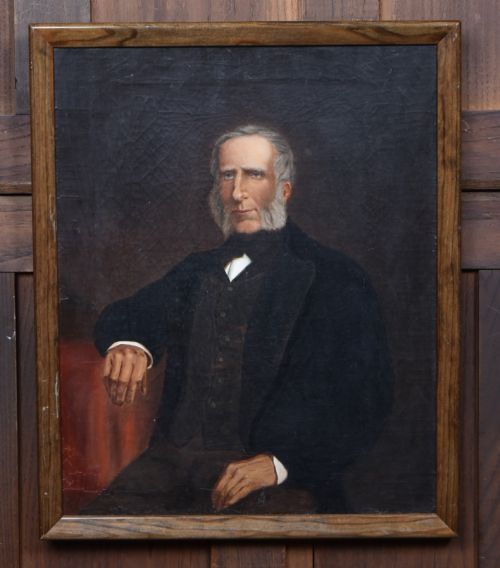
Original oil portrait artwork encompasses painted representations of individuals, families and animals created across multiple centuries from the seventeen hundreds through the mid twentieth century. Buyers seeking original oil portrait artwork encounter everything from stately Georgian and Regency panel paintings to expressive mid twentieth century canvases and academic realism. The selections span diverse British and continental schools, capturing sitters ranging from named architects and aristocrats to anonymous children, ladies and gentlemen.
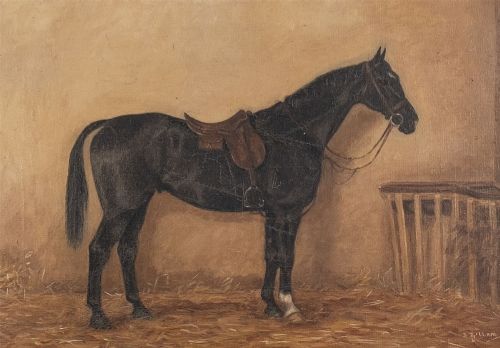
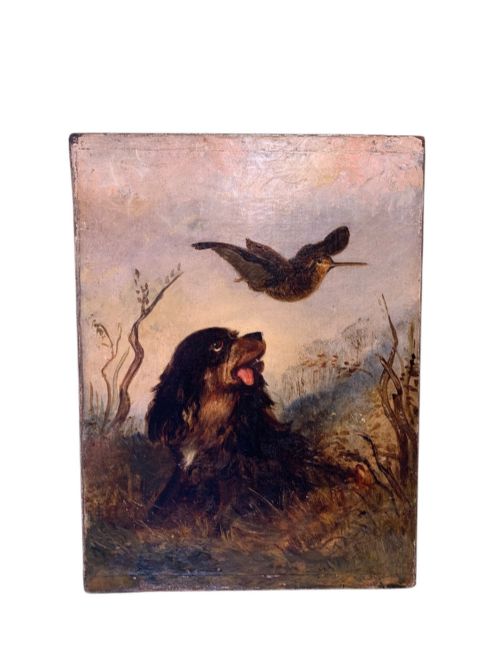
The most common examples on this page date from the nineteenth century, reflecting the widespread Victorian and academic traditions of oil painting. These pieces frequently present sitters in formal or domestic settings, executed on canvas or board and housed within period frames of giltwood and wood. Alongside human subjects, the selection extends to animal portraiture, including esteemed racehorses, spaniels and working dogs rendered in the same oil medium.
Works attributed to identified artists sit alongside pieces from the British School and continental workshops, offering a wide spectrum of historical representation. Whether searching for a moody seventeenth century canvas or a vibrant nineteen fifties ballerina study, the category provides direct physical contact with historical portraiture traditions.
Materials and Techniques
The primary vehicle for these works is oil paint, applied to woven canvas stretched over wooden frames or laid directly onto wooden panels and rigid boards. Artists built the image through successive layers, utilising the slow drying time of oils to blend tones, adjust shadows and capture the subtle play of light across human skin and fabric.
Support materials varied according to period and workshop practice, with earlier works often favouring wooden panels before canvas became standard for larger formats. Frames constructed from wood and finished with giltwood provided structural support and visual definition, completing the physical object as a unified artefact.
The selection includes animal studies alongside human subjects, encompassing racehorses and working dogs rendered in oil.
Assessing Quality and Execution
The condition of the paint surface and the originality of the mounting also influence the standing of a piece. Works retaining their original giltwood framing and stable, untouched paint layers offer a more complete historical integrity than those compromised by heavy restoration or unsympathetic overpainting.
Joseph Clover RA·David Scougall·Albert Clark·John Opie RA·Harold Knight RA
The Original Oil Portrait Artwork Glossary
- Oil on Canvas
- A painting technique where pigment suspended in drying oils is applied to a stretched woven fabric support. This combination allows for rich colour blending and textured impasto effects.
- Panel
- A flat piece of wood used as a rigid substrate for painting instead of flexible canvas. Wooden panels were particularly common in earlier centuries before large canvas stretching became widespread.
- Giltwood
- Wood carved and coated with a thin layer of gold leaf or metallic gilt powder. This finish was standard for ornate period frames designed to complement fine oil paintings.
- Academic Realism
- A style of painting promoted by nineteenth century European art academies emphasising precise draughtsmanship, smooth finishes and classical subjects. It represents the rigorous technical training of the period.
- Impasto
- Paint applied thickly to a canvas so that it stands out distinctly from the surface. This technique preserves the physical gesture of the artist's brush.
Original Oil Portrait Artwork: Frequently Asked Questions
How do I care for an oil portrait?
Keep paintings away from direct sunlight and steady humidity levels to prevent cracking in the oil layer. Dust the canvas gently with a soft dry brush without applying moisture or cleaning solutions.
Avoid hanging pieces above active heat sources or in damp environments like unheated rooms. Proper framing helps protect the reverse of the canvas from environmental fluctuations.
What periods do these paintings cover?
The inventory spans from the seventeenth century through the mid twentieth century. Earlier examples showcase seventeenth century and Georgian portrait conventions.
Later works extend into Victorian realism, Edwardian studies and mid century modern interpretations. This broad timeline demonstrates changing artistic tastes across three hundred years of portraiture.
Are all portraits painted on canvas?
While canvas is the predominant support material, many works utilise alternative surfaces. Wooden panels and rigid boards appear frequently, particularly among earlier or smaller scale pieces.
The choice of support often reflects the period and the artist's specific preference for working on a flexible weave or a solid ground.
Can I identify unknown sitters?
Identifying unnamed sitters requires researching period dress, hairstyles and any visible heraldic devices or background clues. Family papers or exhibition records sometimes provide links to lost identities.
Many historic portraits remain anonymous, valued primarily for their artistic merit, costume detail and atmospheric presence rather than the biography of the subject.