



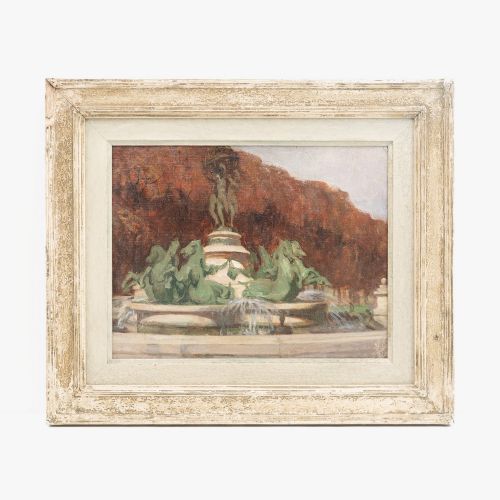
Original Oil on Board Landscapes
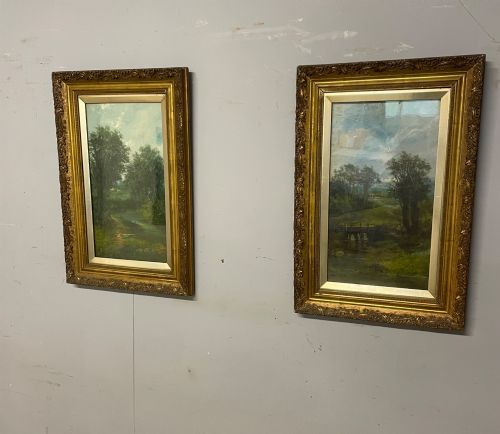
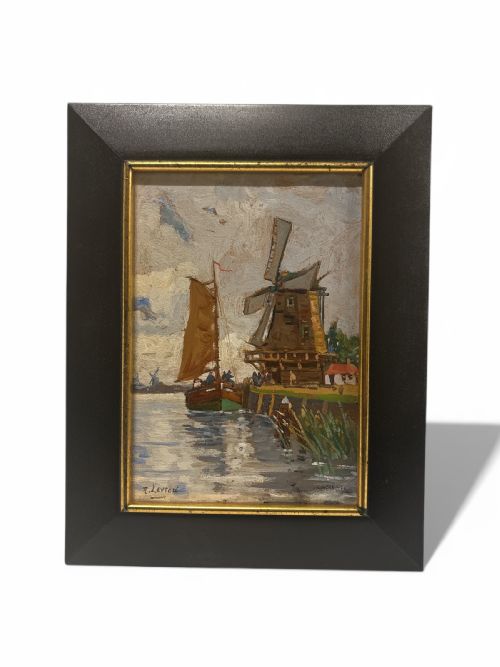
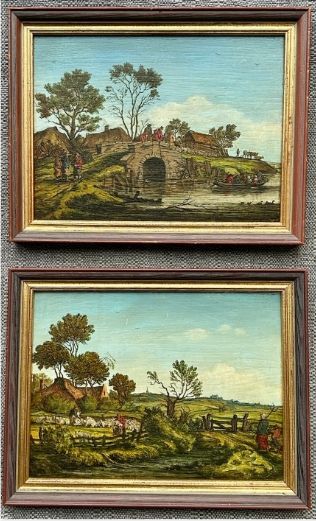
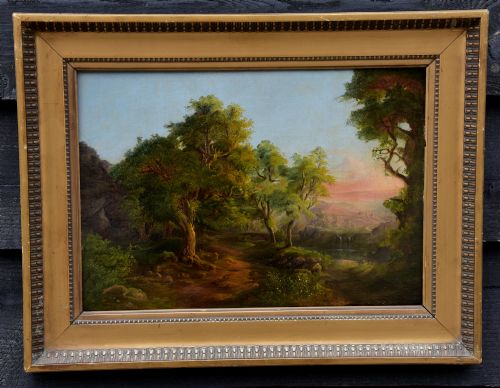
Original oil on board landscapes capture outdoor scenes through direct brushwork on rigid supports across several centuries.
Original Oil on Board Landscapes
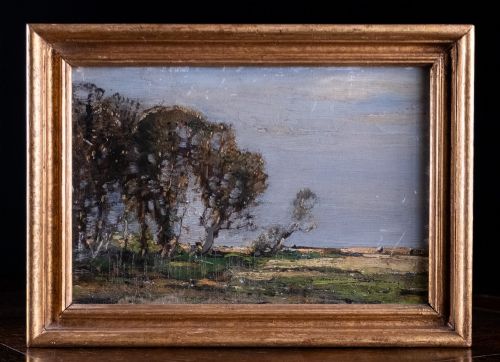
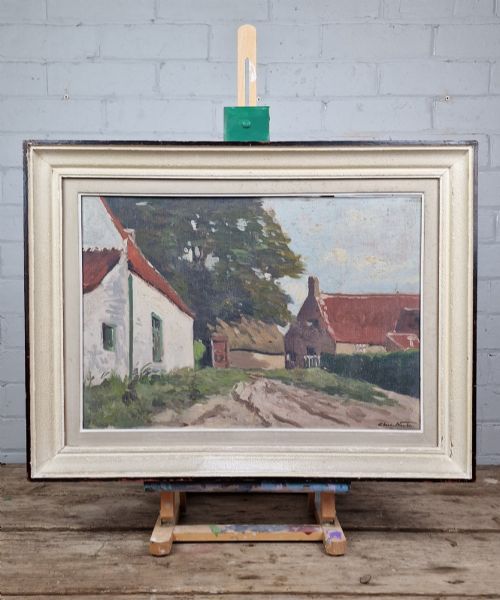
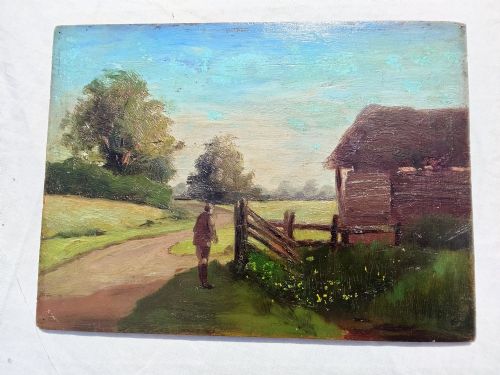
Original oil on board landscapes comprise painted outdoor and rural views executed directly onto wooden panels, card, or composite boards rather than stretched canvas. These works range from small plein-air studies hastily captured in fields to finished compositions produced within the studio.
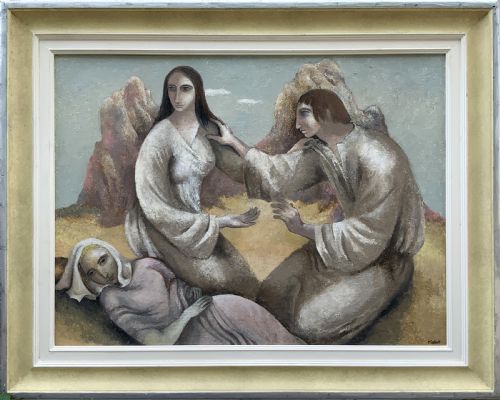
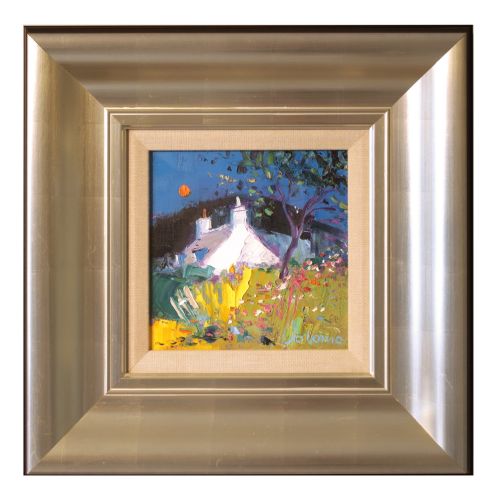
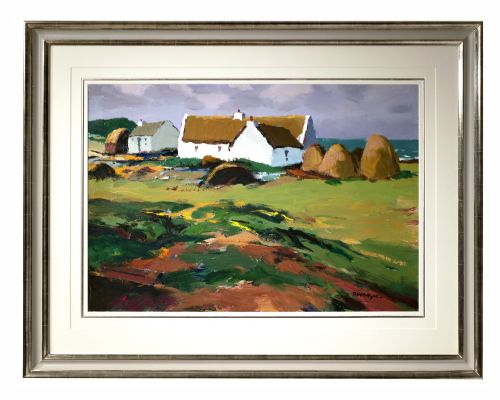
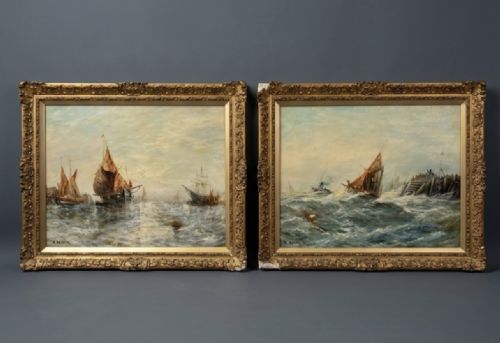
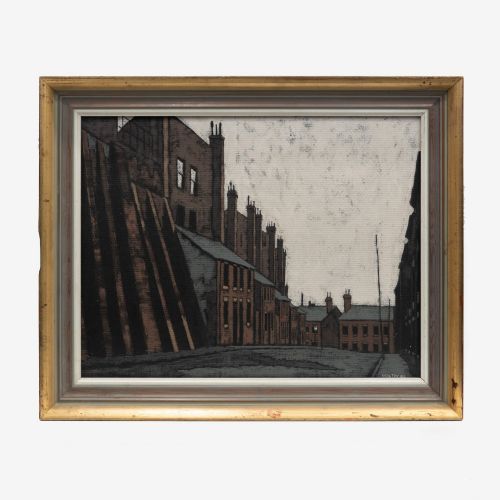
The selections available here span from nineteenth-century Victorian and Edwardian examples through to mid-century modern, post-impressionist, and industrial townscapes. Buyers frequently encounter British and European regional views, featuring coastal harbours, Yorkshire farms, and quiet rural lanes.
Artists favoured board for its rigid support, allowing vigorous brushwork and impasto texture without the give associated with woven fabric. This medium often preserves the immediate hand of the painter in a portable format suited to domestic framing.
How they were made
Makers applied oil paint using brushes and palette knives directly onto prepared wooden panels, millboard, or wooden blocks. The ground preparation underneath varied, sometimes showing primed white surfaces or dark tones left to peek through the transparent glaze layers.
Pigments bound in linseed oil were built up in layers, occasionally utilising thick impasto techniques where the paint stands proud of the surface. Many nineteenth and twentieth-century works were executed outdoors to capture natural light before being housed in gilt wood frames.
Several panels still carry old studio sale stamps and exhibition labels on their reverse sides, revealing their long journeys into the present day.
What varies in quality
Quality rests upon the confidence of the brushwork and the artist's ability to capture light and atmosphere within the chosen topography. Superior pieces display purposeful handling of pigment and balanced composition rather than mechanical execution or formulaic colour mixing.
The relationship between the support and the paint layer also distinguishes examples, as stable boards prevent the cracking and flaking seen in lesser preparations. Original framing in period gilt wood further enhances the integrity of surviving works.
Kenneth Cozens·R Leyton·W Klombeck·Kershaw Schofield·Charles Houben·Christine Nesbit·John Lowrie Morrison·Donald McIntyre·Stuart Walton·Florence Adelina Hess·Alexander Jamieson·Fred Yates·Everett Watson Mellor·George Morland·Joan Gillchrest·James Fry·William JB Jenkins·John Constable·R Palnay·John Bell·William Greaves·John Frederic Greenwood·H Thomas·C Harrison·Hugh Vane Turner
The Original Oil on Board Landscapes Glossary
- Board
- A rigid flat support made from wood, millboard, or composite material used as a base for painting. It provides a firm resistance against the pressure of the brush.
- Impasto
- Paint applied thickly to a surface, standing out in relief from the plane. This technique adds tactile depth and catches light across the painted strokes.
- Plein air
- Painting executed outdoors directly in front of the subject to capture fleeting effects of natural light. Practitioners of this method often relied on portable boards.
- Post-Impressionism
- An artistic movement following impressionism that explored structural form and expressive colour. Works in this style emphasise emotional resonance over strict optical realism.
- Provenance
- The documented history of ownership surrounding a work of art. Studio sale labels and gallery signatures often substantiate this background.
Original Oil on Board Landscapes: Frequently Asked Questions
What is an oil on board painting?
An oil on board painting is a work created by applying oil-based pigments onto a rigid flat surface such as wood, card, or millboard. Artists often chose these supports for their durability and portability during outdoor sketching trips.
The resulting panels offer a solid foundation that resists the sagging common in stretched fabrics, allowing painters to apply thick impasto marks with confidence.
How should I frame these paintings?
These works typically suit traditional wooden frames or gilt wood mouldings that complement the era of the painting. Correct framing protects the edges of the board from knocks and environmental changes.
Displaying the piece away from direct sunlight preserves the oil pigments and keeps the wooden support stable over time.
How do I date an antique landscape?
Dating relies on stylistic clues, framing materials, artist signatures, and any inscriptions or labels on the reverse of the board. Victorian and Edwardian works often feature heavier gilt frames and traditional tonal palettes.
Mid-century and modern British pieces frequently introduce brighter pigments, looser brushwork, and industrial subject matter reflective of their specific decades.
Where were these landscapes painted?
The subjects range across rural British countryside scenes, coastal harbours, Yorkshire farms, and European locations such as France, Italy, and Flanders. Painters worked both on location in the open air and from studio sketches.
Regional views often record historical changes in coastal towns, farming communities, and industrial townscapes across the nineteenth and twentieth centuries.