





Original Oil Figure Study
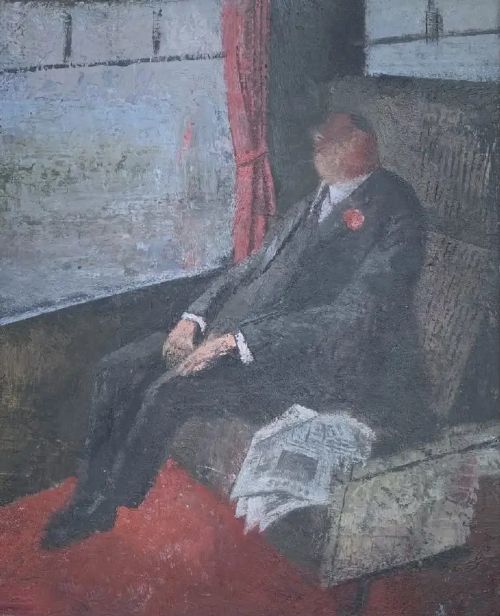
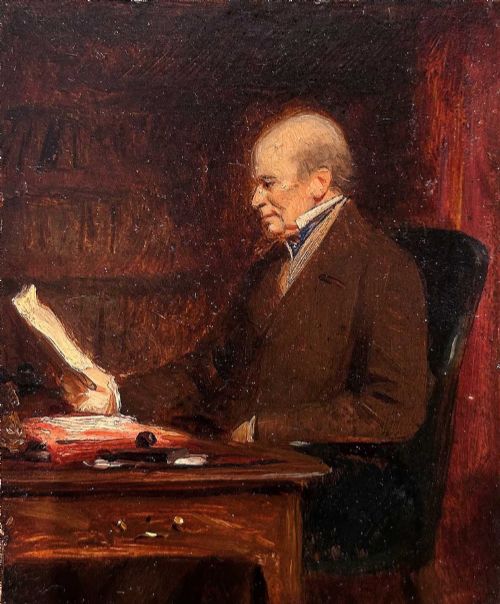
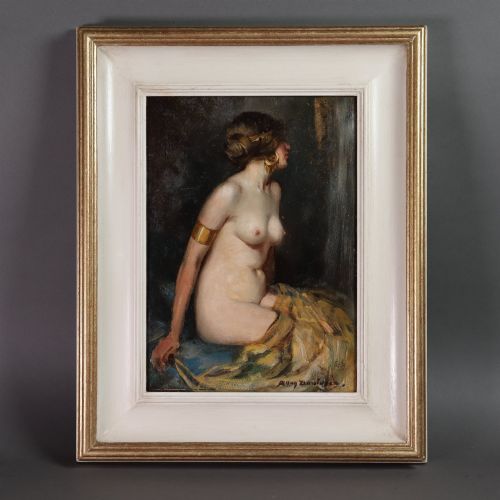
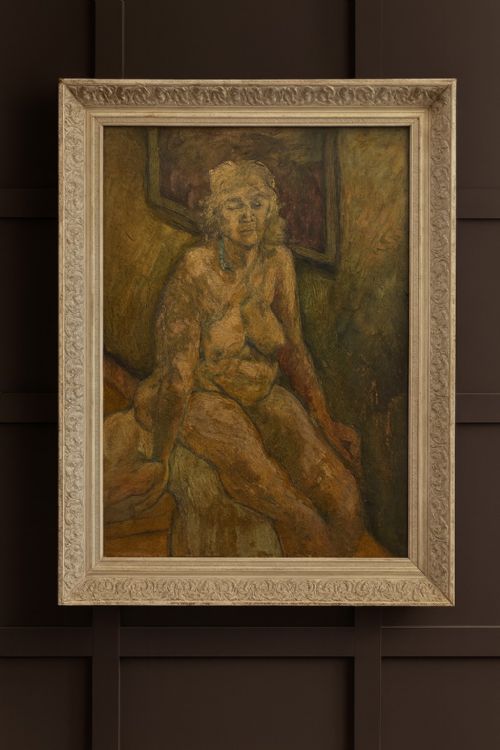
An original oil figure study captures the human form directly from life, offering an intimate glimpse into the artist's working process.
Original Oil Figure Study
An original oil figure study brings together academic exercises and intimate portraits executed directly from human models, spanning periods from the nineteenth century through to the mid-twentieth century. You are most likely to encounter works executed on canvas, board, paper, or panel representing seated, reclining, or standing figures.
The selections available range from Victorian and Edwardian academic realists to mid-century figurative and expressive modern British makers. These pieces function primarily as direct observations of the human body, capturing gesture and light rather than finished gallery exhibition pieces.
Many examples showcase specific historical contexts, including French impressionism, mid-century expressionism, and art deco sensibilities. Each work records a direct engagement between artist and model, preserved through oil paint.
Materials and construction
Artists applied oil paint using traditional brushes onto prepared supports such as canvas, wooden panels, thick paper, or cardboard boards. The physical support often dictates the texture of the finished work, with canvas providing traditional weave and board offering a rigid ground.
Pigments were mixed with binding oils to build up layers of tone and colour, capturing light across the human form through direct application. Ground preparation varied by period, utilising gesso or priming layers beneath the primary oil paint.
The listings span from the nineteenth century through to the mid-twentieth century, utilising oil paint on canvas, board, paper, and panel.
Evaluating quality in figure studies
The success of a study rests on the confidence of the brushwork and the accuracy of tonal relationships in defining volume and form. Superior examples demonstrate a sure command of anatomy and light, whereas lesser pieces can rely on stiff outlines or hesitant corrections.
Compositional strength and the expressive handling of pigment elevate a study from a mere exercise to a compelling standalone artwork. The relationship between the figure and the surrounding space dictates the visual balance of the composition.
Stephen Pearce·Honore Cavaroc·Allan Douglas Davidson·Peter Jackson·Raymond Arthur Roadnight·Kershaw Schofield·Gaston Bouy
The Original Oil Figure Study Glossary
- Chiaroscuro
- The treatment of light and shade in a drawing or painting, creating dramatic contrast across the human form.
- Canvas
- A closely woven fabric used as a surface for oil painting, typically stretched across a wooden frame.
- Panel
- A rigid flat piece of wood or other material used as a sturdy support for painting.
- Impressionism
- A style of painting emphasising accurate depiction of light in its changing qualities rather than precise academic finish.
- Academic realists
- Artists trained in formal academies who rendered the human figure with strict adherence to classical proportions and observed detail.
Original Oil Figure Study: Frequently Asked Questions
What is a figure study?
A figure study is an artwork created primarily to examine and record the human body, often executed from a live model.
These pieces range from quick compositional sketches to detailed academic portraits.
How do I date an oil study?
Dating relies on stylistic markers, framing methods, and the physical material of the support board or canvas.
Signatures, inscriptions on the reverse, and period pigments also provide secure chronological evidence.
Where should I hang an oil study?
Display these works away from direct sunlight and excessive humidity to protect the oil paint and canvas.
Intimate studies suit smaller wall spaces or studies where they can be viewed closely.
Are these works finished paintings?
Many figure studies were created as preliminary exercises or working sketches rather than intended exhibition pieces.
Despite this, their directness often grants them an immediacy that finished gallery portraits lack.