
Original Modern British Artwork
Original modern british artwork captures the evolving character of twentieth-century visual culture through paintings and works on paper.
Original Modern British Artwork
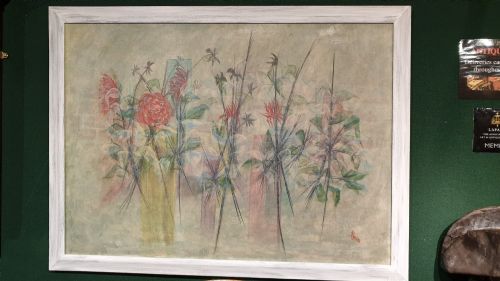
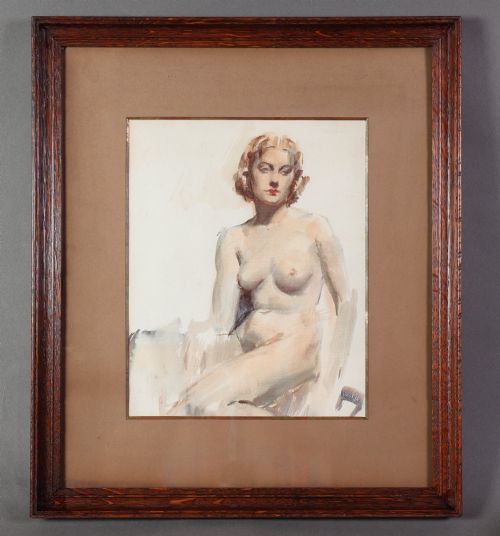
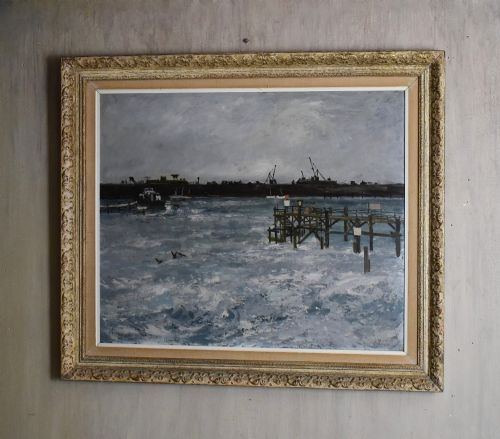
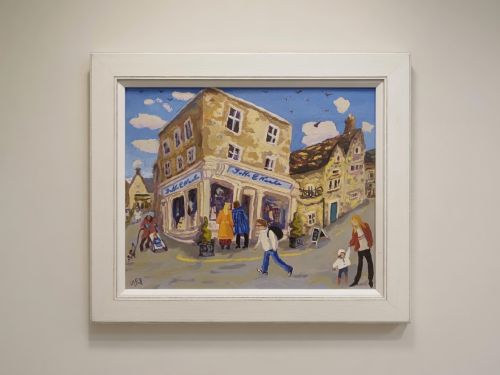
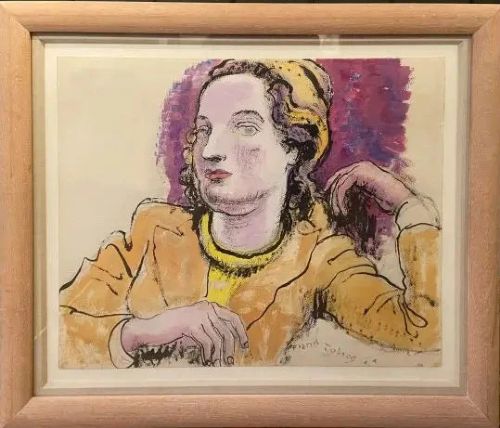
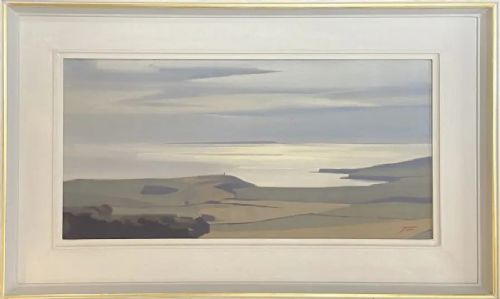
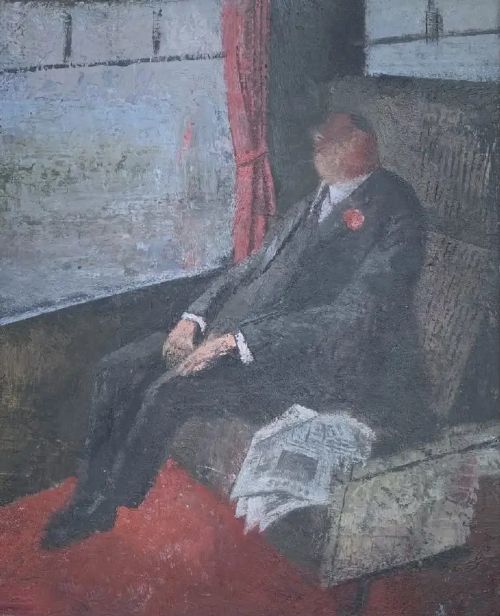
Original modern british artwork encompasses paintings, drawings, and framed wall art produced across the twentieth century, spanning early decades up to the period later than nineteen sixty. These pieces reflect diverse movements including British Impressionism, mid-century modernism, and the St Ives school.
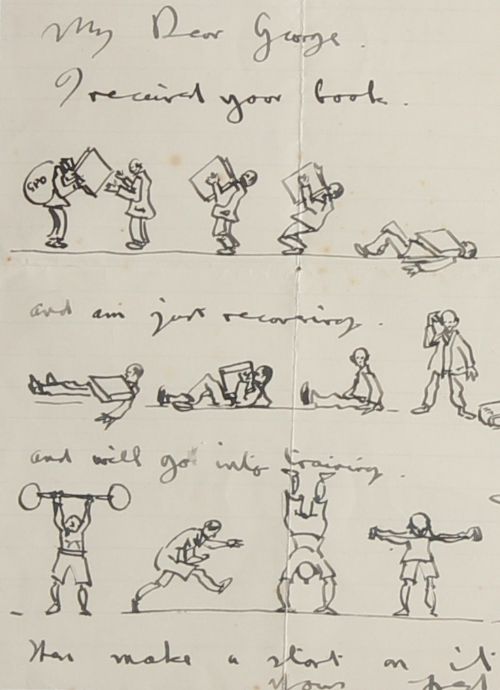
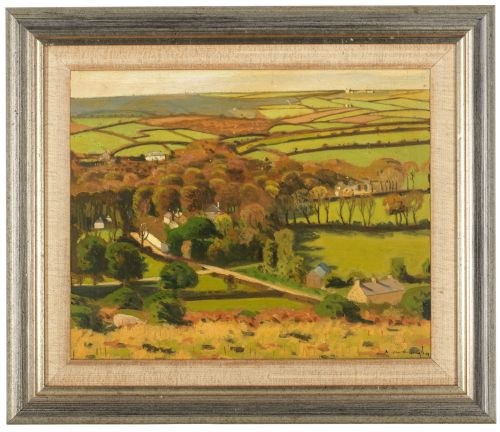
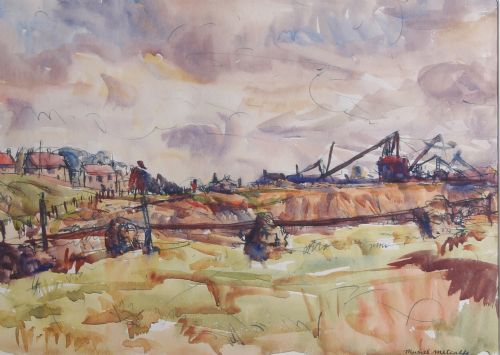
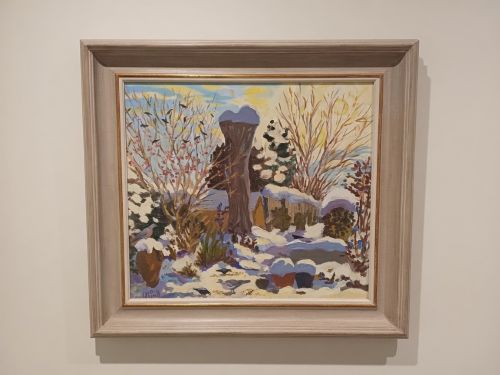
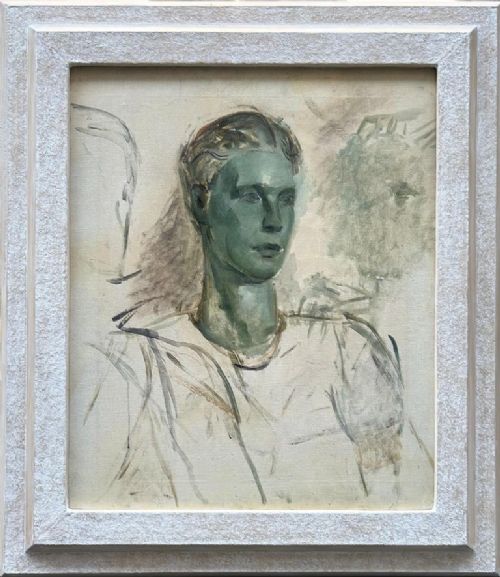
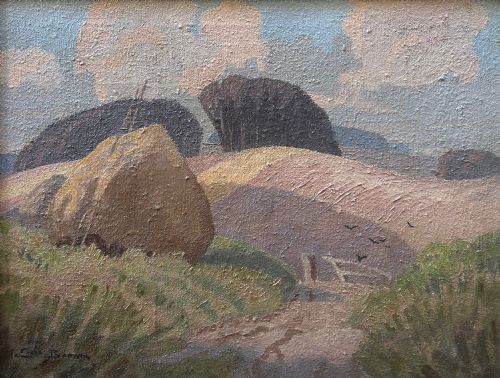
The selections available range from intimate watercolours and ink drawings on paper to substantial oil paintings on canvas and wood panel. Landscapes, portraits, and still life compositions dominate the forms, capturing regional scenes from Cornwall to Wales and northern England.
How they were made
Artists worked primarily with oil paint, watercolour, and ink applied to canvas, wood panels, paper, and card. These traditional supports received varied treatments, from thin washes of watercolour to thick impasto oil layers.
Framed works frequently combine paper or canvas supports with protective glass and wooden mouldings, preserving the surface condition of mid-century and earlier pieces.
Listings span periods from the nineteenth century through the nineteen-fifties and nineteen-sixties, utilising oil, watercolour, and ink.
What varies in quality
Quality rests upon the sureness of the hand, compositional balance, and the strength of the artist's engagement with their chosen subject. Works by established regional figures or recognised St Ives artists display a distinct command of medium and colour harmony.
The preservation of the original surface, whether oil on canvas or watercolour on paper, influences the visual impact. Stronger examples maintain clear provenance and artist signatures alongside sympathetic framing.
Fred Lawson·Robert Morson Hughes·Muriel Metcalfe·Lucy Pratt·Mark Ingram·Peter Brannan·Frank Dobson·James Fry·James Stroudley·Oilver Messel·Eric Brown·Samuel Rabin·Peter Newcombe·Donald McIntyre·Stuart Walton·Ronald Ossory Dunlop·Hubert Wellington·Joan Gillchrest·Dame Elisabeth Frink·Denis Mitchell·Barbara Hepworth·James Tower·Helen Layfield Bradley·Henry Charles Fox·Hazel M. Barnett
The Original Modern British Artwork Glossary
- Impasto
- Paint applied thickly to a canvas or panel, standing visibly above the surface and retaining the marks of the brush or palette knife.
- St Ives School
- A group of artists working in and around the Cornish coastal town, known for developing significant strands of British abstract and landscape painting.
- Provenance
- The documented history of ownership surrounding a work of art, which helps confirm authenticity and attribution.
- Triptych
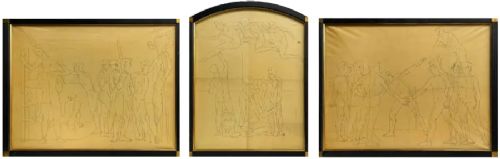
- A work of art divided into three sections or three carved panels hinged together, allowing the side panels to fold over the centre.
- Works on paper
- An inclusive category covering drawings, watercolours, and ink studies executed on various paper supports rather than canvas or panel.
Original Modern British Artwork: Frequently Asked Questions
What defines modern british art?
Modern British art encompasses painting and works on paper created during the twentieth century, reflecting shifting attitudes toward realism, impressionism, and abstraction. These pieces often capture domestic landscapes, industrial scenes, and coastal views through distinct regional lenses.
Makers working within this umbrella absorbed European modernist movements while retaining a strong connection to British topography and daily life. The resulting works vary from traditional watercolours to experimental oil and board compositions.
How should I care for watercolour paintings?
Watercolour paintings on paper require careful placement away from direct sunlight to prevent the pigments and paper supports from fading over time. Maintaining stable indoor humidity levels also protects the paper and any associated framing materials from degradation.
Glazing with appropriate framing glass helps shield delicate ink and watercolour surfaces from airborne pollutants and physical contact. Regular inspection of the backing board ensures the paper remains free from environmental moisture.
How do I identify mid-century painting styles?
Mid-century painting styles often feature simplified forms, expressive brushwork, and a distinct palette ranging from earthy tones to vibrant modernist hues. Artists working in this era frequently balanced representational subjects with an emphasis on surface texture and structure.
Examining the canvas preparation, framing materials, and signature styles of the period helps contextualise individual pieces. Many works from this era document specific regional locations, from Welsh valleys to Cornish harbours.
Where were most of these landscapes painted?
These landscapes record scenes from across Britain, including the coastal reaches of Cornwall, the Lake District, Welsh valleys, and northern industrial towns. Artists frequently travelled to specific regions to capture local light, topography, and architecture.
农村 and urban settings alike provided subjects for painters working in oils, watercolours, and mixed media. These topographical details offer a window into British scenery during the early and mid-twentieth century.