


Original Midcentury Artwork
Original midcentury artwork delivers genuine character to a room through authentic period paintings, drawings, and pastels created across the nineteen forties, fifties, and sixties.
Original Midcentury Artwork
Original midcentury artwork encompasses paintings and drawings produced during the mid-twentieth century, predominantly featuring oil on canvas, board, and paper mediums. When searching for original midcentury artwork, buyers encounter a diverse selection of oil paintings, watercolours, and pastel portraits reflecting European, British, and Scottish impressionism alongside mid-century modern aesthetics.
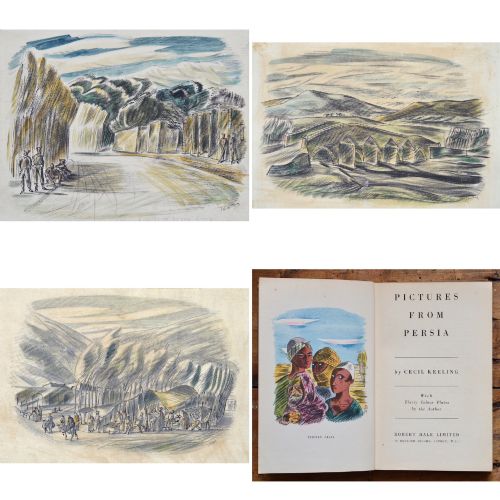
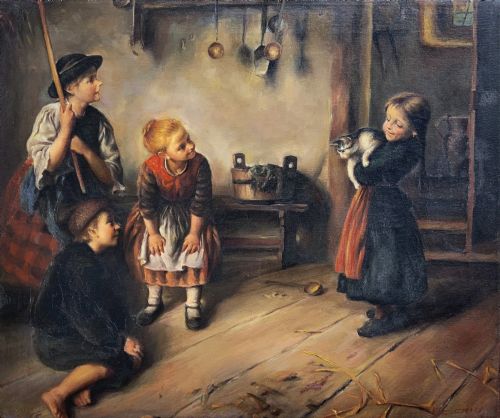
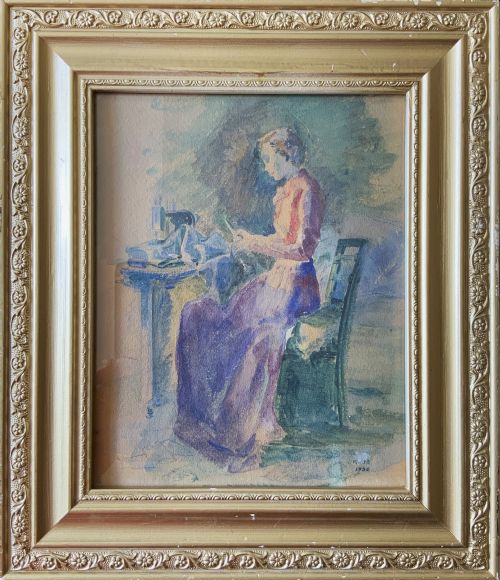
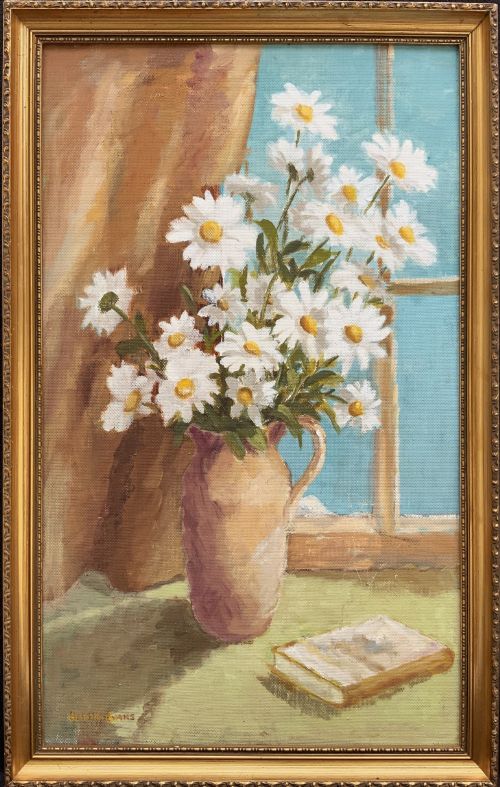
The subjects span floral still lifes, river landscapes, cityscapes, genre scenes, and abstract compositions. Pieces originate from distinct regional schools, including Dutch genre studies, Flemish school riverscapes, and British rural landscapes, alongside portraiture ranging from female nude models to tribal figures.
Evaluating Quality and Execution
Quality in these paintings rests on the confidence of the brushwork and the harmony of the palette. Superior works demonstrate assured handling of light in impressionist landscapes or balanced composition within floral still life studies.
The distinction between standard decorative pieces and finer examples lies in the depth of the impasto texture and the subtlety of colour mixing. Signed works and identified hands from recognised regional schools command greater attention from collectors.
The selection includes British, Dutch, Flemish, and Scottish regional impressionism alongside mid-century modern abstract compositions.
Cecil Keeling·William Ernst Burwell
The Original Midcentury Artwork Glossary
- Impasto
- Paint applied thickly to a canvas or board, standing out in relief from the plane so that brush or palette knife marks remain visible. This technique adds tactile depth and catches light across landscapes and still life studies.
- Genre painting
- The pictorial representation of scenes from everyday life, typically depicting ordinary people occupied in domestic tasks or leisure activities. Dutch genre examples often focus on children and domestic interiors.
- Impressionism
- A style of painting emphasising light and its changing qualities, ordinary subject matter, and visible brushstrokes. Mid-century practitioners applied these principles to rural scenery, riverscapes, and urban views.
- Gilt
- A gold leaf or gold-coloured application used to finish picture frames, enhancing the presentation of the artwork contained within. It provides a reflective border that separates the painted canvas from the surrounding wall.
Original Midcentury Artwork: Frequently Asked Questions
How do I date midcentury artwork?
Dating relies on stylistic clues, framing materials, and inscribed dates on the reverse or front of the canvas. Midcentury pieces typically originate from the nineteen forties, fifties, and sixties.
Examining the backing boards, stretcher frames, and canvas types helps confirm the era of production alongside any artist signatures.
Where should I hang a large still life oil painting?
Large floral or fruit still life studies suit principal reception rooms, dining areas, or above a mantelpiece where the scale commands attention. Ensure the wall receives balanced ambient light to appreciate the impasto texture.
Keep oil paintings away from direct heat sources and strong direct sunlight to preserve the integrity of the canvas and pigments over time.
What is the difference between impressionist and abstract midcentury art?
Impressionist works capture recognizable scenes such as riverscapes, floral arrangements, and cityscapes through atmospheric brushwork and light. Abstract pieces move away from direct representation to focus purely on form, colour, and composition.
Both styles share the experimental spirit of the mid-twentieth century but serve different visual roles within an interior scheme.
Are wartime drawings different from fifties oil paintings?
Wartime drawings on paper reflect the immediate conditions and constraints of the nineteen forties, often serving as preparatory studies or book illustrations. Fifties oil paintings on canvas represent post-war artistic expansion into vibrant colour and texture.
Each medium offers a distinct window into the artistic output of its specific decade.