


British Abstract Art
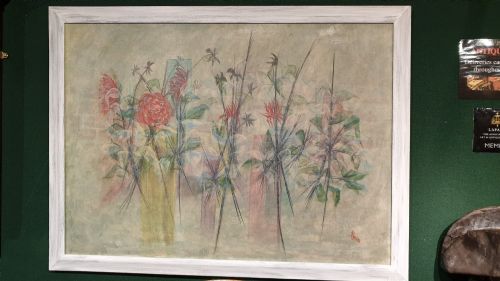
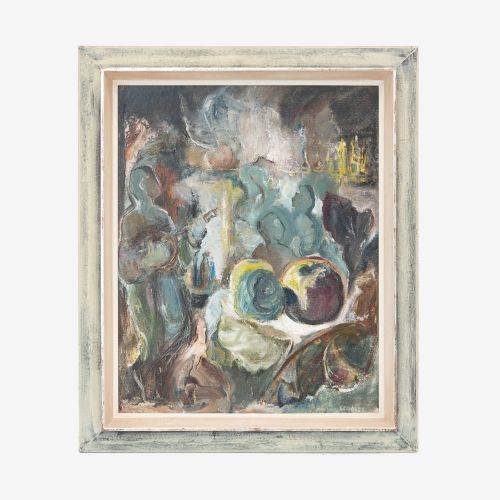
British abstract art brings together canvas, board and paper through mid-century modernism, cubism and expressionism, offering striking focal points for modern interiors.
British Abstract Art
British abstract art spans works created across the decades from the 1920s to the 1960s, reflecting shifts towards modernism and mid-century expressionism. Buyers searching for british abstract art encounter paintings executed in oil, watercolour and gouache on various supports including canvas, board and paper.
The selections on this page lean heavily into mid-century modern aesthetics, featuring oil paintings, wall art and fine art pieces from Cornish and English creators. Forms range from domestic kitchen geometry and still life compositions to abstracted landscapes and coastal scenes.
Originating largely from British workshops and studios, these pieces capture regional movements such as the St Ives school alongside individual modernist visions. Each object provides a tangible connection to twentieth-century visual experimentation.
How they were made
Makers applied oil paint, gouache and watercolour to stretched canvas, wooden board and heavy paper. Brushwork and pigment application varied from flat geometric planes to textured relief surfaces.
Many works incorporate timber framing designed to protect the canvas or board while complementing the composition. Glass frequently serves to safeguard works on paper and watercolour against environmental damage.
Several canvases carry the quiet evidence of domestic life, preserving accidental paint flecks on their frames from decades spent in artists' kitchens.
What varies in quality
Quality rests upon the confidence of the brushwork and the clarity of the composition, distinguishing resolved modernism from tentative experimentation. The interaction of colour and surface texture defines the visual weight of each painting.
Provenance and documentation elevate certain examples, particularly those linked directly to recognised St Ives painters or documented exhibition histories. The integrity of the original support, whether canvas or board, underpins the physical endurance of the artwork.
Lilian Colbourn·Tony Giles·Denis Mitchell·Barbara Hepworth·Edward Carter Preston·William McCance·Adrian Heath·Mary Fedden·Leon Kossoff·Terry Frost·William Ernst Burwell
The British Abstract Art Glossary
- Mid-Century Modern
- A stylistic movement spanning the mid-twentieth century that prioritises clean lines, abstracted forms and simplified geometries. It dominates much of the painting from this period.
- St Ives School
- An art movement based in Cornwall associated with progressive abstraction and coastal landscapes. Artists from this group frequently worked in close collaboration.
- Gouache
- An opaque water-based paint that dries to a matte finish and provides dense colour blocks on paper. It was widely utilised for modernist works on paper.
- Relief Painting
- A pictorial work that incorporates three-dimensional elements or built-up surfaces projecting from the board or canvas. This technique adds tactile depth to abstract compositions.
British Abstract Art: Frequently Asked Questions
How do I hang a heavy oil painting on board?
Ensure your wall fixings are secured directly into wall studs or use appropriate heavy-duty cavity anchors suited to the weight of the timber frame and board.
Position the wire or D-rings so the artwork hangs level, keeping it away from direct sunlight and fluctuating radiator heat.
What is the difference between gouache and oil paint?
Gouache is a water-based medium that dries quickly to a matte, opaque finish, usually applied on paper supports. Oil paint uses a drying oil binder, remains workable for longer periods, and is traditionally applied to canvas or rigid board.
Oils develop a richer surface texture and depth over time, whereas works in gouache benefit from protective glass framing.
How should I clean a vintage framed painting?
Dust the wooden frame gently with a soft, dry cloth and avoid using liquid cleaners or chemical polishes that can seep into joints. Painted canvas or board surfaces should remain untouched by moisture; consult a professional conservator for surface dirt.
Keep the glass on framed works on paper clean using a microfibre cloth sprayed lightly with window cleaner, taking care not to let liquid drip beneath the frame rebate.
How can I tell a 1950s painting from a 1920s piece?
Works from the 1920s often reflect early cubist geometry and tonal palettes, whereas 1950s and 1960s pieces tend towards bolder mid-century abstraction and expressive brushwork. Examining the stretcher bars, framing style and backing boards can also offer clues regarding the period of creation.
Signatures, dates inscribed on the reverse, and exhibition labels provide the most reliable chronological markers.