



Original Landscape Fine Art
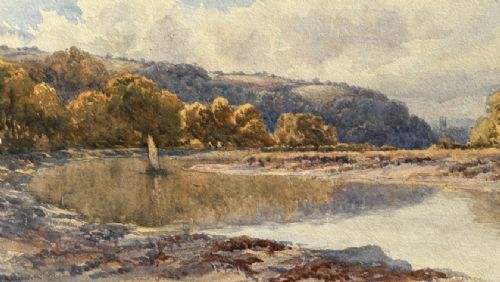
Original landscape fine art captures natural scenery through the hands of painters working in oil and watercolour across several centuries.
Original Landscape Fine Art
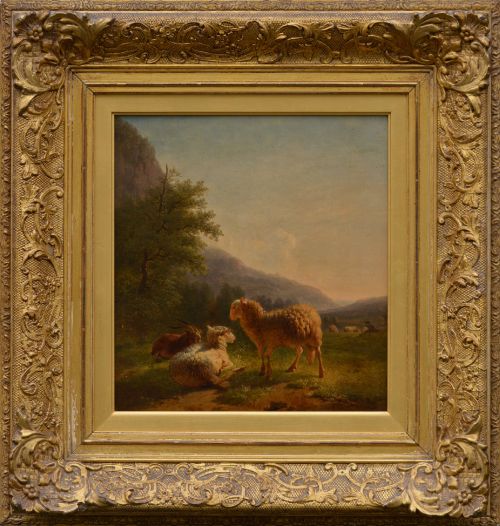
Original landscape fine art comprises hand-painted works depicting natural and rural views executed on canvas, wood panel, board, or paper. These pieces span from the 17th century through the Victorian and Edwardian eras into the mid-20th century, encompassing styles such as Impressionism, Romanticism, and British Impressionism.
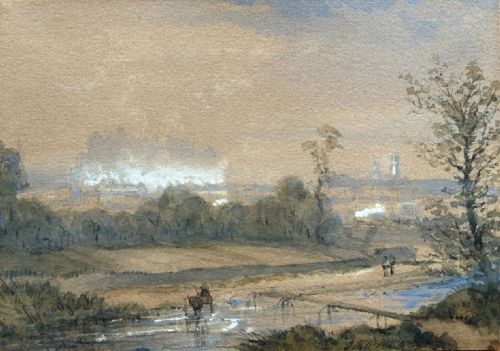
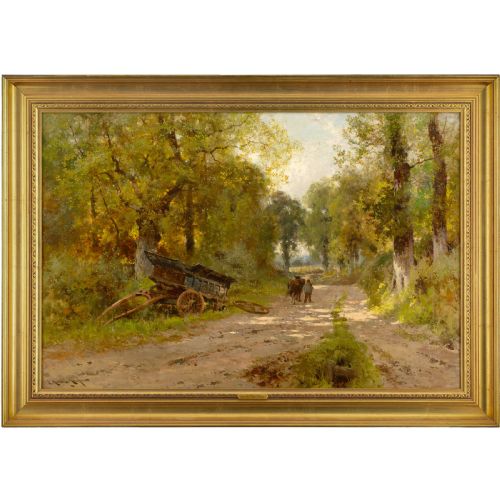
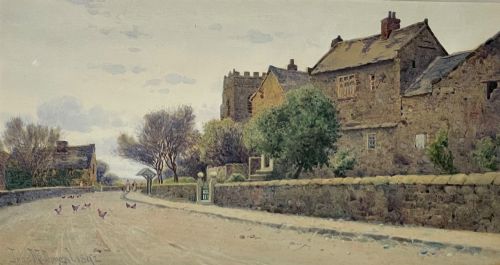
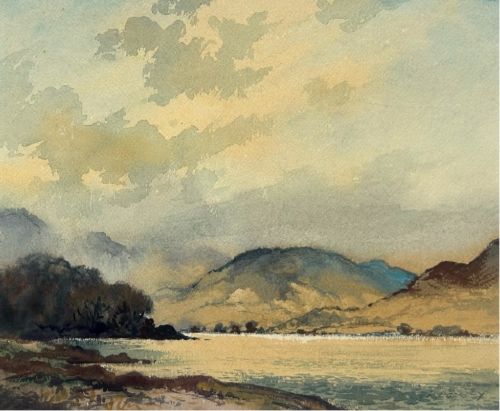
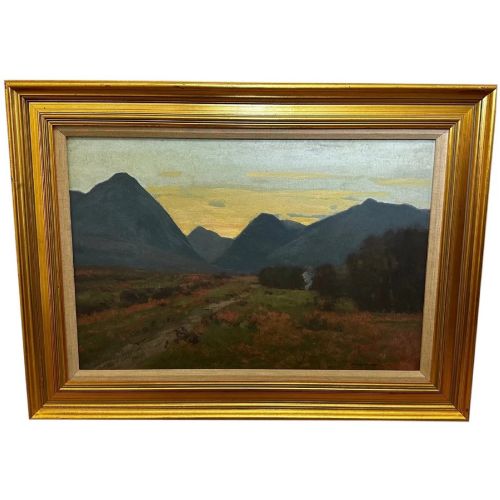
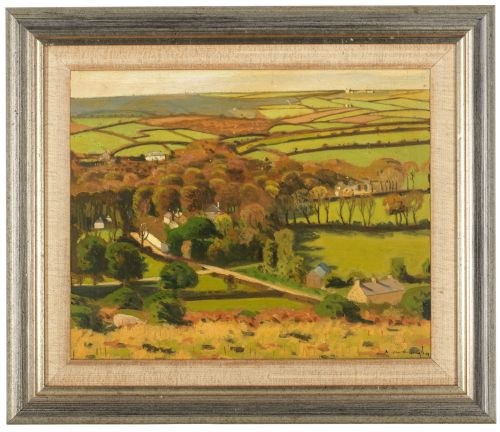
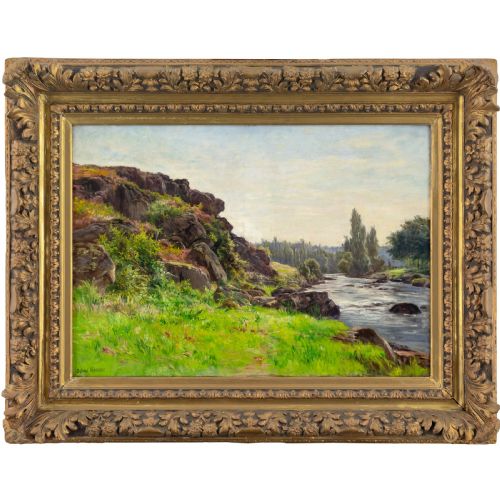
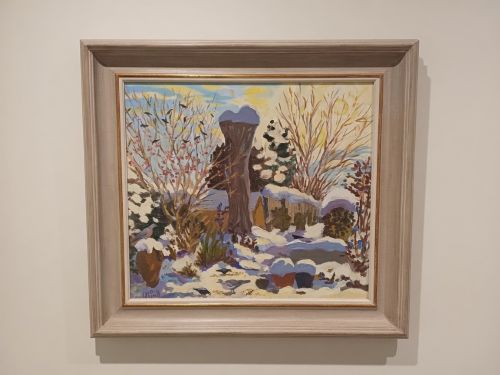
Buyers encounter works ranging from intimate watercolours of village scenes and coastal views to expansive oil paintings on canvas depicting Scottish highlands, rivers, and foreign cities like Venice. The selection includes rural pastoral subjects, tree-lined river paths, and snowy winter pastures.
Works originate from British, French, Italian, and Scandinavian artists who recorded specific locations, from Yorkshire and Cornwall to the Isle of Arran and Lake Como. These paintings serve as direct windows into past topography and historical artistic interpretations of the outdoors.
Materials and techniques
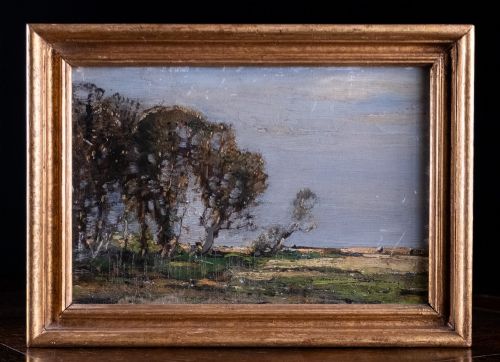
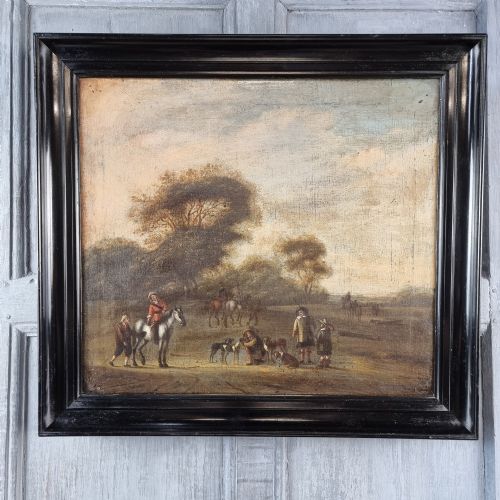
Painters utilised oil paint applied to canvas, wood panels, or boards, alongside watercolours worked on paper. Gilt frames often complement these works, providing structural support and historical context.
Techniques range from the careful draftsmanship of 19th-century watercolourists to the visible brushwork and atmospheric light handling seen in Impressionist and Modern British canvases.
Listings feature works from the seventeenth century through the Victorian and Edwardian periods into the nineteen-fifties and sixties, executed in oil and watercolour.
Variations in quality
Quality rests upon the artist's command of light, shadow, and spatial depth, which separates lively, atmospheric compositions from rigid or formulaic topographical records. The handling of medium - whether the fluid transparency of watercolour or the textured layering of oil paint - determines the visual impact.
The precision of detail in natural elements like foliage, water, and skies dictates the overall success of the piece. Works that capture a convincing sense of place and atmosphere through assured brushwork stand apart from simpler decorative views.
Eugène Verboeckhoven·John R Prentice·GEORGE GRAHAM·THOMAS ELLISON·Tom Campbell·Frederick Marriott·John Horace Hooper·John McDougal·Robert Leslie Howey·Kershaw Schofield·George Houston·Robert Morson Hughes·Gabriel Mathieu·Lucy Pratt·Alfred Pollentine·Peter Brannan·Raymond Booth·James Fry·Harald Foss·Peter Newcombe·Thomas Maidment·Sir Alfred East·John Lowrie Morrison·John Bond·Herbert Royle
The Original Landscape Fine Art Glossary
- Oil on canvas
- Pigments bound in a drying oil applied to a woven fabric stretched across a wooden frame. This primary painting medium allows for rich colour blending and textured brushstrokes.
- Watercolour
- Pigments suspended in a water-soluble vehicle applied to paper. It produces translucent washes of colour that rely on the white of the paper for luminosity.
- Wood panel
- A rigid flat wooden support used as a base for painting before canvas became dominant. Artists valued its firm surface for detailed brushwork.
- Gilt frame
- A wooden picture frame coated with gold leaf or metallic paint. These frames enhance the visual presence of the artwork and often reflect the period of creation.
- Impressionism
- An art movement characterised by relatively small, thin, yet visible brush strokes and an open composition. It emphasises accurate depiction of light in its changing qualities.
Original Landscape Fine Art: Frequently Asked Questions
How do I care for antique landscape paintings?
Keep paintings away from direct sunlight and fluctuating humidity to protect both the canvas and the pigments. Dust gently with a soft, dry brush without applying pressure to the painted surface.
Avoid using liquid cleaners or abrasive cloths on oil or watercolour surfaces. Consult a professional conservator if the canvas requires cleaning or structural repair.
What is the difference between oil and watercolour landscapes?
Oil paintings utilise pigments suspended in oil on canvas or wood, offering rich textures and deep colour layering. Watercolours employ water-soluble paints on paper, creating bright, translucent effects.
Oils are generally more durable and traditionally mounted in heavy gilt frames behind open air. Watercolours are typically framed under glass to protect the paper from moisture and dust.
How can I tell the period of a landscape painting?
Examine the stretcher bars, framing materials, and the type of canvas or paper support used by the artist. Handwritten notes, signatures, and labels on the reverse often provide clues to the date.
Clothing styles of any figures, architectural details, and the artistic style itself help narrow down the decade. Comparing the technique to known works by the artist or period schools confirms the era.
Where were these landscape scenes usually painted?
Artists frequently recorded rural views, rivers, coastal cliffs, and village streets across Britain, France, Italy, and Scandinavia. Locations ranged from Scottish highlands and Yorkshire dales to Venetian canals and Parisian streets.
Many painters worked directly outdoors, known as plein air painting, to capture natural light and local topography accurately. Titles often specify the exact town, region, or landmark depicted.