





![Pen and Ink Sketch - Female Nudes by William Edward Frost [1810-1877]](https://www.sellingantiques.co.uk/photosnew/dealer_kendallhouse/dealer_kendallhouse_full_1758970795762-8493507346.jpg)


Original Ink Study
An original ink study offers direct contact with an artist's working hand through monochrome lines laid down on paper.
Original Ink Study
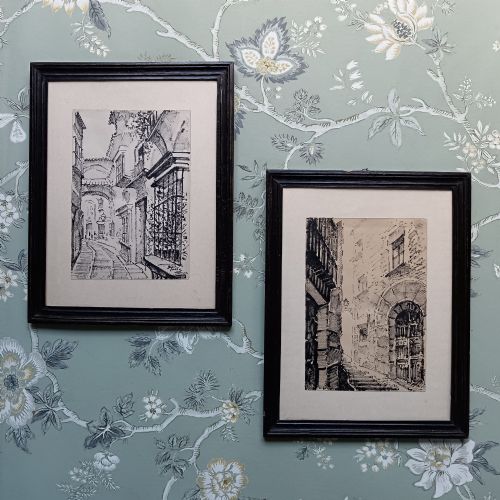
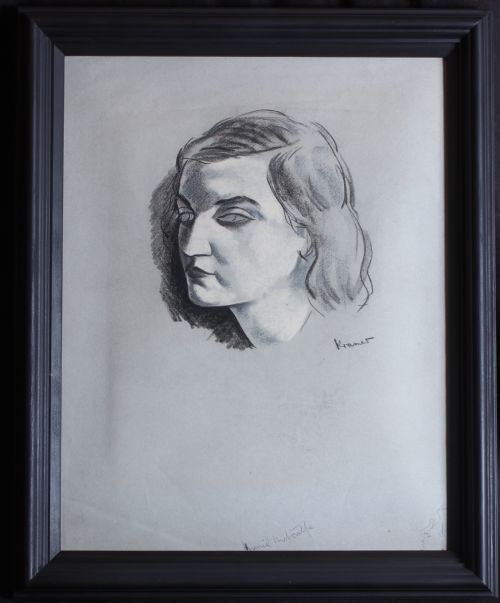
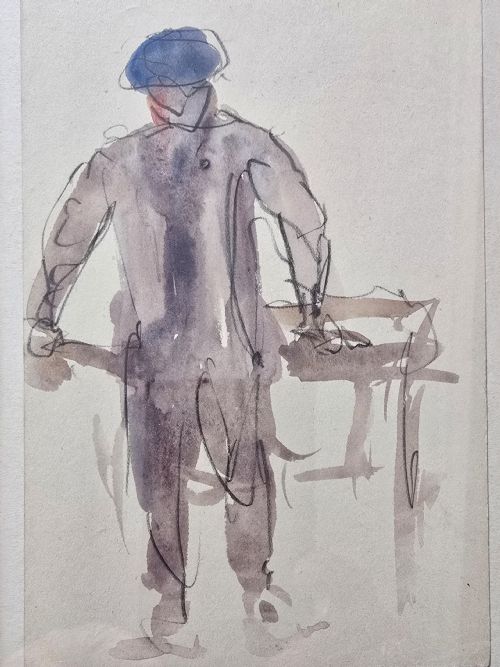
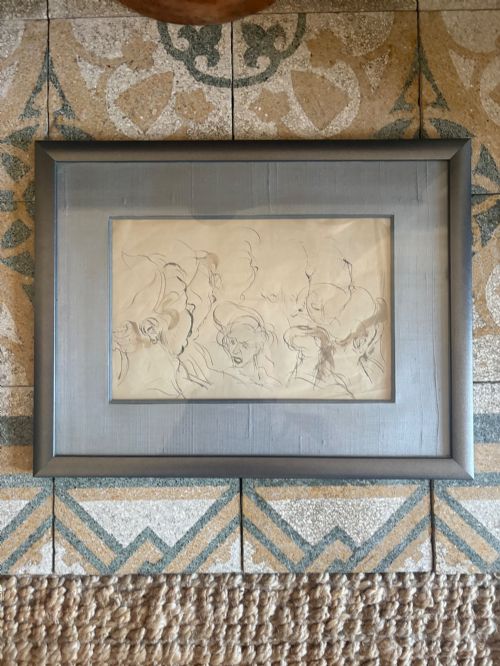
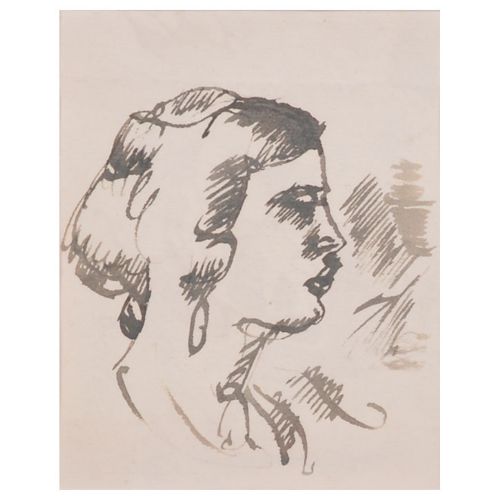
An original ink study is a primary graphic work executed directly on paper using pen, wash, or gouache to capture figures, architecture, or landscapes. When you search for this phrase, you encounter works spanning from the eighteenth century through the twentieth century, encompassing British, Irish, and European schools.
The selections on this page appear in various framing formats, occasionally retaining their original wood and glass settings. These drawings range from rapid preparatory sketches for larger paintings to finished illustrative works executed by named artists and anonymous hands alike.
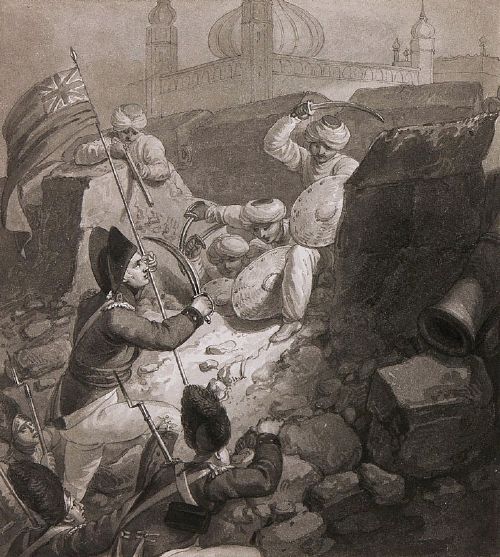
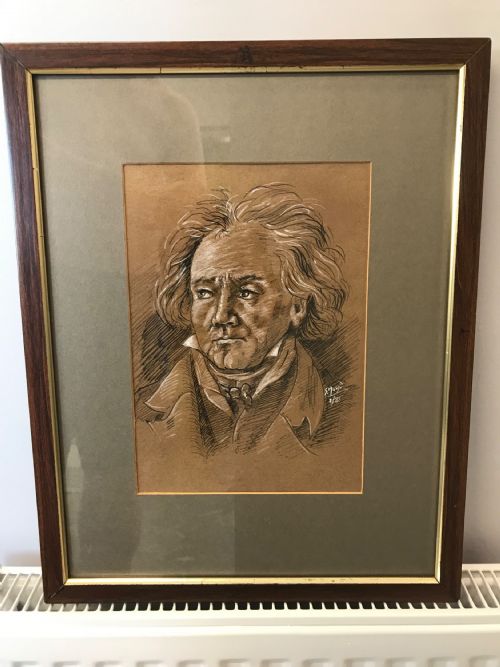
Subject matter varies widely across the inventory, touching upon theatrical figures, battle scenes, anatomical subjects, and architectural landmarks. Portraiture and landscape views recur frequently, demonstrating the diverse application of ink across multiple artistic movements.
Materials and technique
These works rely primarily on paper supports combined with fluid black or brown inks applied via pen or brush. Artists frequently augmented these linear foundations with watercolor, wash, gouache, or pastel to introduce tonal depth and subtle colour.
Mounting and presentation typically involve wood frames paired with protective glass. Historic examples often display watermarks, blind stamps, or contemporary inscriptions that record the circumstances of their creation.
Original Ink Study Retail Price Guide 2026
Typical asking prices for original ink study among the pieces listed under this phrase on Sellingantiques today, from the lower quarter to the upper quarter. They describe what is for sale here now, not the wider market.
Listings feature paper supports combined with ink, wash, and gouache across periods ranging from the eighteenth century to modern decades.
Determinants of quality
Quality rests upon the confidence of the line and the precision of the draughtsmanship. A superior sheet displays an economy of marks where every stroke contributes directly to the volume and expression of the subject.
The historical significance of the hand involved and the clarity of provenance elevate certain examples above casual sketches. Condition of the paper support, stability of the ink, and absence of excessive fading further distinguish the finest items.
William Marshall Craig·Ludwig van Beethoven·Michael Healy·Alfred Dehodencq·William Edward Frost·Lucien Freud·Lawrence Stephen Lowry·Johan Noah Bemmel·John Duncan Fergusson·Laura Knight·Markey Robinson·Phyllis I Hibbert·E A Bower·Olive Higginbottom·W E Littlewood·Donald Curley·John Frederick Lewis
The Original Ink Study Glossary
- Wash
- A technique where diluted ink or watercolour is brushed across paper to create smooth, transparent tones behind or over linear work.
- Gouache
- An opaque water-based paint that provides solid highlights and dense colour passages within a drawing.
- Preparatory study
- A preliminary drawing executed by an artist to plan composition, lighting, or anatomy before undertaking a finished painting.
- Blind stamp
- An embossed seal pressed directly into the paper surface by an academy, studio, or paper manufacturer to denote origin.
- Monogram
- A stylized set of initials combined into a single mark used by an artist in place of a full signature.
Original Ink Study: Frequently Asked Questions
What is an original ink study?
An original ink study is a unique drawing executed by hand on paper using pen and liquid media rather than a mechanical reproduction. These sheets represent direct exploratory work by artists recording forms, compositions, or figures.
They capture the immediate creative process without the intervention of a printing press or digital transfer. Collectors prize them for this unmediated connection to the maker's hand.
How should I frame an ink study?
Framing requires conservation-grade materials to protect vulnerable paper supports from environmental damage. Acid-free mounts and backing boards prevent chemical degradation over time.
Ultraviolet-filtering glass is essential to prevent fugitive inks and watercolours from fading under exposure to natural light. Keeping the paper distanced from the glass surface prevents condensation damage.
How do I date an old drawing?
Dating relies on examining watermarks within the paper, the chemical composition of the ink, and stylistic markers of the period. Inscriptions, signatures, or framing remnants often provide corroborating clues.
Comparison with documented works by the same school or artist helps narrow the window of creation. Historical costume and architectural details depicted within the scene also offer reliable chronological indicators.
Why are some drawings monochrome?
Monochrome execution allows the artist to concentrate entirely on line, shadow, and contour without the distraction of colour. This directness suits rapid recording and preparatory design work.
Historically, iron gall and carbon inks were readily available and offered permanent, high-contrast results on pale paper. Many practitioners preferred this restrained palette for its graphic immediacy.