

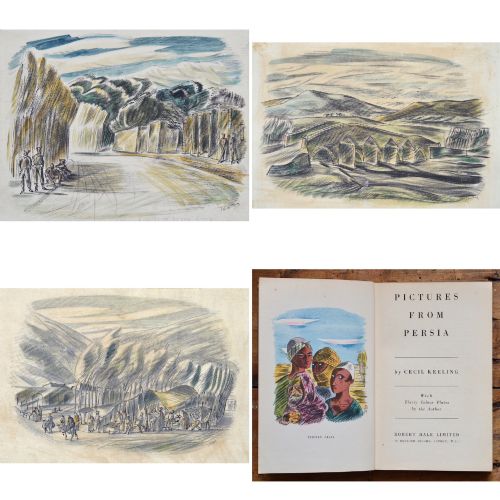
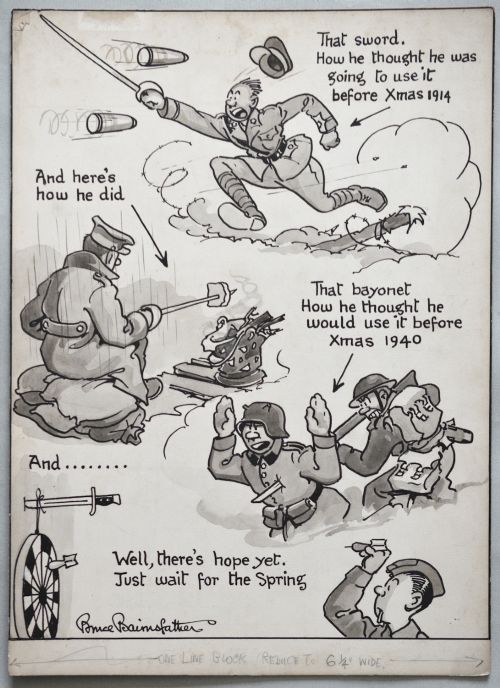
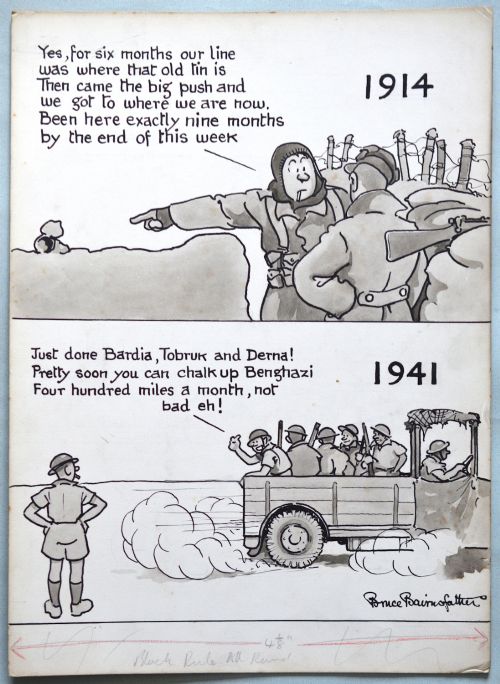
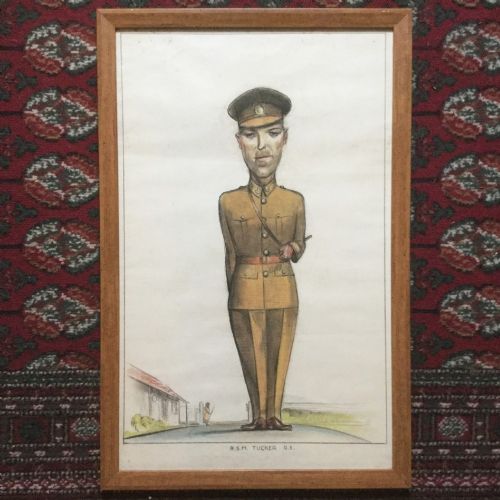
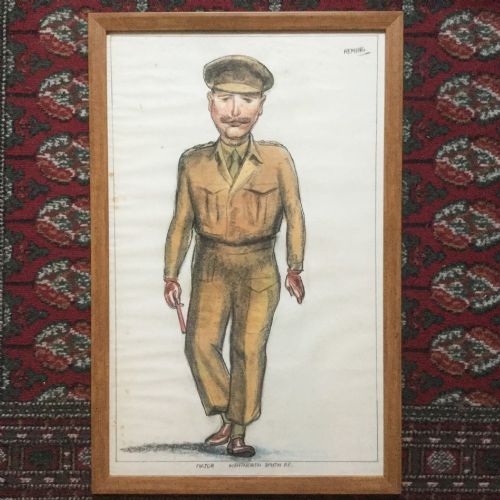
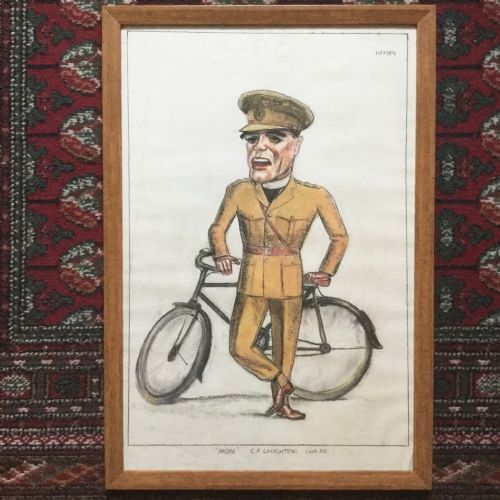


Antique Military Sketch
These antique military sketch works capture campaign scenes and portraits on paper, offering collectors a direct window into historical conflicts.
Antique Military Sketch
An antique military sketch captures campaign scenes, battle engagements, and officer portraits drawn on paper during various historical periods. When searching for an antique military sketch, buyers encounter works ranging from eighteenth-century pen and wash drawings to wartime pastel and gouache pieces from nineteen-forty.
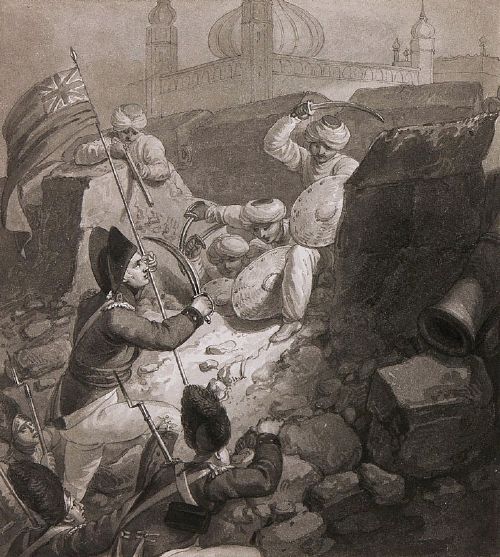
The material forms vary from framed artwork and wall art to original drawings and watercolour paintings. Common subjects include specific figures such as Major Wentworth Smith of the Royal Engineers or battle scenes like the storming of Seringapatam.
Dating spans from the eighteenth century through the nineteenth century and into the early twentieth century, including the First World War period. Pieces often arrive framed in wood under glass, preserving the delicate paper surfaces.
Materials and techniques
Artists executed an antique military sketch primarily on paper using media such as pen and wash, ink, charcoal, pastel, and gouache. These water-based and dry media allowed for rapid execution in the field or studio.
Framed works utilise traditional wooden frames and glass to protect the paper substrate from atmospheric damage. Early pieces often employ fine pen work combined with monochrome wash, whilst later twentieth-century examples lean towards vibrant pastel and gouache applications.
Antique Military Sketch Retail Price Guide 2026
Typical asking prices for military sketch among the pieces listed under this phrase on Sellingantiques today, from the lower quarter to the upper quarter. They describe what is for sale here now, not the wider market.
Listings span the eighteenth, nineteenth, and early twentieth centuries, featuring paper, ink, watercolour, and wood.
Factors determining quality
The skill of the draughtsman dictates the finesse of the lines and the accuracy of the uniform details in an antique military sketch. Masterful handling of perspective and subject expression separates hurried field notes from accomplished finished works.
Condition of the paper and the retention of pigment vibrancy heavily influence desirability. Works by documented artists carry distinct provenance that elevates their standing above anonymous camp sketches.
William Marshall Craig·Sir William Charles Ross
The Antique Military Sketch Glossary
- Wash
- A technique where ink or watercolour is diluted to create semi-transparent layers of tone. This method provides depth and shadow in early works.
- Gouache
- An opaque water-based medium that provides solid blocks of colour and dense highlights. It appears frequently in wartime portraits.
- Pastel
- A dry pigment stick used to achieve soft gradations of colour and tone. It requires glass protection to prevent smudging.
- Trench art
- Objects created by soldiers or civilians in active combat zones during wartime. Charcoal drawings from the front lines fall into this category.
Antique Military Sketch: Frequently Asked Questions
How do I date an antique military sketch?
Examine the paper quality, framing style, and costume details depicted in the artwork. Uniforms and facial hair styles often provide a reliable decade for the creation.
Written inscriptions on the reverse or mount frequently record the subject's name, regiment, and the exact year or campaign.
Are these sketches original period pieces?
The works listed are original period items created using historical drawing materials on paper. They date from the eighteenth century through to the twentieth century.
Each piece reflects the contemporary artistic techniques and military dress of its specific era.
How should I display and care for paper sketches?
Keep framed pieces away from direct sunlight to prevent the fading of inks, watercolours, and pastels. Stable indoor humidity levels protect the fragile paper substrate from foxing and warping.
Ensure the glass does not touch the surface of the drawing directly to avoid moisture condensation.
What subjects do these military drawings cover?
The subjects range from named portraits of army officers and naval admirals to dynamic battle scenes. Artists also documented specific historical engagements and foreign postings.
Sketches often detail regimental affiliations, providing specific historical context for the individual portrayed.