



Pen and Ink Wash Art
Pen and ink wash art brings together precise line and fluid tonal depth, offering collectors a direct window into historical draughtsmanship.
Pen and Ink Wash Art
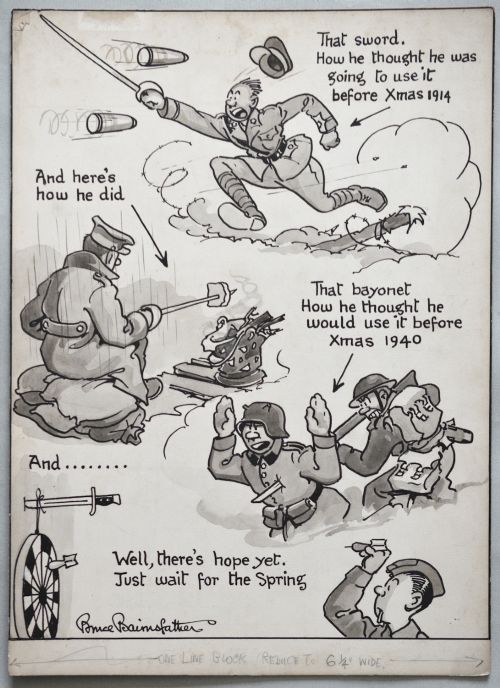
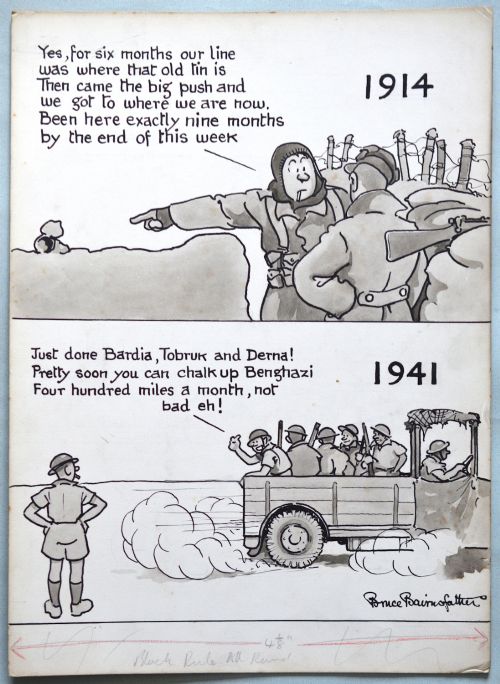
Pen and ink wash art encompasses original drawings, illustrations and framed artwork created on paper using ink and tonal washes. These pieces range from eighteenth-century landscape drawings and satirical sketches to nineteenth-century portraits and twentieth-century satirical illustration.
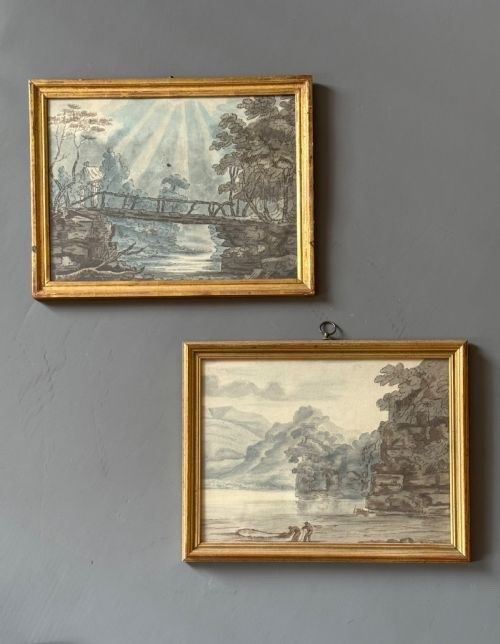
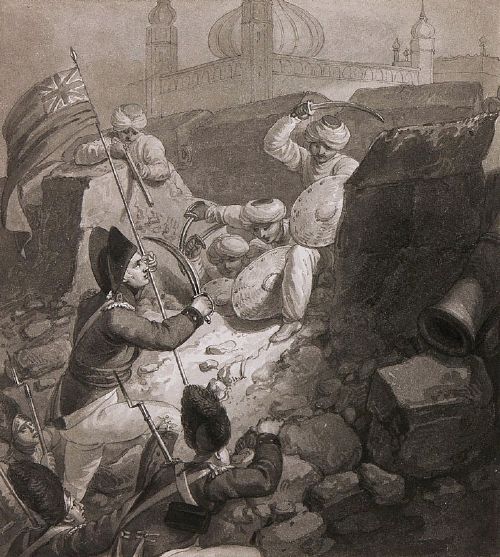
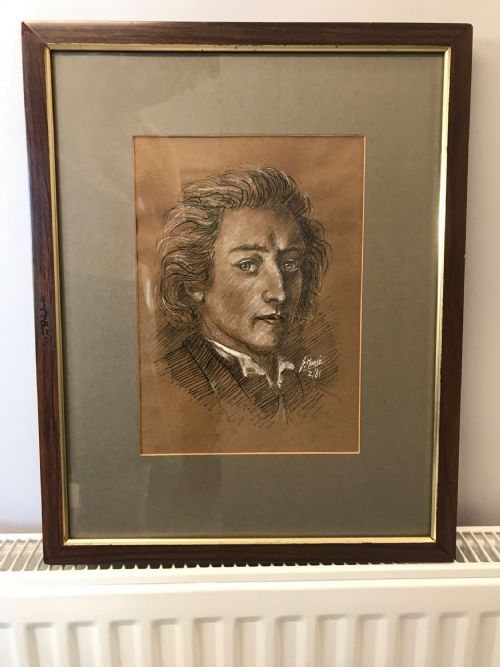
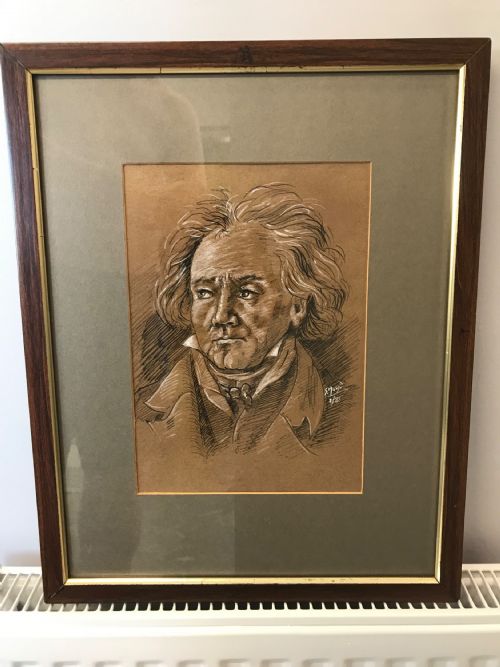
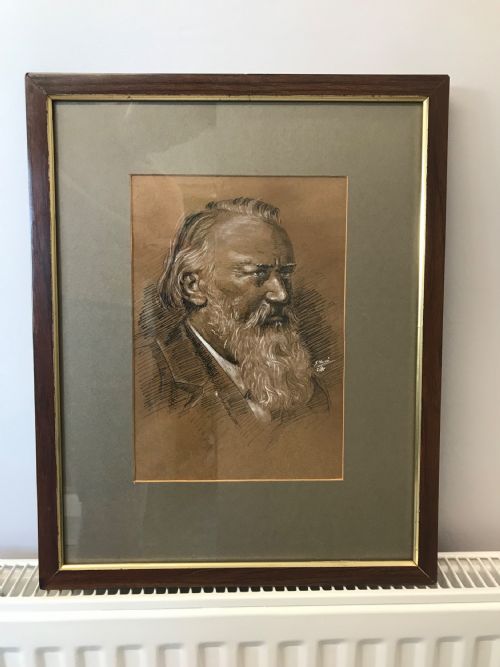
Buyers frequently encounter works originating from the eighteenth century, the Victorian era and the twentieth century. The selections available on this page include framed drawings depicting historical battles, musical composers and pastoral scenes.
The assortment spans Georgian examples, early Victorian pieces and twentieth-century British art. Works such as portrait drawings of composers highlight the mix of media often found within these historic categories.
Materials and techniques
Artists create pen and ink wash art by applying dark ink lines over paper to establish composition and detail. Diluted ink or watercolour washes are then introduced to build shadow, depth and atmospheric perspective.
Gouache occasionally supplements the ink and wash to add opaque highlights or colour accents. The finished works are typically housed in wood frames, occasionally featuring gilt wood surrounds and protective glass.
Pen and Ink Wash Art Retail Price Guide 2026
Typical asking prices for pen and ink wash art among the pieces listed under this phrase on Sellingantiques today, from the lower quarter to the upper quarter. They describe what is for sale here now, not the wider market.
Periods represented on this page span the eighteenth century, nineteenth century, Victorian era and 1940.
Assessing quality and execution
Quality in pen and ink wash art rests upon the sureness of the draughtsman's line and the controlled gradation of the wash. Superior examples demonstrate a confident balance between sharp pen work and subtle tonal shading.
The distinction between standard and exceptional pieces also lies in the historical significance of the subject matter and the reputation of the artist. Works executed by documented historic figures or recognised illustrators carry greater distinction than anonymous studio output.
Bruce Bairnsfather·William Marshall Craig·Thomas Rowlandson·Fred Lawson
The Pen and Ink Wash Art Glossary
- Wash
- A technique where ink or watercolour is diluted with water to create translucent layers of tone. This creates shadows and depth behind crisp pen lines.
- Gouache
- An opaque water-based medium used to add solid highlights and colour accents. It differs from transparent washes by sitting visibly on the paper surface.
- Draughtsmanship
- The skill of drawing figures, landscapes and compositions with precision. It forms the structural foundation of pen and ink work.
- Gilt wood
- Wood framing finished with a thin layer of gold leaf or metallic gold paint. It is commonly found on traditional frames for historic artwork.
Pen and Ink Wash Art: Frequently Asked Questions
What is pen and ink wash art?
Pen and ink wash art combines linear ink drawing with diluted tonal washes on paper. This technique allows artists to define sharp contours while building atmospheric shadows.
Such works range from detailed portraiture and architectural studies to lively landscape and battle scenes across several centuries.
How should I frame these drawings?
These works require framing under glass with acid-free mounts to protect the delicate paper and ink from environmental damage. Direct sunlight can cause fading to both the ink and any added gouache.
Period frames often suit eighteenth and nineteenth-century pieces, provided the internal mount protects the paper edge.
How do I date an ink and wash drawing?
Dating relies on stylistic evidence, artist signatures, costume details and the watermark or texture of the paper itself. Eighteenth-century examples often display laid paper and classical framing subjects.
Victorian and twentieth-century pieces shift toward distinct illustrative styles, satirical themes and modern paper manufacturing methods.
Where were these artworks displayed?
Historically, ink and wash drawings served as preliminary studies, sketchbook entries or finished cabinet pieces kept in portfolios. Many later works were framed for domestic display in studies and drawing rooms.
Illustrations were frequently produced for publication before being preserved behind glass by collectors.