



Original Ink Landscape
When you search for original ink landscape, you are looking at works on paper that capture scenery through line and wash.
Original Ink Landscape
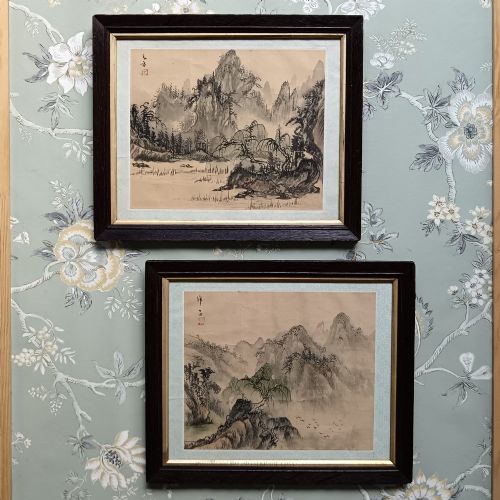
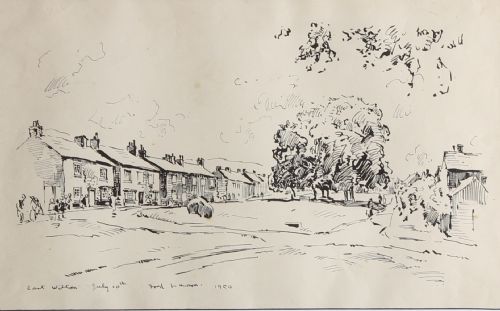
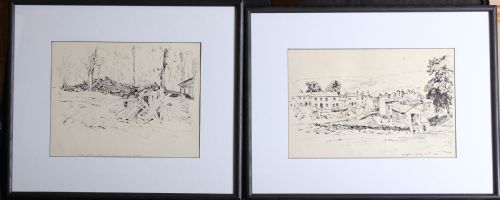
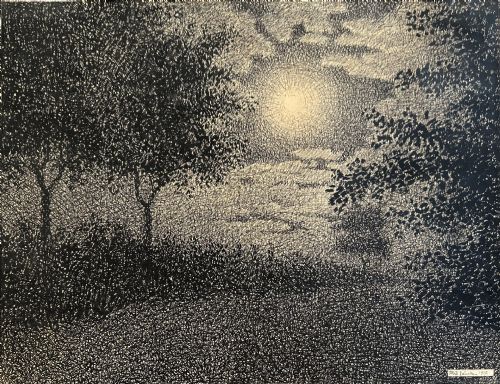
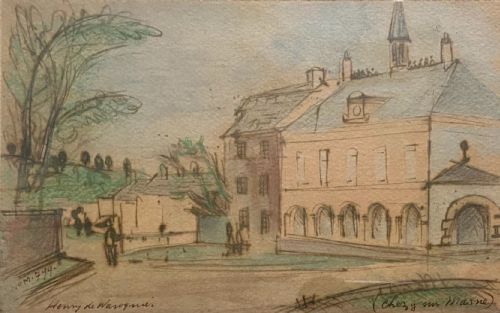
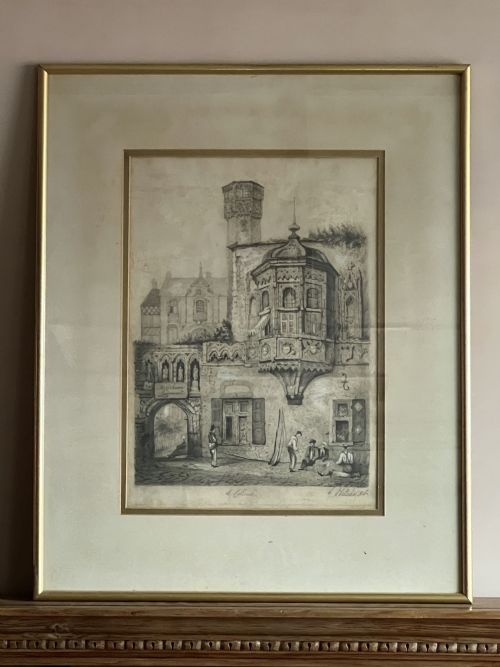
An original ink landscape brings together pen or brush work on paper, often paired with watercolour, pencil, or wash to describe hills, buildings, and trees. These pieces range from Georgian sketches to mid-20th-century British views, capturing topography through direct observation.
The most common form on this page is the works on paper category, spanning framed artwork, drawings, and paintings from the 18th century through to the 1960s. Many of these pieces focus on specific British locations such as Yorkshire, the Lake District, and Scotland, alongside continental European scenes.
Buyers often encounter studies by named regional artists as well as unsigned school pieces from the 19th and early 20th centuries. These works function as direct records of the landscape, created on the spot with ink lines and toned paper.
How they were made
Makers utilised paper as the primary support, applying iron gall or carbon-based ink with pens or fine brushes to set down the foundational lines of the view. This linear structure was frequently enhanced with watercolour washes, pencil, or sepia pigment to build depth and shadow.
Works from the Georgian era through to the mid-20th century rely on the absorbency of paper to hold delicate ink line work alongside fluid washes. Framing with wood and glass helped preserve these fragile works on paper over generations.
Artists frequently noted down the exact weather or local village gossip in the margins of their sketchbooks while waiting for the rain to stop.
What varies in quality
The strength of the draftsmanship and the confidence of the ink line separate casual sketches from accomplished works. A sure hand captures the atmosphere of a Yorkshire dales view or an Italian town with minimal hesitation.
Condition of the paper and the preservation of the ink pigments influence the integrity of the piece. Clean paper without heavy foxing and stable watercolour washes retain the original clarity intended by the artist.
Fred Lawson·Stanley Orchart·Edward Dayes·Thomas Rowlandson·John Thistle·Alfred Wainwright·Claude Muncaster·Markey Robinson·Henry de Waroquier
The Original Ink Landscape Glossary
- Foxing
- Brown spots caused by chemical reactions in ageing paper over time. It is a common occurrence in antique works on paper.
- Gouache
- An opaque watercolour paint used to add highlights and solid areas of colour to a drawing. It sits on top of the paper rather than sinking in.
- Sketch
- A rapid preliminary drawing made directly from life. These pieces record the immediate visual information of a landscape before any finished painting takes place.
- Support
- The physical material upon which the artwork is created. In these listings, paper is the universal support utilised for ink and watercolour.
Original Ink Landscape: Frequently Asked Questions
How should I frame an old ink drawing?
Protect the paper by using conservation-grade mount board that keeps the surface from touching the glass directly. Keep the framed artwork away from direct sunlight to prevent the ink and watercolour from fading.
Ensure the back is sealed properly to keep out dust and moisture while allowing the paper to breathe naturally within the wooden frame.
What is the difference between a sketch and a finished painting?
A sketch relies primarily on quick ink lines and minimal wash to capture the immediate structure of a scene. Finished paintings incorporate more layers of watercolour and pigment to build a complete picture.
Both forms appear frequently in works on paper from the 18th century onward, each offering a direct view of the artist's working method.
How do I identify the date of a paper landscape?
Look at the paper type, watermark evidence if visible, and the stylistic conventions of the ink and wash technique. Georgian works often use heavier handmade paper with distinct sepia tones.
Twentieth-century pieces tend to show different handling of line and often include pencil inscriptions or artist signatures that anchor them to a specific decade.
Are these works unique or prints?
Every piece listed under this phrase is an original work created by hand using pen, ink, and often watercolour directly on paper. There are no reproductions or mechanical prints among them.
Each drawing or painting holds the distinct brush marks and ink variations of the individual artist working in the field.