


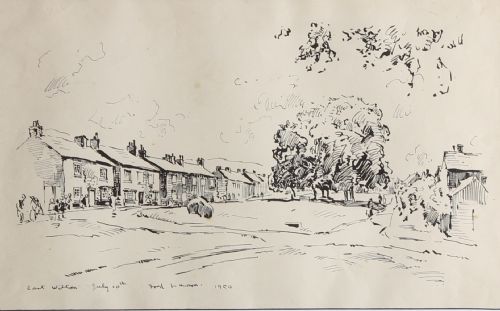
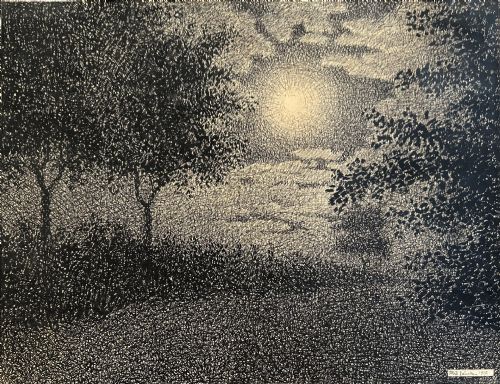
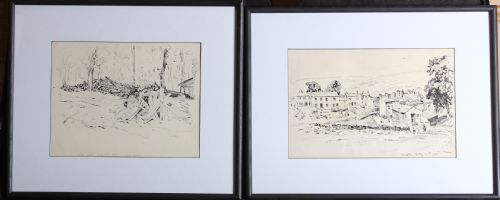
Original Ink Artwork
Original ink artwork spans centuries of draftsmanship, offering collectors direct access to the spontaneous hand of the artist.
Original Ink Artwork
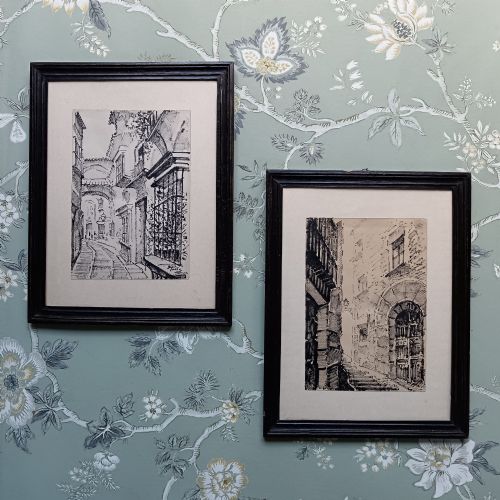
Original ink artwork captures the immediate intent of the draughtsman, ranging from rapid linear sketches to finished tonal compositions. When you examine original ink artwork on this page, you encounter works spanning from the Georgian period through to the mid-twentieth century.
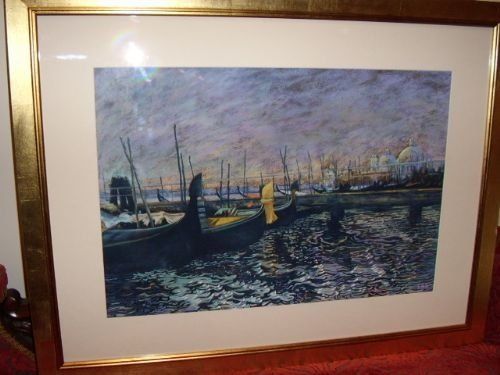
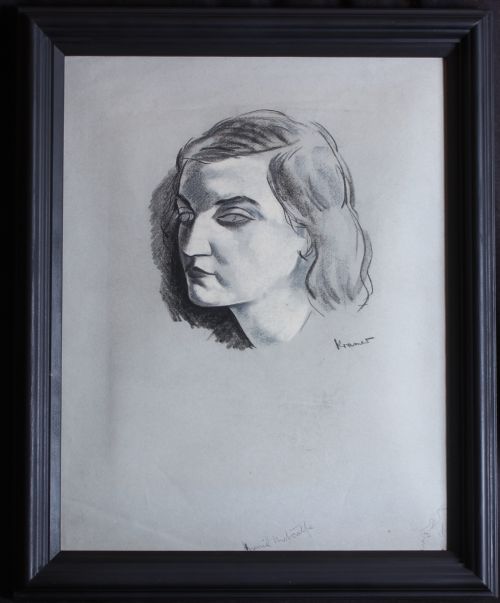
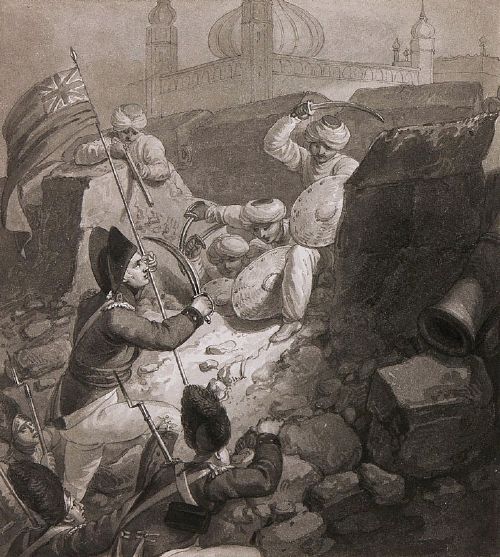
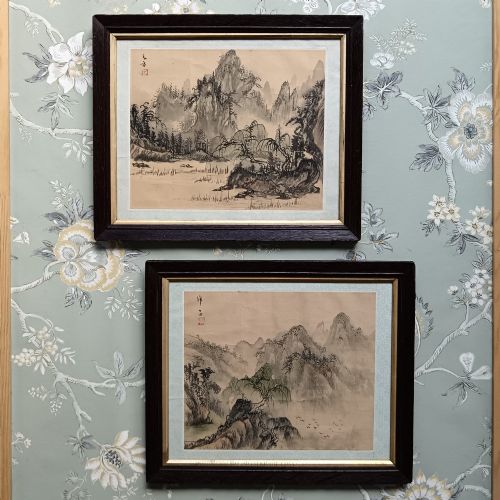
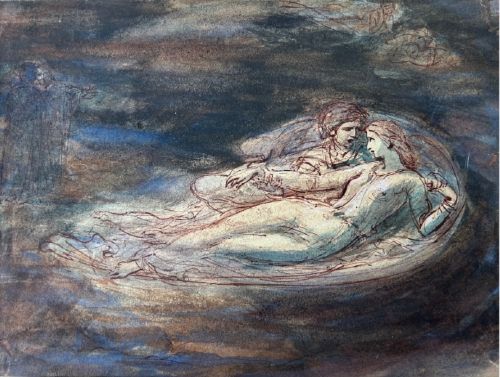
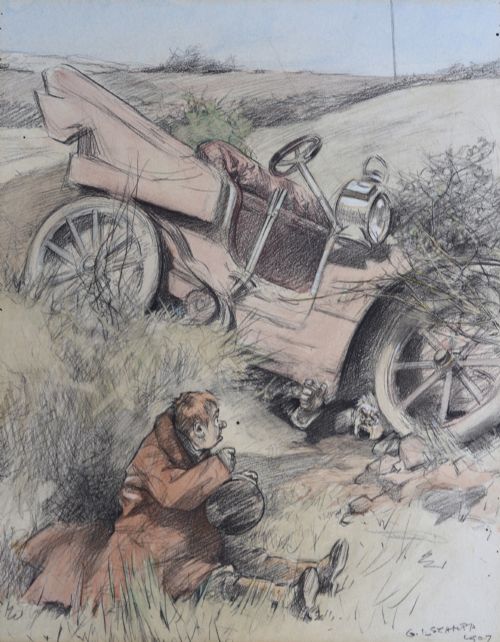
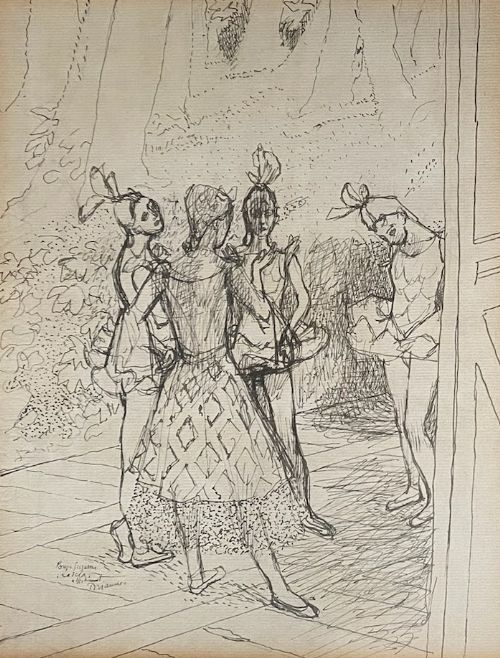
The selection encompasses diverse regional schools and varied subject matter, including architectural studies, theatrical scenes, landscapes, and portraits. Works often combine ink with wash, watercolour, gouache, or pencil on paper supports, occasionally presented within period frames.
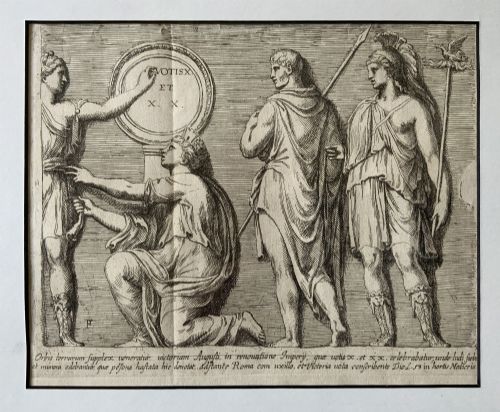
You find pieces originating from British, French, Spanish, and Chinese hands, reflecting both preparatory studies for larger paintings and independent works on paper. The range extends from nineteenth-century historical subjects to mid-century modernist interpretations.
Materials and methods
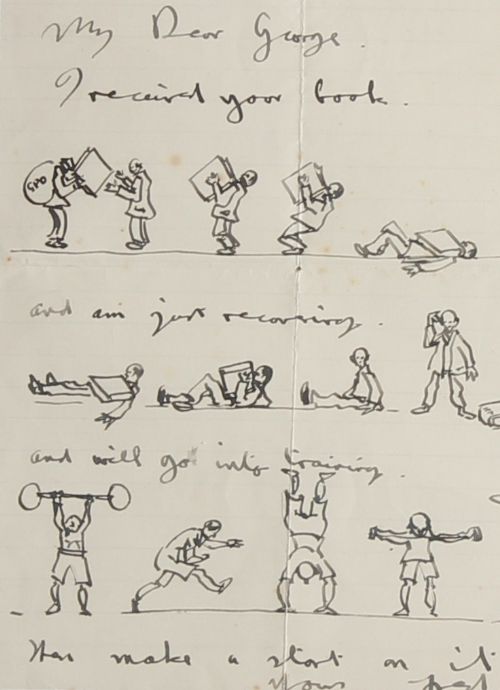
Draftsmen utilise liquid ink applied with pens or brushes onto paper or occasionally silk supports, relying on line and fluid dynamics to define form. Many pieces incorporate wash, watercolour, or gouache to build tonal depth and colour gradients behind the primary ink lines.
Supports consist primarily of various grades of paper, which age and tone over decades, while framing often involves glass and wood to protect delicate media from environmental exposure.
Original Ink Artwork Retail Price Guide 2026
Typical asking prices for original ink artwork among the pieces listed under this phrase on Sellingantiques today, from the lower quarter to the upper quarter. They describe what is for sale here now, not the wider market.
Cats, battle scenes, ballet dancers, and literary villains all share the same stubborn fondness for ink on paper.
Distinctions in quality
Quality rests upon the sureness of the hand, where decisive line-work and confident economy of stroke distinguish masterly draughtsmanship from hesitant execution. The relationship between positive line and negative space reveals the creator's structural understanding.
Condition and preservation heavily influence standing, particularly the stability of the ink, the absence of excessive acidic discolouration in the paper support, and the retention of original framing or provenance markers.
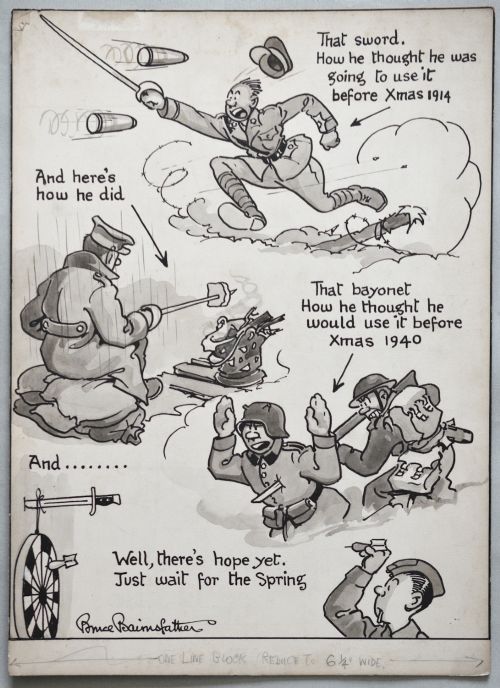
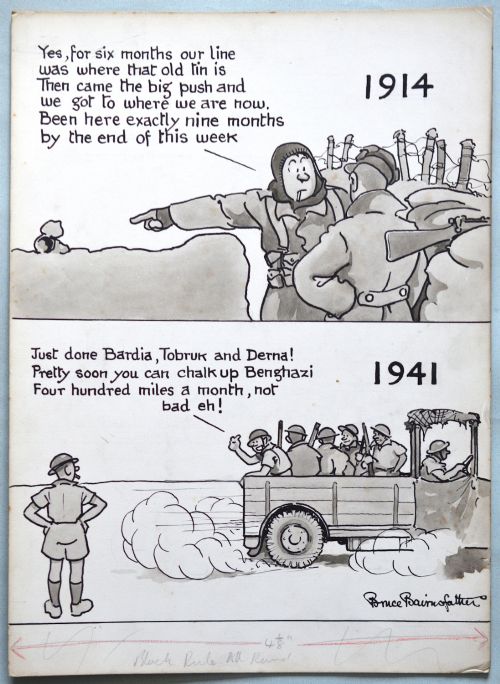
Jacob Kramer·Bruce Bairnsfather·Louis Wain·Lucien Freud·Lawrence Stephen Lowry
The Original Ink Artwork Glossary
- Wash
- A technique where ink or watercolour is diluted with water to create translucent layers of tone. It provides shadow and atmospheric depth behind crisp pen lines.
- Gouache
- An opaque watercolour medium containing a binding agent, used to add solid highlights and body to mixed-media ink drawings.
- Etching
- A printmaking process where lines are bitten into a metal plate with acid before printing, distinct from direct unique drawing but sharing linear qualities.
- Preparatory study
- A preliminary sketch or drawing executed by an artist to plan composition, lighting, or anatomy prior to creating a final painted work.
- Works on paper
- A collective category encompassing drawings, watercolours, prints, and sketches executed on paper supports.
Original Ink Artwork: Frequently Asked Questions
How do I care for original ink artwork?
Protect works on paper from direct sunlight and high humidity to prevent the ink from fading and the paper from yellowing. Display them behind UV-filtering glass where possible.
Keep pieces away from fluctuating temperatures and moisture sources to maintain the integrity of both the paper support and any applied watercolour or wash media.
Are ink drawings preparatory studies or finished pieces?
Both categories exist within historical works. Some pieces served as preliminary compositional studies for larger paintings, while others were conceived as standalone finished works.
Examining the level of detail, signature placement, and framing often helps clarify whether a piece was intended as an independent statement or a step in a larger process.
How can I tell the period of an ink drawing?
Dating relies on stylistic markers, paper characteristics, subject matter, and inscriptions or signatures. Mid-century modern works differ visibly in line economy from nineteenth-century academic or Pre-Raphaelite studies.
Examining framing materials, backing boards, and any historical gallery labels on the reverse also provides reliable clues regarding the era of creation.
What is the difference between ink and wash?
Ink refers to the concentrated linear marks made with a pen or fine brush, defining outlines and details with precision. Wash involves diluting that same ink to apply transparent, painterly pools of tone.
Artists frequently combined the two techniques to establish both sharp contours and soft atmospheric shadows within a single composition.