





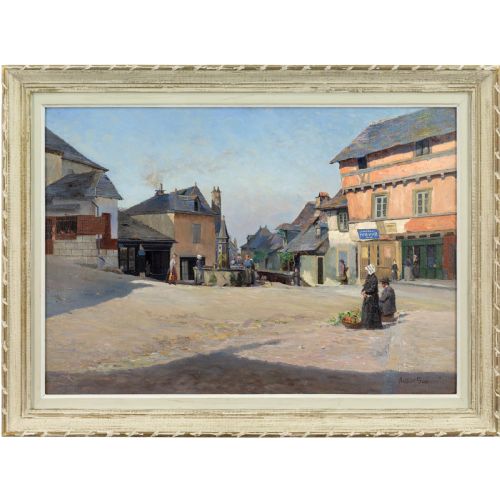
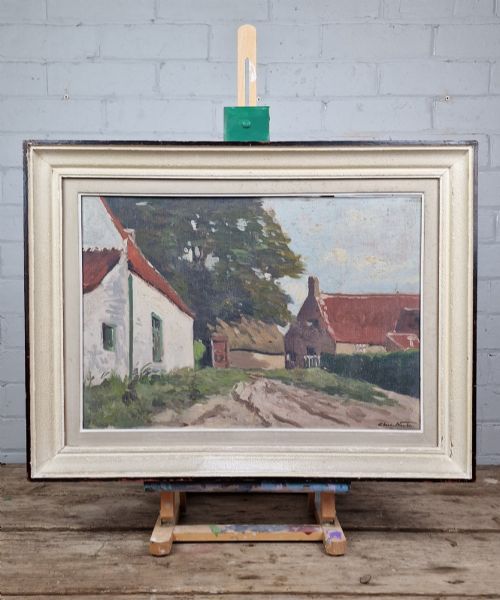
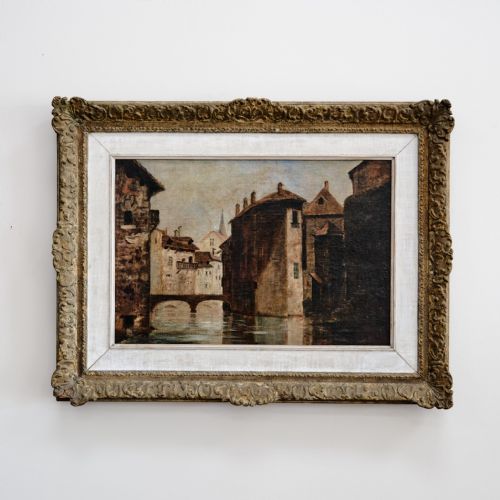
Original Impressionist Landscape
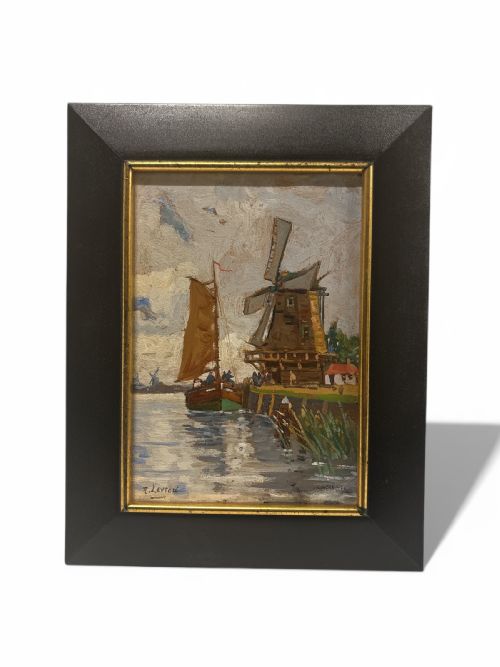
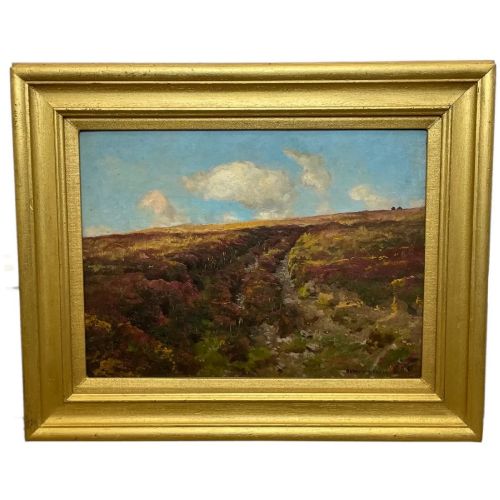
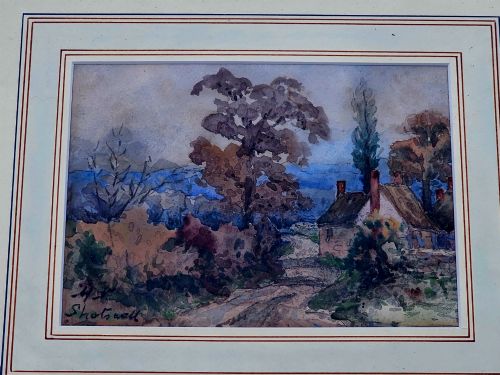
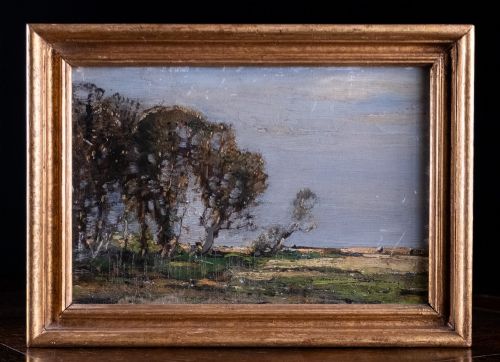
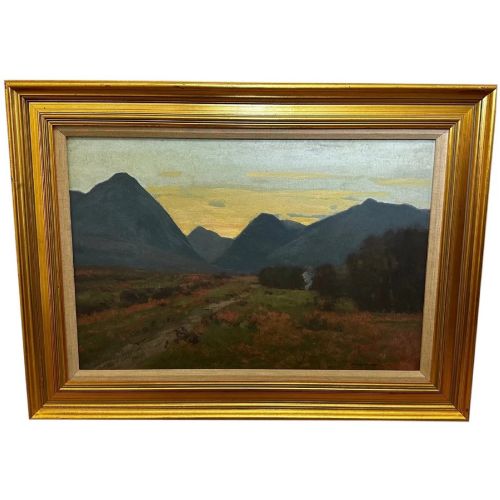
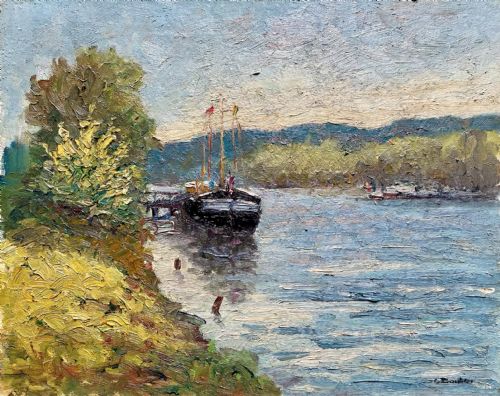
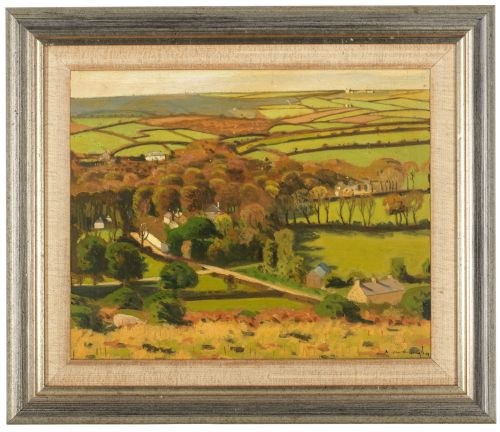
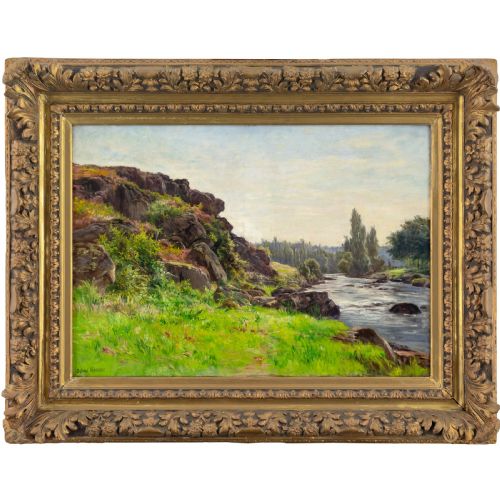
When you search for an original impressionist landscape, you are looking at vibrant works capturing light and atmosphere across canvas, wood, and paper.
Original Impressionist Landscape
An original impressionist landscape brings immediate character to a wall through loose brushwork and a focus on natural light. When you search for an original impressionist landscape, you meet works spanning from the nineteenth century through to the mid-twentieth century.
The versions most common on this page include oil paintings on canvas or board, alongside watercolours on paper. Subjects range from rural farmyards and river scenes to coastal Cornish harbours and French waterways.
Makers and painters represented here draw from British, French, Belgian, and Italian traditions. Works often show scenes created en plein air, recording fleeting atmospheric conditions directly onto the support.
How they were made
Painters applied oil paint or watercolour onto prepared supports of canvas, wood panels, board, or paper. Artists utilised quick, visible brushstrokes to record shifts in daylight rather than blending pigments into smooth transitions.
Many works were painted en plein air outdoors, directly capturing the subject using impasto techniques where thick paint stands proud of the surface. Canvases were stretched over wooden frames, whilst boards and wood panels provided rigid surfaces for outdoor sketching.
Original Impressionist Landscape Retail Price Guide 2026
Typical asking prices for original impressionist landscape among the pieces listed under this phrase on Sellingantiques today, from the lower quarter to the upper quarter. They describe what is for sale here now, not the wider market.
Several canvases manage to capture sheep wandering through wild garlic without losing their composure.
What varies in quality
Quality rests upon the confidence of the brushwork and the artist's command of light and tone. Stronger examples display a purposeful handling of pigment that creates a palpable sense of atmosphere and space.
The vitality of the composition and the preservation of the original surface determine the standing of a piece. Works that retain their unlined canvases and clear signatures hold greater documentary interest for collectors.
George Graham·Clifford Hanney·Arthur Wardle·Sidney A Court·Kershaw Schofield·George Houston·William Banks Fortescue·Robert Morson Hughes·Gabriel Mathieu·Arthur Gue·Charles Houben·Antonio DeVity·Clive Browne·Hector Caffieri·Lucy Pratt·Ethel Sands·Francisco Sancha·Cyril Walduck Edwards·Eric Brown·Henri Ottmann·Ernest Higgins Rigg·John Hodgson Lobley·Harry Kluge·Sir Alfred East·Donald McIntyre
The Original Impressionist Landscape Glossary
- En plein air
- Painting outdoors to observe landscape lighting directly. This approach allowed artists to capture rapid changes in weather and shadow.
- Impasto
- Paint applied thickly to a canvas or board so that it stands out from the surface. This technique adds literal texture and catches real light.
- Post-Impressionism
- An artistic movement following Impressionism where painters explored emotional depth and structure. Artists pushed beyond pure optical recording into expressive colour.
- Canvas
- A closely woven fabric stretched across a wooden frame to form a painting surface. It remains the primary support for oil works.
Original Impressionist Landscape: Frequently Asked Questions
What is an original impressionist landscape?
It is a hand-painted artwork created during the nineteenth or twentieth century that focuses on light, shadow, and loose brushwork. These pieces depict natural scenery, coastal views, and rural subjects.
They rely on direct observation rather than rigid academic formulas, capturing the fleeting atmosphere of a specific moment in time.
How do I care for an oil painting?
Keep paintings away from direct sunlight, high humidity, and rapid temperature changes. Display them on interior walls where the environment remains stable.
Dust the surface gently with a soft, dry brush without applying pressure to the pigment or canvas.
What is the difference between oil on canvas and oil on board?
Canvas uses stretched fabric over a wooden frame, offering slight give and a traditional textured surface. Board provides a rigid wooden or composite backing.
Both materials were widely used by plein air painters depending on portability and personal preference.
How can I tell the period of a painting?
Examine the materials of the support, framing, and signature styles typical of regional art schools. Signatures, exhibition labels, and stretcher bars often offer clues to the date of creation.
Stylistic shifts between nineteenth-century realism and later modernist approaches also help narrow down the decade.