


Original Impressionist Landscape Art
Original impressionist landscape art brings immediate atmosphere into a room through loose brushwork and natural light.
Original Impressionist Landscape Art
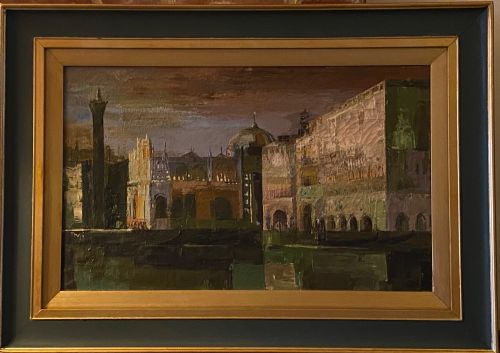
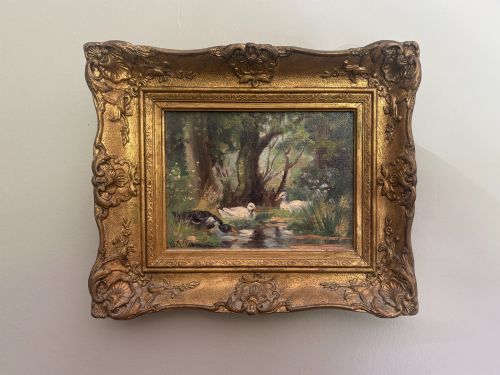
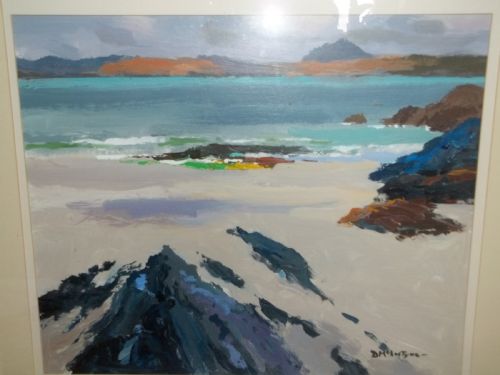
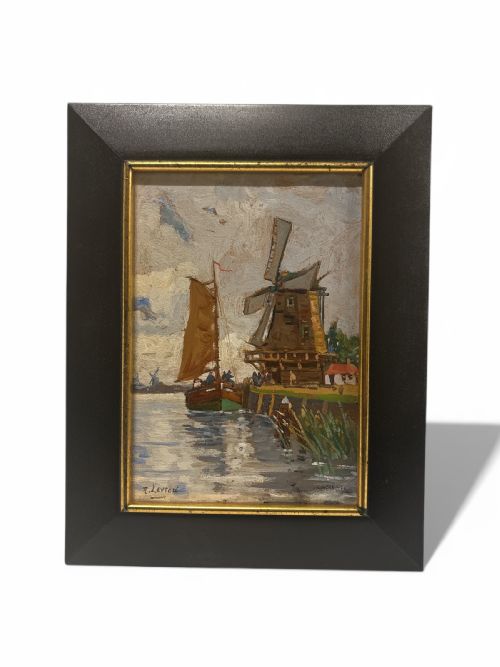
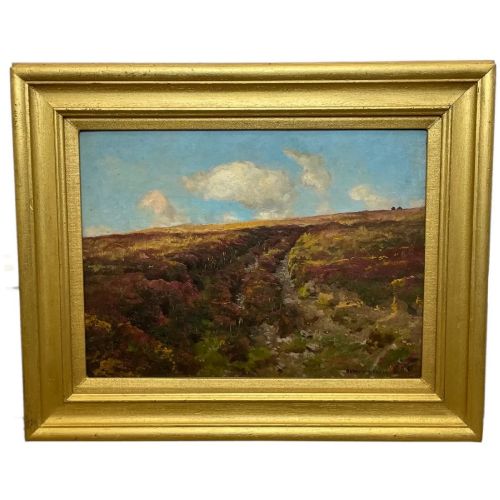
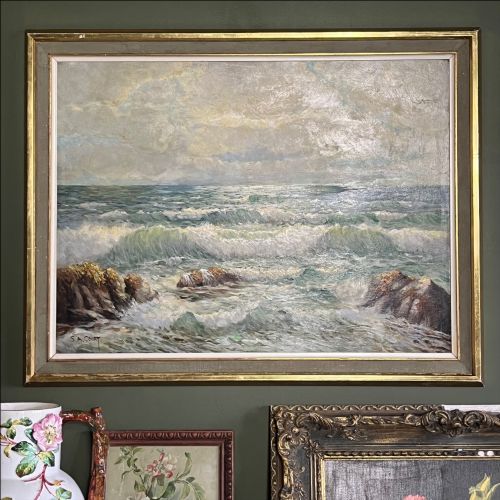
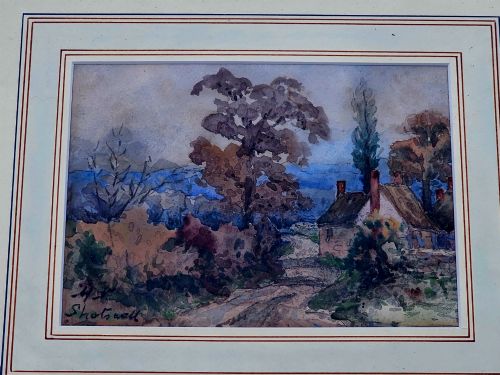
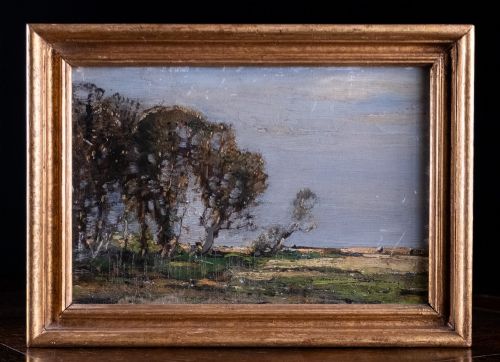
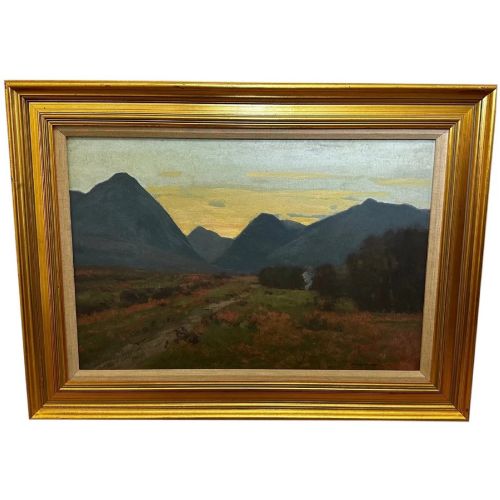
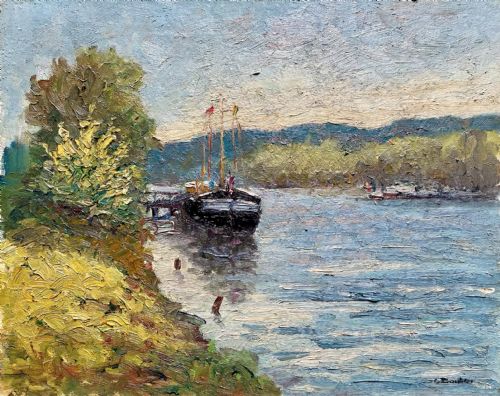
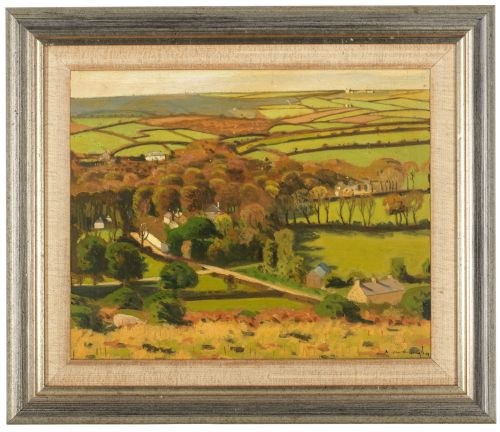
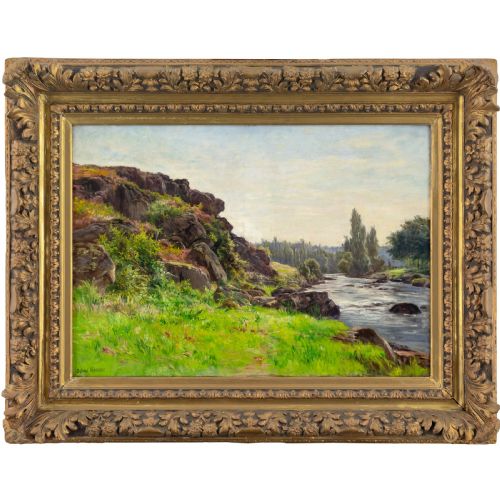
Original impressionist landscape art captures outdoor scenes with visible brush marks and an emphasis on changing light. Buyers searching this phrase encounter oil paintings and watercolours created across the nineteenth and twentieth centuries.
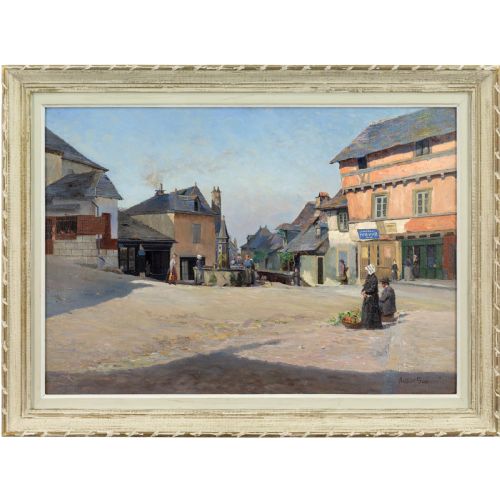
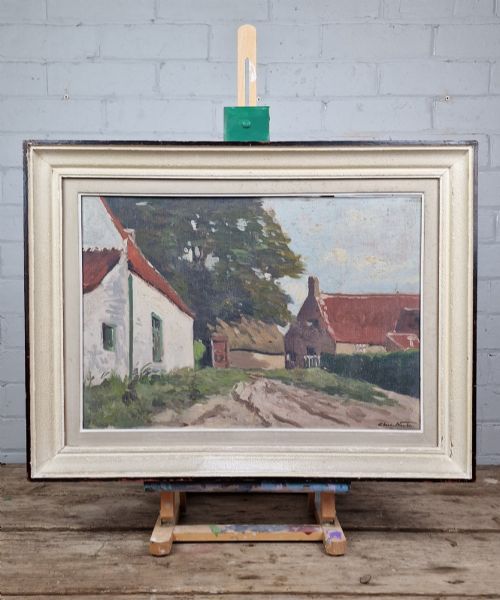
The selection ranges from British scenes in Cornwall and Yorkshire to continental views in France and Italy. Works frequently depict coastal harbours, riversides, and rural farmyards painted en plein air.
Pieces span established regional movements including British Impressionism, Post-Impressionism, and Modern British styles. Many examples carry signatures from named painters active during the Edwardian era and interwar decades.
How they were made
Makers applied oil paint or watercolour onto canvas, wood panels, oil boards, and paper supports. Textured impasto surfaces appear alongside thinned washes of pigment applied directly outdoors.
Pigments were layered to record fleeting effects of sunlight, shadow, and weather. Canvases are frequently housed in original gilt frames that complement the painted palette.
Listings feature oil paint and watercolour across canvas, wood, board, and paper from the nineteenth century onward.
What varies in quality
Quality rests on the confidence of the brushwork and the artist's command of atmospheric light. Stronger compositions capture a convincing sense of place and moment with economical marks.
The handling of colour harmony distinguishes accomplished works from routine topographical views. Condition of the underlying canvas or board and original frame preservation also influence the standing of a piece.
George Graham·Clifford Hanney·Arthur Wardle·Sidney A Court·Kershaw Schofield·George Houston·William Banks Fortescue·Robert Morson Hughes·Gabriel Mathieu·Arthur Gue·Charles Houben·Lucy Pratt·Antonio DeVity·Clive Browne·Hector Caffieri·Ethel Sands·Francisco Sancha·Cyril Walduck Edwards·Eric Brown·Henri Ottmann·Ernest Higgins Rigg·John Hodgson Lobley·Harry Kluge·Sir Alfred East·Donald McIntyre
The Original Impressionist Landscape Art Glossary
- Impressionism
- A nineteenth-century painting style focused on capturing the visual impression of the moment, particularly shifting light and open-air subjects. Practitioners rejected smooth academic finishes in favour of rapid, visible brushstrokes.
- En plein air
- The practice of painting outdoors directly from the subject to record natural light and weather conditions. This method became central to impressionist landscape artists.
- Impasto
- Paint applied thickly to a canvas or board, standing out from the surface so that the marks of the brush or palette knife remain visible. It adds physical texture and depth to foliage, water, and sky.
- Post-Impressionism
- An artistic development extending impressionist techniques while exploring more structured forms, expressive colours, and symbolic content. Artists working in this mode prioritized personal vision over strict optical recording.
- Gilt
- A thin layer of gold leaf or gold paint applied to wooden picture frames. This finish enhances the visual warmth and boundary of the artwork.
Original Impressionist Landscape Art: Frequently Asked Questions
What is impressionist landscape art?
Impressionist landscape art captures natural scenery using visible brushstrokes, unblended colours, and a focus on changing light.
These works prioritize the overall visual experience of a scene rather than precise topographical detail.
How do I date an antique oil painting?
Dating relies on stretcher construction, canvas types, pigment analysis, and stylistic markers recorded by the artist.
Signatures, exhibition labels, and framing materials also provide key chronological evidence for verification.
What does en plein air mean?
En plein air refers to the practice of painting outdoors in front of the actual landscape subject.
This technique allowed artists to observe shifting weather and natural light directly while working.
How should I care for oil paintings?
Oil paintings require stable indoor humidity away from direct sunlight and dramatic temperature fluctuations.
Surfaces should be kept free of dust using a soft, dry brush without applying liquid cleaners.