

Original Georgian Painting
An original georgian painting captures the likenesses, landscapes, and scenes of the eighteenth and early nineteenth centuries in oil and watercolour.
Original Georgian Painting
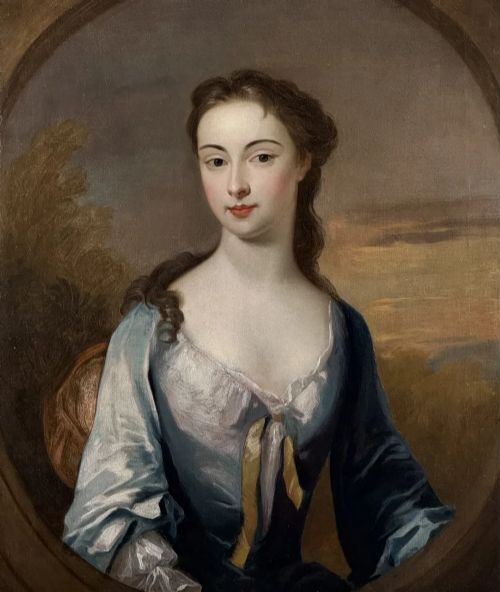
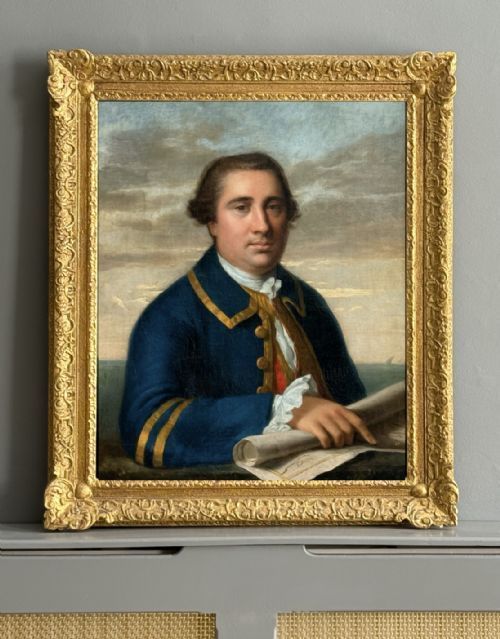
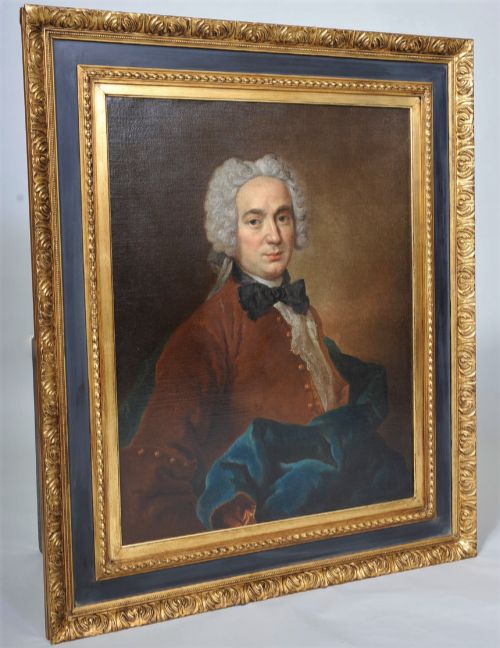
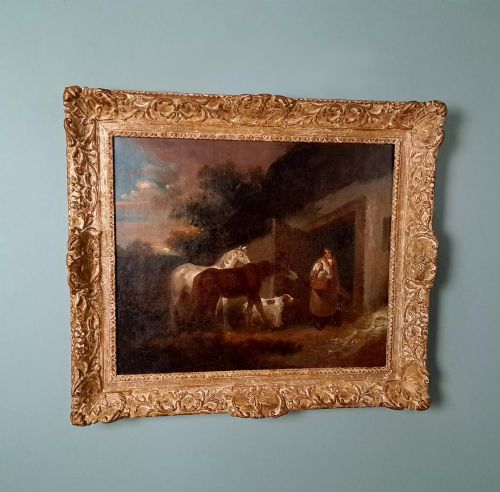
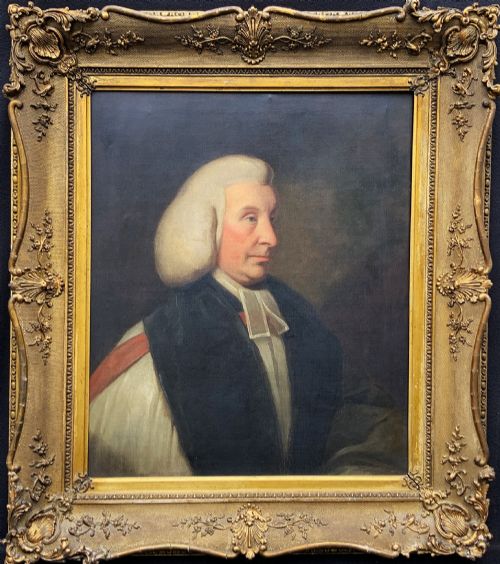
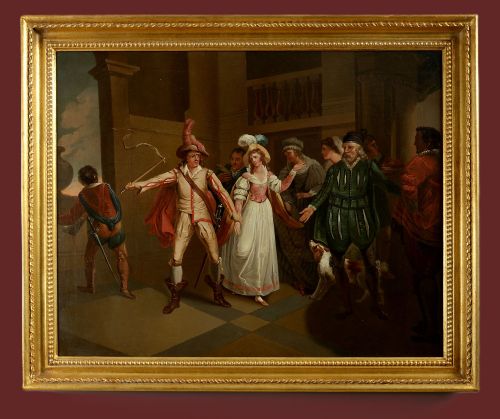
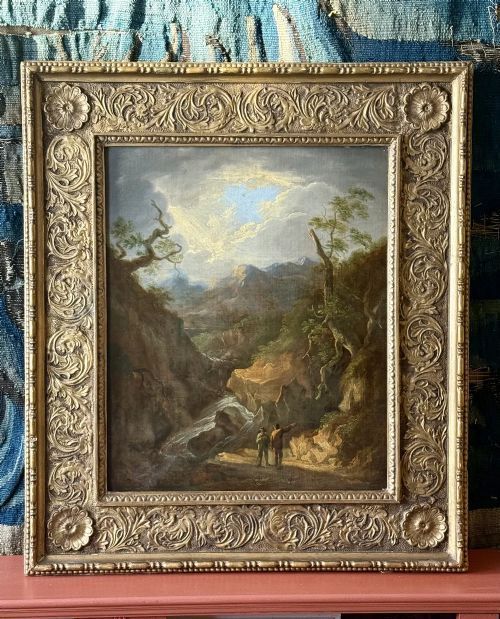
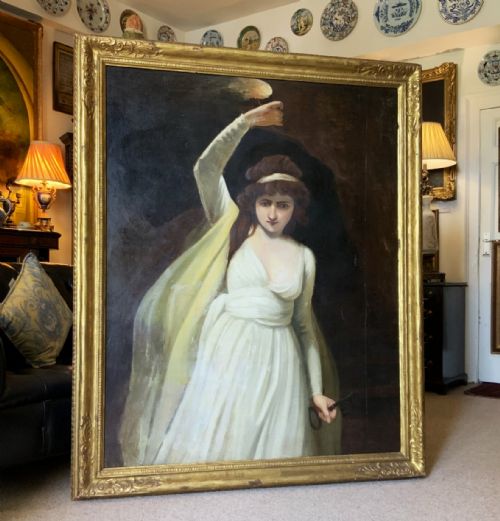
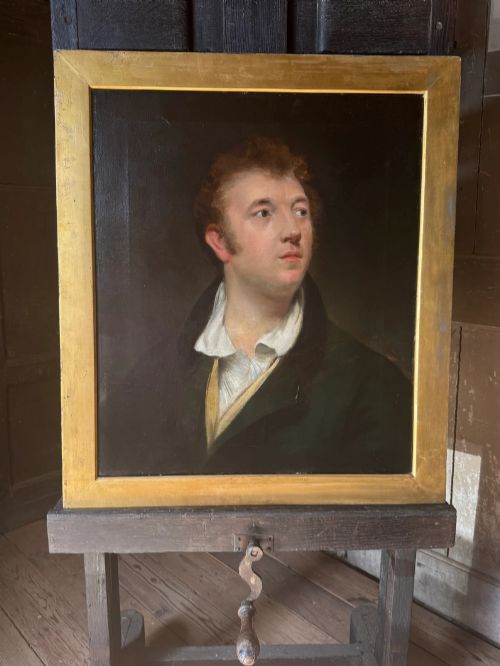
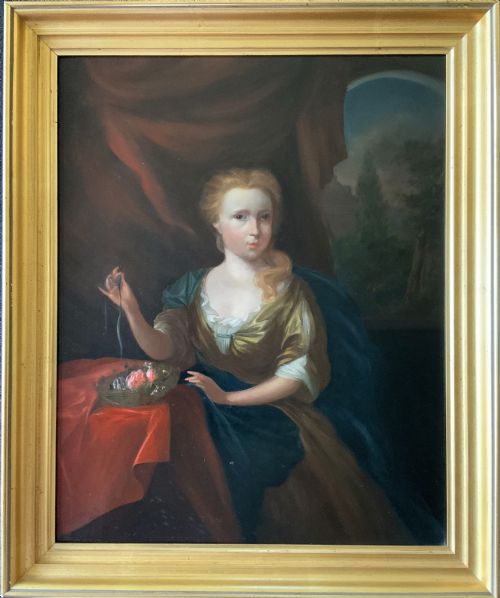
When searching for an original georgian painting, buyers encounter works executed in oil on canvas, on board, and in watercolour on paper dating from the eighteenth and nineteenth centuries. Portraits dominate the selection, depicting sitters from nobility to medical doctors and merchant navy captains, alongside pastoral landscapes and architectural views.
Many of these works remain housed within their original frames, ranging from deep moulded gilt designs to period wooden surrounds. Alongside formal portraits, the selection encompasses domestic scenes, silhouettes, and grisaille studies.
The materials reflect the period of production, with canvases stretched over wooden frames or laid onto wooden panels and boards. Paper supports preserve delicate watercolours, often protected beneath glass within period mounts.
How They Were Made
Artists of the period applied oil paint to stretched canvas or prepared wooden panels, utilising pigments mixed with oils to achieve depth and tonal gradation in portraits and landscapes alike. Watercolour works on paper employed finely ground pigments suspended in water, sometimes finished with gouache highlights.
Framing techniques involved carved and gilt wood moulding or simpler ebonised surrounds designed to house and protect the canvas or paper. Canvases were occasionally laid onto later boards for structural support as the fabric aged.
The archive and active listings include landscapes, architectural studies of abbeys, silhouettes, and detailed portraiture of officers and gentlemen.
What Varies in Quality
The distinction between works rests upon the skill of the brushwork, the anatomical accuracy of the figures, and the psychological depth captured in portrait subjects. Named artists with documented exhibition histories command greater attention than anonymous works of the broader English or Regency schools.
Condition plays a central role, distinguishing works with undisturbed original surfaces and untouched canvas from those requiring extensive relining or overpainting. The presence of a period frame matching the era of the painting enhances the integrity of the piece.
Charles Jervas·Lemuel Francis Abbott·William Joseph Shayer Senior·Benjamin Barker of Bath·Margaret Sarah Carpenter·John Opie·James Howe·George Morland·George Kilburne·John Constable·John Daniel Bond·John White Abbott
The Original Georgian Painting Glossary
- Oil on Canvas
- Pigment bound in drying oil applied to a woven fabric support stretched across a wooden frame. This medium allowed artists to blend tones smoothly and build rich textures.
- Grisaille
- A painting executed entirely in shades of grey or neutral monochrome, often used to emulate sculpture or as a preparatory study. The technique emphasises form and light over colour.
- Watercolour
- A paint consisting of colour pigments suspended in a water-soluble vehicle, typically applied to paper. It produces translucent washes of colour suited to delicate landscapes and miniature portraits.
- Relined
- A conservation process where a deteriorated original canvas is attached to a new backing canvas for structural stability. This procedure secures fragile fabrics against further sagging or tearing.
- Miniature
- A small-scale portrait or painting, often executed on ivory, vellum, or paper during the Georgian period. These intimate works were frequently designed to be worn as lockets or kept in protective cases.
Original Georgian Painting: Frequently Asked Questions
How do I identify a Georgian portrait?
Georgian portraits typically display the distinct costume, hair styling, and lace collars characteristic of the eighteenth and early nineteenth centuries. Portrait sitters often wear powdered wigs or period attire such as blue dresses or naval uniforms.
Signatures, artist attribution labels, or biographical inscriptions on the reverse of the canvas or frame frequently provide further historical context.
What is canvas laid onto board?
Canvas laid onto board describes a conservation or mounting method where an older painted canvas is adhered to a rigid wooden panel or board. This process provides physical support to fragile or splitting fabric.
Such measures help preserve the paint layer from flaking and allow the artwork to fit securely within standard frames.
Are these paintings in original frames?
Many listings specify whether a painting retains its period frame, such as ornate gilt deep moulded designs or ebonised wooden surrounds. Original frames show the wear, patina, and construction methods appropriate to their age.
Matching frames add historical completeness to the artwork, though some pieces have been reframed over the centuries.
How should I care for an antique oil painting?
Antique oil paintings require stable indoor humidity levels and protection from direct sunlight to prevent the canvas from drying and the paint from cracking. Dust should be removed gently from the surface using a soft, dry brush without applying moisture or cleaning solvents.
Professional conservators should handle any structural repairs, cleaning of discoloured varnish, or canvas stabilization.