



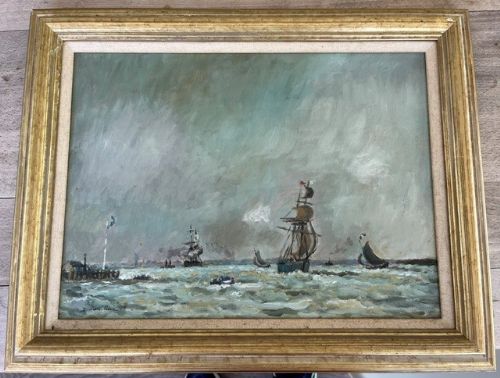
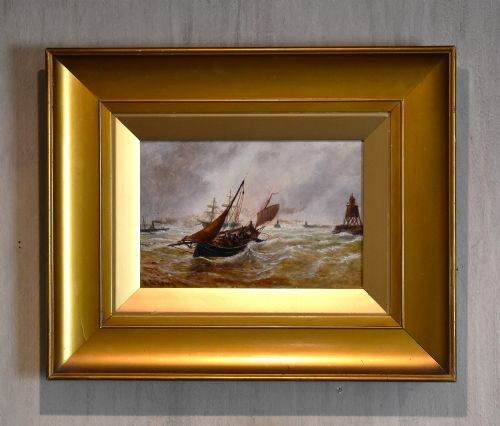
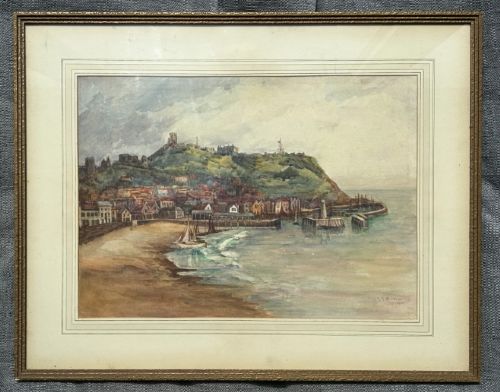


Original Framed Sea Painting
An original framed sea painting captures maritime life and coastal expanses through historic brushwork.
Original Framed Sea Painting
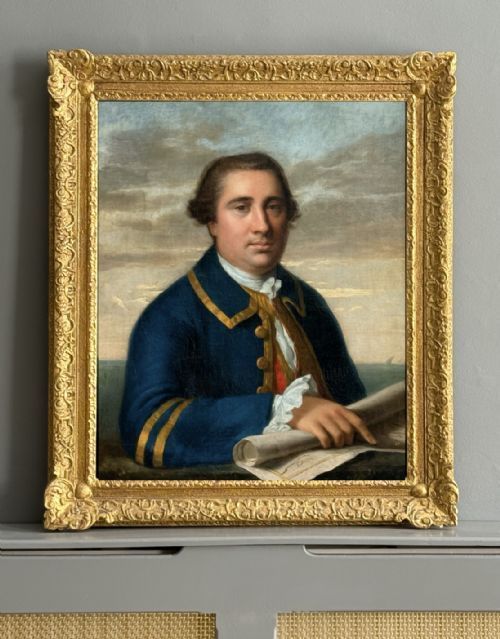
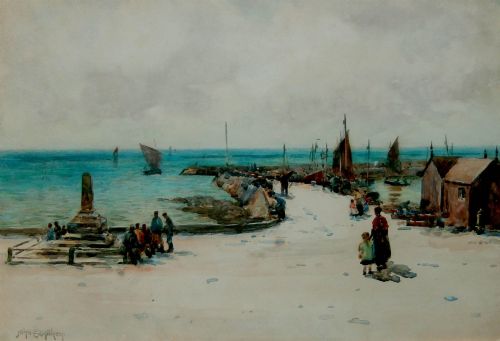
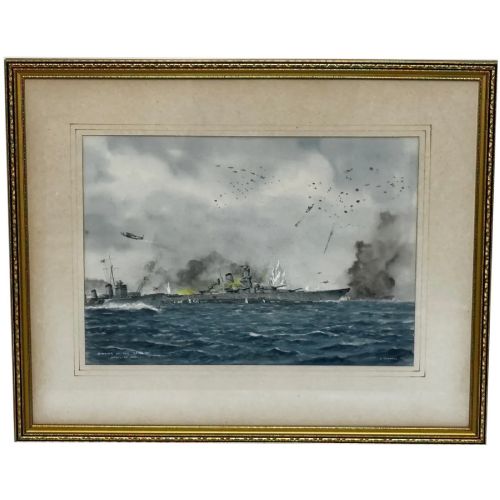
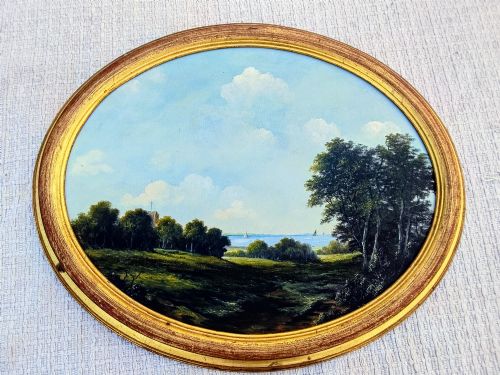
When searching for an original framed sea painting, collectors encounter works depicting coastal scenes, harbours, and ships on open water. These pieces span from the eighteenth century through the Victorian era and into the mid-twentieth century.
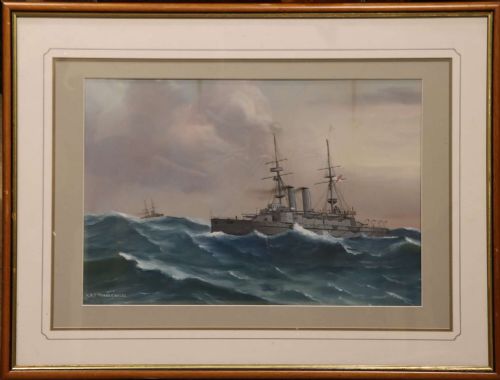
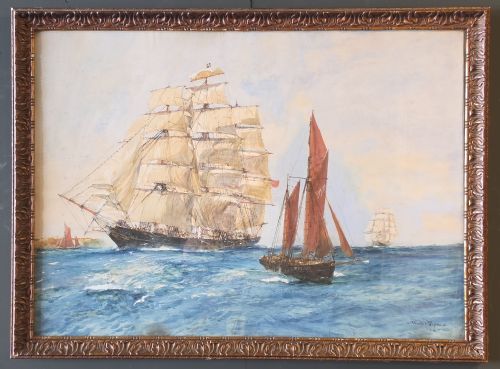
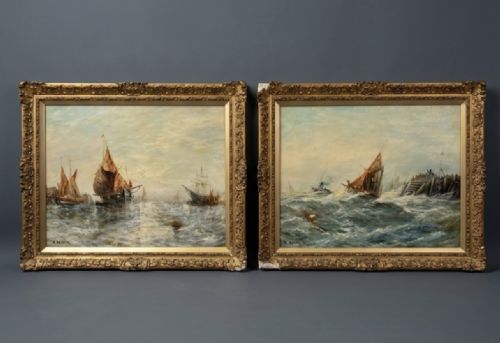
The most common examples on this page are nineteenth-century watercolours and oils on canvas or board. Makers capture specific coastal locations, naval engagements, and fishing vessels within period frames of wood or gilt wood.
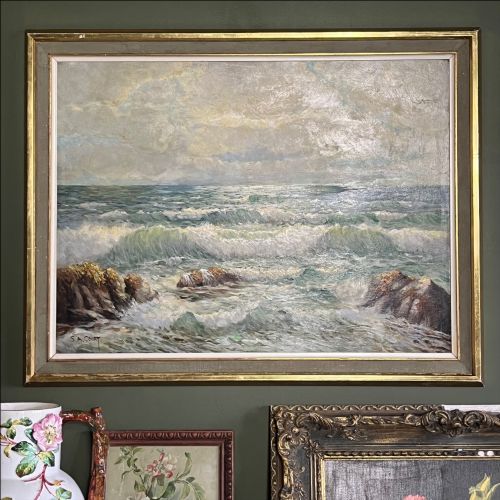
Victorian maritime and British Impressionism styles dominate the selection. Works range from calm harbour inlets to stormy seas, reflecting various approaches to marine subject matter.
Materials and Techniques
Artists painted on stretched canvas, wooden boards, heavy paper, and card using oil paint or watercolour. Many works include gouache highlights or ink details applied with fine brushes.
Makers housed these paintings in bespoke wooden frames, frequently finished in gilt. Glazed protection is standard for works on paper and watercolour, while oil paintings on canvas remain unglazed.
Listings feature paper, canvas, and wood panel as supports, with both watercolour and oil paint utilised across centuries.
Quality and Execution
Quality rests in the handling of light on water and the accurate depiction of rigging, hull structure, and coastal topography. Finer works demonstrate confident brushwork en plein air or precise studio composition.
The integrity of the original frame and the clarity of the artist's signature or attribution contribute to the standing of a piece.
James Orrock·Sidney A Court·Charles Edward Dixon·John E Aitken·Eric Tufnell·William Banks Fortescue·Bernard Benedict Hemy·F A Roylance·Raymond Moritz·Charles Napier Hemy·Jean Baptiste Olive·William Lee Hankey·William Frederick Settle·William Tuck·John Bell·Roger de la Corbiere·Samuel Owen·Frederick Stuart Richardson·Thomas Rose Miles·John McDougal·Peter Ghent·V Dybdal·Roland Stead·F Norie·Gordon Clifford Barlow
The Original Framed Sea Painting Glossary
- Gouache
- An opaque water-based medium that provides solid colour and sharp highlights on paper. Artists utilised it to render the bright glare on waves and ship sails.
- En plein air
- Painting outdoors to capture natural light and atmospheric conditions directly. This method produced immediate, observational coastal scenes.
- Gilt wood
- Timber frames coated with a thin layer of gold leaf or metallic paint. These ornate surrounds complement traditional marine subjects.
- Maritime
- Pertaining to the sea, ships, and seafaring life. Such art focuses heavily on naval vessels, clippers, and coastal harbours.
- Watercolour
- Pigments ground in water-soluble binders applied to paper. It creates luminous washes that suit depictions of sky and sea.
Original Framed Sea Painting: Frequently Asked Questions
How do I date an antique sea painting?
Examine the materials, such as the weave of the canvas, the type of paper, and the construction of the wooden stretcher or panel. Stylistic clues in the clothing of figures or the rig of the ships also provide chronological markers.
Signatures, exhibition labels on the reverse, and the style of the original frame help narrow down the decade of creation.
What is the difference between oil and watercolour marine works?
Oil paintings utilise slow-drying pigment suspended in oil on canvas or board, yielding rich textures and deep tones. Watercolours use water-soluble pigments on paper, producing lighter, translucent effects.
Oils generally require no protective glass and suit heavy seas, while watercolours need glazing to protect the paper from moisture.
Where should I hang a framed coastal painting?
Display these works away from direct sunlight and sources of extreme heat to protect pigments and wooden frames. Stable indoor humidity prevents warping in panels and paper.
Choose wall spaces that offer eye-level viewing to appreciate the fine brushwork of harbour scenes and maritime details.
How do I identify different types of historical ships in art?
Study the number of masts, the arrangement of sails, and the presence of cannons. Nineteenth-century works frequently feature clipper ships, fishing smacks, and naval men-of-war.
Changes in maritime technology across the eighteenth, nineteenth, and twentieth centuries dictate the vessel shapes seen in these paintings.