
Original Fine Art Portrait
An original fine art portrait brings the character of past centuries into a room through oil paint and canvas.
Original Fine Art Portrait
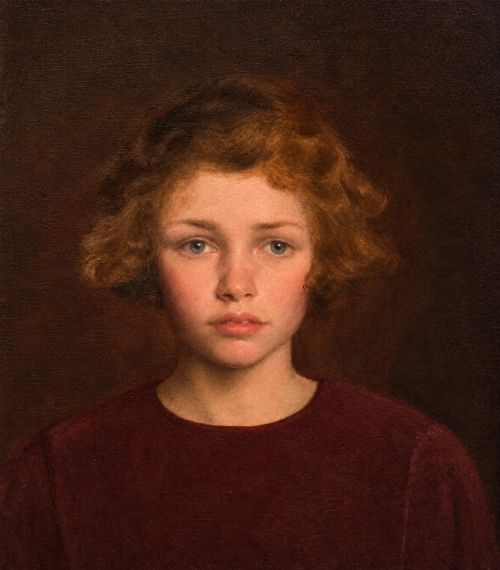
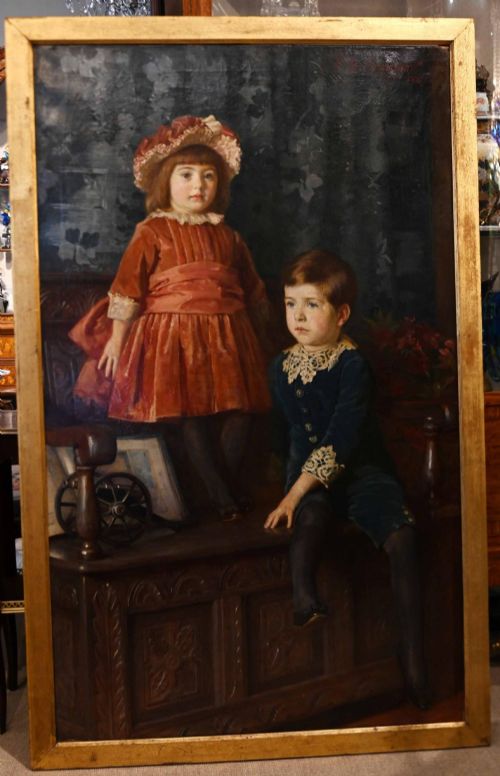
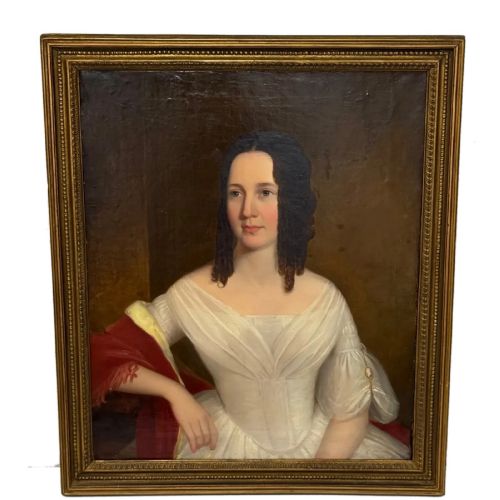
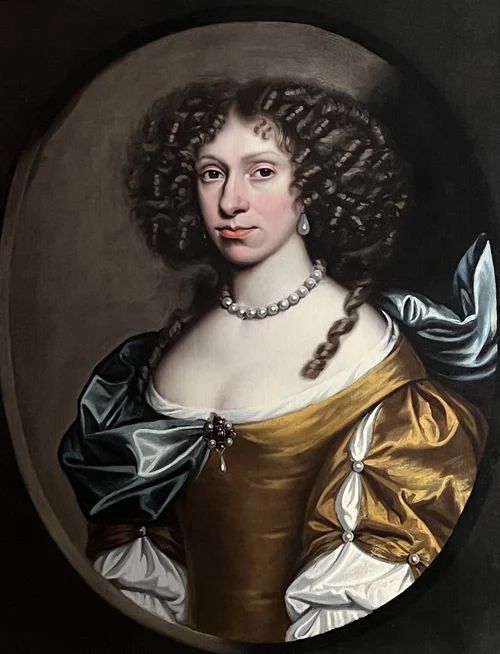
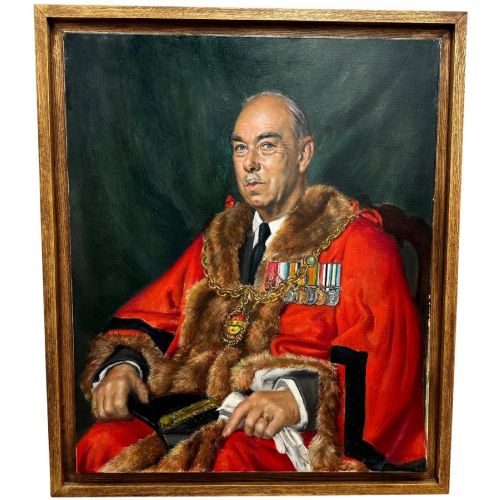
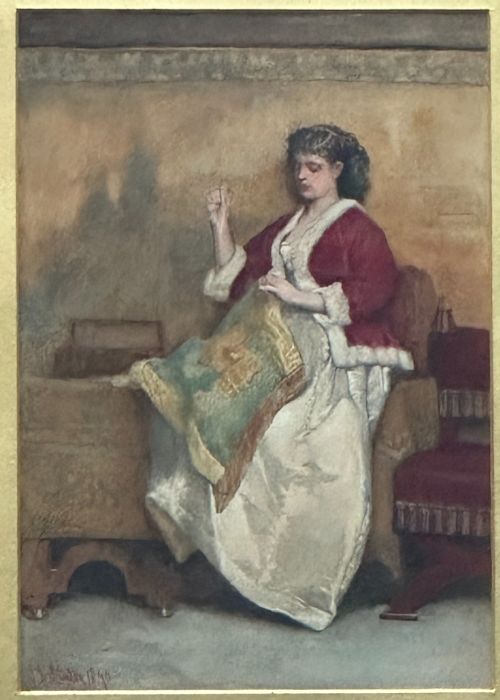
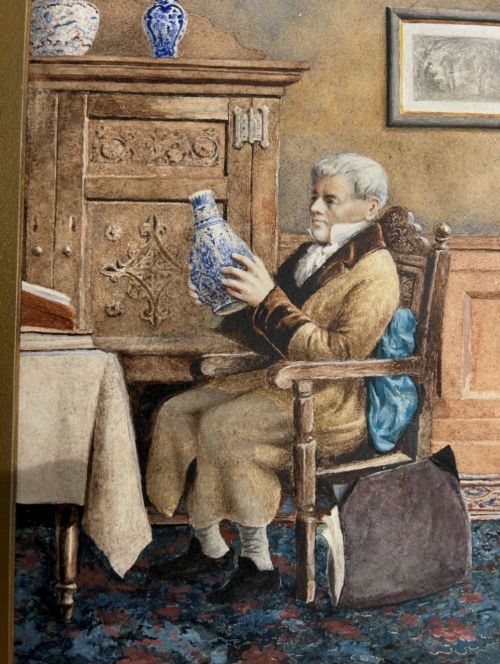
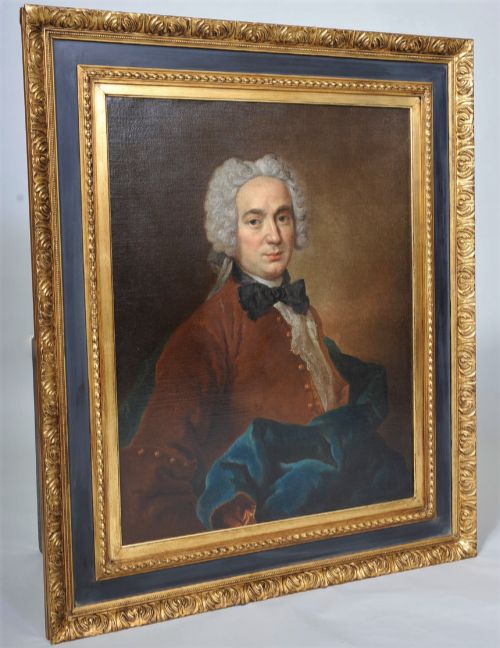
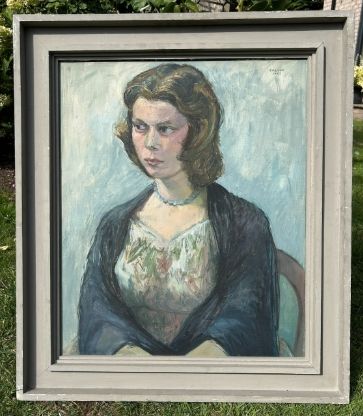
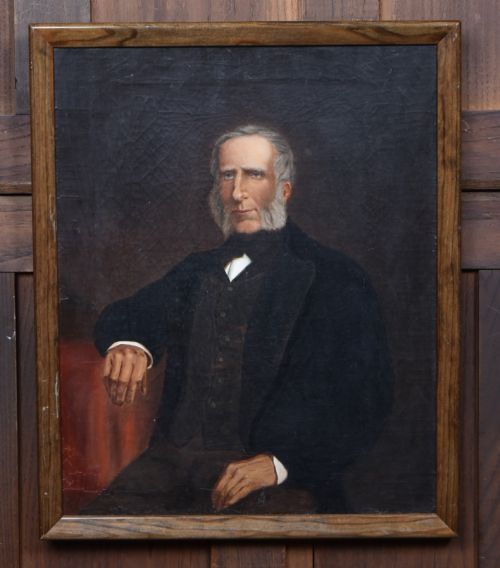
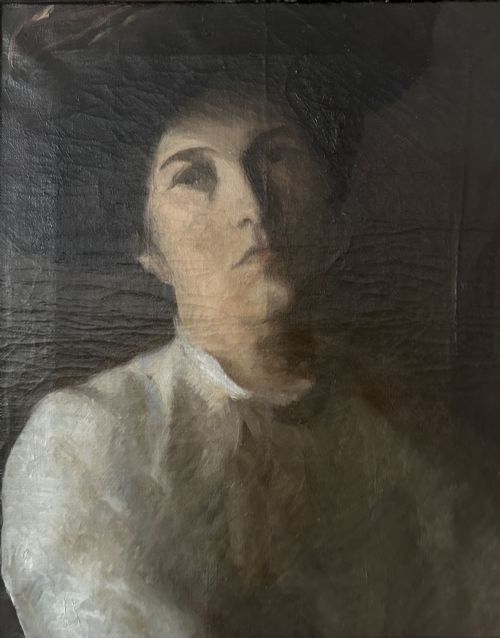
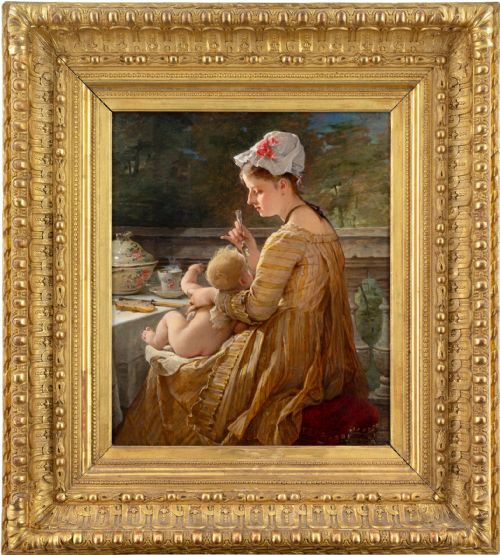
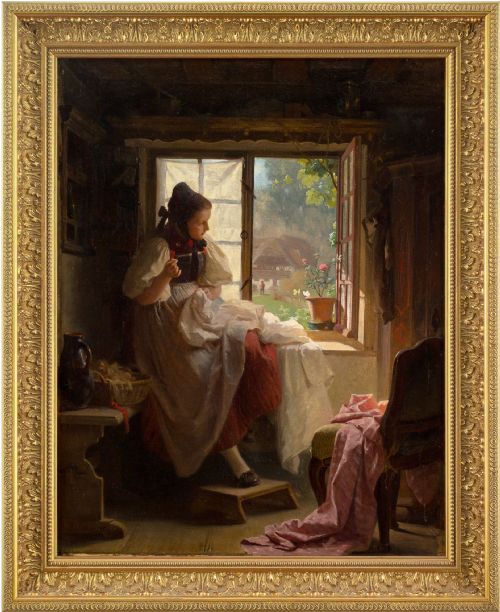
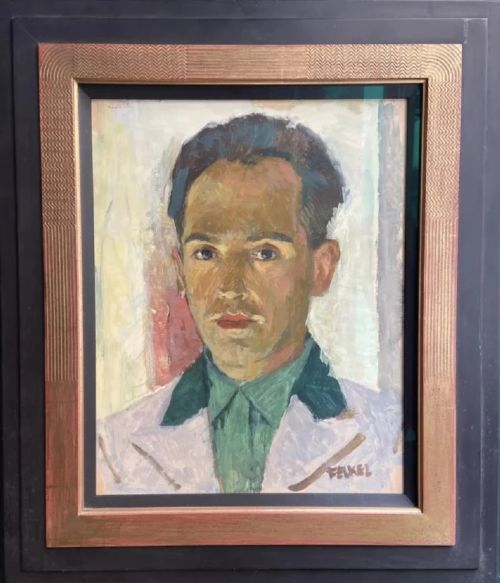
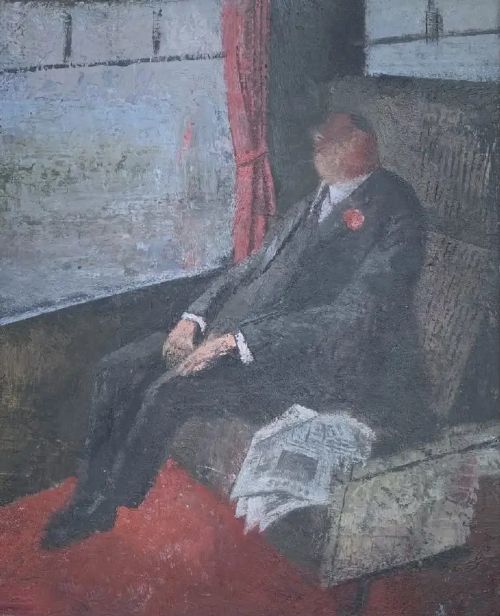
An original fine art portrait captures the likeness and status of historical sitters through the medium of hand-painted oils or watercolours. Buyers searching for an original fine art portrait will encounter works executed across several centuries, stretching from the seventeenth century through the Georgian and Victorian eras into the mid-twentieth century.
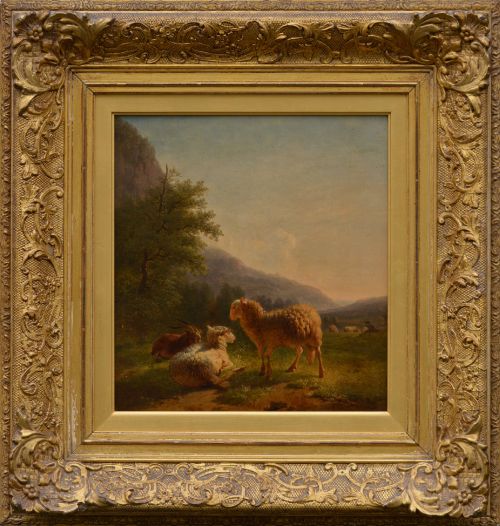
The subjects range from notable architects and mayors to anonymous sitters captured by regional schools or named Academicians. Most pieces on this page are oil paintings rendered on canvas or wood panels, framed in period giltwood.
These works function simultaneously as historical records and decorative focal points for domestic interiors. Their presence anchors a room with tangible human history.
Materials and construction
Artists painted primarily with oil on stretched canvas or wooden panels, utilising gesso grounds to prepare the rigid or flexible supports. Brushwork varies from tight academic realism to looser impressionistic strokes, depending on the period and training of the painter.
Frames are frequently constructed from carved wood and finished with gesso and gilt, adding weight and architectural presence to the artwork. Watercolours on paper also appear, protected beneath glass within traditional mounts.
Cats and dogs occasionally steal the show from human sitters in these historic canvases.
Factors of distinction
Quality in portraiture rests upon the artist's ability to render anatomy, light, and psychological depth convincingly. Superior works display confident handling of hands, facial expressions, and textiles, whereas lesser pieces can feel stiff or formulaic.
The prominence of the maker, the documented identity of the sitter, and the survival of the original giltwood frame elevate a piece significantly. Condition of the pigment layer and the stability of the canvas also dictate the standing of an individual work.
Joseph Clover·David Scougall·Sir James Dromgole Linton·Harold Knight·Albin Mattenheimer·Philip Naviasky
The Original Fine Art Portrait Glossary
- Canvas
- A heavy woven fabric stretched across a wooden frame to serve as a support for oil paint. It provides a flexible yet durable surface favoured by artists for centuries.
- Gesso
- A plaster mixture applied to wood panels or canvas to create a smooth, absorbent base for oil painting or a moulding surface for picture frames. It sets hard before gilding or painting.
- Giltwood
- Wood carved and coated with gold leaf or metallic paint, commonly used for ornate antique picture frames. It adds reflective warmth around the perimeter of a dark painting.
- Academic Realism
- A style of painting produced under the influence of European academies of art, prioritising precise draughtsmanship and classical composition. Works in this style show meticulous attention to detail and texture.
- Regency
- The period in British history from 1811 to 1820, characterised by distinct artistic and architectural elegance. Portraits from this era often feature restrained clothing and soft lighting.
Original Fine Art Portrait: Frequently Asked Questions
How do I date an oil portrait?
Dating relies heavily on the sitter's costume, hairstyle, and the construction methods of the canvas and frame. Examining stretcher bars and pigment types can also narrow down the decade.
Signed works allow researchers to cross-reference the active years of the artist. Comparison with dated works by contemporary regional schools provides further chronological accuracy.
What is the difference between canvas and panel portraits?
Canvas supports became dominant from the seventeenth century onward because they allowed for larger formats and easier transport. Wooden panels were favoured earlier or for smaller, portable cabinet works.
Panels offer a rigid surface that resists punctures but can split with extreme humidity fluctuations. Canvas flexes slightly with atmospheric changes but remains susceptible to tears if mistreated.
How should I care for an antique portrait?
Antique paintings require stable indoor humidity and temperature to prevent cracking in the oil paint and wood warping. Direct sunlight should be avoided to prevent fading of pigments.
Dusting should be performed gently with a soft, dry brush, avoiding any chemical cleaners or water on the painted surface. Professional conservation is recommended for any structural repairs.
Are antique frames original to the paintings?
Many portraits retain their original frames, which were often chosen by the artist or patron to complement the aesthetic of the composition. A period-correct frame enhances the historical integrity of the piece.
Over the centuries, frames were sometimes changed due to damage or shifting interior tastes. Examining the rabbet and mounting marks can reveal whether a frame has been married to the canvas later in its life.