





Original Expressionist Oil Portrait
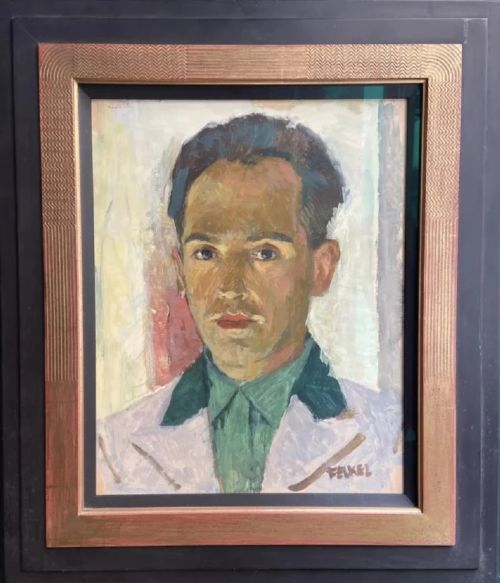
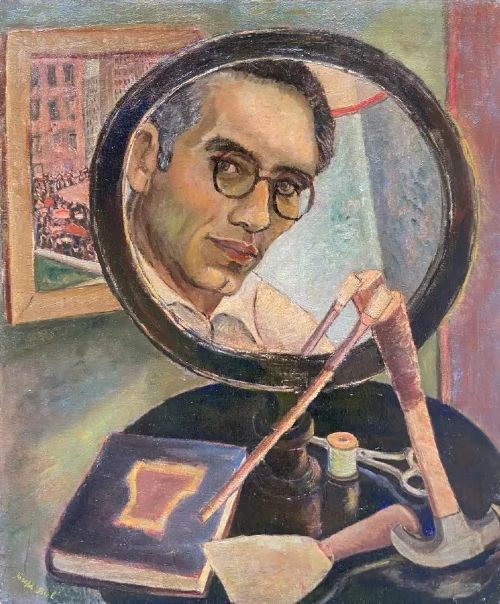
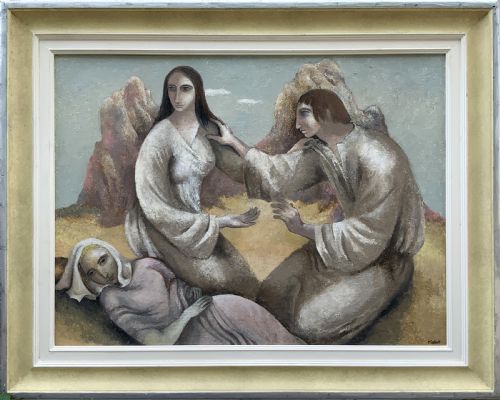
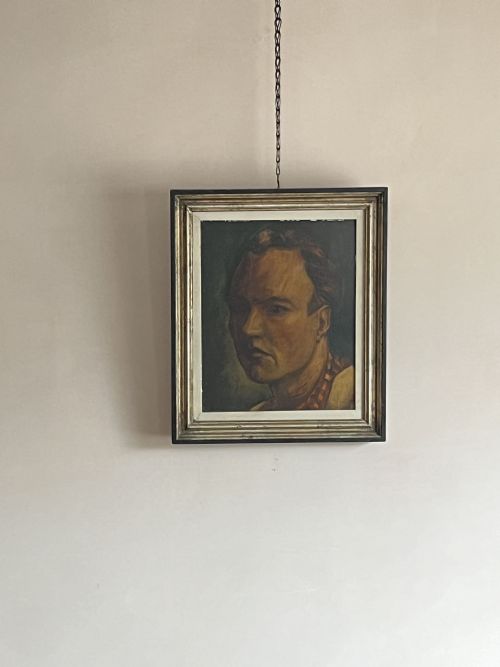
An original expressionist oil portrait carries the raw intensity of the artist's hand, offering a direct psychological encounter that defines any serious interior.
Original Expressionist Oil Portrait
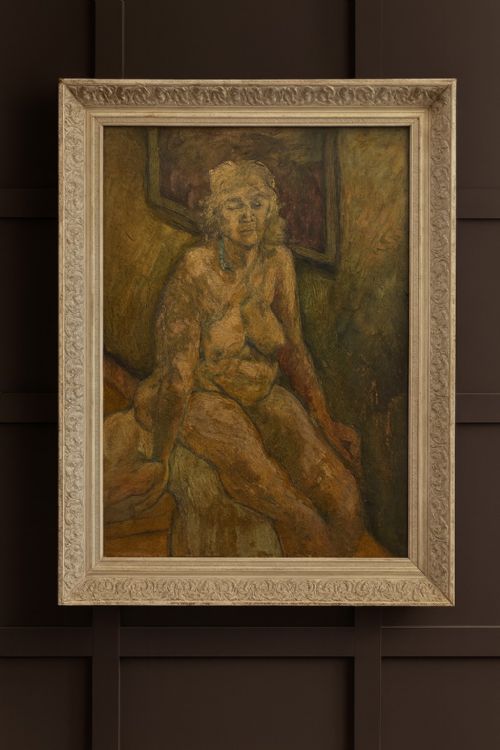
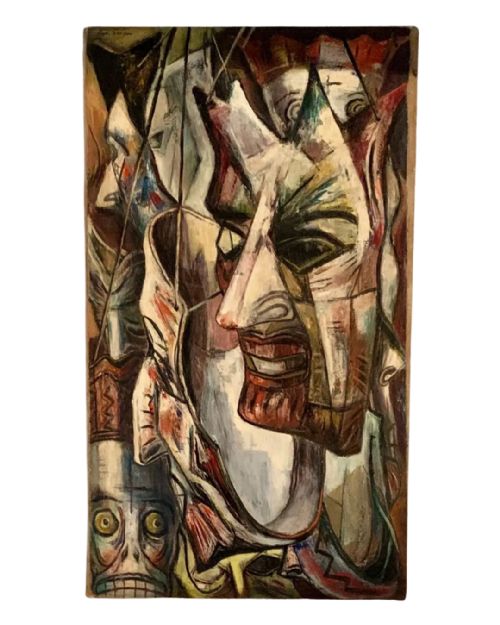
When you search for an original expressionist oil portrait, you encounter works spanning the decades from the Edwardian era through the mid-century modern period, with strong representation from the nineteen-twenties to the nineteen-sixties. These pieces capture sitters, self-portraits, and nudes through distorted perspectives and emotional colour palettes rather than strict academic likeness.
The selections on this page lean heavily toward mid-century expressionism, cubist influences, and avant-garde new figuration. You will find self-portraits, seated female nudes, and psychological studies executed by named European and American artists alongside anonymous twentieth-century creators.
How they were made
The medium relies primarily on oil paint applied to stretched canvas or wooden board, occasionally incorporating impasto techniques to build thick, tactile surfaces that catch the light. Some compositions integrate metallic leaf or are laid down onto secondary board supports for structural stability.
Artists utilise brushwork and palette knives to convey psychological weight, prioritising gestural freedom over smooth blending. The resulting textures preserve the immediate physical action of the painter in the studio.
Listings feature works executed on canvas, board, and oil paint, spanning the Edwardian period through the nineteen-sixties.
What varies in quality
Quality rests in the conviction of the mark-making and the psychological tension sustained within the frame. Stronger works command the composition through confident distortion and harmonious tonal daring, whereas weaker examples lapse into predictable convention without structural backbone.
The integration of subject and ground separates exceptional pieces from ordinary student studies. A successful portrait uses the oil medium to establish spatial depth while maintaining a flat, decorative surface tension.
Carl Felkel·Joseph Biel·Christine Nesbit·Gaetan Dumas·Baruch Shalom Oskotsky·Jean Hippolyte Marchand·Pinchus Krémègne·Raymond Arthur Roadnight·Burr Singer·Richards Rubin·Bernard Meninsky
The Original Expressionist Oil Portrait Glossary
- Impasto
- Paint applied thickly to a canvas or board, standing out from the surface so that the texture of the brush or palette knife remains visible. This technique adds physical relief and catches direct light.
- Board
- A rigid wooden or composite flat support used instead of stretched canvas for oil painting. It provides a firm resistance against heavy paint application.
- Canvas
- Woven fabric stretched across a wooden frame to form the primary painting surface. Traditional linen or cotton duck receives a preparatory priming layer before the oil paint is applied.
- Expressionism
- An artistic style where the artist depicts subjective emotions and responses rather than objective reality. Forms and colours undergo distortion to evoke moods and ideas.
- Cubism
- An avant-garde movement that breaks subjects down into geometric planes and multiple simultaneous viewpoints. This approach abandons traditional perspective in favour of abstract structural integrity.
Original Expressionist Oil Portrait: Frequently Asked Questions
What is an expressionist portrait?
An expressionist portrait prioritises emotional intensity and psychological depth over photographic accuracy. Artists use exaggerated brushwork and non-naturalistic colour to communicate the inner state of the sitter.
These works emerge from movements spanning the early to mid-twentieth century, reflecting the turbulent social shifts of their respective eras through distorted forms.
How do I hang a portrait?
Hang these oil paintings at eye level on walls with stable environmental conditions, avoiding direct sunlight and excessive humidity. Ensure the fixing matches the weight of the wooden frame or stretched canvas.
Allow the bold colours and heavy impasto textures to anchor the surrounding space without competing with adjacent decorative elements.
Are board paintings less valuable?
Painting on board is a traditional support choice utilised by many modernist and expressionist artists for its rigid surface. It does not inherently diminish the artistic merit or historical importance of the work.
Many significant mid-century studies and sketches survive on board rather than canvas because artists valued the firm resistance it offered to palette knife work.
How do I date a painting?
Dating relies on stylistic markers, framing conventions, artist signatures, and materials typical of periods like the nineteen-twenties or nineteen-fifties. Inscriptions on the reverse of the canvas or board often provide specific years.
Comparison with documented works by the same maker helps confirm the chronological placement within their known oeuvre.