

Original Engraving Print
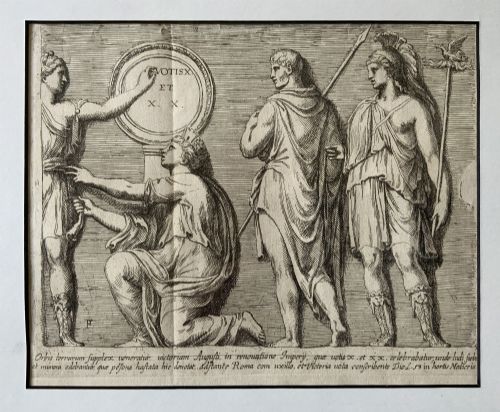
An original engraving print brings historic artistry and intricate line work directly to your walls, capturing centuries of distinct printmaking traditions.
Original Engraving Print
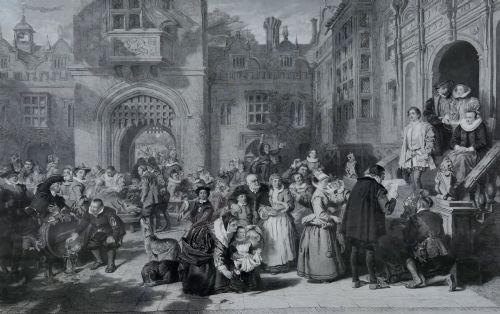
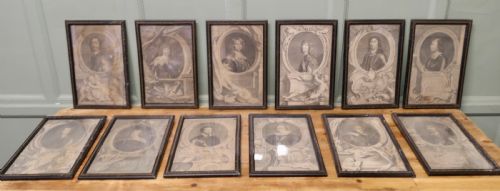
An original engraving print encompasses works created across the eighteenth, nineteenth and twentieth centuries, spanning periods from the Georgian era through to the early twentieth century. Buyers searching this phrase typically encounter framed wall art, etchings and detailed prints housed in period surrounds.
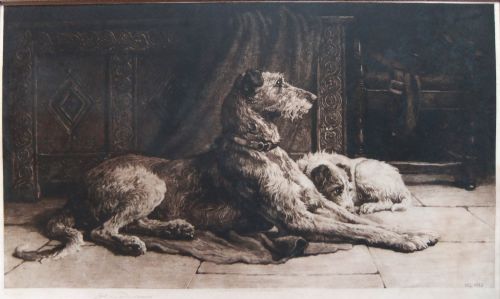
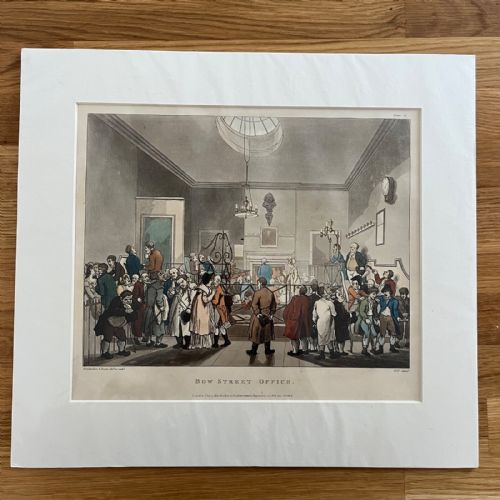
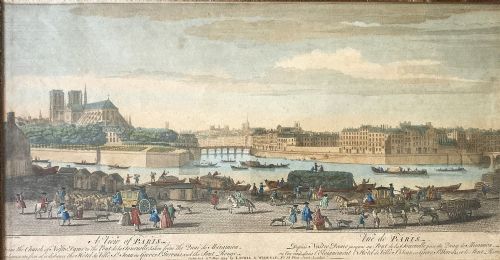
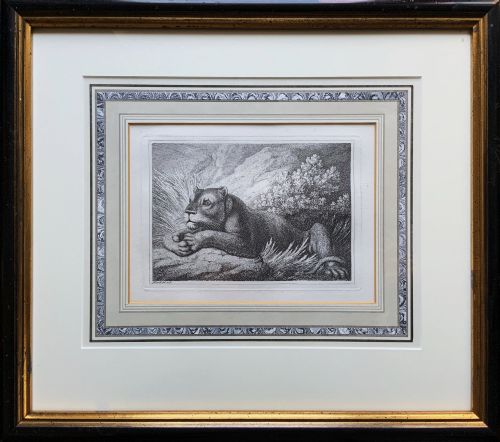
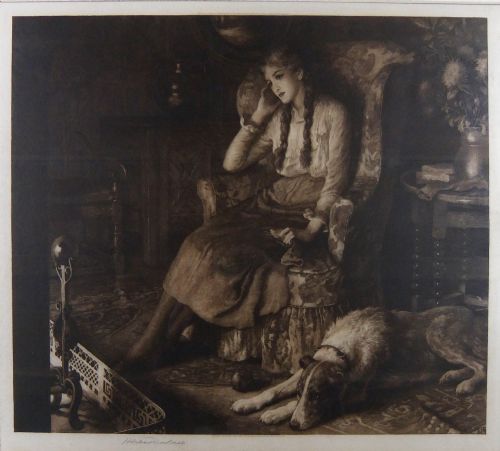
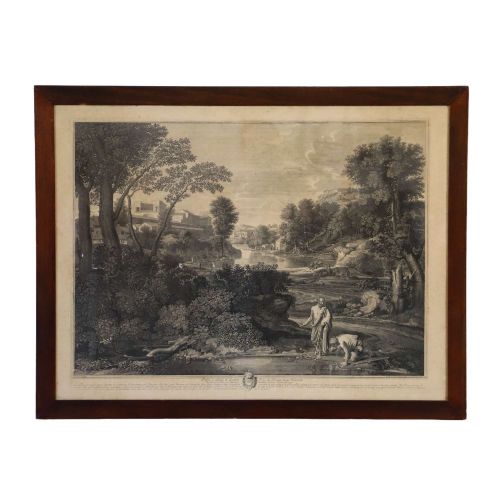
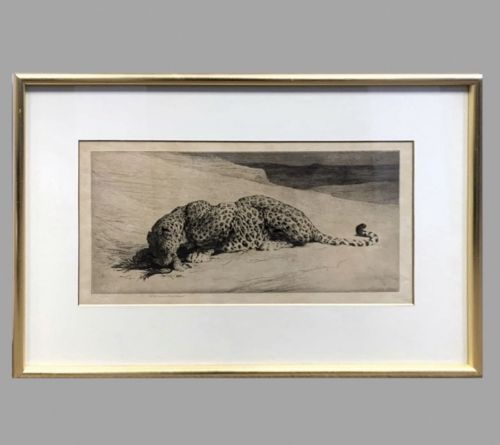
The subjects range widely across topographical views, architectural scenes, botanical illustrations and animal studies, notably featuring dogs and big cats. Many pieces retain their original frames, hand colouring or artist pencil signatures from printmakers working within Edwardian, Victorian and Neoclassical styles.
How they were made
Makers produced these works using paper, ink and metal printing plates, applying copper or zinc alongside drypoint and engraving techniques. Artisans carved lines directly into metal plates before transferring the inked image onto paper under pressure.
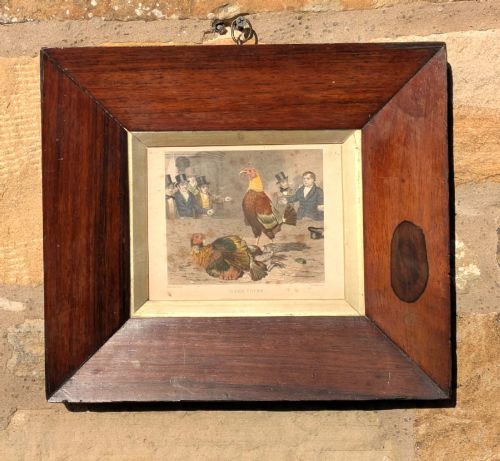
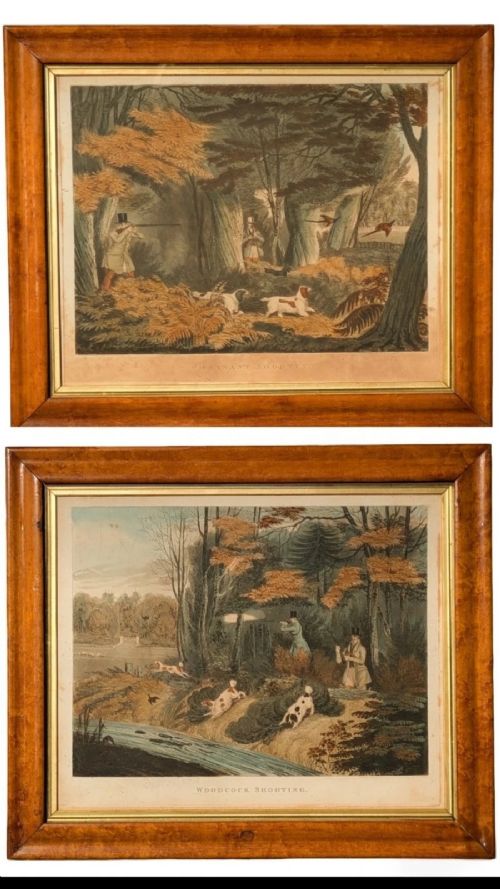
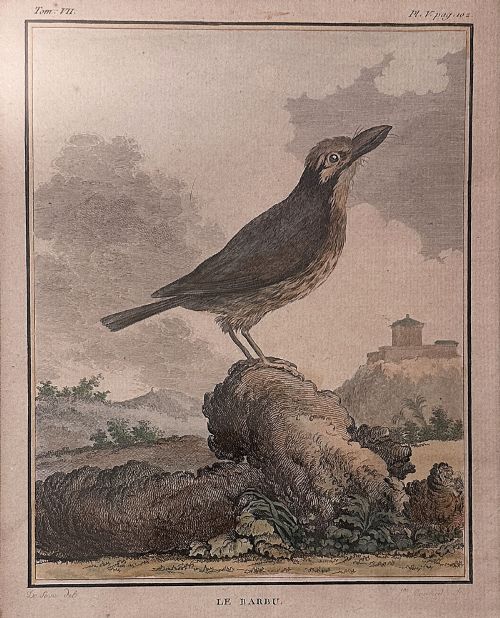
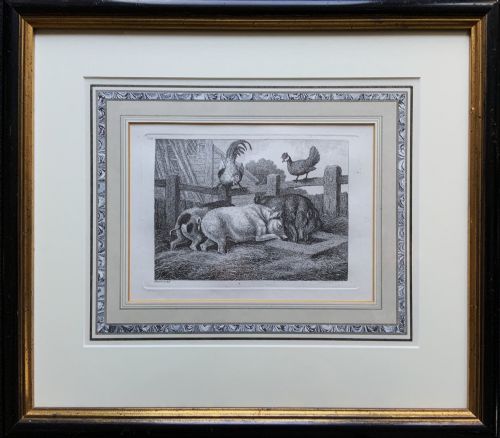
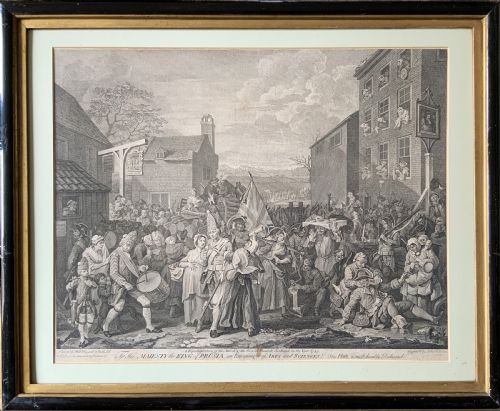
Selected works received supplementary hand colouring using pigments applied over the printed ink. Certain pieces incorporate gold leaf or are set behind glass within timber frames, including traditional Hogarth moulding.
Original Engraving Print Retail Price Guide 2026
Typical asking prices for original engraving print among the pieces listed under this phrase on Sellingantiques today, from the lower quarter to the upper quarter. They describe what is for sale here now, not the wider market.
The listings span multiple centuries of printmaking, featuring materials including copper, zinc, gold leaf, glass and handmade paper.
What varies in quality
The distinction between tiers rests upon the clarity of the plate impression and the crispness retained within fine etched lines. Early impressions taken before plate wear occurs demonstrate superior depth and contrast across the image.
The presence of contemporary hand colouring, original framing and artist pencil signatures elevates certain examples. The preservation of the paper sheet and the subtlety of the tonal gradation further separate standard prints from exceptional impressions.
Herbert Dicksee·Kurt Meyer-Eberhardt·John Horner Halifax Pontifex & Stiles·Jacobus Howbraken·Richard Houston·Antoine Pesne·Étienne Baudet·William Hogarth·Luke Sullivan·James Dobie·W. Dendy Sadler·John Cary·Edgar J. Maybery·Albert Terry·Frank Greenwood·CB Prescott·George Dionysius Ehert·Harry Epworth Allen·George Rees
The Original Engraving Print Glossary
- Drypoint
- A printmaking technique where an artist scratches directly into a metal plate with a sharp needle. This process raises a delicate ridge of metal called a burr, which holds extra ink to create velvety dark lines.
- Mezzotint
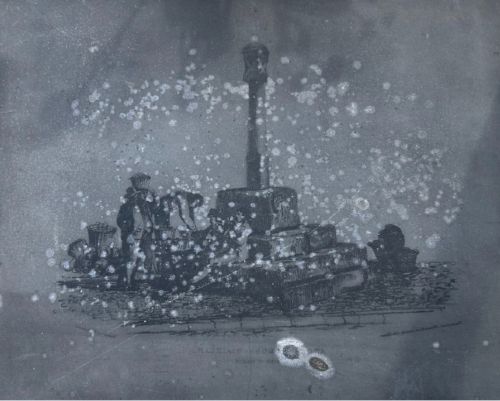
- A tonal printmaking method where the copper plate is roughened uniformly to produce rich dark areas, and scraped down to create lighter tones. It allows for smooth gradations of light and shade without using traditional line work.
- Artist proof
- An impression printed for the artist's own use and approval, separate from the numbered edition. These prints typically show exceptional crispness and detail.
- Hogarth frame
- A distinctive style of wooden picture frame featuring a stepped or ogee profile with a dark finish and often a fine gilt inner slip. They gained popularity in the eighteenth century and remain common for framing period prints.
Original Engraving Print: Frequently Asked Questions
How do I care for an antique paper print?
Keep the artwork away from direct sunlight and high humidity to prevent the paper from yellowing or developing foxing spots. Ensure the piece hangs in a stable environment where temperature fluctuations remain minimal.
Use professional framing services that utilise acid-free backing materials and UV-protective glass if re-framing becomes necessary. Regular gentle dusting of the exterior frame protects the surrounding wood and glass surface.
What is the difference between an etching and an engraving?
An engraving involves cutting lines directly into a metal plate using a sharp steel tool called a burin. The physical force of the hand creates clean, precise lines with uniform width.
An etching uses acid to bite the lines into the metal plate through a protective wax ground. This chemical process allows for freer, more expressive lines and varied tonal qualities.
Are these prints original works of art?
These items are original historic prints created during the stated period using traditional intaglio or relief printing methods. Each impression comes directly from the plate prepared by the artist or contemporary printmaker.
They differ fundamentally from modern photographic reproductions because the ink was transferred directly from a worked metal block or plate onto the paper. Signatures and plate marks further confirm their period origin.
Why do some prints feature hand colouring?
Publishers and artists added watercolour or tinting by hand to enhance specific botanical, topographical or portrait subjects after the initial ink impression dried. This technique added realistic hues to natural history plates and decorative maps.
Hand colouring was standard practice for specific eighteenth and nineteenth-century visual categories to make the printed sheet more vivid. The presence of subtle brushwork indicates this careful manual enhancement.