
Original Country Landscape Artwork
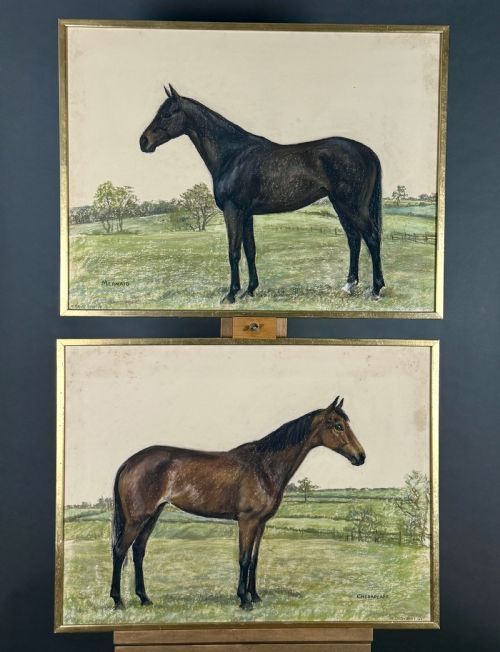
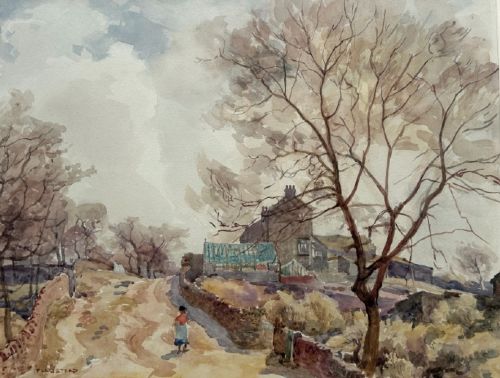
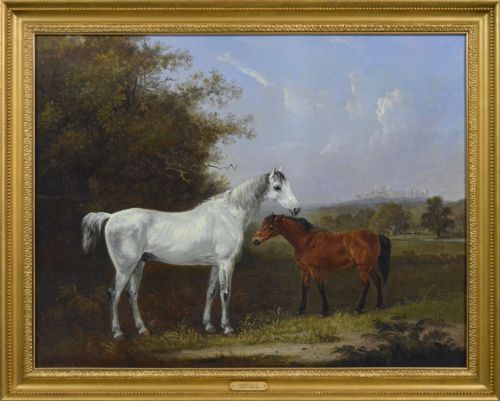
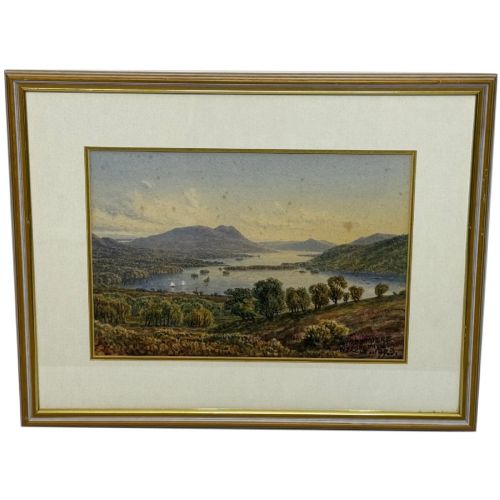
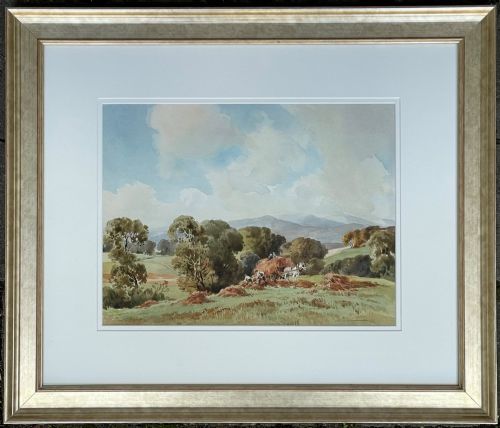
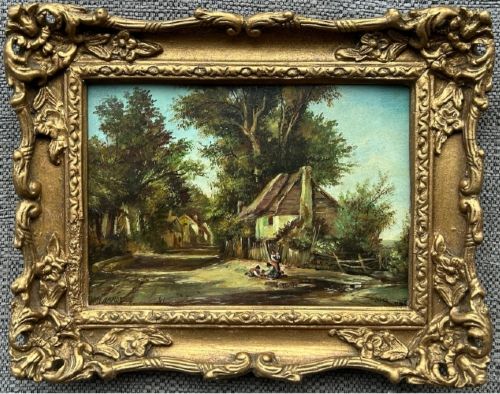
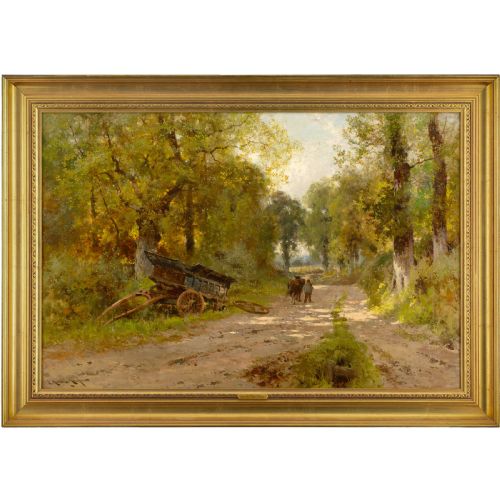
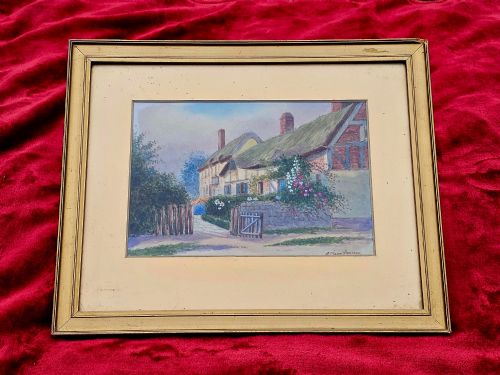
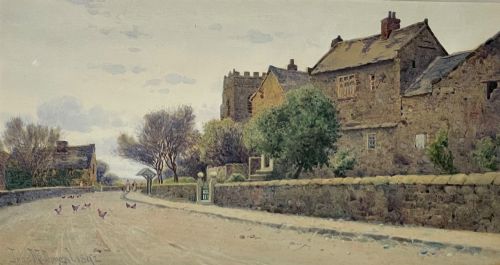
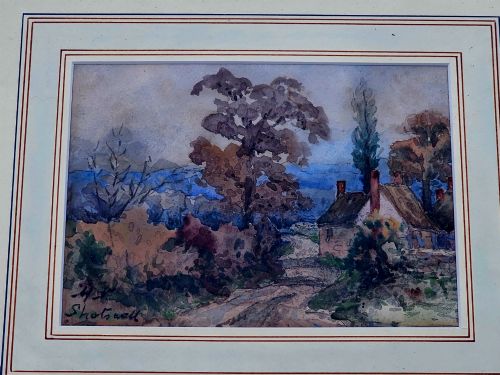
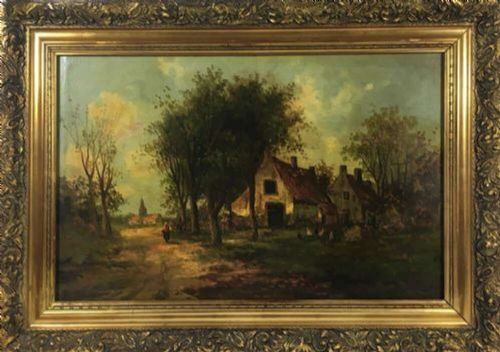
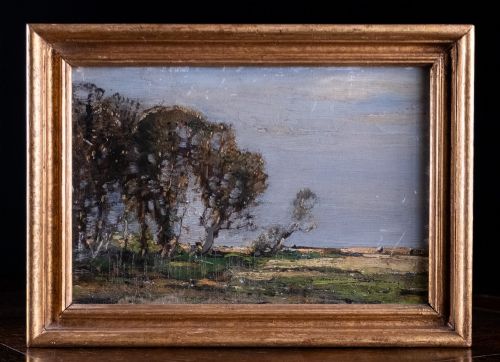
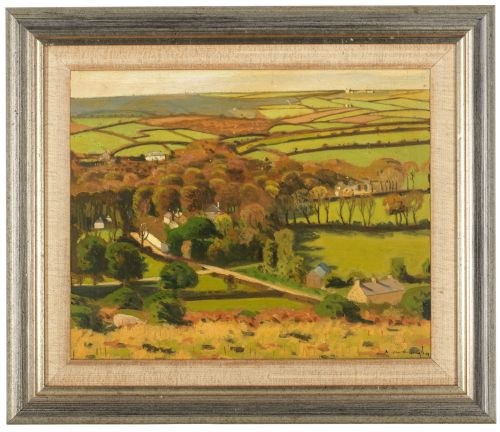
Original country landscape artwork captures rural scenes through historic brushwork, offering a direct window into past pastoral life.
Original Country Landscape Artwork
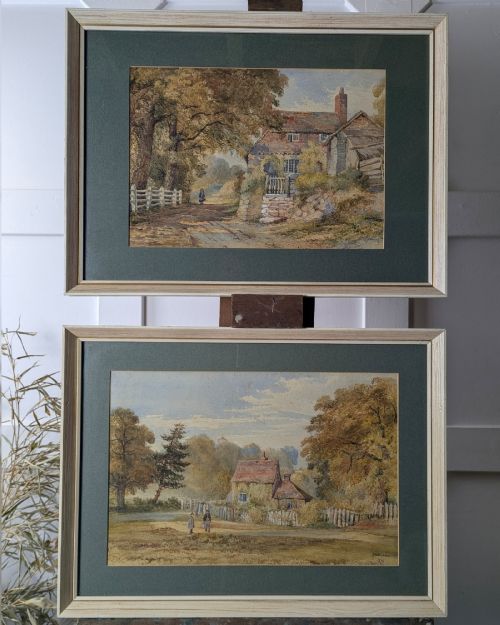
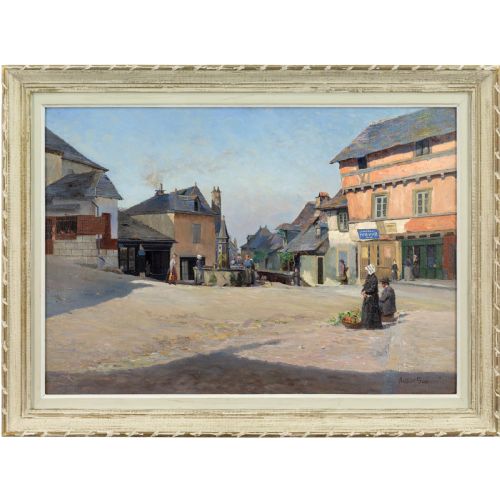
Original country landscape artwork encompasses historic depictions of rural fields, rivers, and villages created across the nineteenth and twentieth centuries. These pieces reflect the evolving styles of British and European painting, ranging from detailed Victorian pastoral watercolours to broader twentieth-century interpretations.
Most examples found here date from the nineteenth century through to the mid-twentieth century, capturing changing rural life. Buyers encounter works attributed to specific regional schools as well as named painters who recorded the topography of Britain and France.
The mediums span oil paint, watercolour, pastel, ink, and pencil, each lending a different texture to the countryside scenes. Whether executed on canvas, wooden panel, paper, or card, these works preserve the light and atmosphere of rural locations long since altered.
Materials and Techniques
Painters relied on traditional supports such as prepared canvas, wooden boards, and heavy rag paper to anchor their compositions. Oil pigments provided rich colour depth and slow drying times for blending skies and foliage, while watercolours offered swift application for translucent washes of light.
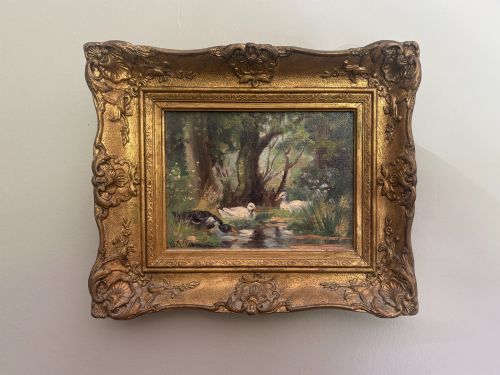
Draftsmanship underpinned both fluid watercolours and dense oil applications, with artists often beginning with ink or pencil sketches on site. Framing typically involved gilt wood mouldings that protected the delicate surfaces of paper or panel while complementing the domestic interiors of the period.
Several artists clearly paused their landscape painting when sheep wandered too close to the canvas.
Assessing Quality and Execution
Quality rests upon the sureness of the handling and the artist's command of light, tone, and composition. Superior works demonstrate confident brushwork that defines the weight of trees, the movement of water, and the expanse of skies without relying on formulaic repetition.
The longevity of the piece depends on the stability of the support and the preservation of the pigments. Works executed on stable panels or high-grade canvas retain their structural integrity better than those compromised by poor past storage or acidic paper.
Percy Lancaster·John Horace Hooper·Kershaw Schofield·Robert Morson Hughes·Fred Lawson·Thomas Sidney Cooper·Johann Friedrich Voltz·Henry H Parker
The Original Country Landscape Artwork Glossary
- Watercolour
- A painting method where fine pigment is suspended in water-soluble gum, traditionally applied to paper. It allows for luminous, transparent washes that capture shifting weather and light.
- Oil on Panel
- A painting technique utilising oil-based pigments spread across a prepared wooden board rather than fabric canvas. This rigid support offers a smooth surface suited to fine detail.
- Barbizon School
- A mid-nineteenth-century French art movement focused on direct observation of nature and rural landscapes. Artists painted out in the open air to capture natural light and unidealised farmyard scenes.
- Pastel
- A dry drawing medium composed of powdered pigment and a binder, shaped into sticks. It produces velvety surfaces rich in powdery colour.
- Etching
- A printmaking process where acid cuts into unprotected parts of a metal plate to hold ink. It produces fine, highly detailed linear marks on paper.
Original Country Landscape Artwork: Frequently Asked Questions
How do I date an old landscape painting?
Dating relies on examining the stretcher frames, canvas types, paper watermarks, and pigment formulations characteristic of specific decades. Stylistic clues within the clothing of figures or agricultural methods depicted also provide narrow chronological windows.
Signatures, framing styles, and exhibition labels on the reverse often supply definitive proof of a painting's creation period. Comparing the technique to documented works by regional art schools further clarifies the timeline.
What is the difference between oil and watercolour landscapes?
Oil paintings utilise heavy pigments suspended in drying oils, applied thickly to canvas or wooden panels for deep textures and rich colour saturation. Watercolours use water-soluble binders on paper, resulting in transparent layers that emphasise light and fluidity.
Oils generally required protective framing behind glass less frequently than watercolours, which needed strict shielding from moisture and direct sunlight. Both mediums held distinct places in historic domestic display.
How should I hang and light historic artwork?
Historic paintings and works on paper require placement away from direct sunlight, damp walls, and sudden temperature shifts from central heating. Stable indoor climates prevent warping of wooden panels and fading of delicate watercolours.
Low-heat LED picture lights or indirect ambient room lighting illuminate the colours safely without raising the surface temperature. Proper hanging hardware matched to the weight of the frame ensures secure wall attachment.
Are these artworks signed by the artists?
Many pieces carry visible signatures, initials, or monograms inscribed by the painter directly into the wet paint or drawn in pencil. Others remain unsigned but are attributed to specific regional schools based on technique and subject matter.
Exhibition labels, inscriptions on the reverse, or accompanying documentation often verify the authorship of unsigned works. Unsigned pieces from recognised movements still offer insight into period aesthetics.