



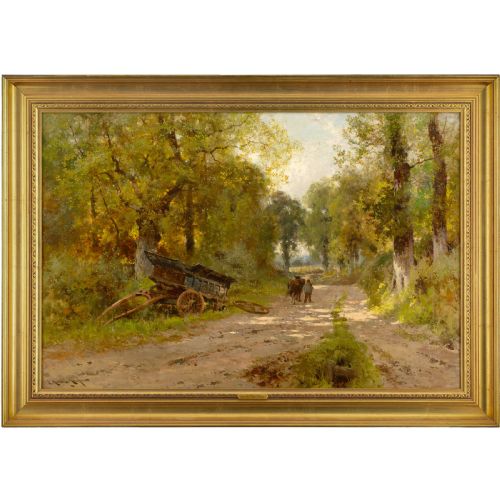
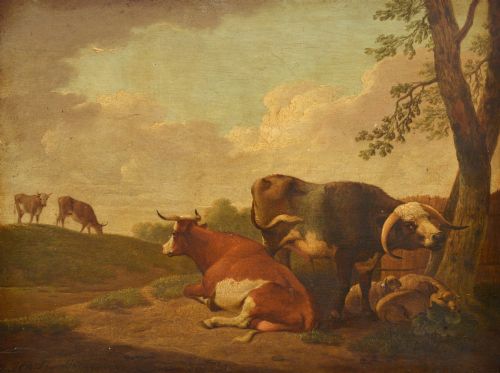
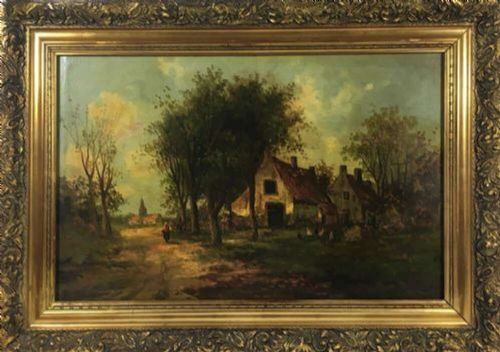
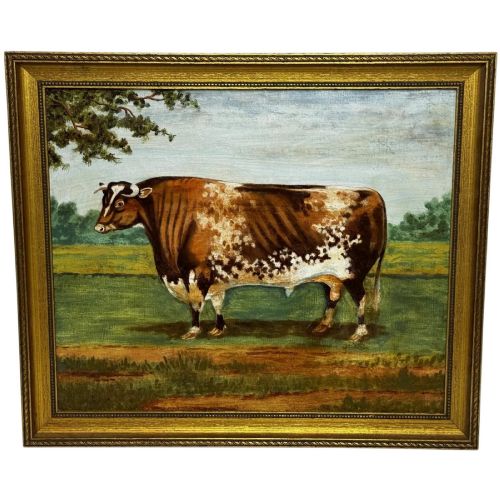
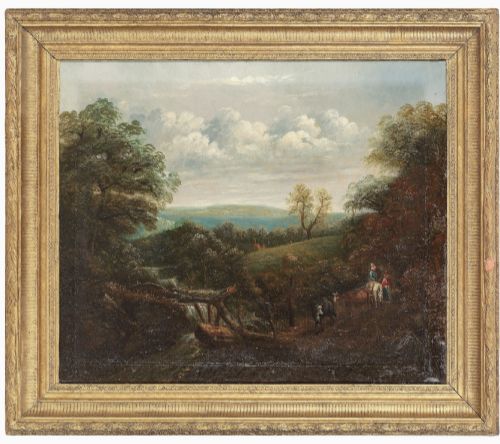
Pastoral Oil on Canvas
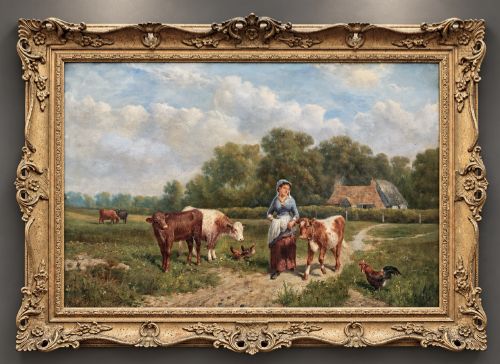
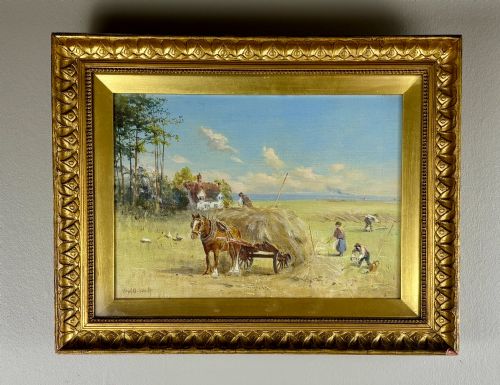
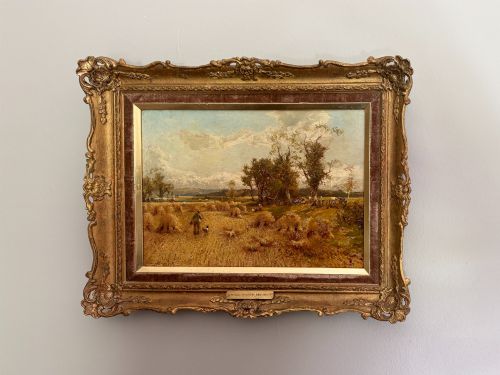
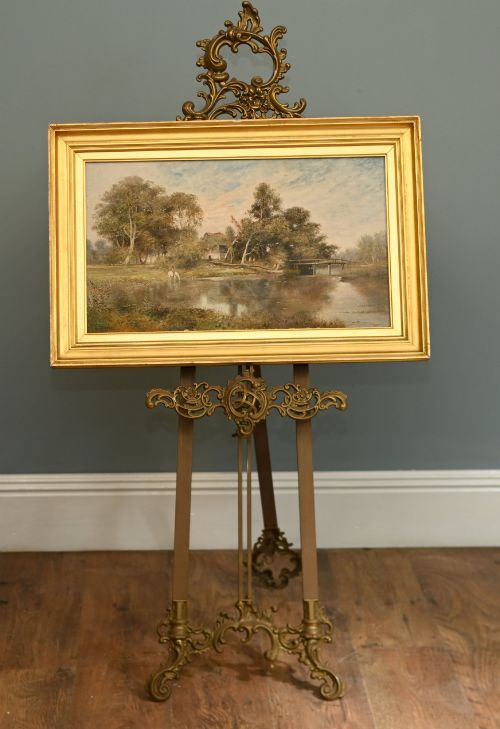
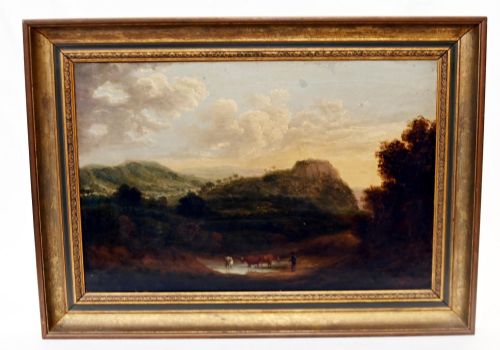
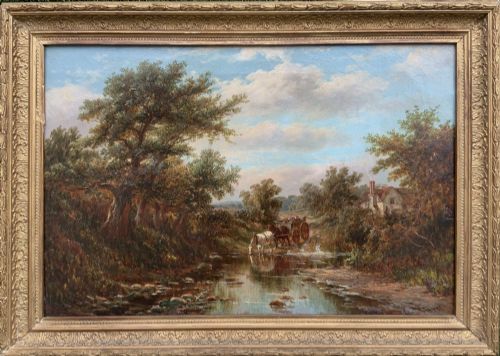
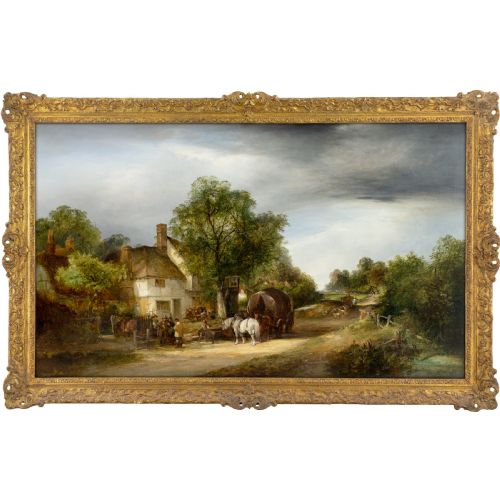
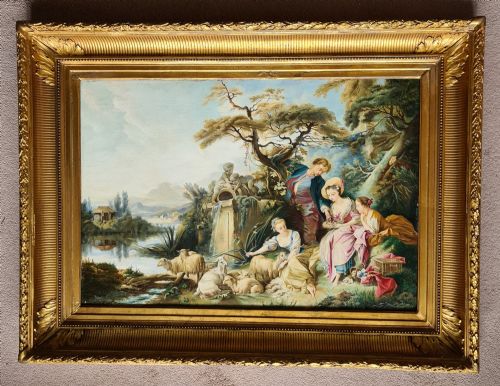
These pastoral oil on canvas works capture rural idylls, rustic livestock, and gentle landscapes through traditional painted surfaces that bring timeless countryside charm indoors.
Pastoral Oil on Canvas
A pastoral oil on canvas depicts traditional rural scenes, agricultural landscapes, and rustic livestock settings intended to evoke a calm appreciation of the countryside. Buyers seeking pastoral oil on canvas works will encounter depictions of shepherds, cattle, sheep, and idyllic river views spanning several centuries.
The selections available range from 17th-century European school compositions and 18th-century Grand Tour landscapes to Victorian and Edwardian British depictions. The most frequently encountered pieces on this page originate from the 19th century, reflecting sustained Victorian enthusiasm for naturalistic rural subjects.
Works commonly present oil paint on stretched canvas supports, occasionally housed within period wood and gesso frames or giltwood surrounds. These paintings function as wall art ranging from intimate framed studies to larger gallery canvases.
Materials and Technique
Artists built these images using oil paint applied to prepared woven canvas supports stretched across wooden frames. The medium allowed painters to blend rich tones and achieve subtle shifts of light across rustic fields and grazing livestock.
Surviving works frequently retain original or period frames constructed from wood and gesso, often finished in giltwood. These protective surrounds completed the presentation of the fine art painting for domestic display.
The listings on this page span the 17th, 18th, 19th, and early 20th centuries, featuring British, French, Italian, and Belgian schools.
Assessing Quality and Execution
Quality in these rural paintings rests upon the artist's handling of light, anatomical precision in depicting animals and figures, and the compositional harmony of the landscape. Superior examples demonstrate confident brushwork and atmospheric depth rather than mechanical repetition.
The condition of the painted surface and the retention of a period-appropriate wood or giltwood frame influence the overall integrity of the piece. Stronger works maintain vibrant pigment relationships and stable canvas tension without excessive restoration.
Eugène Verboeckhoven·William H Myers·GEORGE GRAHAM·Francois Boucher·John Horace Hooper·Hendrik Willem Schweickhardt·Thomas Barker of Bath·Mark William Langlois·David Bates·Walter Heath Williams·JACOB PHILIPP HACKERT·Lucy Pratt·Thomas Sidney Cooper·Richard Redgrave·Ernest Higgins Rigg·Robert Watson·Albert Rieger·William Watson Jnr·Douglas Cameron·Johann Friedrich Voltz·Greiffenhagen·Henry H Parker·Henry Schouten·Jan Miel·John Emms
The Pastoral Oil on Canvas Glossary
- Oil on Canvas
- A painting medium where pigment suspended in drying oil is applied to a woven fabric support stretched over a wooden frame. This combination provides flexibility and rich textural potential.
- Giltwood
- Wood carved and coated with a thin layer of gold leaf or metallic powder. It is frequently seen on traditional picture frames.
- Gesso
- A paint mixture consisting of a neutral binder mixed with chalk, gypsum, or pigment. It was applied to wooden frames to create a smooth surface for gilding.
- Barbizon School
- A mid-19th-century French art movement characterised by tonal subtlety and naturalistic rural realism. Practitioners painted directly from nature, focusing on forest and farmyard landscapes.
- Grand Tour
- A traditional trip through Europe undertaken by upper-class Europeans during the 18th and 19th centuries. Travellers often acquired local landscape paintings to commemorate their journeys.
- Pentimento
- An alteration in a painting evidenced by visible traces of previous brushstrokes beneath the final layer. It reveals the artist's changing composition during the creative process.
Pastoral Oil on Canvas: Frequently Asked Questions
What is a pastoral oil painting?
A pastoral oil painting depicts rural scenes, agricultural life, shepherds, and livestock created using oil paints on a canvas support. These works focus on the perceived harmony and simplicity of country living.
Such artworks gained immense popularity during the 19th century as industrialisation drove interest in rural landscapes and traditional farming environments.
How do I date an antique canvas?
Dating an antique canvas involves examining the weave of the fabric, the composition of the stretcher frame, and the chemical nature of the pigments. Stylistic clues within the clothing of figures or the framing techniques also offer guidance.
Expert analysis of carpenter's marks and canvas stamps provides additional chronological markers for older fine art.
How should I hang my painting?
Paintings on canvas should be hung away from direct sunlight and steady sources of artificial heat to prevent the drying out of both the wooden stretcher and the oil paint. Stable indoor climates prevent warping and cracking.
Ensure the wall fixings match the weight of the picture and its frame to support the piece securely over time.
What is the Barbizon influence?
The Barbizon influence stems from a French movement that emphasised direct observation of nature, focusing on unidealised rural views and atmospheric light effects. Artists working in this manner portrayed everyday farmyards and woodlands.
This approach shifted academic landscape painting toward a more direct and naturalistic engagement with the outdoors.