



Original Canvas Landscape Art
Original canvas landscape art captures the natural world through oil and pigment applied directly to woven support fabrics across multiple historical periods.
Original Canvas Landscape Art
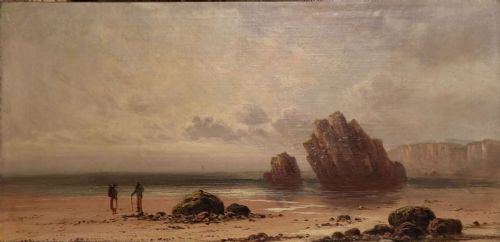
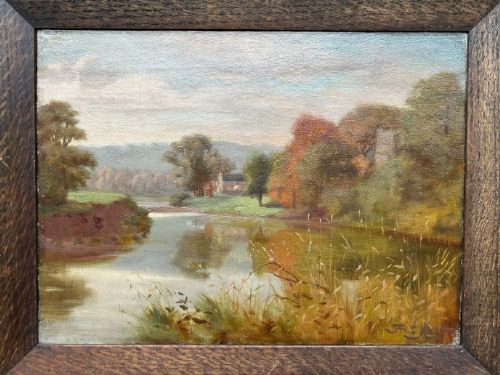
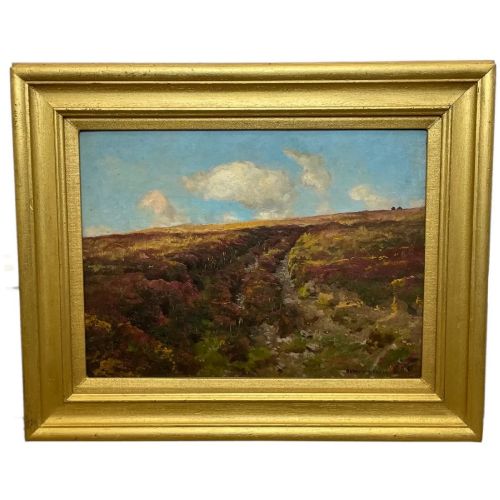
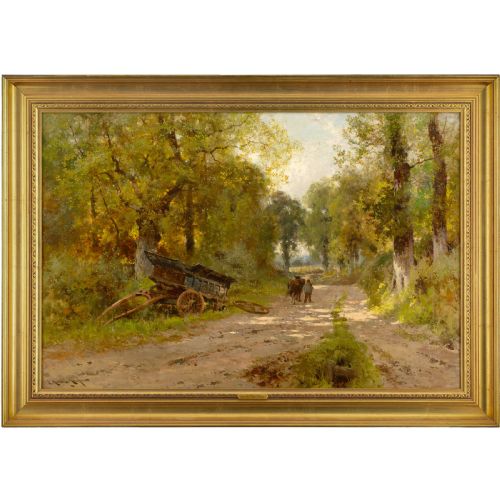
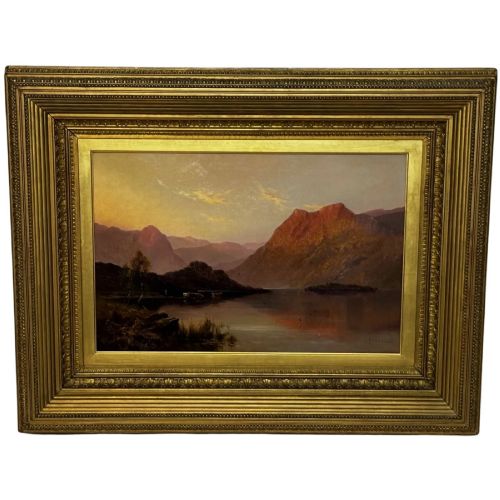
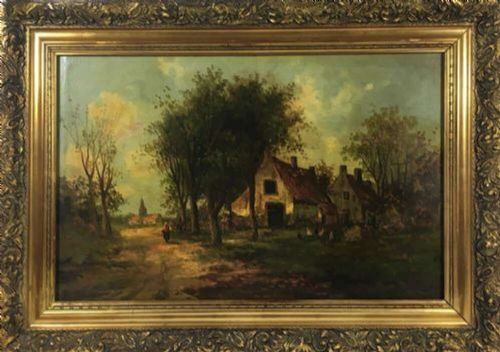
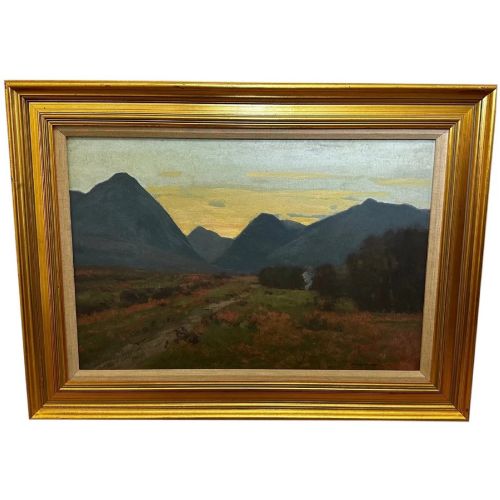
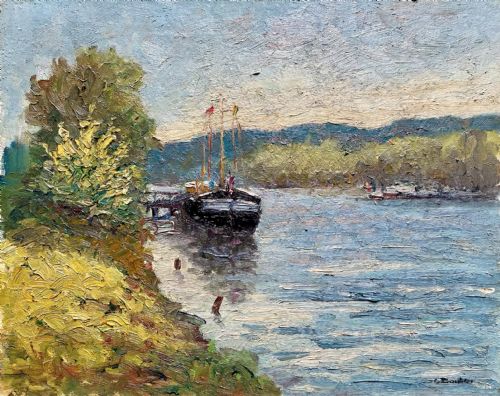
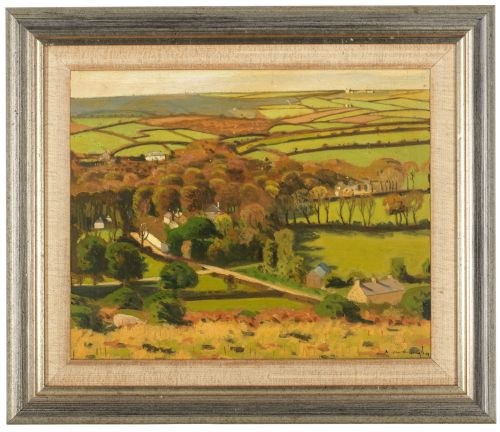
Original canvas landscape art encompasses hand-painted works executed primarily in oil paint upon woven fabric supports, ranging from pastoral rural scenes to coastal views. Buyers seeking these works encounter representations of British countryside, French riversides, and Venetian canals produced across the nineteenth and twentieth centuries.
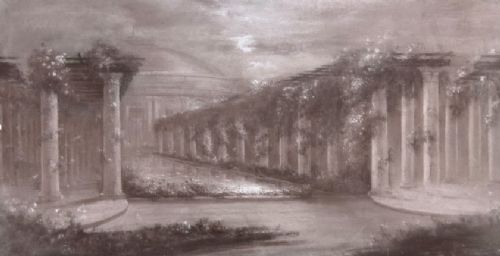
The inventory on this page leans heavily toward nineteenth-century romantic and pastoral depictions alongside early-to-mid twentieth-century British and European interpretations. Pieces vary from intimate regional studies of woodlands and coastal inlets to larger architectural and maritime compositions executed by named painters and regional schools.
Materials and construction
These works rely on oil paint applied to prepared canvas stretchers, sometimes using wood panels or board as a rigid alternative support. Gesso grounds often seal the woven fabric surface before the application of oil pigment, ensuring the stability of the paint layer over decades.
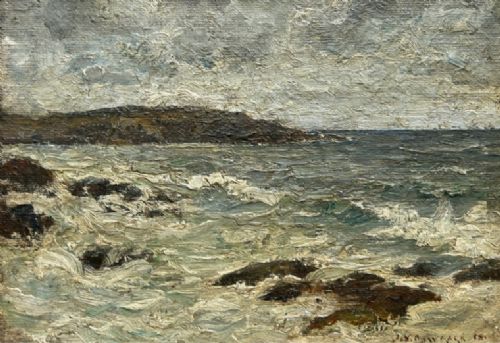
Artists deployed varying brushwork techniques, ranging from smooth academic blending seen in Victorian landscapes to the thicker impasto marks characteristic of early twentieth-century impressionist and post-impressionist approaches.
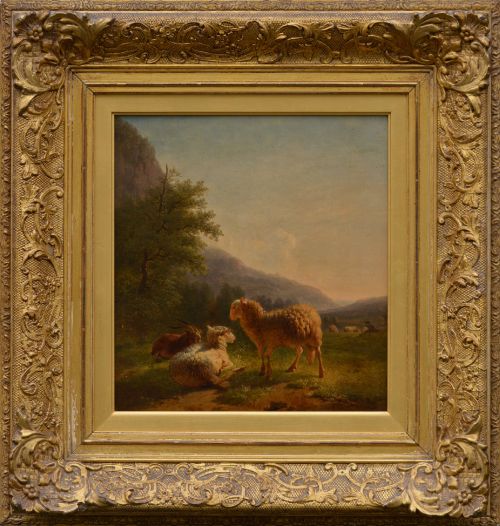
Several canvases capture cows, sheep, and dogs quietly supervising nineteenth-century agricultural life.
Distinctions in craftsmanship
Quality in these landscape paintings rests upon the confidence of the brushwork, the handling of natural light, and the compositional balance achieved across the canvas. Stronger examples demonstrate a precise tonal control over atmospheric conditions, whether depicting a sunset woodland or a maritime harbour.
The preservation of the original canvas and the integrity of the paint surface also define the standing of a piece. Works retaining their initial stretcher frames and unblemished pigment layers command greater artistic interest than those compromised by heavy restoration.
Eugène Verboeckhoven·George Houston·David Bates·Alfred Pollentine·Thomas Sidney Cooper
The Original Canvas Landscape Art Glossary
- Canvas
- A heavy woven fabric, typically linen or cotton, stretched tightly across a wooden frame to serve as a painting support.
- Impasto
- Paint applied thickly to a canvas so that the brush or palette knife strokes stand proud of the surface.
- Stretcher
- The wooden framework that supports and tensions the woven canvas during and after the painting process.
- Gesso
- A primer mixture consisting of a binder mixed with chalk, gypsum, or pigment used to prepare the canvas substrate.
- Barbizon School
- A nineteenth-century French movement focused on direct observation of nature and realistic landscape painting.
Original Canvas Landscape Art: Frequently Asked Questions
How do I date an oil painting?
Dating typically relies upon the artist's active period, stylistic clues within the landscape, and the physical characteristics of the canvas and stretcher frame. Supporting documentation such as signatures, exhibition labels, or inscriptions on the reverse provide further chronological evidence.
Material analysis of the gesso ground and the composition of the oil paint can also help narrow down the decade of production. Comparing the handling of light and subject matter to known dated works by the same school offers reliable context.
How should I clean a canvas painting?
Surface dust should be gently removed using a soft, dry natural-bristle brush without applying pressure to the woven fabric support. Any deeper accumulation of grime requires professional conservation rather than household cleaning methods.
Moisture and chemical solvents risk damaging the delicate oil paint layers and the underlying gesso. Maintaining stable indoor humidity levels prevents the canvas from slackening or the paint from cracking over time.
What defines a pastoral landscape?
A pastoral landscape depicts idealised or realistic scenes of rural life, typically featuring agricultural workers, livestock, and gentle countryside vistas. These compositions emphasise tranquillity, harmonious relationships between humans and nature, and traditional farming practices.
Artists working in this tradition focused on domestic animals such as sheep and cattle grazing within woodland or river settings. The genre was particularly popular throughout the nineteenth century across British and European art communities.