



Original Artwork on Paper
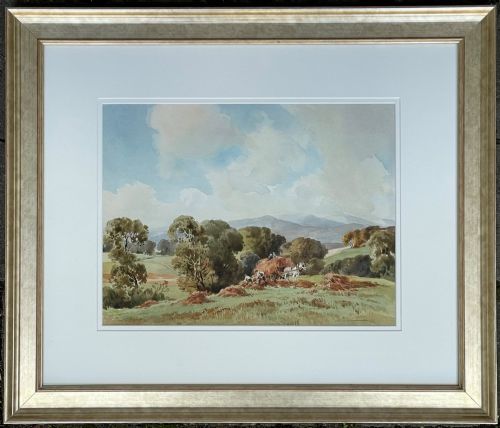
Original artwork on paper encompasses unique watercolours, ink drawings and etchings spanning from the nineteenth century into the mid-twentieth century.
Original Artwork on Paper
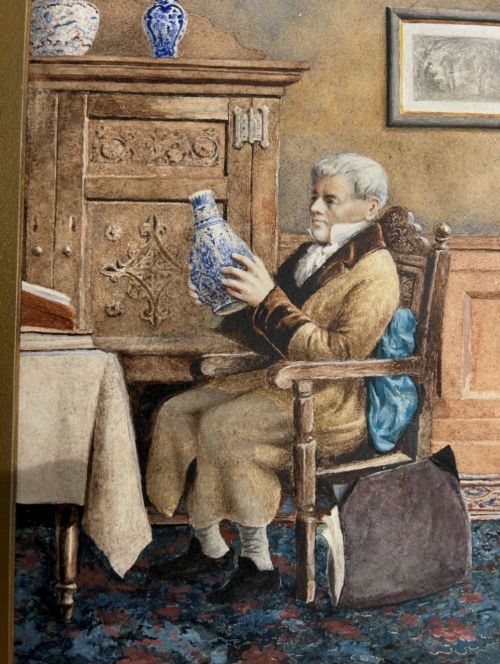
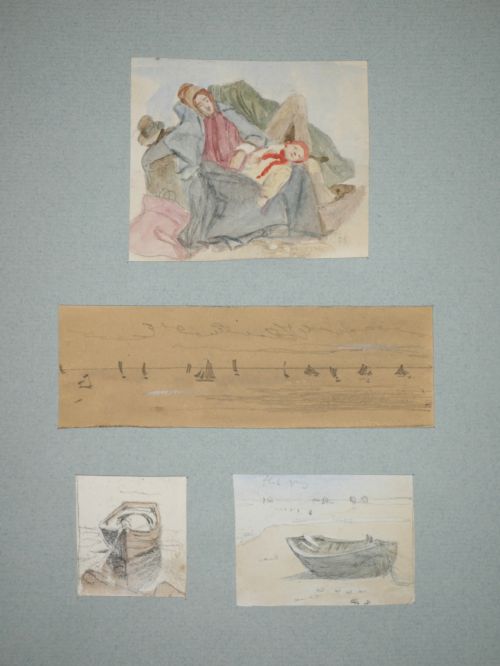
Original artwork on paper covers a broad spectrum of historical visual media, including finished watercolours, preparatory sketches, ink drawings and signed etchings. Buyers searching this phrase encounter works ranging from nineteenth-century British landscapes and maritime scenes to twentieth-century portraits and architectural studies.
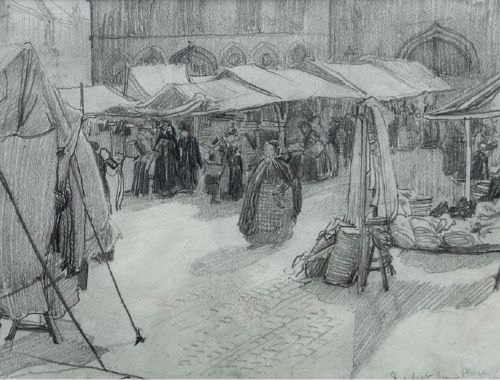
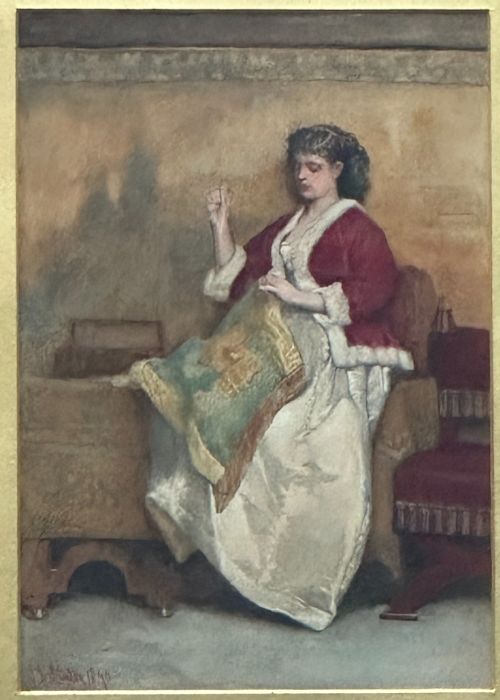
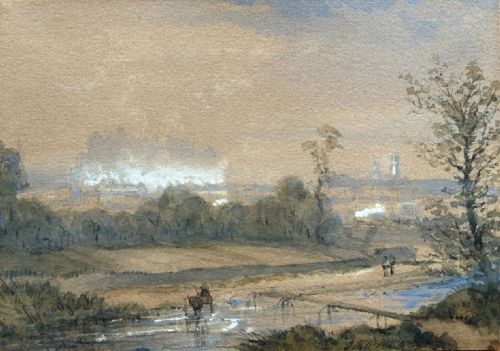
The selections available on this page lean heavily towards British and European watercolours, pencil drawings and pastel portraits executed across the Victorian, Edwardian and early modern periods. These pieces frequently feature traditional mountings, wooden frames and protective glass coverings.
Works of this nature serve as direct tactile connections to past artistic practices, capturing immediate observations of landscapes, townscapes and figures. Collectors select these items to display intimate compositions that highlight the foundational draughtsmanship of their respective eras.
Materials and construction
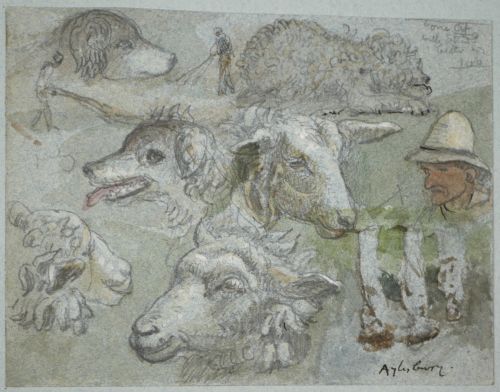
The foundational support relies primarily on various grades of paper, occasionally applied to secondary supports such as canvas stretchers or buff-coloured sheets. Pigments are delivered through watercolours, bodycolour, gouache, ink, pastel, charcoal and graphite.
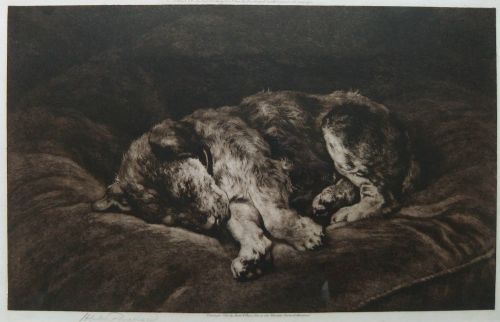
Techniques range from delicate transparent washes of watercolour to dense applications of ink and wash, alongside precision printmaking methods like etching on paper. Many surviving examples retain their period framing, utilising wooden mouldings and glass to protect the fragile surfaces from environmental damage.
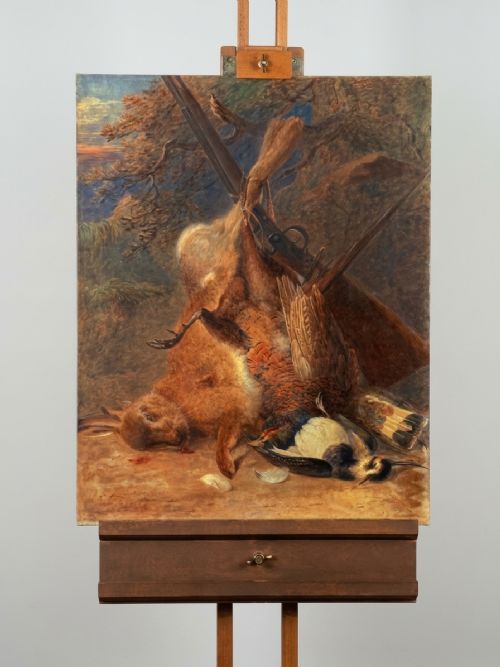
Several illustrations record domestic animals caught in action, including a startled hare, game birds and a well-observed Borzoi dog.
Factors influencing quality
Quality in works on paper rests significantly upon the strength of the draughtsmanship, the handled control of the chosen medium, and the preservation of the pigment against fading or acid damage from old mounts. Superior examples demonstrate confident, assured lines and vibrant colour retention that define the artist's intent.
The prominence of the maker, documented provenance, and the inclusion of contemporary signatures or informative inscriptions elevate individual pieces within their period. Additionally, the harmony between the artwork, its original period frame and protective glass contributes to the overall desirability and integrity of the item.
GEORGE SYDNEY SHEPHERD·James Orrock·William Henry Earp·Sir James Dromgole Linton·Herbert Dicksee·William Lionel Wyllie
The Original Artwork on Paper Glossary
- Watercolour
- A painting method where the pigments are suspended in a water-based, translucent solution applied to paper. This medium allows for luminous washes and subtle tonal shifts.
- Etching
- A printmaking technique where lines are incised into a metal plate with acid before ink is applied and transferred to paper. This process yields fine, detailed linear graphics.
- Bodycolour
- Watercolour pigment mixed with a white filler such as chalk, creating an opaque paint. It provides solid highlights and denser areas of colour.
- Gouache
- A heavy, opaque water-based paint similar to bodycolour. It produces flat, vibrant areas of colour with minimal reflectivity.
- Pencil drawing
- A monochromatic work executed with graphite on paper. It often serves as a preparatory study or a finished portrait highlighting linear dexterity.
Original Artwork on Paper: Frequently Asked Questions
How should I display original art on paper?
Keep works away from direct sunlight to prevent the pigments and paper from fading over time. Utilise UV-protective glass and acid-free mounts to maintain the condition of the piece.
Ensure humidity levels in the room remain stable to avoid warping the paper or encouraging mould growth within the frame.
What is the difference between an etching and a drawing?
An etching is a printed multiple created by pressing an inked metal plate onto paper, whereas a drawing is a unique, hand-drawn composition made directly onto the sheet.
Drawings show individual pencil or ink strokes left by the artist's hand, while etchings display the characteristic plate mark and uniform ink lines associated with the printing process.
How do I identify a Victorian watercolour?
Victorian watercolours often feature detailed narrative scenes, traditional British landscapes or maritime views executed with meticulous brushwork. The paper stock and framing style frequently align with nineteenth-century manufacturing methods.
Signatures, dates and inscriptions on the reverse or mount can also help anchor the piece securely within the Victorian era.
Are these artworks supplied ready to hang?
Many listings include period wooden frames and glass, meaning they arrive prepared for immediate wall placement. Reviewing the individual description clarifies whether a frame is part of the purchase.
Some pieces may require updated backing boards or professional reframing to ensure long-term preservation depending on their current conservation status.