


Original Art Print
When you search for an original art print, you are looking for authentic works on paper spanning centuries of printmaking and painting traditions.
Original Art Print
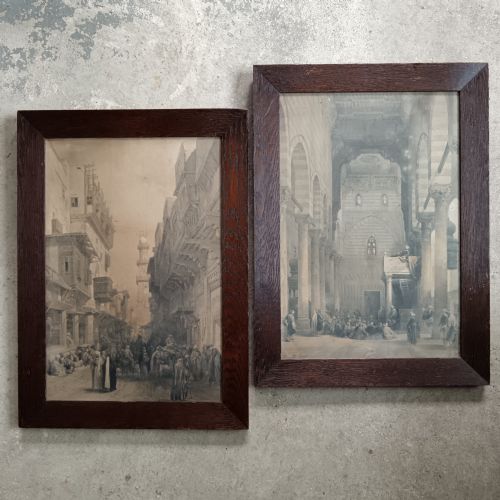
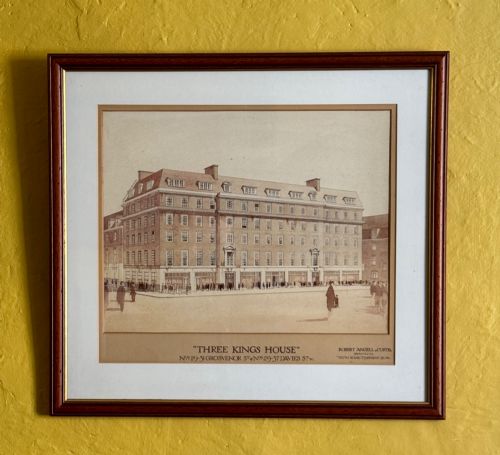
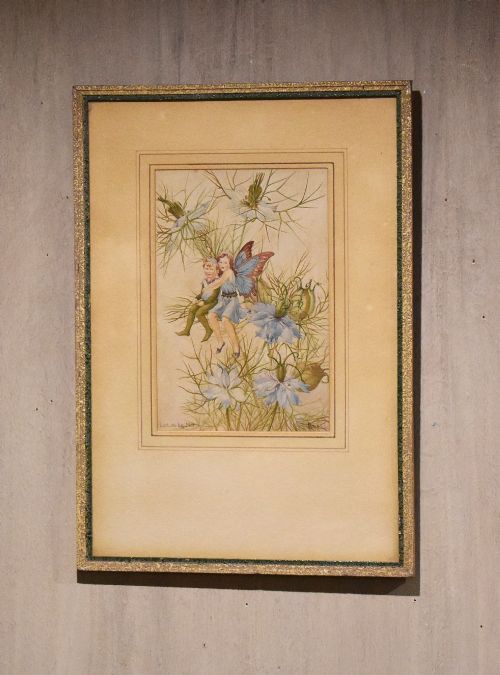
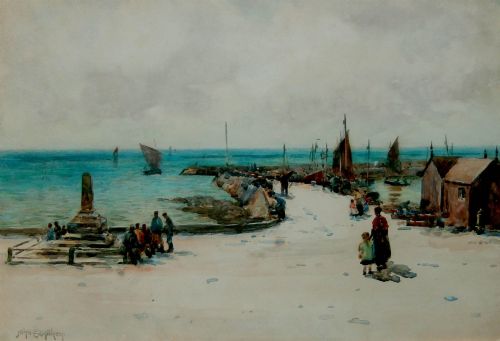
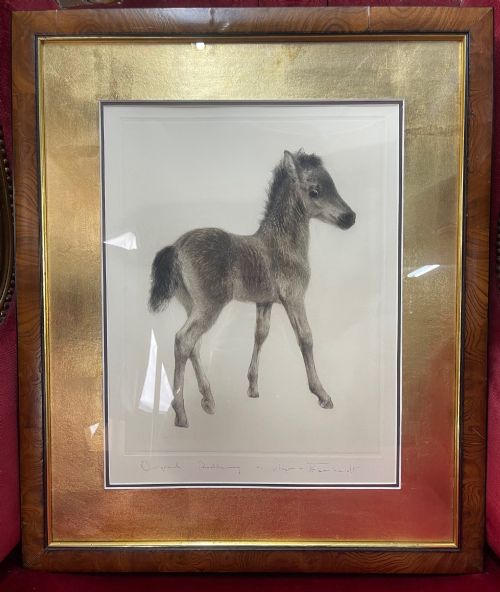
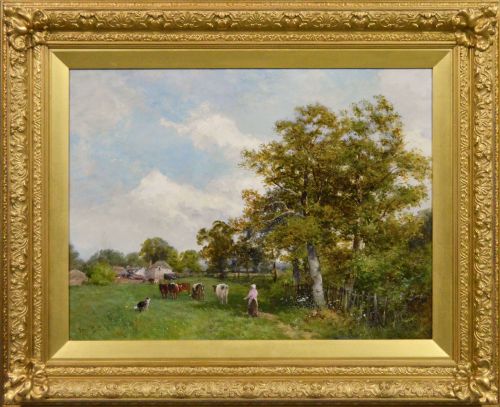
An original art print encompasses a wide array of historical works, ranging from delicate botanical watercolours and landscape paintings to detailed etchings, engravings, and lithographs spanning the seventeenth century through to the mid-twentieth century.
Buyers will most frequently encounter nineteenth and early twentieth-century framed prints, watercolours, and signed etchings on this page, reflecting periods such as the Victorian, Edwardian, and Art Deco eras.
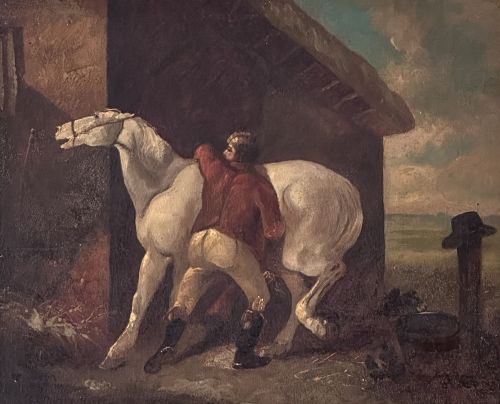
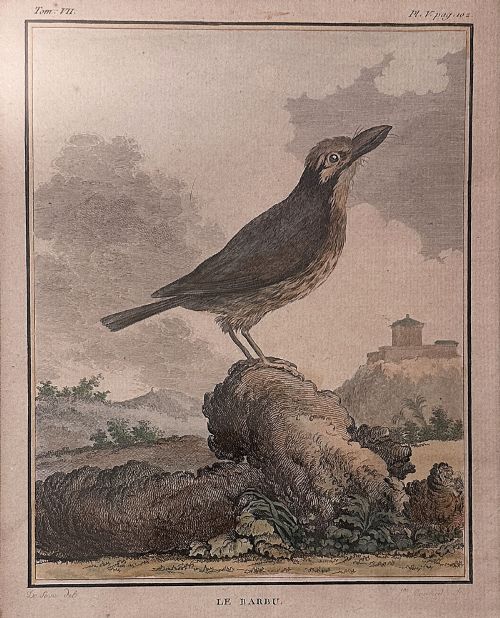
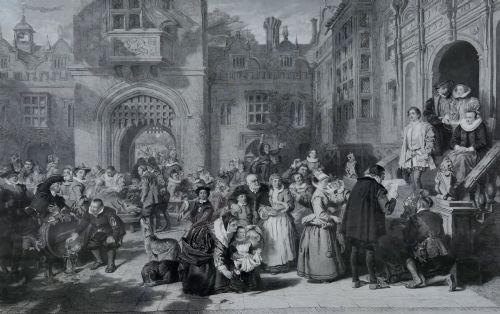
The selection includes diverse subjects such as natural history illustrations, architectural views, rural scenes, and portraiture, often preserved in period frames of wood, gilt wood, or glass.
How they were made
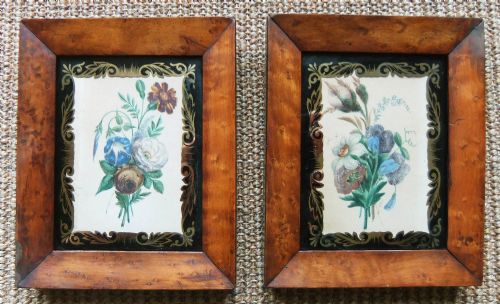
These works utilise traditional media on paper, cardboard, and vellum, employing ink, watercolour, and hand-colouring techniques applied by artists and printmakers.
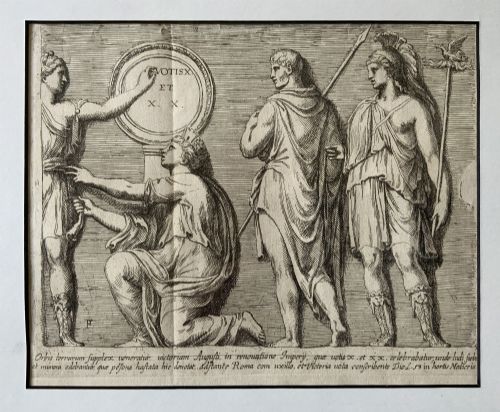
Printmakers created intaglio and planographic works using copper plates for engravings and etchings, alongside stone or plate matrices for lithographs, frequently finished with pencil signatures and artist proofs.
Original Art Print Retail Price Guide 2026
Typical asking prices for original art print among the pieces listed under this phrase on Sellingantiques today, from the lower quarter to the upper quarter. They describe what is for sale here now, not the wider market.
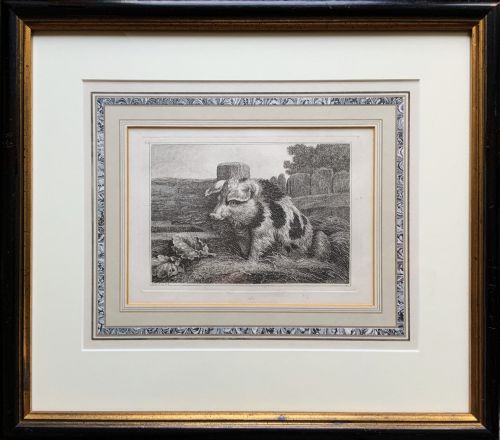
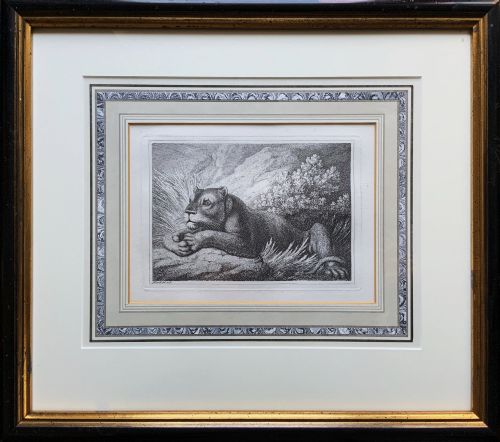
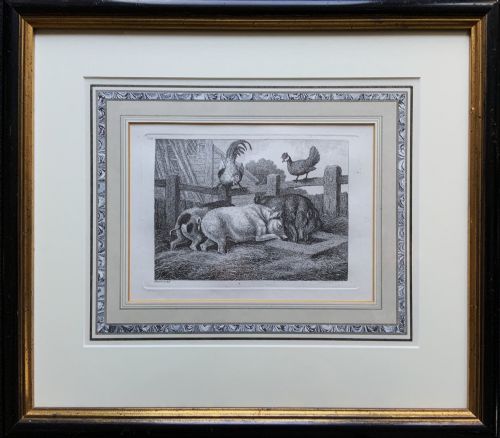
Several prints capture animals in contemplative moods, including recumbent lions, spotted farmyard pigs, and a leopard on a hillside.
What varies in quality
Quality rests upon the crispness of the impression in printed works and the fluid control of the brush in watercolours, distinguishing master printmakers and accomplished painters from routine studio production.
The integrity of the materials, the preservation of original hand-colouring, and the presence of period-correct framing in wood or gilt wood elevate the significance of individual pieces.
Marjorie L Davies·Samuel Howitt·François Perrier·Thomas Ellison·Alfred Young Nutt·John E Aitken·Kurt Meyer Eberhardt·David Bates·William Lionel Wyllie·Robert W Macbeth·Herbert Dicksee·Marc Chagall·Jacobus Howbraken·Richard Houston·Antoine Pesne·Herbert Ashwin Budd·Samuel Rabin·John Bond·Étienne Baudet·C H Weigall
The Original Art Print Glossary
- Etching
- A printmaking process where lines are incised into a metal plate with acid before ink is applied and pressed onto paper. This technique allows for fine, expressive detail.
- Engraving
- A method where an artisan cuts lines directly into a hard plate using a burin. It produces sharp, clean lines characteristic of eighteenth-century book illustrations and fine art plates.
- Lithograph
- A planographic printing process based on the repulsion of oil and water on a flat stone or metal plate. Artists utilised this method for vibrant posters and limited edition plates.
- Watercolour
- A painting method where pigment is suspended in a water-based solution on paper. It yields transparent washes prized for botanical and landscape studies.
- Artists Proof
- A trial proof printed for the artist to inspect before the main edition is run. These impressions carry high status among collectors for their early clarity.
Original Art Print: Frequently Asked Questions
How do I identify an original print?
Look closely at the surface using a magnifying glass to check for plate marks, ink texture, and paper indentation rather than dot patterns associated with modern mechanical reproduction.
Original etchings and engravings leave a distinct depression in the paper where the metal plate pressed down during the printing process.
How should I frame and display these works?
Keep works on paper away from direct sunlight to prevent fading of watercolours, inks, and hand-colouring over time.
Utilise conservation-grade framing with acid-free mounts and UV-protective glass to safeguard the paper and pigments for decades.
What is the difference between an etching and an engraving?
Etchings rely on acid to bite lines into a metal plate, resulting in softer, more fluid strokes created by the artist.
Engravings involve direct cutting into the metal with a tool called a burin, producing precise, disciplined lines with tapered ends.
How do I care for antique watercolours?
Maintain stable indoor humidity and temperature levels in the room where the artwork hangs to prevent paper buckling or foxing spots.
Consult a professional paper conservator if cleaning or stabilization is needed rather than attempting home remedies.