




![Pen and Ink Sketch - Female Nudes by William Edward Frost [1810-1877]](https://www.sellingantiques.co.uk/photosnew/dealer_kendallhouse/dealer_kendallhouse_full_1758970795762-8493507346.jpg)
Original 19th Century Sketch
An original 19th century sketch captures the immediate hand of the past through rapid line and wash on paper.
Original 19th Century Sketch
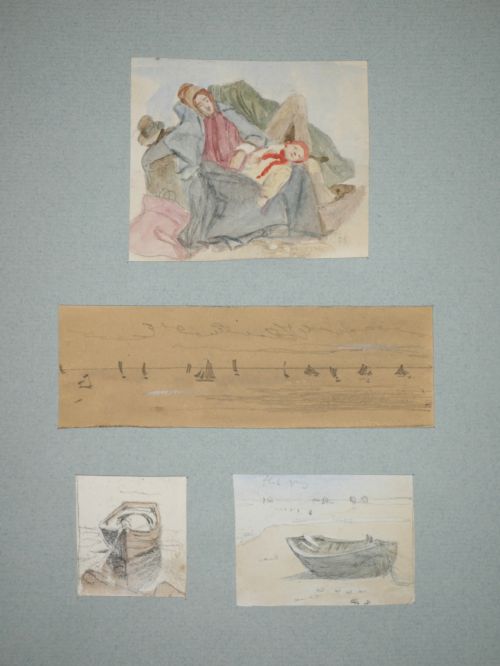
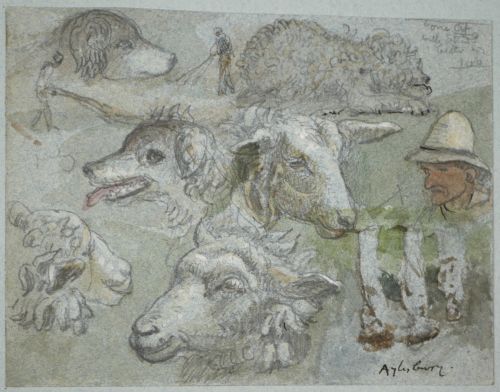
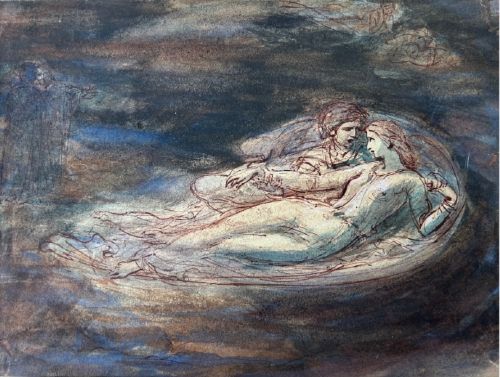
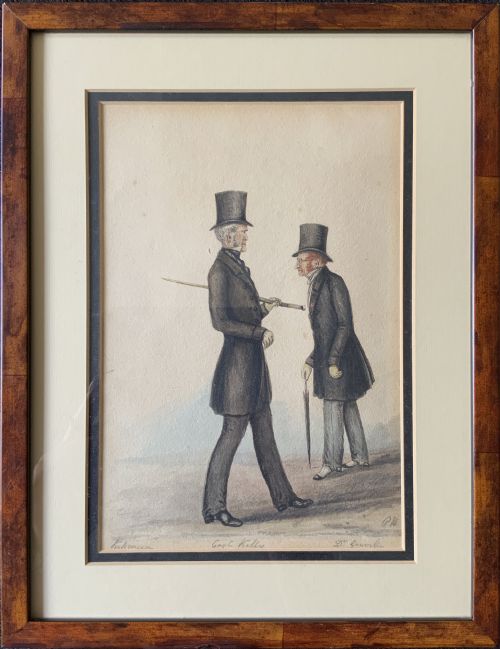
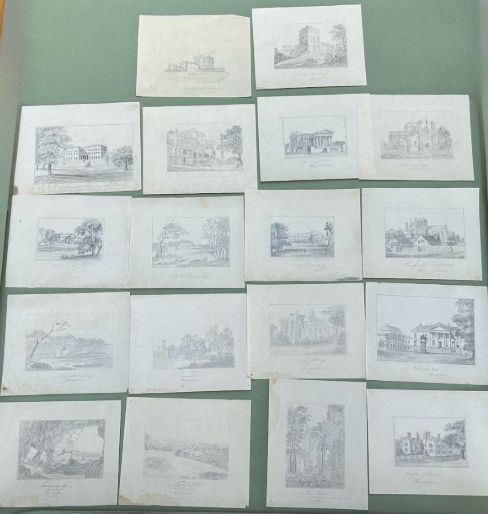
An original 19th century sketch encompasses preliminary studies, preparatory drawings, and rapid visual notes captured on paper during the Victorian and Georgian eras. These works range from loose architectural drafts and landscape perspectives to intimate portrait studies and maritime scenes.
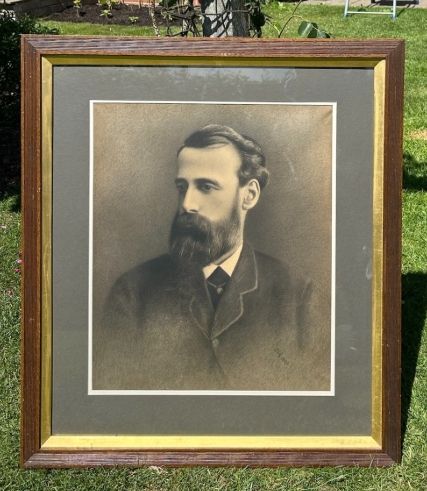
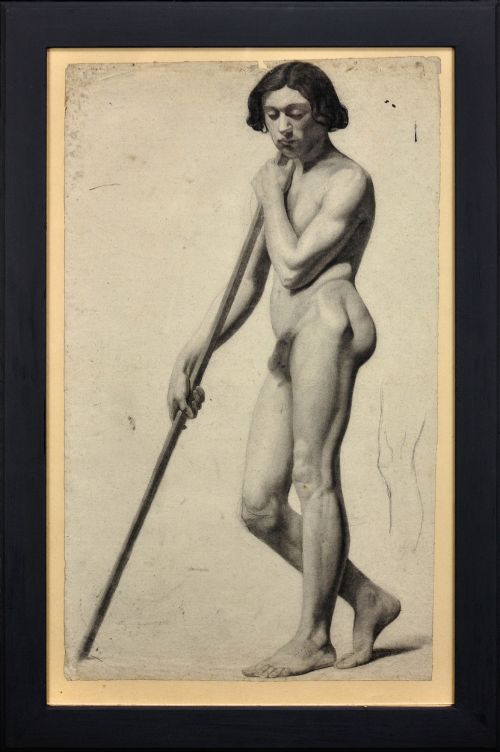
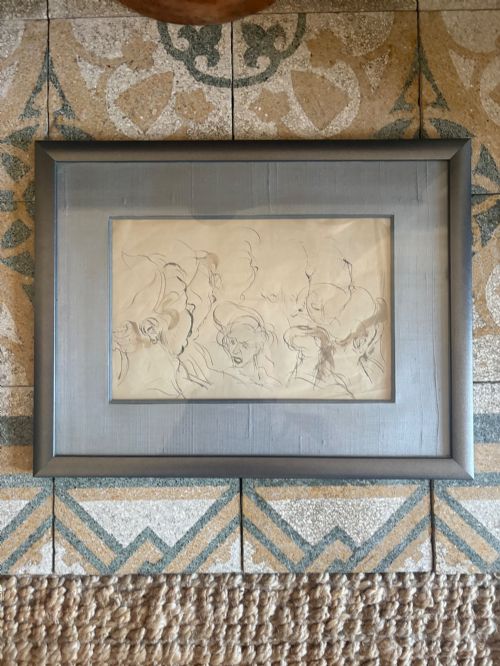
Buyers will encounter various formats on this page, predominantly loose sheets removed from period sketchbooks, finished mounted drawings, and framed works on paper. Subjects span British countryside views, continental Grand Tour landmarks, and classical life studies.
The material survival of these works relies on delicate substrates like rag paper and card. Surviving examples offer direct insight into the working methods of 19th-century artists before final canvas execution.
How They Were Made
Artists utilised graphite, charcoal, and chalk for foundational linework and tonal shading directly on paper substrates. These dry media allowed for rapid blocking of form and light during outdoor and studio sessions.
Watercolour, ink washes, and gouache frequently complemented these linear foundations to add colour, depth, and heightening. Iron gall or carbon inks defined sharp contours, while fluid watercolours captured atmospheric skies and landscape topography.
Listings feature paper, glass, ink, wood, graphite, watercolour, charcoal, and chalk across Victorian, Georgian, and Academic Realism styles.
What Varies in Quality
The dexterity and confidence of the draughtsmanship dictate the primary visual merit of a sheet. Certain hands reveal precise anatomical understanding or rapid topographical economy, while lesser examples display hesitant line work or stiff proportions.
Conservation state and paper integrity heavily influence the standing of a drawing. Foxing, damp staining, and excessive fading diminish the contrast of the original graphite or ink, whereas crisp preservation retains the intended immediacy of the artist's touch.
James Smetham·Henry Arthur Roberts·William Frederick Settle·Alfred Dehodencq·William Edward Frost·Hercules Brabazon Brabazon·Sir Francis Leggatt Chantrey·John Macallan Swan·Henri Josephe Hesse·Joseph Hansom·David Cox Senior·Sir David Wilkie·Frederick Richard Pickersgill·David Roberts·Henry William Burgess
The Original 19th Century Sketch Glossary
- Foxing
- Brown spots caused by chemical reactions in the paper over time. These age marks frequently appear on 19th-century cellulose sheets.
- Grisaille
- A painting executed entirely in shades of grey or neutral monochrome. This technique often served as a preparatory study for larger oil works.
- Graphite
- A form of crystalline carbon used as a drawing medium in pencils. It became widely utilised for detailed shading and preliminary outlines.
- Wash
- A thin, fluid layer of diluted watercolour or ink spread across paper. Artists applied washes to establish rapid tonal backgrounds and shadows.
- Support
- The physical material upon which the artwork is created. Paper and card serve as the standard supports for these period drawings.
Original 19th Century Sketch: Frequently Asked Questions
What is an original 19th century sketch?
An original 19th century sketch is a hand-drawn or painted study created on paper during the 1800s, capturing a direct observation or preparatory idea.
These works were typically executed in graphite, ink, or watercolour as preliminary records rather than finished exhibition pieces.
Were these sketches meant to be sold?
Many 19th-century sketches originated within private artist sketchbooks simply for personal reference, travel recording, or academic training.
Others served as direct preparatory studies for larger oil paintings, historical scenes, or published architectural books.
How do I identify the date of a sketch?
Dating relies heavily on contemporary ink inscriptions, artist signatures, watermarked paper dates, and distinct stylistic clothing or architectural clues.
Comparing the handwriting or paper stock with documented works by the same hand provides the most reliable chronological placement.