


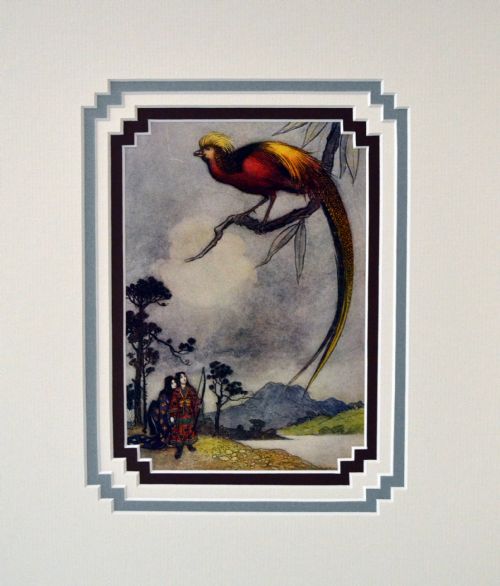


Orientalist Art Print
An orientalist art print captures distant landscapes and figures through Victorian and Edwardian eyes, bringing architectural majesty and narrative depth directly to your wall.
Orientalist Art Print
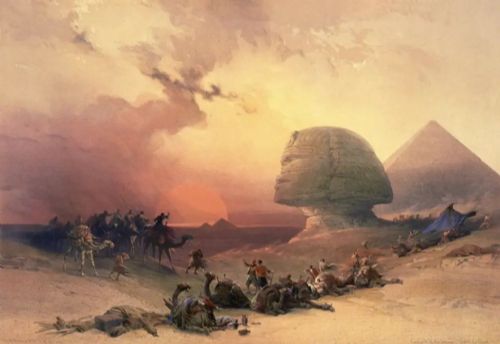
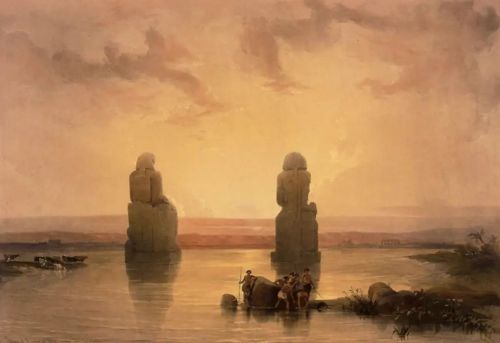
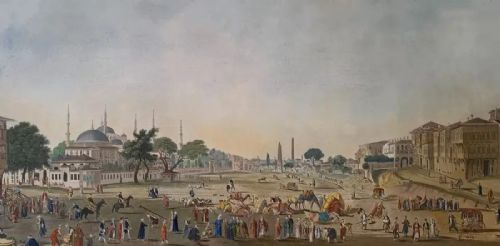
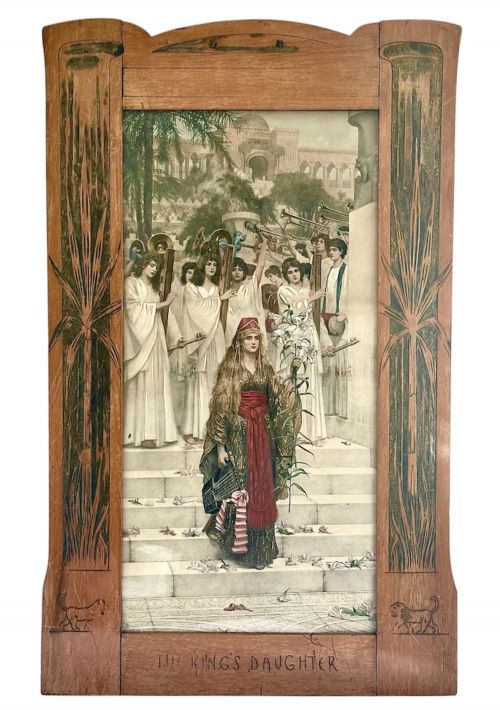
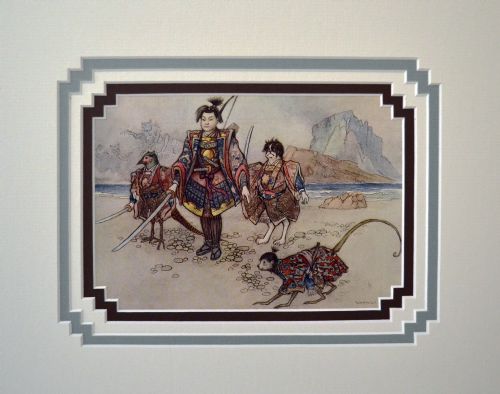
An orientalist art print encompasses framed prints, fine art prints, and paintings created during the Victorian and Edwardian periods. These works capture scenes from the Middle East, Constantinople, and Japan, reflecting European artistic engagement with Eastern cultures.
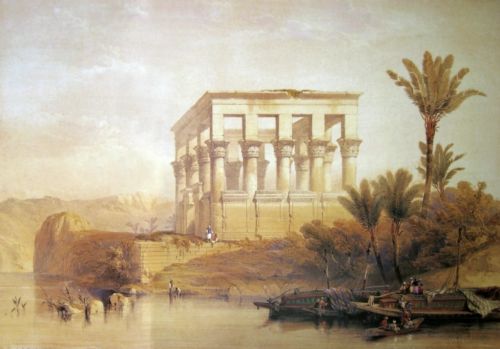
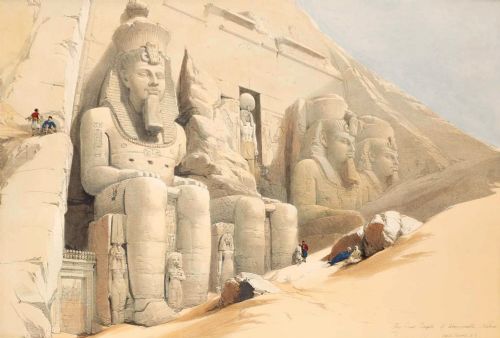
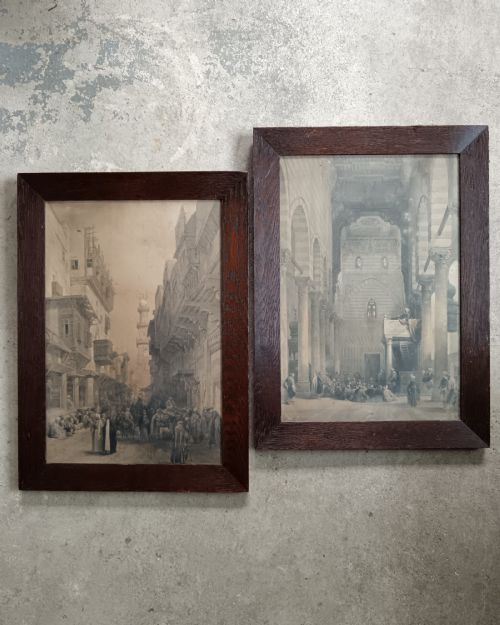
The selections on this page feature notable works by artists such as David Roberts, Anton Ignaz Melling, and Carl Haag. You will find lithographs, engravings, and photogravures presented in period frames like oak and gilt wood.
From architectural studies of temples at Philae and Aboo-Simbel to fairy tale illustrations by Warwick Goble, the forms vary widely. They range from single folio plates to sets of coloured engravings and lithographs.
Materials and Technique
Makers utilised paper, card, and glass alongside ink, watercolour, and paint to produce these works. Lithography and engraving served as the primary methods for reproducing detailed topographical and figurative compositions.
Framing materials such as oak and gilt wood protected the delicate paper and card substrates. Original framing by firms like H. Alden and Co. often accompanied the prints from the nineteenth century onwards.
Orientalist Art Print Retail Price Guide 2026
Typical asking prices for orientalist art print among the pieces listed under this phrase on Sellingantiques today, from the lower quarter to the upper quarter. They describe what is for sale here now, not the wider market.
Actors occasionally found themselves immortalised alongside Middle Eastern travellers in Vanity Fair pages.
Assessing Quality
The fidelity of the ink transfer and the precision of the hand-colouring distinguish finer examples from standard reproductions. Early first edition prints retain sharper lines and truer tonal gradations than later impressions.
The integrity of the original mount and frame contributes significantly to the overall merit of the piece. Intact original frames made of oak or gilt wood preserve the historical context of the nineteenth and early twentieth century.
David Roberts·Anton Ignaz Melling·Carl Haag·Herbert Gustave Schmaltz·Louis Haghe·Warwick Goble·Otto Pilny
The Orientalist Art Print Glossary
- Lithography
- A planographic printing process using a flat stone or metal plate on which image areas are receptive to ink. This technique enabled the vibrant reproduction of nineteenth century watercolours and drawings.
- Photogravure
- A intaglio printmaking process that produces photographic images with continuous tones. This method yielded rich, detailed reproductions popular in the early twentieth century.
- Engraving
- A printmaking technique where an artist cuts lines directly into a metal plate with a burin. The resulting incisions hold the ink for transfer onto paper under high pressure.
- Folio
- A sheet of paper folded once to form two leaves or four pages. First folio sets often contain large-scale plates from notable illustrated travel books.
- Gilt Wood
- Wood that has been treated with a thin layer of gold leaf or gilt paint. This finish appeared frequently on frames during the Victorian period.
Orientalist Art Print: Frequently Asked Questions
What is an orientalist art print?
An orientalist art print is a nineteenth or early twentieth-century depiction of Middle Eastern, North African, or Asian subjects created by European artists. These pieces range from architectural lithographs to fairy tale illustrations.
They reflect the artistic and cultural interests of the Victorian and Edwardian eras, executed through mediums like engraving, watercolour, and lithography.
How were these prints originally displayed?
Many nineteenth-century prints were published in bound folios or travel books before being separately framed by collectors or galleries. Original framing often utilised oak or gilt wood to complement the aesthetic of the artwork.
Contemporaneous framing houses, such as H. Alden and Co., provided bespoke enclosures that preserved the paper and card works.
How do I care for a paper print?
Protect paper and card prints from direct sunlight to prevent the fading of watercolour, ink, and paint pigments. Maintaining a stable indoor environment avoids moisture damage to the delicate substrates.
Ensure that the glass does not press directly against the surface of the print to allow the paper to breathe.
How can I tell a Victorian print from a later one?
Victorian examples often employ hand-coloured lithography or line engraving on heavy stock paper, frequently associated with travel documentation of sites like Cairo and Jerusalem. Later twentieth-century items, such as 1930s photogravures, exhibit different tonal graining and smoother paper textures.
The style of typography, printing technique, and framing materials also offer strong indications of the production period.