
Vintage Classical Print
A vintage classical print brings centuries of artistic heritage into a room, offering timeless portraiture, mythology, and architecture through traditional graphic techniques.
Vintage Classical Print
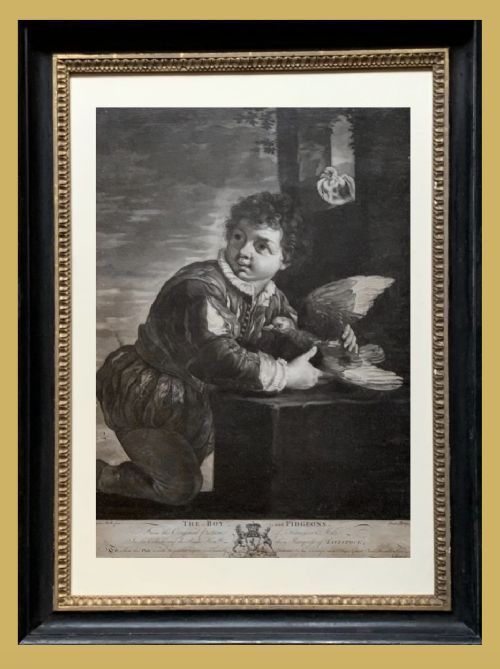
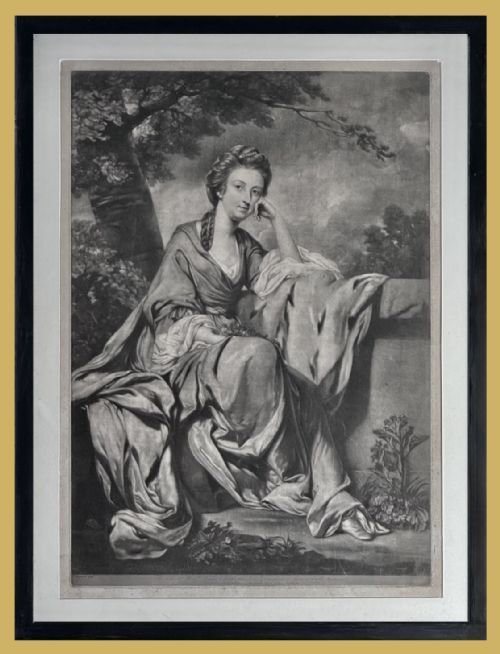
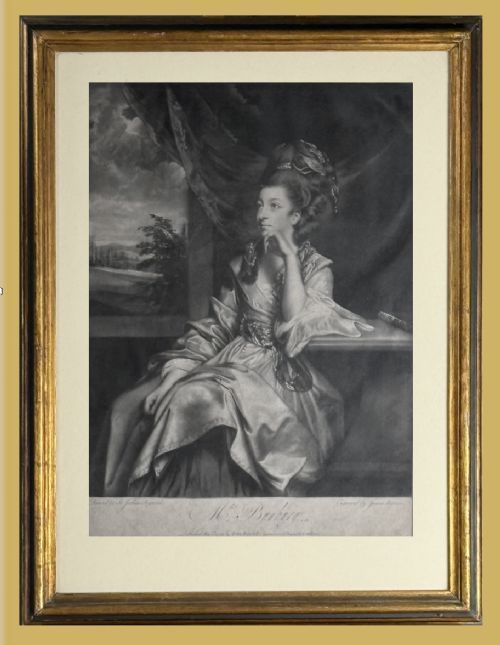
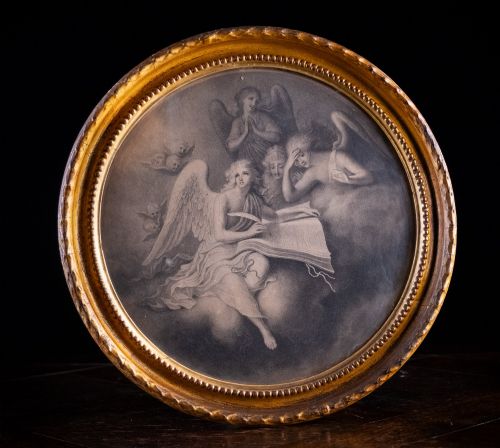
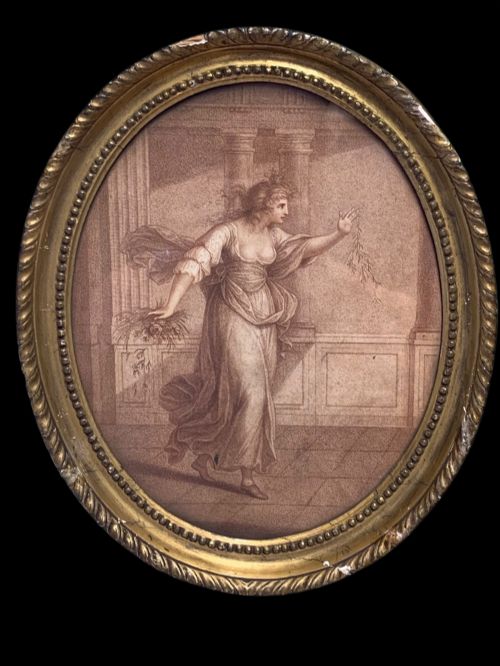
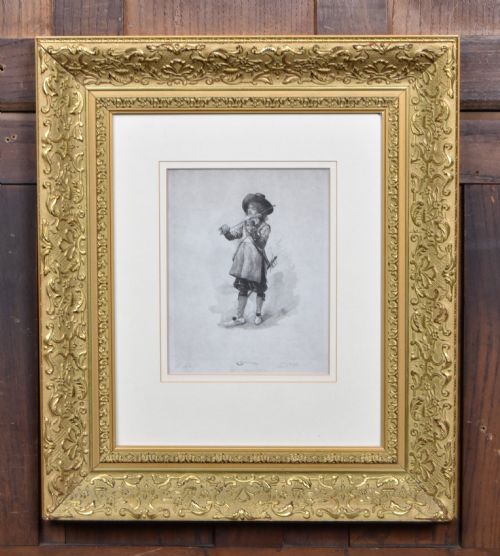
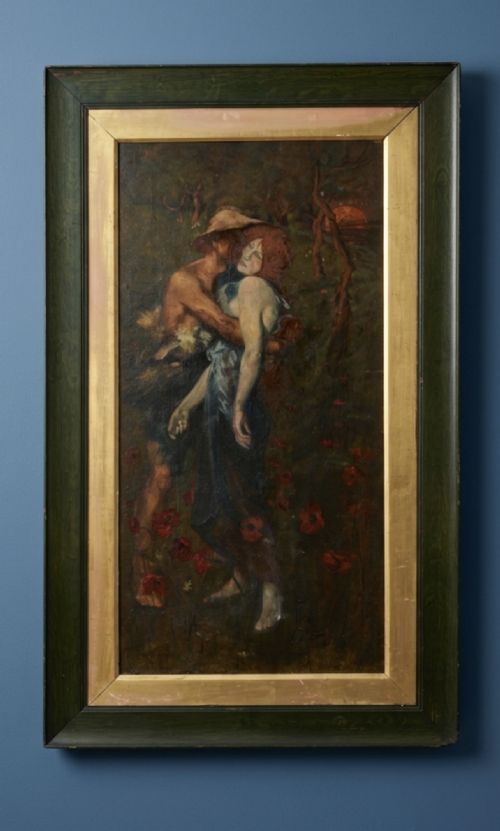
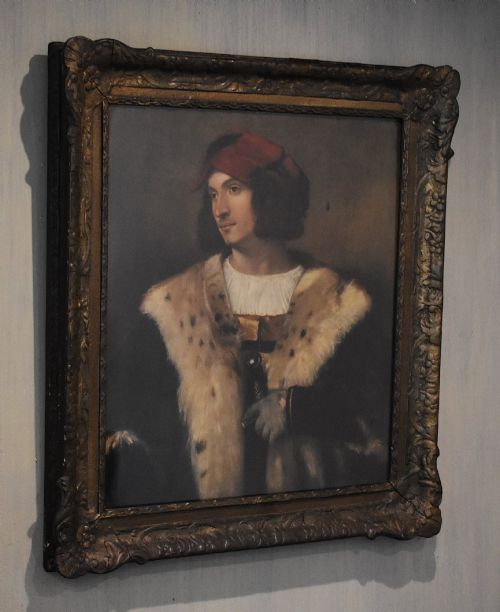
A vintage classical print encompasses a wide array of framed works spanning from the seventeenth century through the mid-twentieth century, capturing subjects rooted in academic tradition, mythology, and historical portraiture. Buyers searching for a vintage classical print will encounter diverse artistic expressions, including engravings, mezzotints, etchings, and later photogravures and oleographs.
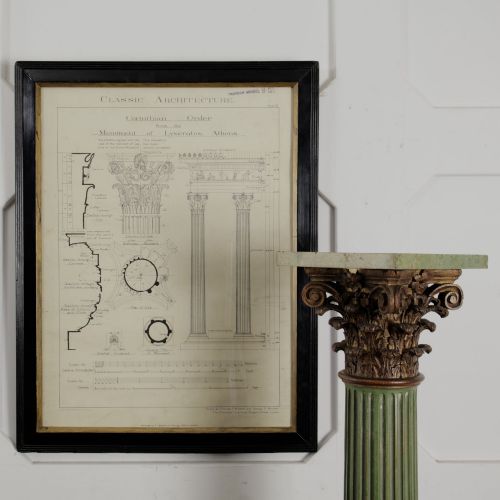
The selection ranges from eighteenth-century stipple engravings depicting classical figures to twentieth-century Medici reproductions and academic life studies. Architectural plates, landscape scenes, and mythological compositions also populate the category, often preserved behind glass within period wood and gilt frames.
How these works were produced
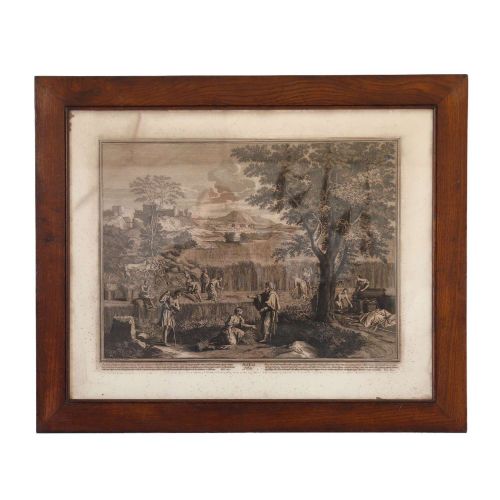
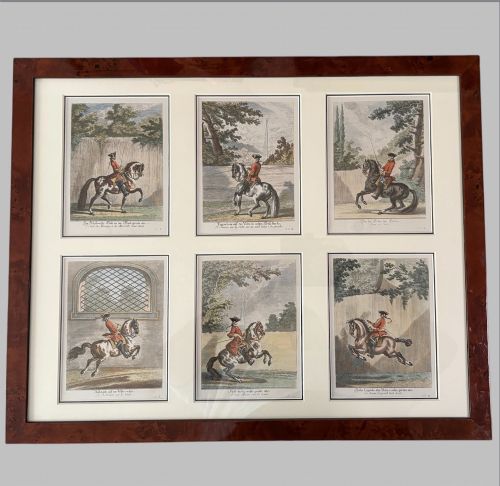
Makers utilised traditional printing methods such as copperplate engraving, etching, and mezzotint, applying ink meticulously to paper to capture fine tonal gradations. Hand colouring frequently enhanced monochrome plates, adding subtle hues to architectural scenes and figurative compositions.
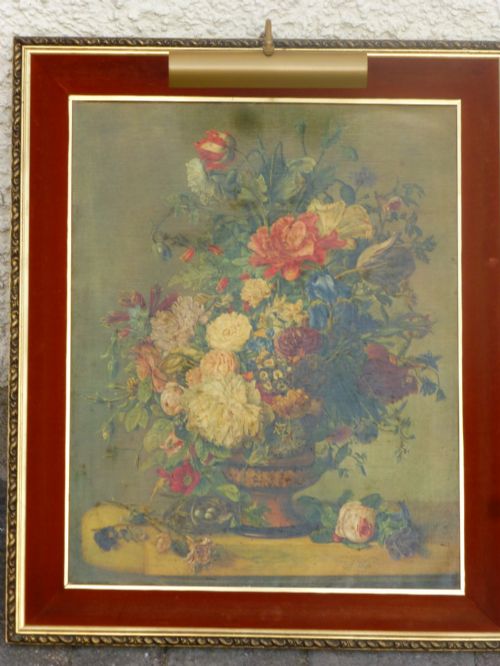
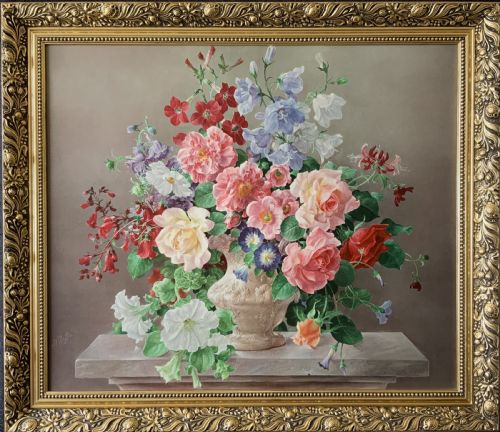
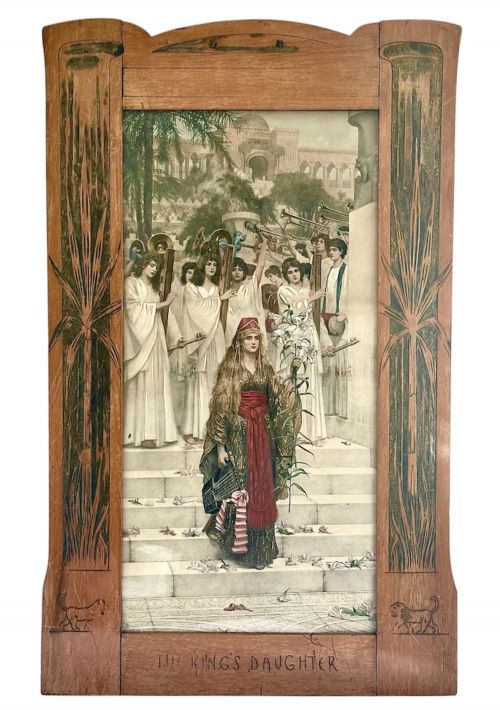
Later twentieth-century examples incorporate photogravure, collotype, and oleograph techniques on canvas or paper, sometimes featuring textured finishes to emulate original oil paintings. Framing relied on wood, gilt, and giltwood mouldings, housing the works securely beneath glass.
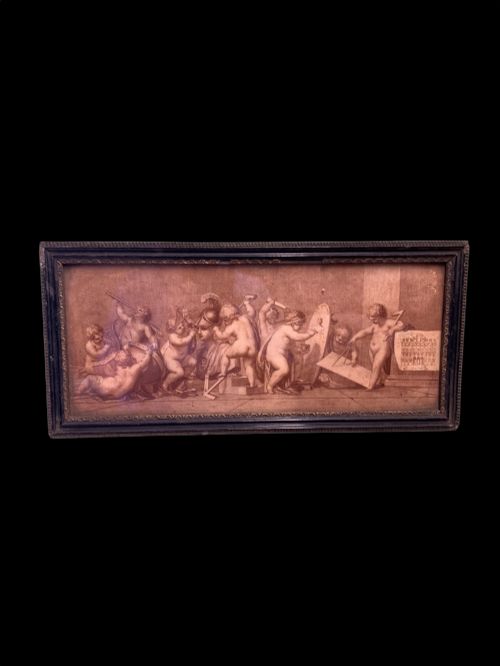
Angels, cupids, and panpipes frequently join the gods of antiquity on paper, proving that classical deities thoroughly enjoy domestic wall space.
What separates examples in quality
Quality rests upon the clarity of the impression and the skill of the printmaker or engraver translating an original painting or drawing. Sharp lines in early copperplate engravings and delicate tonal transitions in mezzotints distinguish finer plates from worn impressions.
The preservation of the paper, the vibrancy of any hand-applied pigment, and the integrity of the period frame contribute significantly to the overall standing of an individual piece.
John Boydell·Edward Fisher·James Watson·Francesco Piranesi·John and Richard Riley
The Vintage Classical Print Glossary
- Mezzotint
- A printmaking process of the intaglio family where the plate is roughened to achieve rich dark tones and subtle graduations of light. This technique allows for remarkably smooth portraits.
- Oleograph
- A type of chromolithographic print textured to imitate an oil painting on canvas. These reproductions gained popularity in the nineteenth and twentieth centuries.
- Stipple engraving
- An intaglio method using dots of varying sizes and densities to create tonal depth rather than continuous lines. It is frequently found on eighteenth-century portraiture.
- Collotype
- A planographic photomechanical printing process capable of producing continuous tone images with exceptional detail. It was widely utilised for fine art reproductions in the early twentieth century.
- Neoclassical
- A style rooted in the art and culture of classical antiquity, emphasising harmony, proportion, and heroic subject matter. It heavily influenced European art across multiple centuries.
Vintage Classical Print: Frequently Asked Questions
How do I care for a vintage print?
Keep framed pieces away from direct sunlight to prevent ink fading and paper degradation over time. Maintain stable indoor humidity levels to protect both the paper and the wooden frames.
Ensure that hanging hardware remains secure, and consult a professional conservator if the backing board requires replacement or cleaning.
Are these works original antique prints?
The category includes original period copperplate engravings, etchings, and mezzotints dating back to the seventeenth and eighteenth centuries. It also encompasses later twentieth-century reproductions, collotypes, and oleographs.
Reviewing the listed production dates and printing techniques helps clarify whether a piece is a contemporary impression from an antique plate or a later commemorative reproduction.
What framing styles should I expect?
Many pieces are presented in period wooden frames, often featuring gilt or gilded wood finishes that complement classical subjects. These frames frequently exhibit natural patination accumulated over decades.
Glazing is commonly used to protect fragile paper surfaces from dust and environmental moisture in domestic settings.
How do I identify classical themes?
Classical subjects typically draw inspiration from Greek and Roman mythology, ancient architecture, heroic figures, and traditional academic life studies. Common motifs include deities, allegorical scenes, and formal architectural elevations.
Artists and printmakers frequently referenced historical paintings by masters when composing these detailed plates.