


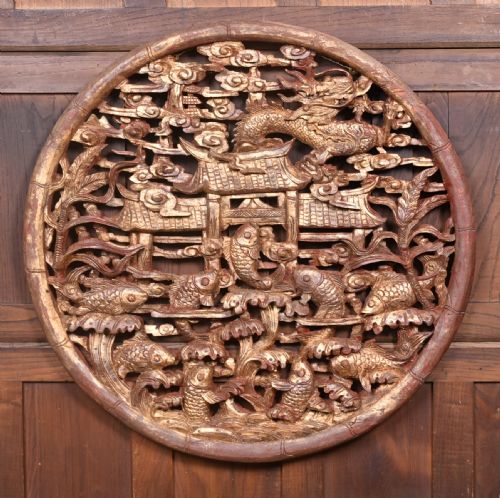


Oriental Wood Carving Panel
An oriental wood carving panel brings intricate handwork and rich timber texture into a room, offering a distinct focal point for interior display.
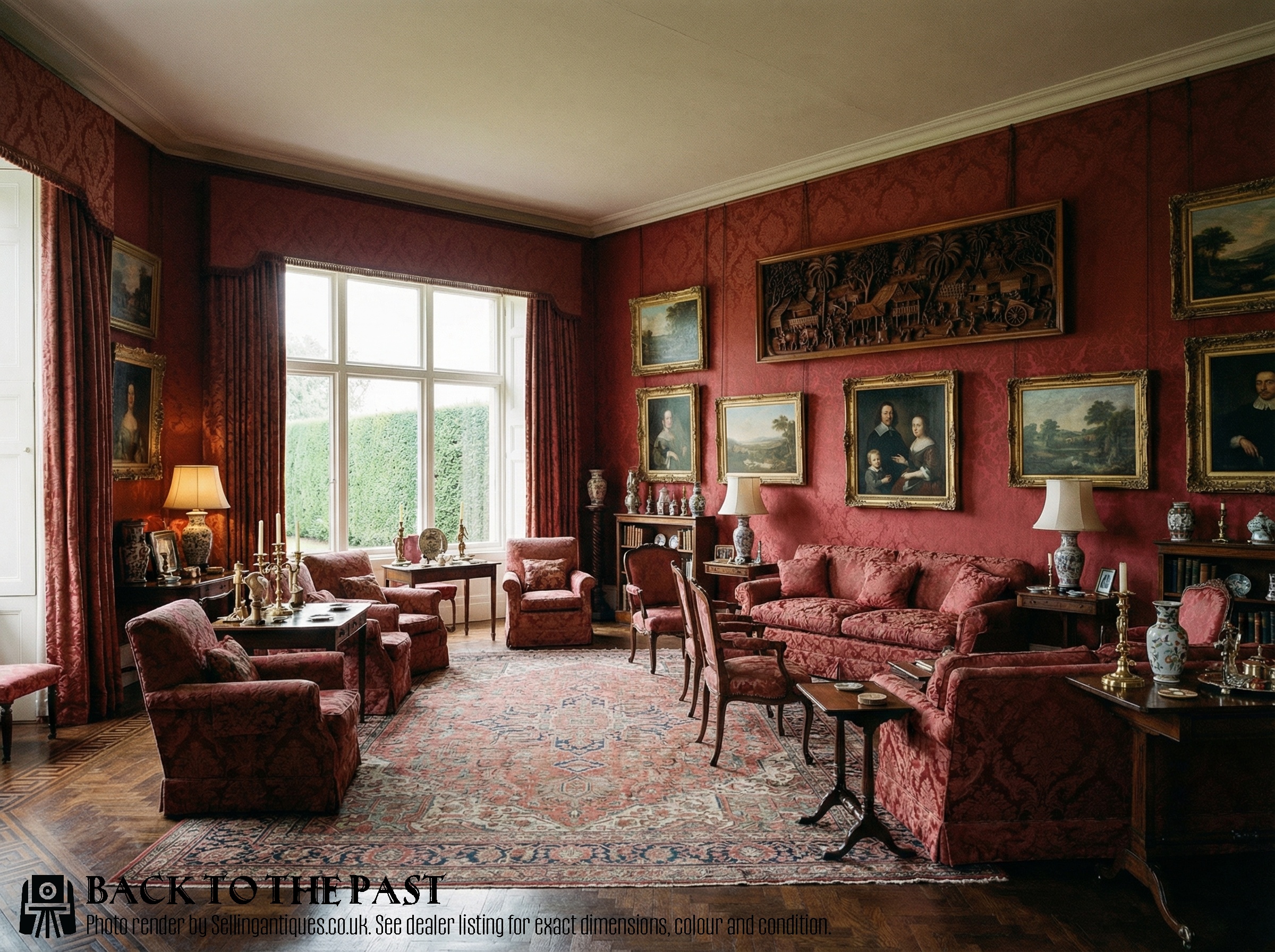
Oriental Wood Carving Panel
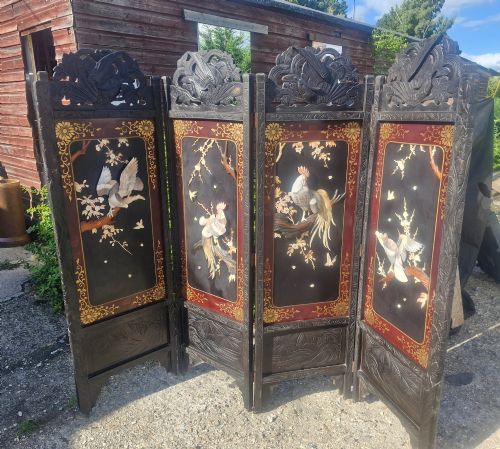
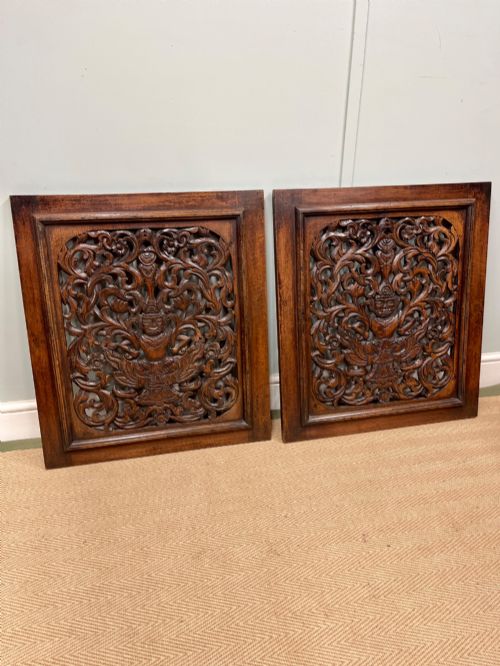
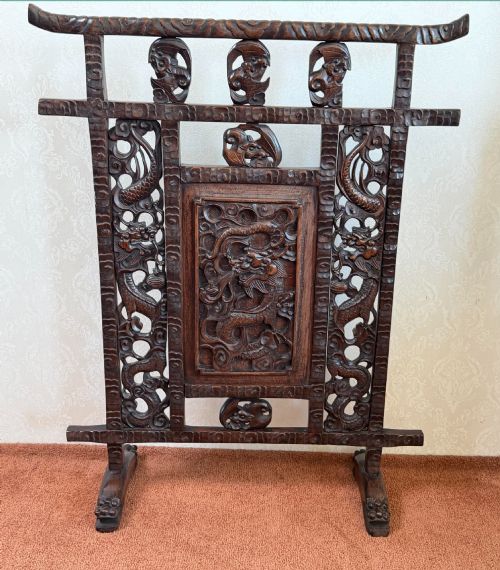
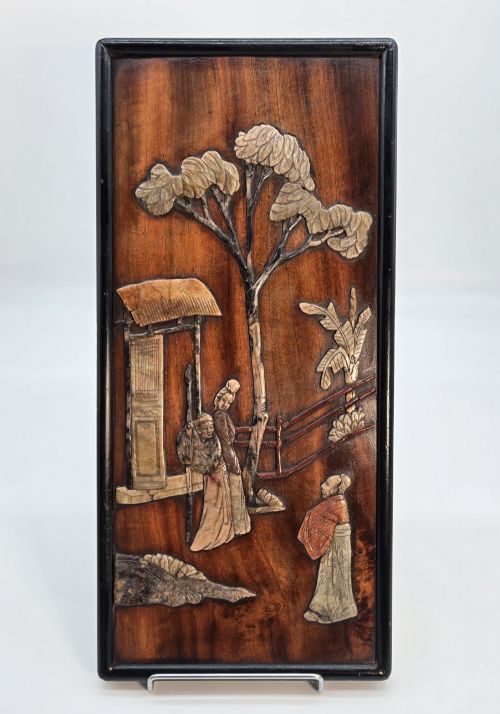
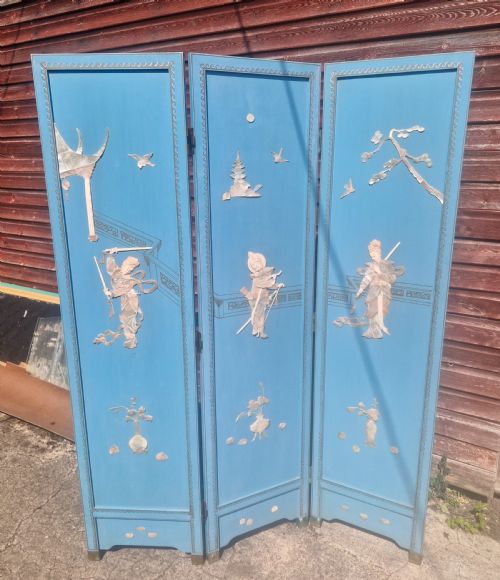
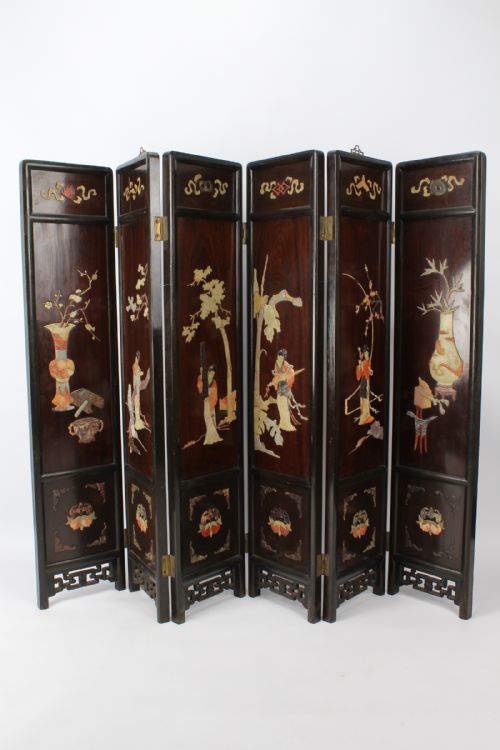
An oriental wood carving panel encompasses wall plaques, framed sections, and multi-fold room dividers originating from traditions across China, Japan, India, and Burma. Buyers searching for an oriental wood carving panel typically encounter items fashioned from dense timbers, frequently configured as hanging wall decor or hinged screens.
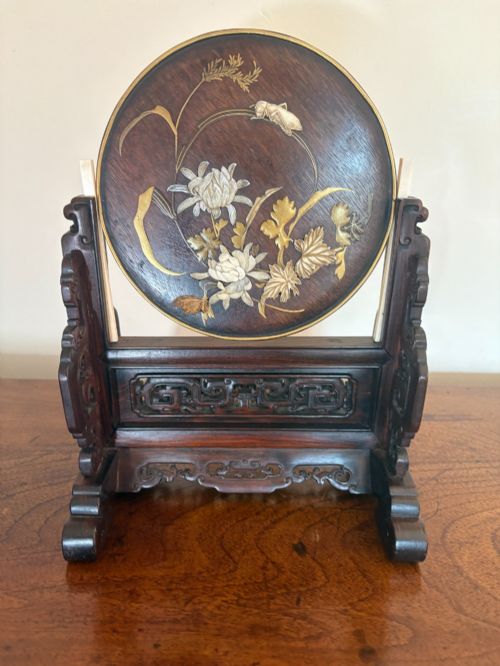
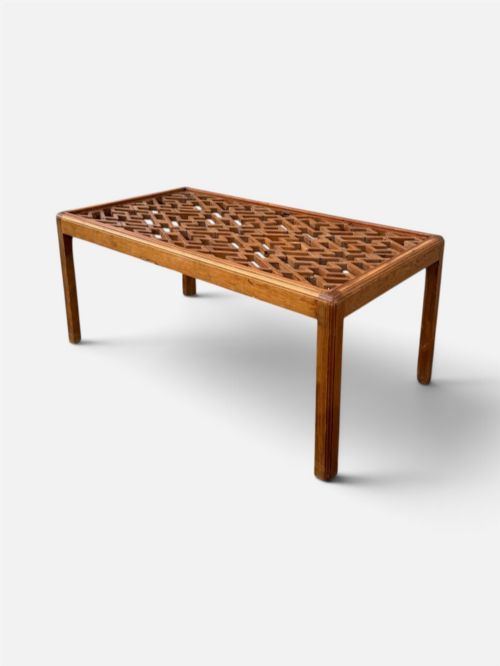
The selections span periods from the nineteenth century into the mid-twentieth century, showcasing regional motifs like Qing Dynasty designs and Meiji Period craftsmanship. These pieces function as architectural elements, tabletop displays, or integrated components within larger furniture forms such as cabinets and coffee tables.
How they were made
Artisans utilised hardwoods, teak, and lacquered timber as the structural foundation for these items, applying deep relief techniques to create layered pictorial scenes. Many examples incorporate bone inlay, delicate silk embroidery, or brass fittings to contrast against the dark wood grain.
Gilt wood and gold leaf finish work appear on select temple panels and figure groups, adding metallic illumination to the carved surfaces. Craftspeople employed fretwork joinery and lacquer layers to achieve durable finishes on screens and plaques.
Several panels incorporate tiny bone figures engaged in domestic tasks, inviting close inspection of minuscule daily scenes.
What varies in quality
The depth and precision of the chisel work dictate the visual distinction of a panel, separating straightforward geometric piercing from elaborate figurative narratives involving bone inlay and multi-layered carving. The choice of primary timber, whether dense hardwood or lighter utility wood, influences the weight and resilience of the structure.
Integration of secondary materials such as hand-embroidered silk panels or applied gold leaf demonstrates higher workshop standard. The crispness of the original joinery on folding screens and framed plaques reveals the maker's mastery over the medium.
The Oriental Wood Carving Panel Glossary
- Shibayama
- A Japanese decorative technique utilising inlaid materials such as bone, shell, and ivory to create pictorial motifs on wood bases.
- Fretwork
- Openwork ornamentation carved or pierced through wood to form geometric patterns or lattice designs.
- Coromandel
- A style of Chinese carved lacquer work where designs are incised into a dark ground and filled with colours.
- Qing Dynasty
- The final imperial dynasty of China, spanning the seventeenth to early twentieth centuries, known for prolific decorative arts.
Oriental Wood Carving Panel: Frequently Asked Questions
Where should I place a carved wood panel?
Wall panels and plaques mount securely on flat plaster surfaces to serve as artistic focal points in living areas or hallways.
Larger folding screens function as flexible room dividers or decorative backdrops against plain walls.
How do I care for antique wood panels?
Dust the carved surfaces regularly with a soft, dry cloth to prevent particulate buildup in the recessed areas.
Keep timber and lacquer pieces away from direct heat sources and strong sunlight to protect the finish.
What is the difference between a table screen and a wall panel?
Table screens feature dedicated carved stands designed for horizontal placement on flat furniture surfaces.
Wall panels and plaques contain integrated hanging hardware or flat backs intended for vertical wall mounting.
How can I identify the period of an oriental panel?
Examine the timber selection, tool marks, and integration of secondary media like bone inlay or silk embroidery.
Stylistic markers such as Meiji period motifs or Qing Dynasty conventions provide reliable chronological indicators.