



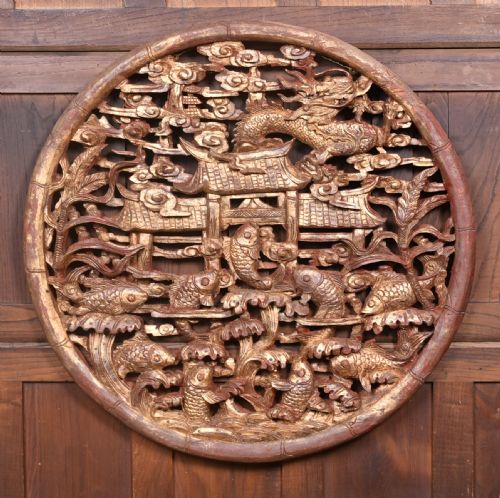


Oriental Wall Decor
Oriental wall decor brings together intricate panels, mirrors and plates from diverse Asian and European traditions.
Oriental Wall Decor
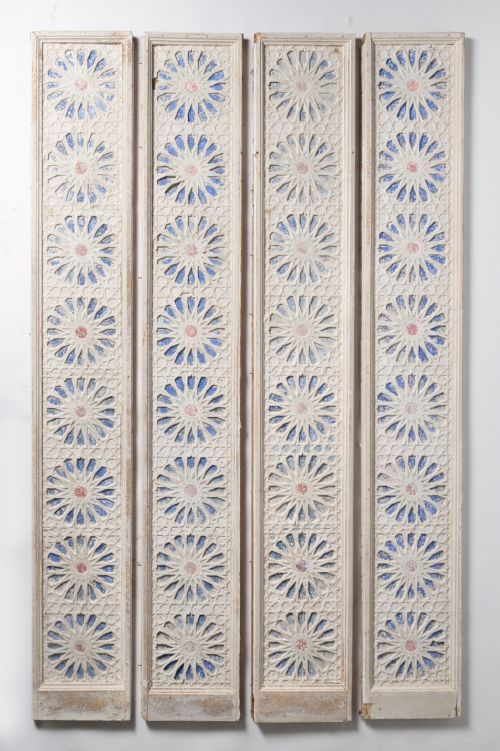
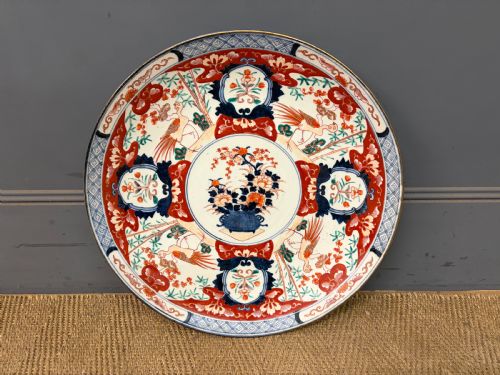
Oriental wall decor encompasses a varied group of hanging objects, from nineteenth-century Japanese Imari porcelain plates and chargers to carved wooden panels and framed textiles. Buyers searching this phrase encounter everything from Edwardian Chinoiserie mirrors and lacquer roundels to reverse glass paintings and Chinese embroideries.
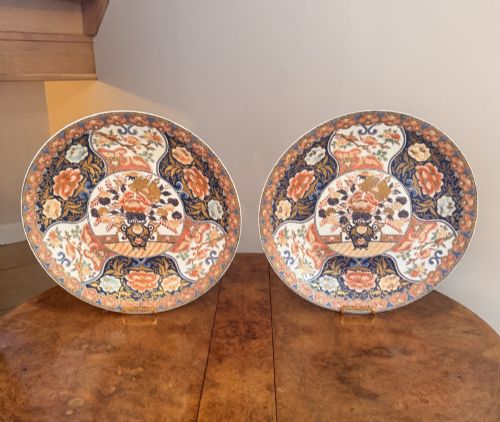
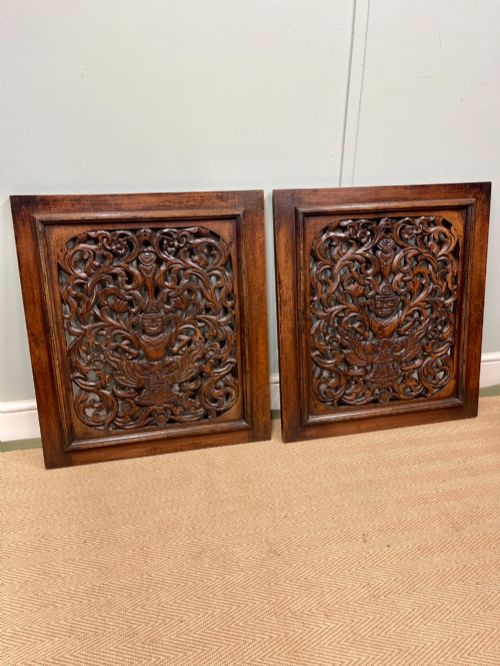
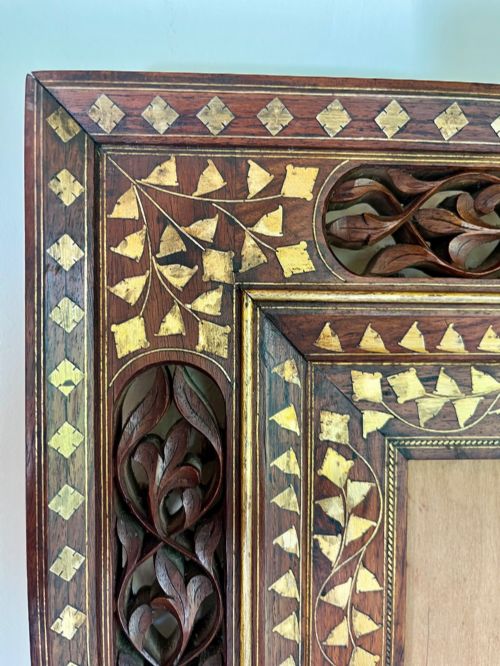
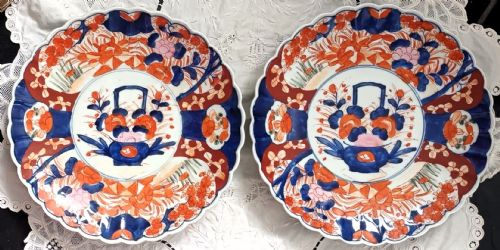
Japanese Meiji period Imari porcelain plates form a distinct strand among these listings, alongside Burmese panels and Anglo-Indian mirror frames. Pieces range from small shell-shaped dishes to large chargers, offering diverse ways to ornament a wall with traditional motifs.
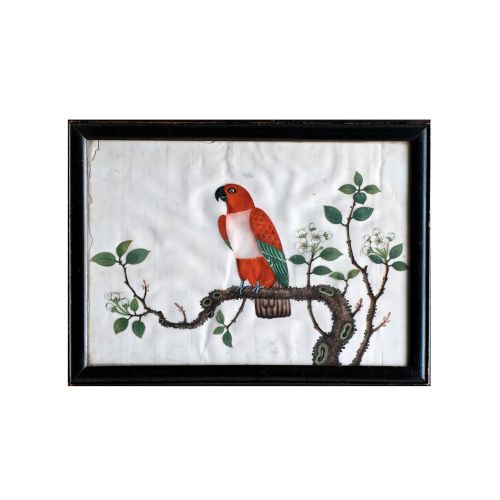
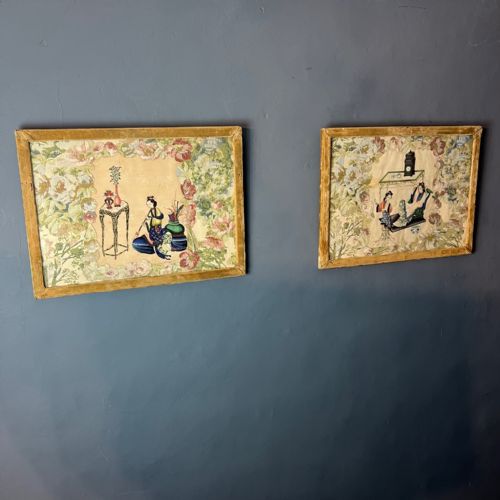
The selection extends to paper and textile works, including Japanese woodblock prints set in rosewood frames with silk brocade mounts, alongside Chinese watercolour paintings on silk and brass rubbings.
How they were made
Textile works utilise fine stitching on silk and cotton grounds, while paintings employ watercolour and oil on silk, paper, and glass surfaces. Brass and bronze casting techniques shape metal plates and decorative wall elements.
Oriental Wall Decor Retail Price Guide 2026
Typical asking prices for oriental wall decor among the pieces listed under this phrase on Sellingantiques today, from the lower quarter to the upper quarter. They describe what is for sale here now, not the wider market.
Mandarin ducks and exotic birds frequently populate these nineteenth-century embroideries, bringing avian life directly to the parlour wall.
What varies in quality
Quality rests on the crispness of the hand-carved detail in wooden panels and the precision of the brushwork or glaze application on porcelain plates and reverse glass paintings. Superior items display careful framing choices, such as rosewood surrounds and silk brocade mounts that complement the central artwork.
The depth of colour in enamels, the complexity of the composition, and the preservation of delicate silk embroideries distinguish finer examples from standard decorative items.
The Oriental Wall Decor Glossary
- Imari
- A style of Japanese porcelain decorated in underglaze blue and overglaze iron red, gold, and green. It originated in the town of Arita and became widely exported during the Meiji period.
- Chinoiserie
- European decorative style reflecting Chinese artistic influences, popular during the Edwardian era and earlier centuries. It appears frequently on mirrors, barometers, and lacquered furnishings.
- Cloisonne
- Enamelling technique where thin metal wires form compartments on a metal base to hold coloured pastes before firing. This method creates detailed pictorial plaques.
- Ukiyo-e
- Japanese genre of woodblock prints and paintings depicting scenes of everyday life, landscapes, and historical tales. These works often feature custom silk mounts.
- Roundel
- A circular panel, plaque, or painting used for wall decoration. Lacquered versions often depict traditional landscapes or botanical motifs.
Oriental Wall Decor: Frequently Asked Questions
How do I hang antique porcelain plates safely?
Use spring-loaded brass plate hangers that grip the rim securely without causing damage to the porcelain body.
Ensure the wall fixing is anchored into a stud or uses a proper wall plug to support the weight of larger chargers.
What is the difference between Imari and Chinoiserie?
Imari refers to authentic Japanese porcelain created for export using distinct blue, red, and gilt palettes.
Chinoiserie describes European items made in imitation of Chinese and East Asian aesthetic styles.
How should I clean framed silk embroideries?
Keep textile pieces away from direct sunlight to prevent the fading of delicate silk threads and natural dyes.
Dust the glass surface gently with a dry microfibre cloth and avoid using liquid cleaners near the wooden frame joints.
Can I mix different periods of wall decor?
Combining nineteenth-century Japanese plates with Edwardian Chinoiserie mirrors creates a layered interior scheme.
Focus on complementary colour palettes and matching frame materials to tie disparate regional styles together harmoniously.