





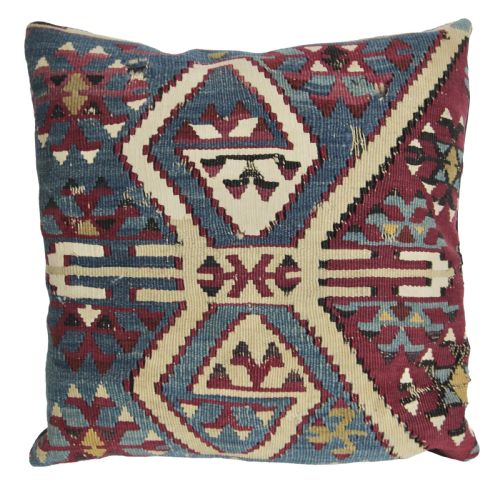


Oriental Throw Pillow
Oriental throw pillow choices bring hand-woven nomadic textiles into modern rooms as tactile cushions.
Oriental Throw Pillow
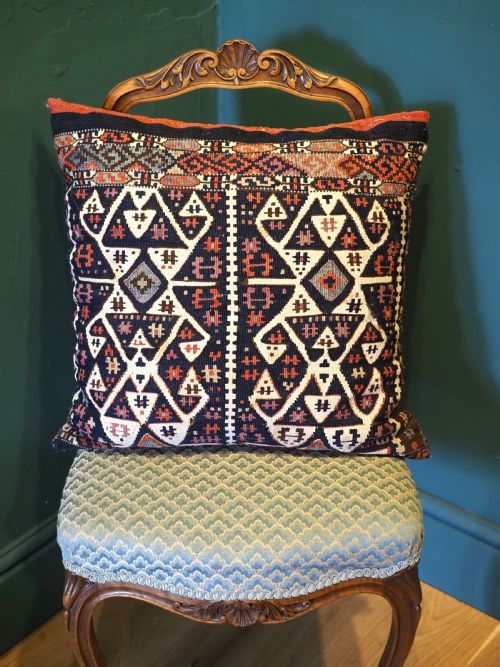
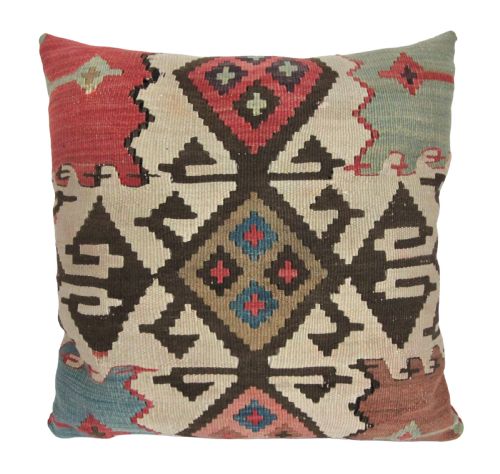
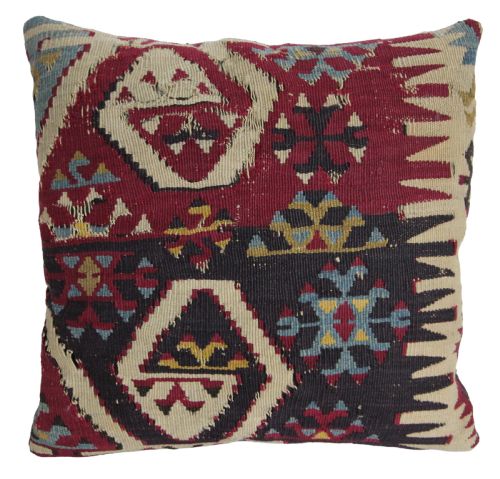
When you search for an oriental throw pillow, you encounter antique and vintage cushions fashioned from historic woven items. These pieces transform traditional flatweaves and storage sacks into soft furnishings for daily use.
The selections on this page draw from nineteenth-century and early twentieth-century traditions. You find kilim cushions, bag face cushions, and carpet cushions originating from tribal and nomadic makers.
Anatolian and Persian workshops supply the bulk of these items. Pieces like Turkish Malatya saddle bags and Baluch rug cushions appear frequently in the current listings.
Materials and construction
The makers of these textiles relied entirely on natural fibres. Wool and cotton form the foundation of every piece, providing the durable structure needed for heavy sacks and floor coverings.
Artisans employed traditional hand-weaving techniques to create flatwoven surfaces. These durable textiles were originally constructed as utilitarian items such as saddle bags and bag faces before being repurposed into cushions.
Oriental Throw Pillow Retail Price Guide 2026
Typical asking prices for oriental throw pillow among the pieces listed under this phrase on Sellingantiques today, from the lower quarter to the upper quarter. They describe what is for sale here now, not the wider market.
Your cushion might still remember the journey across the mountains on a nineteenth-century donkey.
Distinguishing finer examples
Quality in these cushions rests upon the tightness of the original weave and the clarity of the tribal patterns. Tighter construction yields a firmer face that holds its shape reliably on a chair or sofa.
The integrity of the historic textile determines the overall standing of the cushion. Pieces derived from complete bag faces or well-preserved saddle bags display more complex designs than simpler utilitarian panels.
The Oriental Throw Pillow Glossary
- Kilim
- A flatwoven textile produced without a pile. These pieces form the most common fabric used for the cushions on this page.
- Bag face
- The decorative front panel of a nomadic storage sack. Artisans wove these panels with intricate geometric motifs before repurposing them into cushions.
- Saddle bag
- A paired container used for transport on animals. Sections of these heavy-duty carriers are frequently adapted into durable scatter cushions.
- Tribal
- Describing items made by nomadic or village groups rather than urban factories. These designs reflect regional motifs passed down through generations.
Oriental Throw Pillow: Frequently Asked Questions
Are these cushions made from old rugs?
Many of these pieces are fashioned from genuine antique textiles including kilims, saddle bags, and rug fragments. Artisans repurpose these historic fabrics to give them a new function as soft furnishings.
The materials date from the nineteenth and early twentieth centuries, retaining their original hand-spun wool and traditional dyes.
How do I care for a wool cushion?
These wool and cotton cushions require gentle maintenance to preserve their historic fibres. Vacuuming with a low suction attachment helps remove dust without damaging the weave.
Professional cleaning is recommended for any deeper attention. Avoid harsh chemical detergents or soaking the fabric.
Where do these tribal designs originate?
The pieces originate from nomadic and village traditions across regions such as Anatolia and Persia. Distinct tribal groups including Kurdish and Baluch makers contributed specific geometric patterns to these textiles.
Each weaving region utilised particular colour palettes and motifs that identify the provenance of the fabric.
Can I sit on these daily?
These items function effectively as decorative throw pillows on chairs or sofas. The sturdy wool construction handles normal domestic use while adding texture to a room.
Rotating the cushions occasionally ensures even wear across the hand-woven surface.