




Oriental Textile Wall Hanging
When you seek an oriental textile wall hanging, you encounter tribal weavings and embroidered panels carrying the traditions of Central Asia and Persia.
Oriental Textile Wall Hanging
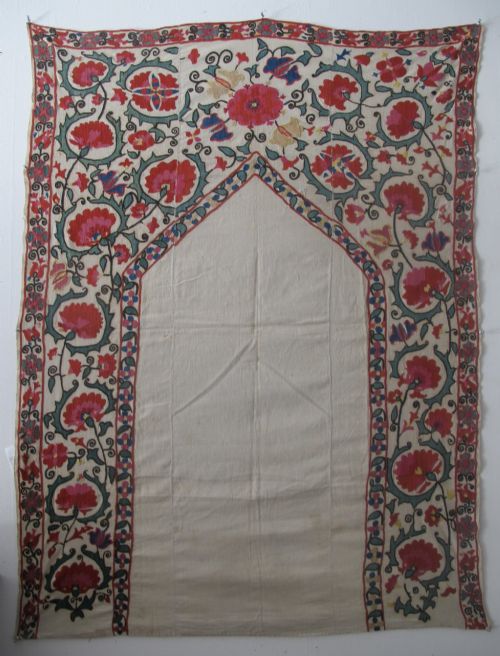
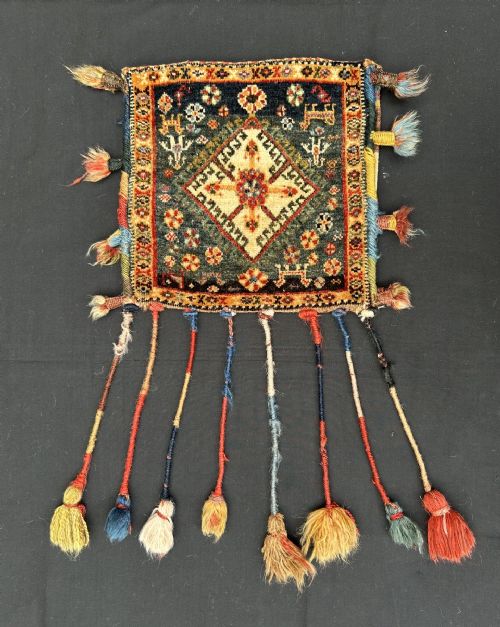
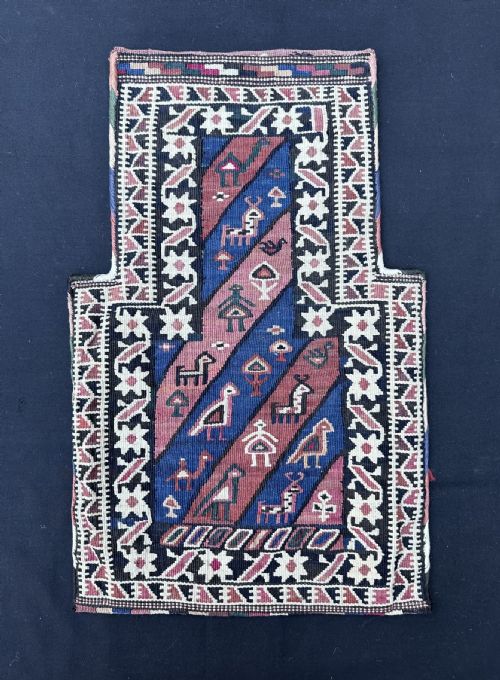
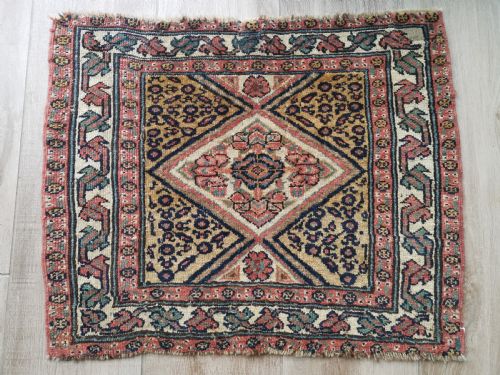
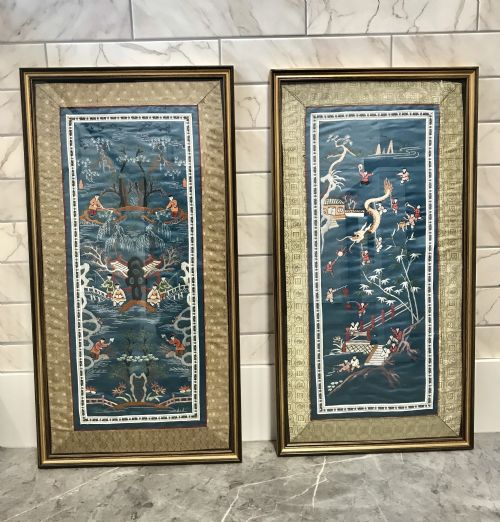
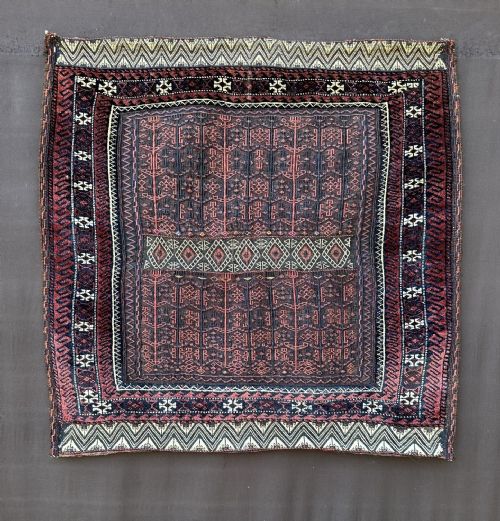
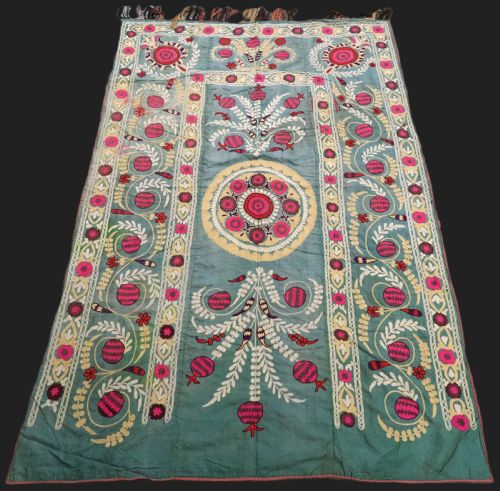
An oriental textile wall hanging encompasses a diverse range of tribal weavings and embroidered panels originating from Central Asia, Persia, and China during the nineteenth and early twentieth centuries. These objects frequently take the form of utilitarian items repurposed for display, including torbas, chuvals, storage bags, and sofreh bread cloths alongside needlework suzanis and framed embroideries.
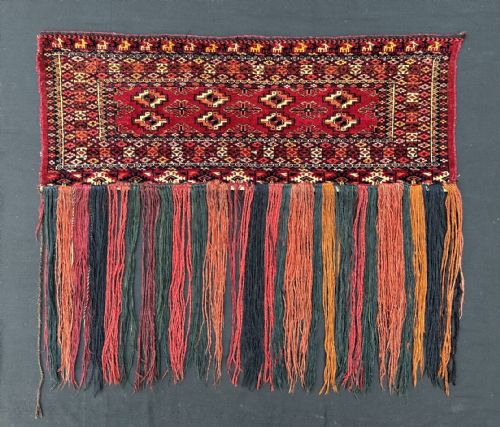
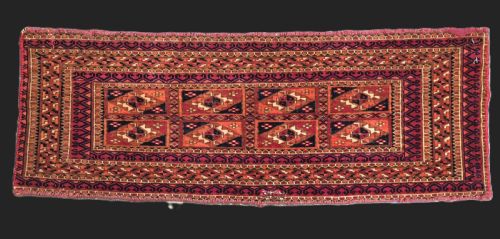
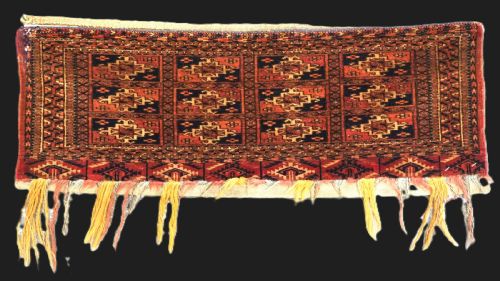
The selection on this page leans heavily toward nomadic and village weavings created by Turkmen tribes, Persian confederacies, and Uzbek workshops. Pieces such as Yomut torba faces, Tekke kap items, and Silk embroideries dominate the offerings, representing domestic textiles adapted into decorative wall art through mounting or the addition of hanging loops.
How they were made
Materials utilised in these textiles centre on natural fibres such as hand-spun wool, cotton, and silk, frequently dyed with natural colourants to achieve deep, lasting hues. Felt and wood elements also appear in specific applique works and framed panels.
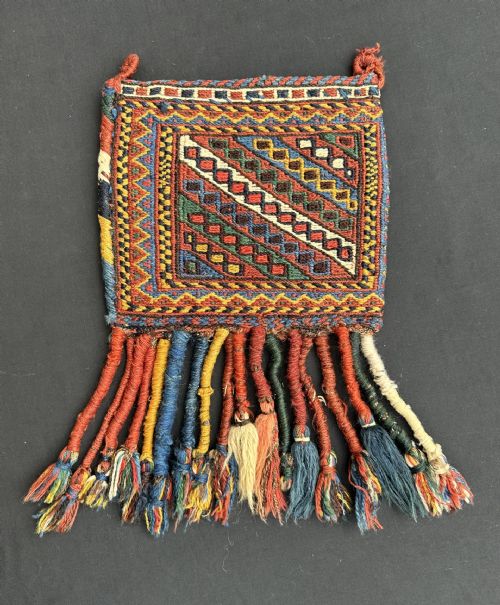
Techniques vary from pile weaving and flatweave sumac structures to intricate silk embroidery and applique work under glass. Artisans employed hand-sewing and traditional loom methods to construct storage bags and decorative covers that survive in various states of completeness.
Several nomadic storage bags retain their original plain weave backs, proving that even a humble spindle pouch deserved a neat finish.
What varies in quality
Quality in these textiles depends on the fineness of the weave, the intricacy of the tribal guls or embroidered motifs, and the preservation of the original structure. Pieces retaining complete backs, hanging loops, or untouched borders demonstrate greater integrity than fragmentary remnants.
The vibrancy and complexity of the natural dyes and the precision of the needlework or knotting further distinguish standard examples from finer tribal dowry pieces. Superior items display balanced proportions and crisp execution within their traditional geometric or pictorial designs.
The Oriental Textile Wall Hanging Glossary
- Torba
- A small Turkmen storage bag traditionally used inside a yurt. These pieces were often woven as dowry items and display characteristic tribal guls.
- Gul
- A medallion motif repeated across Turkmen carpets and bag faces. Each tribal group utilised distinct secondary and primary forms.
- Suzani
- An embroidered silk or cotton wall hanging originating from Uzbekistan and Tajikistan. These large decorative textiles traditionally formed part of a bride's dowry.
- Chuval
- A large tent bag utilised by nomadic tribes for household storage. Surviving examples frequently circulate as decorative wall panels.
- Sofreh
- A cloth spread used for dining or food preparation in Persian and Central Asian households. They often feature minimalist geometric designs or specialised tribal layouts.
Oriental Textile Wall Hanging: Frequently Asked Questions
How were these bags used originally?
Nomadic tribes utilised these woven containers inside tents for storing household goods, bedding, and provisions.
Over time, many of these utilitarian items transitioned into decorative wall displays as collectors prized their traditional tribal artistry.
Are these textiles meant for hanging?
Many pieces began as storage bags or floor spreads but are adapted for display using custom mounts or added loops.
Flat embroideries and silk panels lend themselves naturally to wall mounting due to their lightweight flexible structure.
How do I identify a Turkmen bag face?
Turkmen pieces feature repeating geometric medallions known as guls set against deep madder-red grounds.
Specific tribes such as the Tekke, Yomut, and Ersari incorporated distinct borders and secondary motifs to signal their heritage.
What is the difference between a suzan and a torba?
A suzani is a large embroidered cotton or silk wall hanging from Uzbekistan featuring floral and vineswork designs.
A torba is a smaller Turkmen woven storage bag dominated by geometric tribal guls and pile or flatweave construction.