






Oriental Style Desk Lamp
These oriental style desk lamp pieces bring together export porcelain, lacquer, and bronze converted for daily lighting.
Oriental Style Desk Lamp
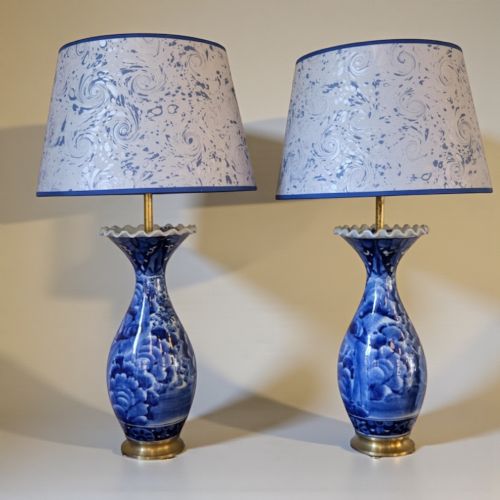
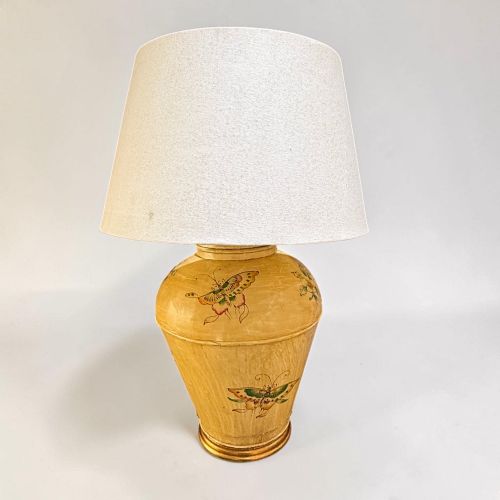
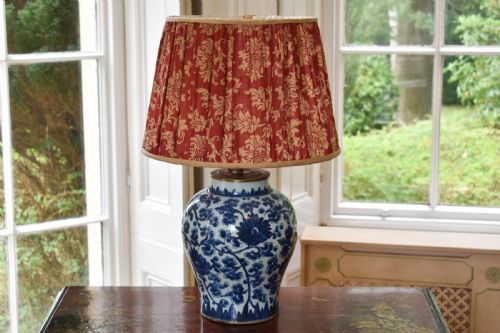
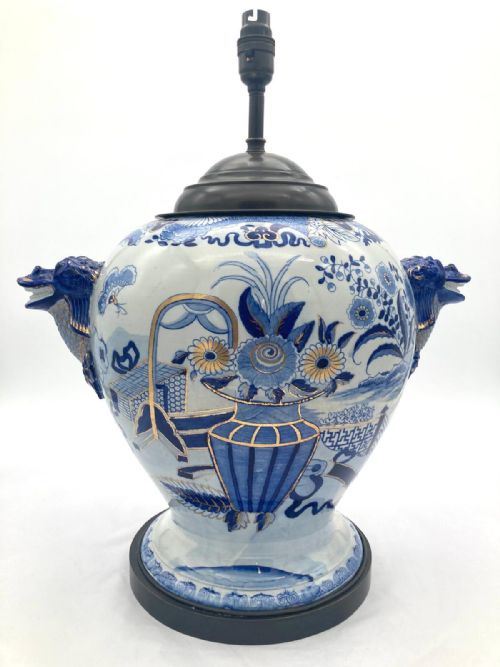
An oriental style desk lamp typically takes the form of a converted vase, brush pot, or jar fitted for electrical illumination. You will frequently encounter nineteenth-century Chinese porcelain bodies, such as blue and white, famille verte, or celadon vessels, alongside lacquered wooden forms and Japanese bronzes.
The aesthetic draws heavily on historic traditions like Chinoiserie, Japonisme, and the Meiji period, often utilising motifs adapted from earlier dynasties. These objects span periods from the Regency era through to the early twentieth century, including Edwardian interpretations and pieces dated around 1920 and 1930.
How they were made
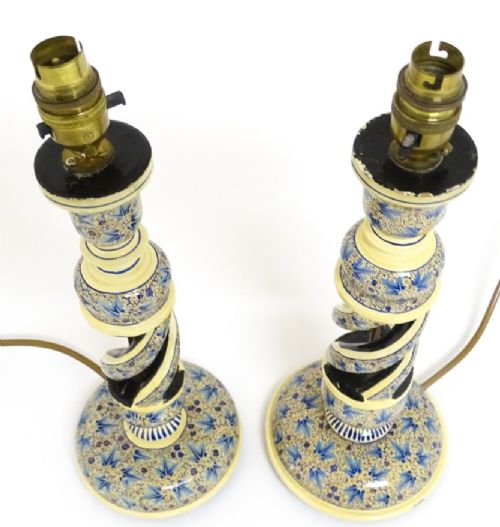
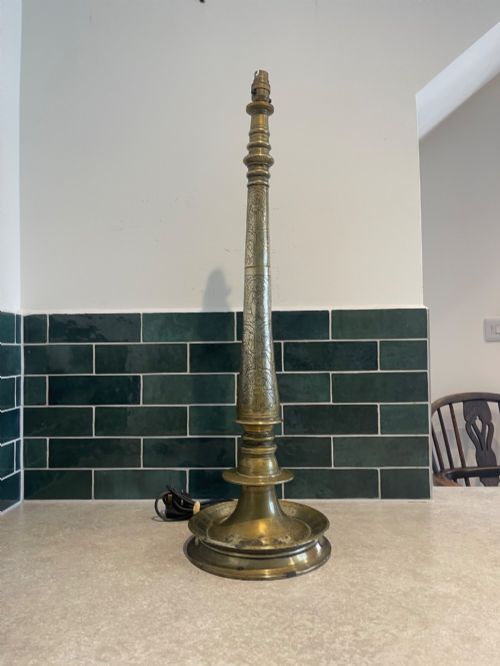
The construction combines ceramic, metal, and wood working techniques, with many lamps originating as vases or temple vessels before later conversion. Porcelain bodies feature hand-painted glazes, enamel work, or crackle ware finishes, while others employ carved mother of pearl or champlevé bronze.
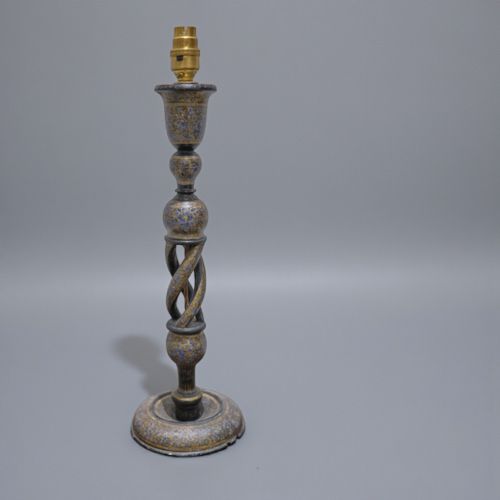
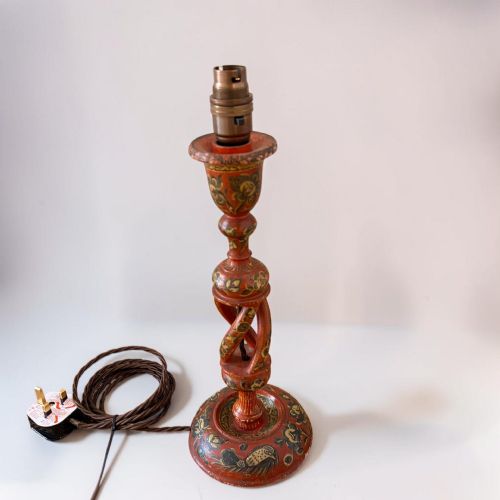
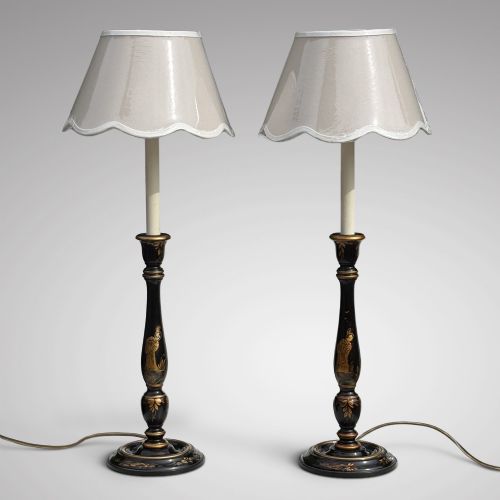
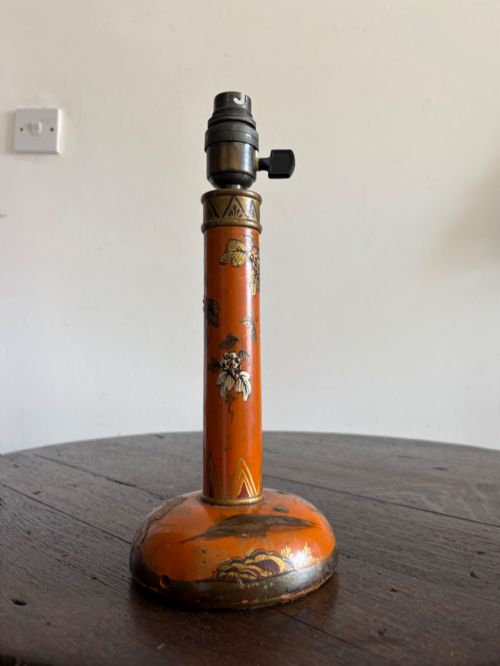
Lacquered pieces utilise wood bases finished with layers of black and gold lacquer or mandarin orange paint. Ormolu mounts in cast brass are frequently added to secure the ceramic bodies and provide structural fittings for the electrical components.
Oriental Style Desk Lamp Retail Price Guide 2026
Typical asking prices for oriental style desk lamp among the pieces listed under this phrase on Sellingantiques today, from the lower quarter to the upper quarter. They describe what is for sale here now, not the wider market.
Listings feature items spanning the 19th Century, Regency period, 1910, 1920, and 1930, utilising materials such as silk, brass, porcelain, and lacquer.
What varies in quality
The distinction between tiers rests upon the fineness of the hand-painted detail on the porcelain or lacquer surface and the integration of any metal mounts. Pieces displaying intricate brushwork, crisp enamel, or detailed carving represent the higher end of the range.
Quality also depends on the material integrity of the original vessel, whether a heavy bronze casting, genuine Satsuma earthenware, or substantial porcelain. The harmony between the antique body and its later lamp fittings determines the overall visual balance.
The Oriental Style Desk Lamp Glossary
- Chinoiserie
- European interpretation and imitation of Chinese and East Asian artistic traditions, widely seen in lacquer and painted decoration.
- Famille Verte
- A porcelain palette dominated by green enamel colours, characteristic of Qing dynasty and later revival wares.
- Champlevé
- An enamelling technique where troughs are carved into metal and filled with vitreous enamel before firing.
- Satsuma
- Japanese earthenware pottery characterised by a ivory-coloured crackle glaze and detailed polychrome enamel decoration.
- Ormolu
- Gilt bronze mounts used for decorative and structural purposes on furniture and decorative art objects.
Oriental Style Desk Lamp: Frequently Asked Questions
Are these lamps converted from old vases?
Many examples are indeed historic vases, brush pots, or jars that have been adapted into table lamps at a later date. This practice preserves the decorative body of the vessel while making it useful for contemporary interiors.
The conversion process typically involves securing electrical fittings through the top or base without altering the primary antique ceramic or bronze structure.
How do I date a lacquer lamp?
Dating relies on examining the depth of the lacquer layers, the style of the hand-painted Chinoiserie motifs, and the ageing of the underlying wood. Edwardian and 1920s examples often display specific colour palettes like mandarin orange or black and gold.
Hardware fittings and the wear patterns on the base also provide clues to whether a piece belongs to the early twentieth century or an earlier decorative tradition.
What is the difference between Chinese and Japanese styles here?
Chinese-inspired pieces often feature blue and white porcelain, famille rose or verte enamels, and celadon glazes originating from distinct dynasties. Japanese pieces frequently reference the Meiji period, incorporating Satsuma earthenware, champlevé bronze, or carved mother of pearl.
Both traditions were reinterpreted in European workshops through styles such as Chinoiserie and Japonisme during the nineteenth and early twentieth centuries.
How should I clean a lacquered lamp?
Dusting gently with a soft, dry cloth is the safest method for maintaining lacquered wood and painted surfaces. Avoid using harsh chemical cleaners, alcohol, or excessive water which can damage the aged lacquer or delicate hand-painted details.
Regular care protects the finish and prevents the accumulation of grime in the recessed carved areas of the design.