

Oriental Storage Boxes
Oriental storage boxes bring utilitarian vessels and decorative chests from Asian and trade workshops into modern interiors.
Oriental Storage Boxes
When searching for oriental storage boxes, buyers encounter a variety of trunks, chests, dowry baskets, and tea caddies originating from China, Japan, India, and Zanzibar. These containers served practical functions for travel, household storage, and the protection of textiles or valuables during past centuries.
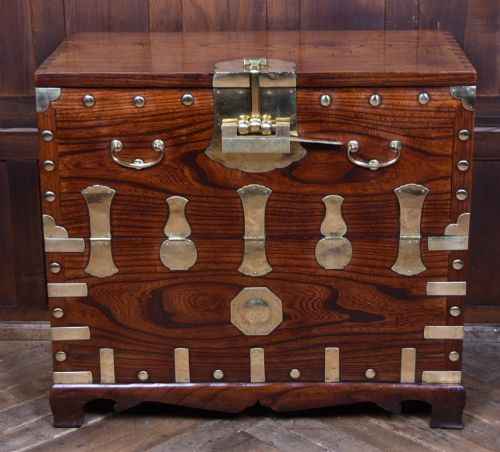
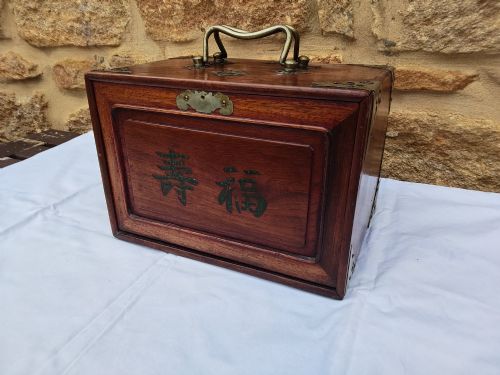
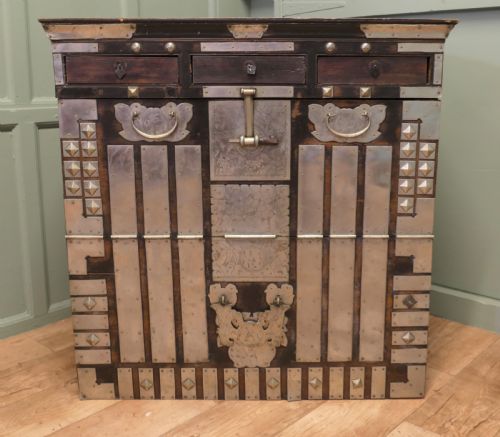
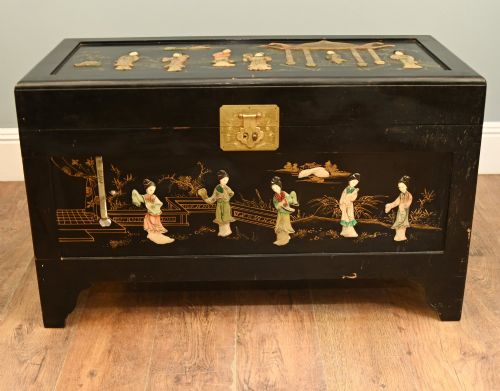
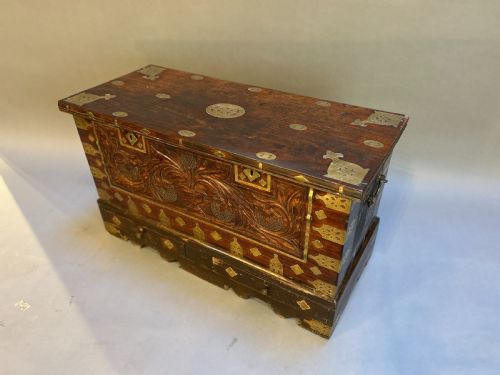
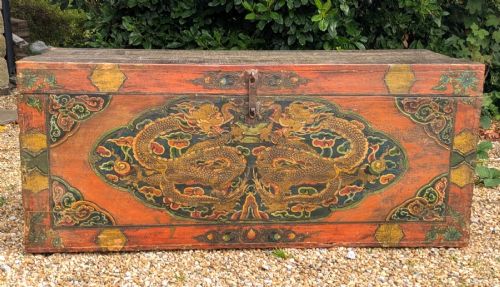
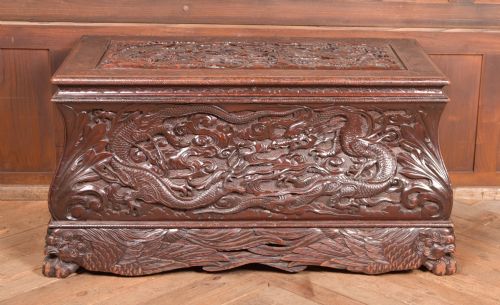
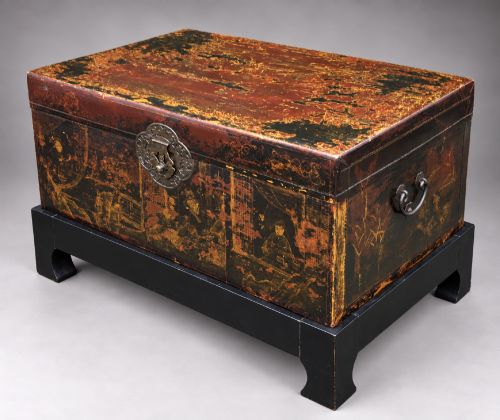
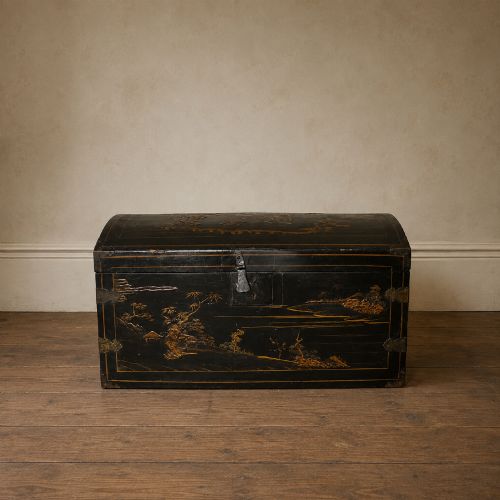
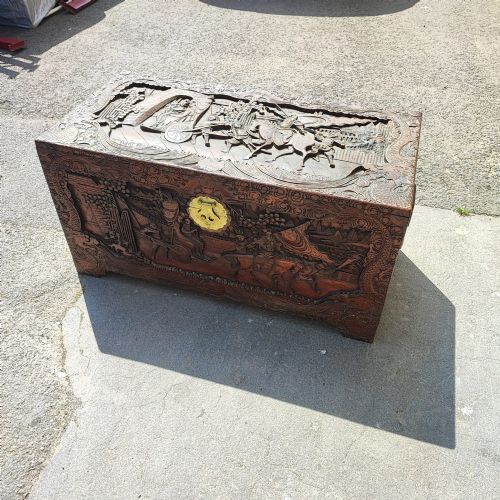
The most common examples on this page are carved camphor wood trunks and lacquered chests dating from the nineteenth and early twentieth centuries. Pieces range from large blanket boxes and marriage cabinets down to small keepsake boxes and tea caddies.
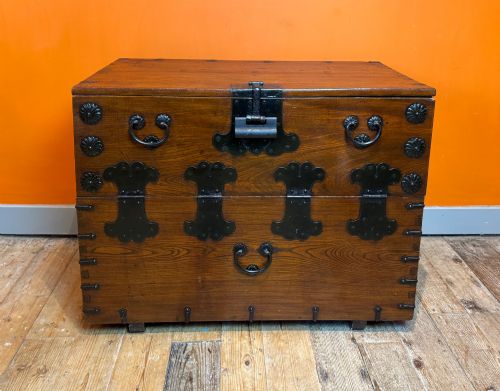
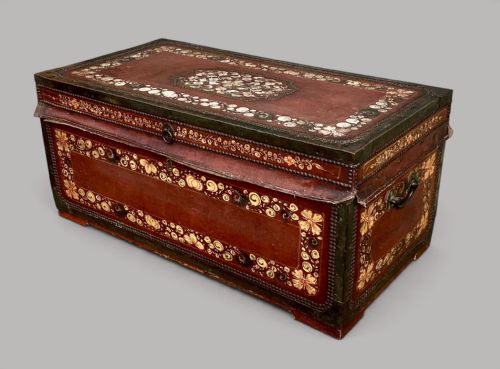
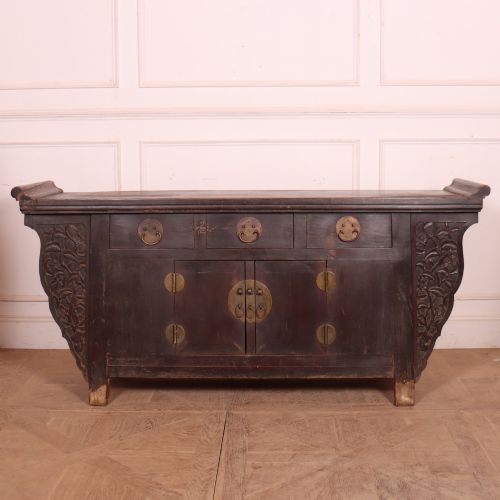
Origins span diverse traditions including Chinese export, Anglo-Indian, and Japanese manufacture. Stylistic influences incorporate Qing Dynasty designs, floral chinoiserie, and traditional craftsmanship in elm, teak, rosewood, and leather.
How they were made
Construction relies heavily on aromatic timbers such as camphor wood and kiri wood, alongside hardwoods like elm, teak, and rosewood. These woods provided durable structures capable of protecting contents from moisture and insects.
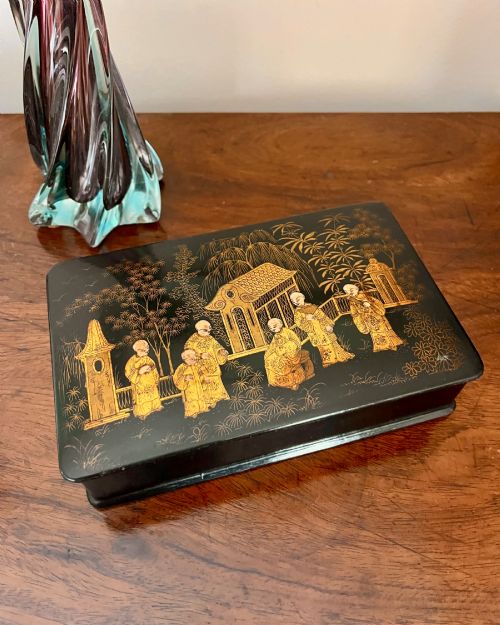
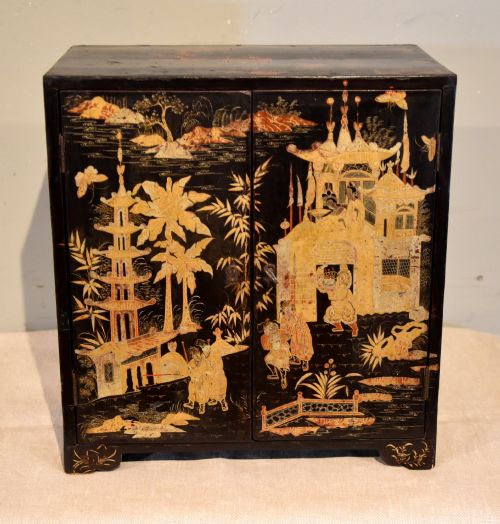
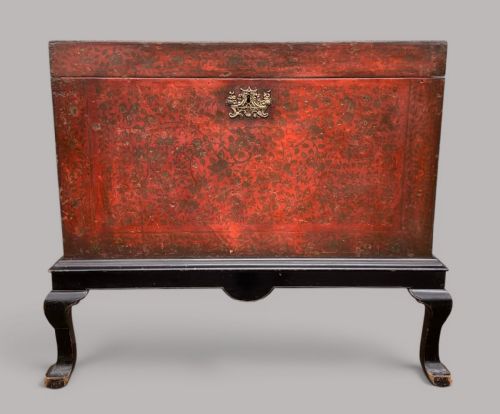
Surfaces frequently display applied black or red lacquer, sometimes enriched with gilt decoration, polychrome painting, or intricate hand-carved relief work. Metal elements such as brass hardware, straps, and detailing reinforce corners and lids while adding decorative contrast.
Oriental Storage Boxes Retail Price Guide 2026
Typical asking prices for oriental storage boxes among the pieces listed under this phrase on Sellingantiques today, from the lower quarter to the upper quarter. They describe what is for sale here now, not the wider market.
Materials across these listings include camphor wood, brass, lacquer, leather, and elm from nineteenth and early twentieth century workshops.
What varies in quality
Differentiation across pieces stems from the depth and crispness of hand-carved ornamentation on camphor wood surfaces and the preservation of original lacquer and gilt work. Superior examples retain their structural integrity alongside intact metal hardware, hinges, and locks.
The choice of primary timber and the sophistication of regional joinery also distinguish standard utility boxes from high-status export furniture and marriage chests.
The Oriental Storage Boxes Glossary
- Camphor wood
- A durable, aromatic timber prized for trunks and blanket boxes. Its natural scent helped repel moths and insects from stored textiles.
- Lacquer
- A resinous coating applied to wood surfaces in multiple layers and polished to a hard finish. It frequently appears in red or black on Asian export chests.
- Coffer
- A large box or chest used for holding valuables or documents. These pieces often feature hinged lids and sturdy structural reinforcement.
- Tansu
- A traditional Japanese mobile storage chest or cabinet. They were built in modular sections utilising woods like kiri.
- Tea caddy
- A small ornamental box designed for storing loose tea leaves. They often include internal lidded compartments and fine exterior decoration.
Oriental Storage Boxes: Frequently Asked Questions
What were oriental storage boxes used for?
These boxes served multiple domestic and travel purposes, ranging from storing garments and blankets to holding tea leaves, documents, and dowry items.
Larger trunks protected textiles from pests during long sea voyages, while smaller caddies and keepsake boxes kept precious commodities secure inside the home.
How do I identify camphor wood chests?
Camphor wood is recognisable by its distinct aromatic scent and pale grain, which darkens gracefully with age.
Carved examples typically display deep relief floral or figurative motifs across the lid and panels.
Are these chests heavy?
Many of these containers are built from dense hardwoods such as rosewood, teak, and elm, making them substantial in weight.
Trunks often include metal handles or brass hardware to assist with lifting and transportation.
How do I care for lacquered boxes?
Lacquered surfaces require gentle treatment away from direct sunlight and extreme temperature fluctuations to prevent cracking.
Dusting with a soft, dry cloth maintains the polished finish without harming the delicate decoration.