




Oriental Sofa Table
An oriental sofa table offers a striking focal point with centuries of craftsmanship behind it, bridging classical form and practical room layout.
Oriental Sofa Table
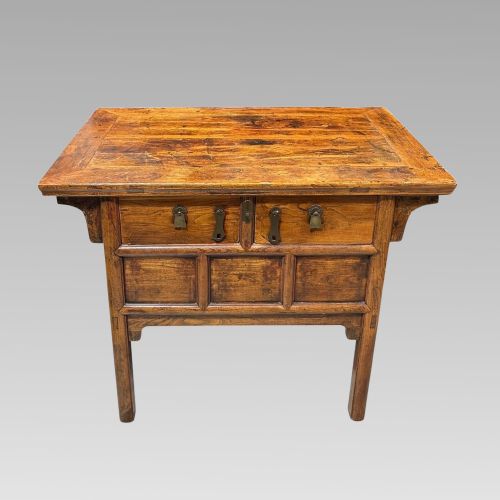
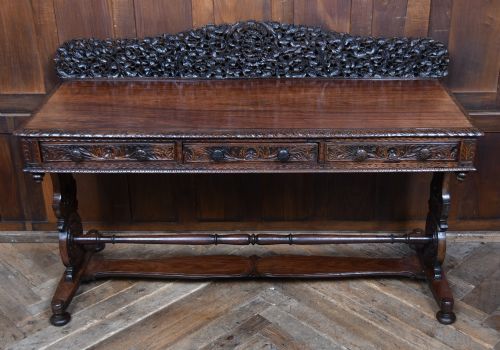
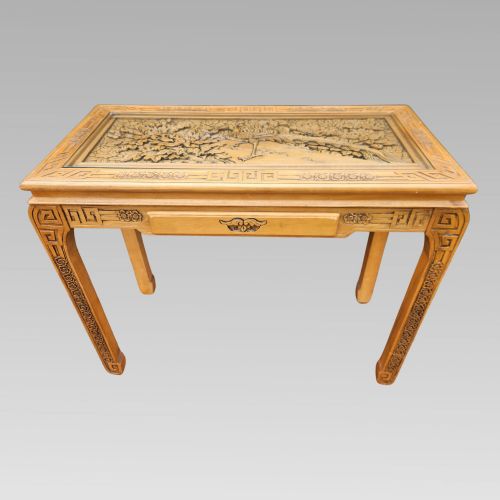
When you search for an oriental sofa table, you encounter a variety of forms including console tables, altar tables, side tables, and low coffee tables. These pieces span the eighteenth century up through the nineteen-thirties, reflecting distinct periods of design.
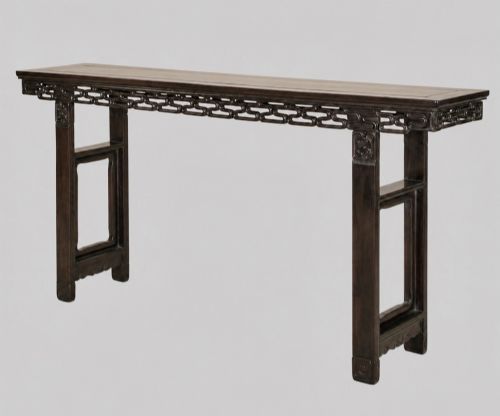
The versions you meet most frequently on this page are nineteenth-century Chinese console and altar tables, alongside low lounge pieces and occasional lamp tables. They draw on traditional Chinese, Chinoiserie, and Qing Dynasty styles to shape everyday interiors.
How they were made
Construction relies heavily on dense hardwoods and elm, providing sturdy frameworks designed to endure generations of use. Artisans shape these timbers into console and altar forms using traditional joinery methods appropriate for each period.
Surface treatments introduce contrasting textures through black lacquer, gilt detailing, and inset marble tops. Selected pieces incorporate brass hardware and carved panels to accentuate the structural lines.
Oriental Sofa Table Retail Price Guide 2026
Typical asking prices for oriental sofa table among the pieces listed under this phrase on Sellingantiques today, from the lower quarter to the upper quarter. They describe what is for sale here now, not the wider market.
Listings span the eighteenth century to the nineteen-thirties, featuring hardwoods, elm, marble, and lacquer.
What varies in quality
Quality rests in the depth of carving and the selection of timber, where dense hardwoods distinguish finer examples from simpler elm pieces. The precision of the joinery and the preservation of original lacquer or gilt finishes further set individual tables apart.
The integrity of inset materials like marble and the crispness of applied brass hardware reveal the maker's attention to detail. Greater refinement in these elements elevates a piece from standard utility to higher craftsmanship.
The Oriental Sofa Table Glossary
- Altar table
- A traditional Chinese form featuring an elongated rectangular top, often with upturned ends, originally designed for ritual use. These pieces now function as elegant console tables in contemporary rooms.
- Chinoiserie
- European decorative style inspired by Chinese artistic traditions, popular during various historical periods. It brings painted lacquer scenes and distinctive motifs to Western furniture forms.
- Qing Dynasty
- The final imperial dynasty of China, spanning from sixteen-forty-four to nineteen-twelve. Furniture from this era displays characteristic carved ornamentation and robust hardwood construction.
- Console table
- A table designed to stand against a wall, frequently supported by brackets or legs at the front. These tables provide a surface for lamps and decorative objects without occupying excessive floor space.
Oriental Sofa Table: Frequently Asked Questions
Where should I place an oriental sofa table?
These tables sit comfortably behind a sofa, along an entryway wall, or serving as a low coffee table in a living room. Their varied heights and proportions allow them to anchor different zones within an open interior layout.
Selecting the right spot depends on whether the piece functions as a low lounge table or a tall console. Taller altar and console tables suit wall placements, while lower wood and glass designs integrate well amidst seating arrangements.
How do I care for hardwood and lacquered surfaces?
Maintenance involves dusting regularly with a soft, dry cloth and avoiding harsh chemical polishes that can damage aged finishes. Keeping tables away from direct heat sources and strong sunlight protects the wood and lacquer.
Applying a gentle beeswax to untreated hardwoods helps nourish the grain over time. Lacquered and marble surfaces require simple wiping with a damp cloth to maintain their appearance without scratching.
What defines a Qing Dynasty table?
Qing Dynasty tables are characterised by substantial hardwood construction, disciplined joinery, and often intricate carved detailing. They reflect the aesthetic standards of China's final imperial era.
These pieces frequently manifest as altar or console tables with strong architectural lines. Their presence brings historical weight and traditional craftsmanship into modern living spaces.
How do Chinoiserie tables differ from traditional Chinese pieces?
Chinoiserie tables represent European interpretations of Chinese design motifs, often executed in lacquer with painted decorative scenes. They blend Eastern subjects with Western furniture shapes from the eighteenth and nineteenth centuries.
Traditional Chinese tables, by contrast, originate from workshops within China and rely on native hardwoods or elm. They prioritise structural joinery and carved ornamentation inherent to local woodworking traditions.