


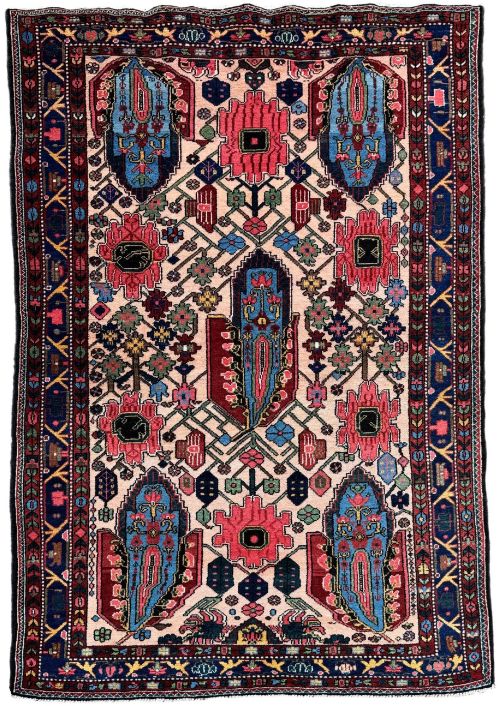
Oriental Rug Medallion
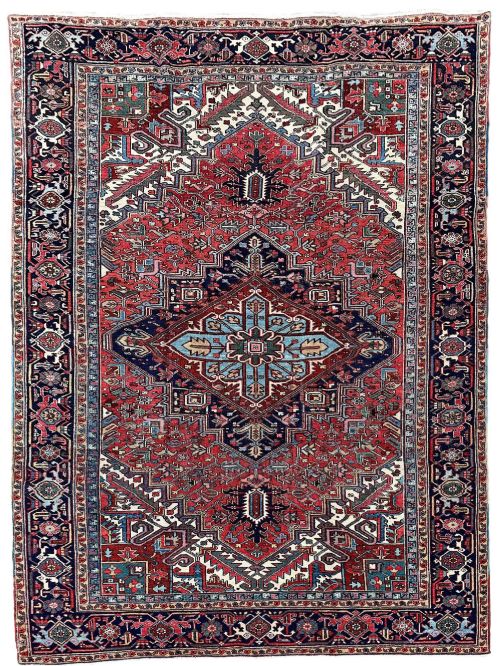
An oriental rug medallion anchors the floor with centuries of woven geometry, bringing traditional Persian and Caucasian artistry into the room.
Oriental Rug Medallion
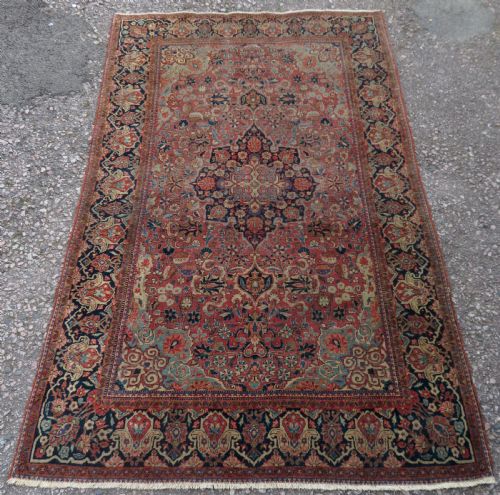
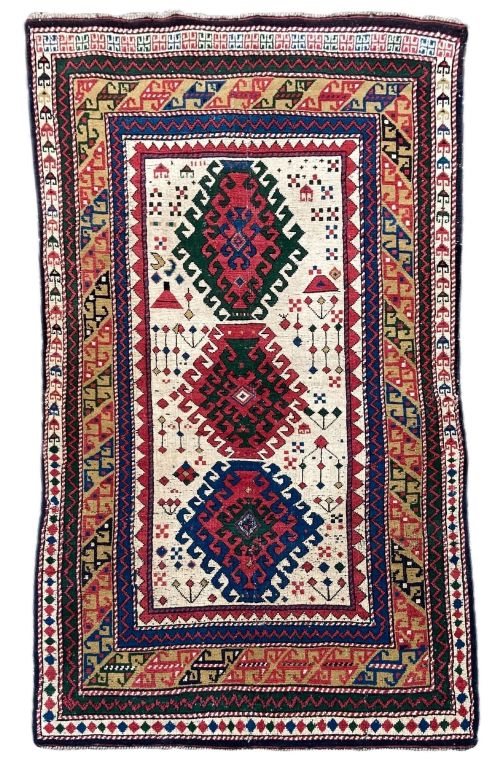
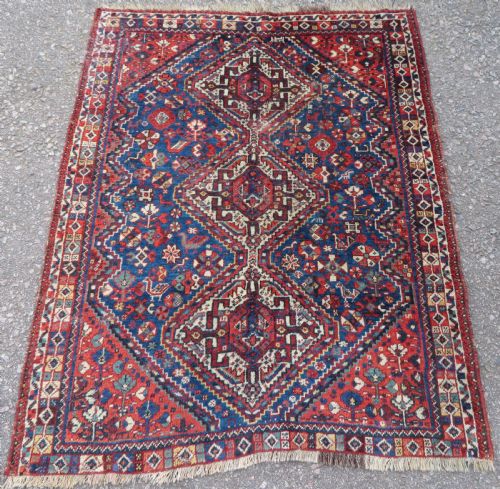
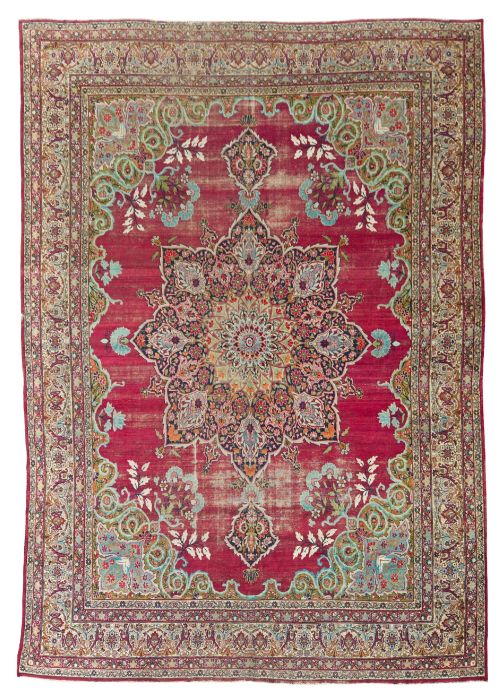
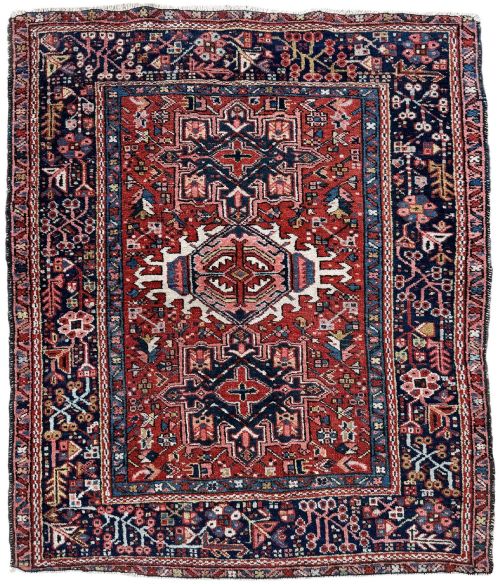
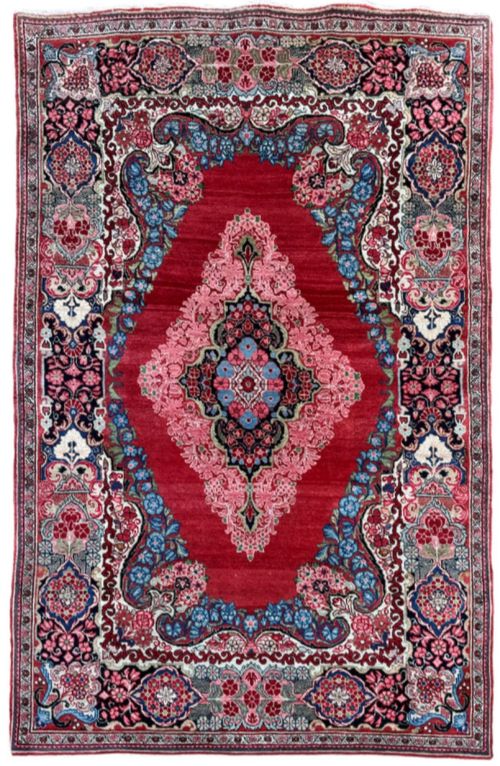
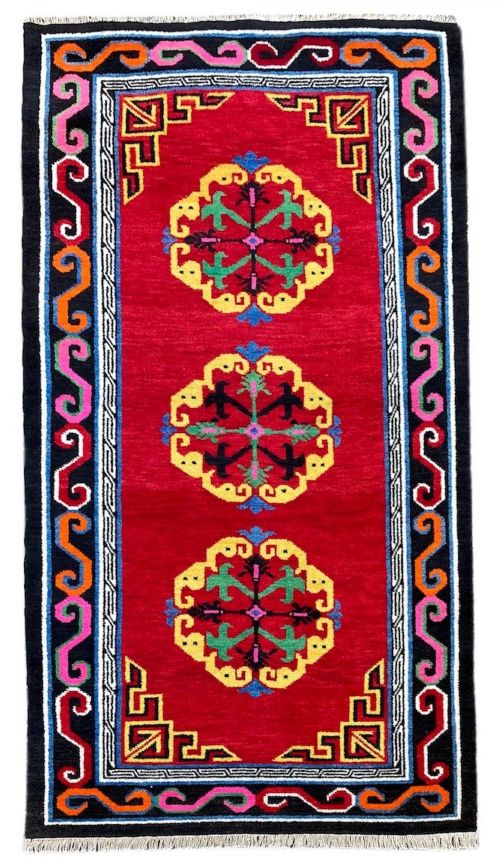
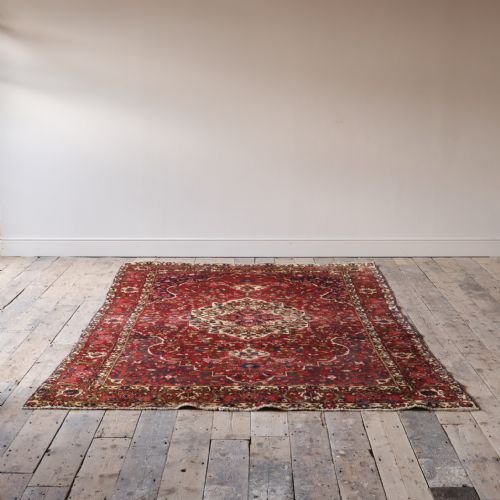
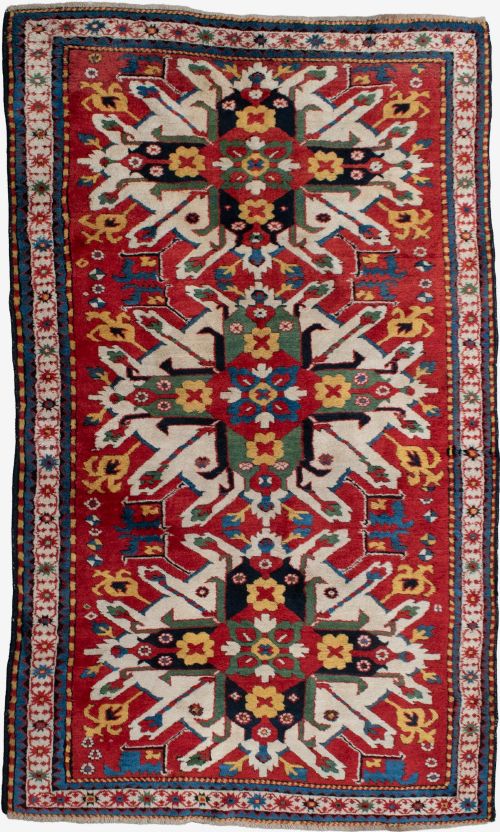
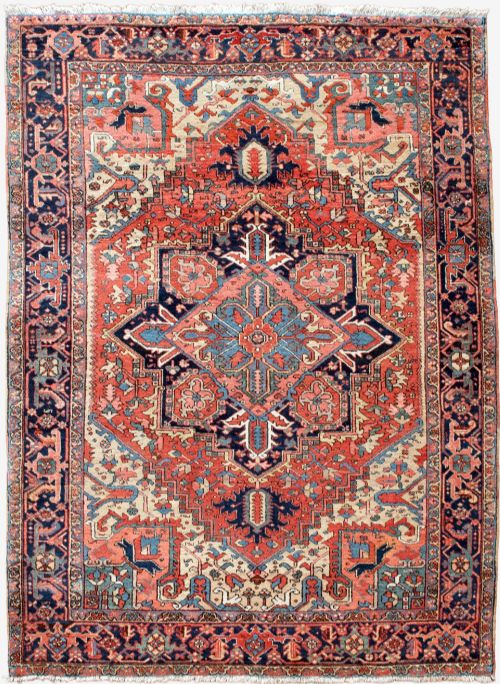
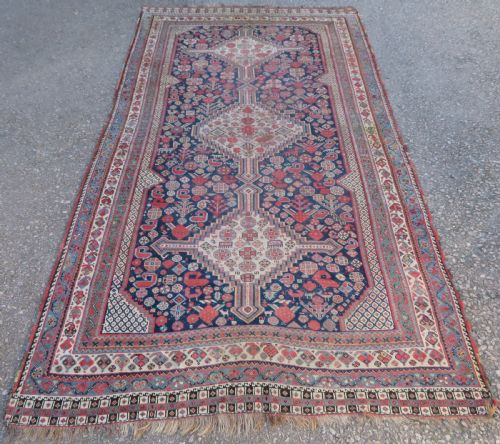
An oriental rug medallion search reveals hand-knotted floor coverings hailing from nineteenth and early twentieth century workshops, villages, and tribal regions. The selection spans distinct styles including Persian, Caucasian, Anatolian, and Tibetan, taking forms from compact hearth rugs to large country house carpets and runner rugs.
Regional origins define the geometry and layout found in these floor coverings, with Heriz, Kashan, Kazak, Khamseh, and Oushak pieces forming the core of the selection. Village weavers and nomadic tribes created geometric central motifs, while city workshops produced intricate curvilinear medallion designs using wool, cotton, and silk highlights.
How they were made
Weavers constructed these carpets using wool, hand-spun wool, cotton, camel wool, and occasional silk highlights on vertical looms. Natural and early synthetic dyes coloured the wool pile, which was knotted tightly onto cotton or wool foundation warps andwefts.
Village and tribal makers relied on memory and tribal tradition to execute complex geometric medallions, whereas urban workshops utilised detailed cartoon patterns. Edges were typically overcast by hand, and ends secured with flatweave skirts or fringes.
Certain antique Kazak rugs incorporate whimsical animal and human figures hidden amidst the grand geometric medallions.
What varies in quality
Knot density and the precision of the central design separate standard village pieces from finer workshop productions. Tighter knotting allows for sharper delineation of geometric or floral medallion motifs.
The purity and lustre of the wool, alongside the complexity of the dye palette, determine the visual depth of the pile. Pieces retaining high pile and original side selvages command greater respect among collectors.
The Oriental Rug Medallion Glossary
- Medallion
- The central ornamental motif dominating the field of the rug. It anchors the symmetrical layout typical of oriental carpets.
- Warp
- The vertical foundation threads running lengthwise through the rug. Weavers knot the pile directly onto these tensioned strands.
- Weft
- The horizontal threads passed across the warps between rows of knots. They pack down to secure the pile in place.
- Selvage
- The bound edges finishing the sides of a rug. Original selvages protect the structural integrity of the carpet.
- Pile
- The upright cut or loop of yarn forming the wearable surface of the rug. It provides the cushion and displays the dyed pattern.
Oriental Rug Medallion: Frequently Asked Questions
Where should I place an oriental rug medallion?
These carpets anchor living rooms, dining spaces, and long hallways depending on whether you select a large room size or a runner format. Ensure the central medallion aligns with key pieces of furniture to highlight the symmetry of the design.
Allow sufficient surrounding floor space so the border geometry frames the room correctly without being obscured by heavy furniture placement.
How do I clean an antique rug?
Vacuum gently using a suction-only attachment without the rotating brush bar to protect the aged wool pile from abrasion. Avoid shaking or beating antique textiles, as this stresses the old cotton or wool foundation threads.
Professional specialist cleaning is recommended for deep washing to preserve the integrity of the natural dyes and hand-spun fibres.
How do I identify a tribal rug from a city rug?
Tribal rugs display bolder, more angular geometric motifs and spontaneous colour shifts executed from memory by nomadic or village weavers. City carpets feature precise, curvilinear floral medallions planned out meticulously on paper cartoons.
Examining the regularity of the knotting on the reverse side quickly reveals whether the piece originated from an urban workshop or a rural loom.
What underlay should I use?
A breathable, rubberised mesh underlay prevents the rug from slipping on hard floors while providing a gentle cushion against foot traffic. This layer stops the antique foundation from rubbing directly against floorboards.
Choose an underlay slightly smaller than the rug dimensions so the edges rest flat on the floor without curling upwards.