


Oriental Rug Mat
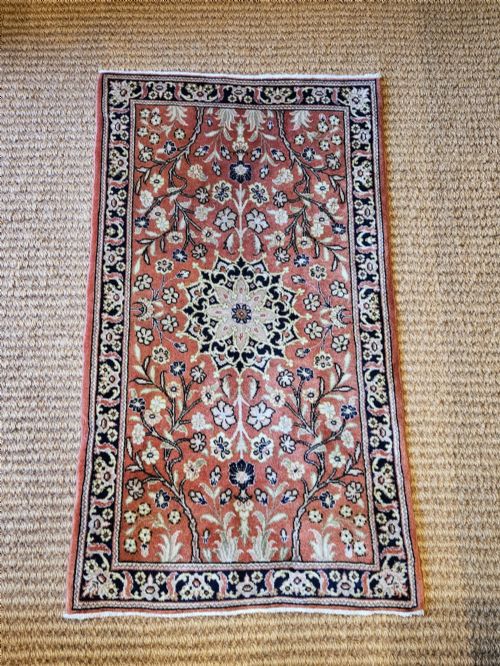
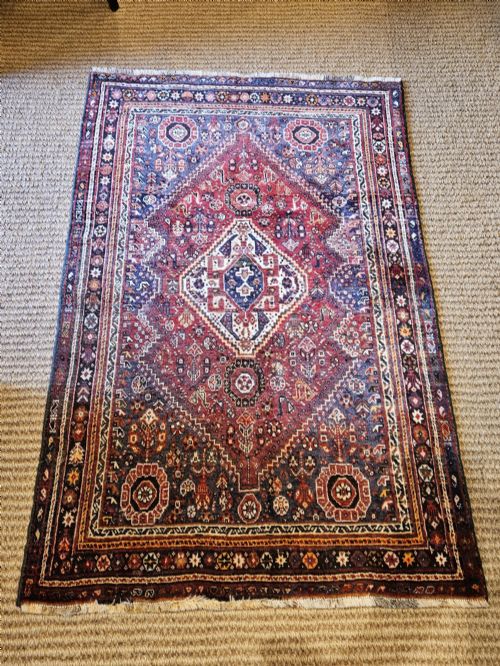
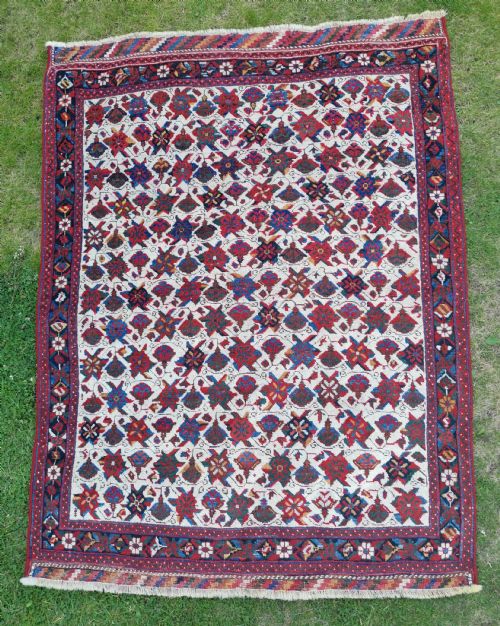
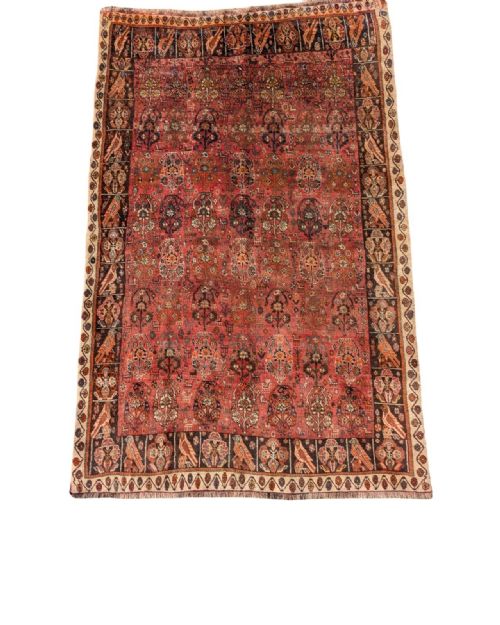
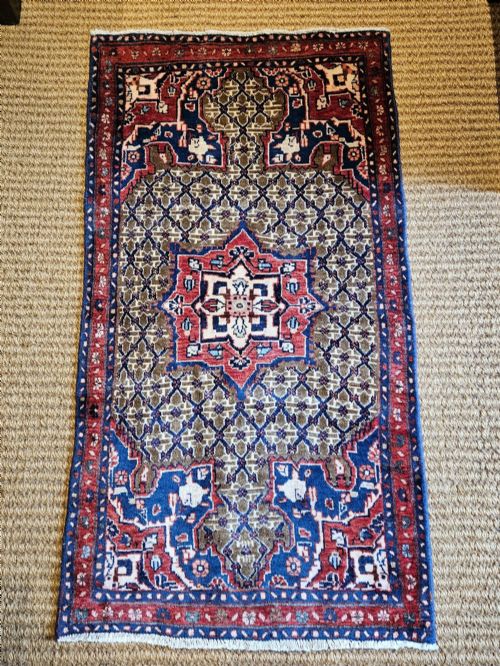
When you search for an oriental rug mat, you encounter hand-knotted textiles from Persia, the Caucasus, Anatolia and Central Asia designed to bring historic floor coverings into smaller spaces.
Oriental Rug Mat
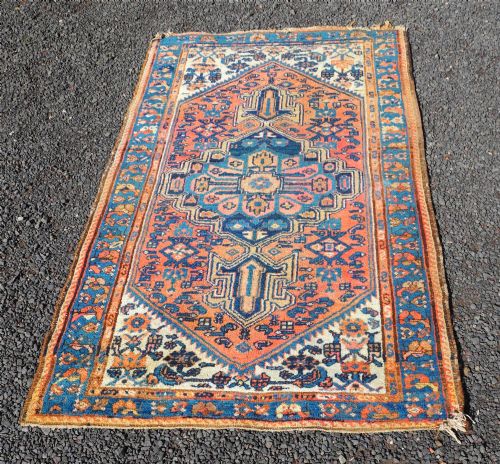
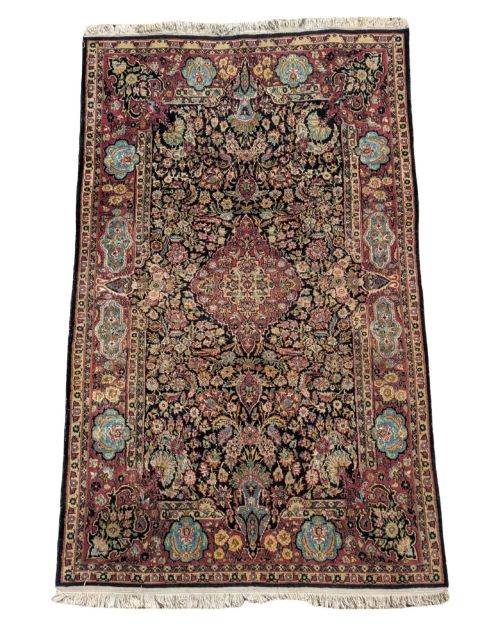
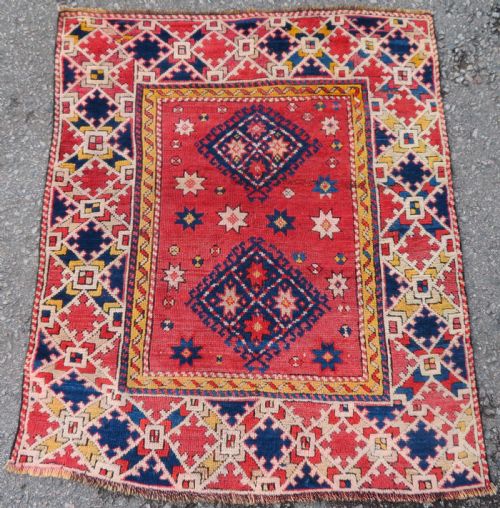
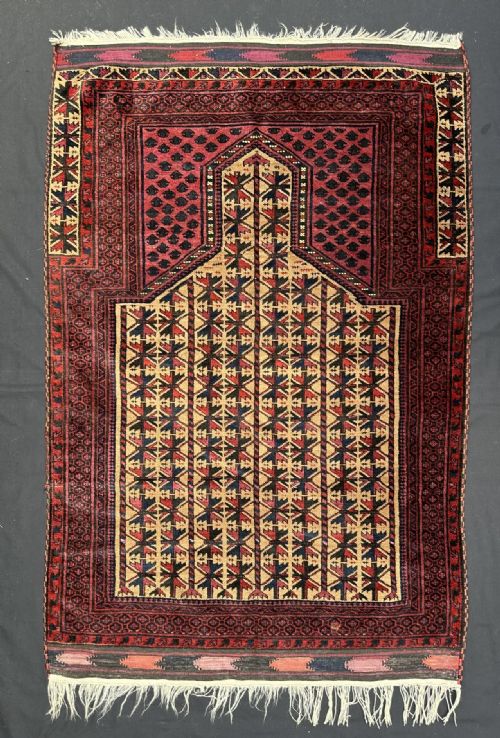
An oriental rug mat encompasses smaller area rugs, hearth rugs, prayer rugs and tribal torba faces originating from nineteenth and early twentieth-century workshops and nomadic groups. These pieces serve practical floor and wall coverings while displaying traditional regional patterns.
Most examples date from the mid-nineteenth century through the nineteen-thirties, reflecting the output of village weavers, tribal confederacies and established town manufactories.
How they were made
Weavers constructed these mats using hand-spun wool, cotton foundations, and occasionally silk highlights or camel wool and goat hair for specific structural or pile elements. Natural dyes provided the foundational palette, yielding rich tones that age with distinct character.
The construction relies on manual knotting techniques applied to vertical looms, producing dense pile surfaces or flatweave structures depending on whether the piece originates from a nomadic tent or a sedentary workshop.
Listings span periods from the mid-nineteenth century to the nineteen-thirties, incorporating wool, cotton, silk, and natural dyes across Persian, Caucasian, and Anatolian styles.
What varies in quality
Quality rests primarily on the integrity of the materials, notably the grade of hand-spun wool and the consistency of natural dyes used across the field. Finer knots per square inch and precise execution of tribal motifs or floral lattices distinguish master workshop pieces from standard village output.
Structural preservation also dictates standing, where retaining original selvedges, secure foundations and minimal pile wear indicate a well-maintained textile with longevity.
The Oriental Rug Mat Glossary
- Prayer Rug
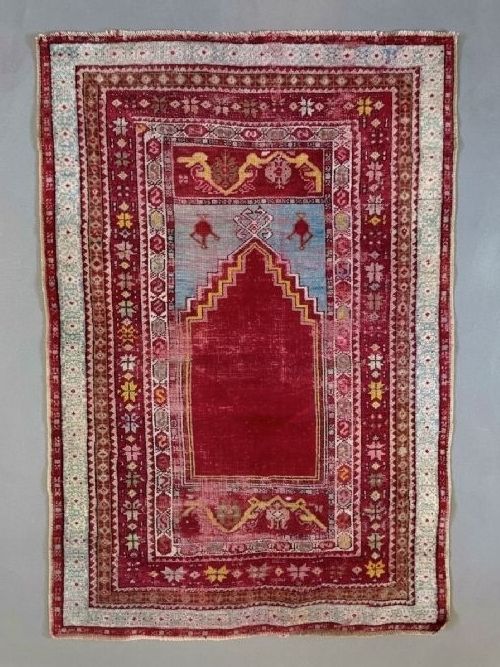
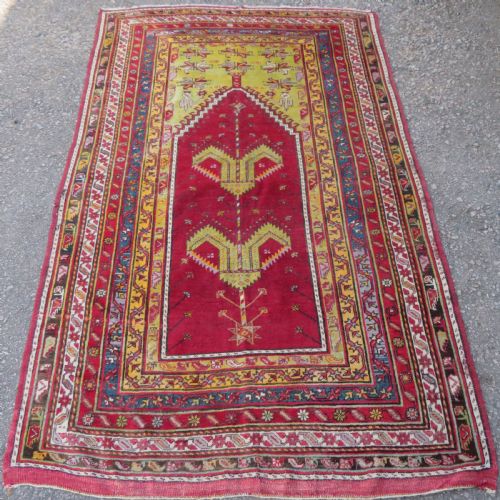
- A textile featuring a mihrab or arch design indicating the direction of prayer, traditionally used for personal devotion. These rugs often display compact formats suited for smaller spaces.
- Sofreh
- A flatwoven or piled spread used for dining, kneading bread or ritual gatherings among nomadic tribes. They present distinct tribal iconography separate from standard floor carpets.
- Torba
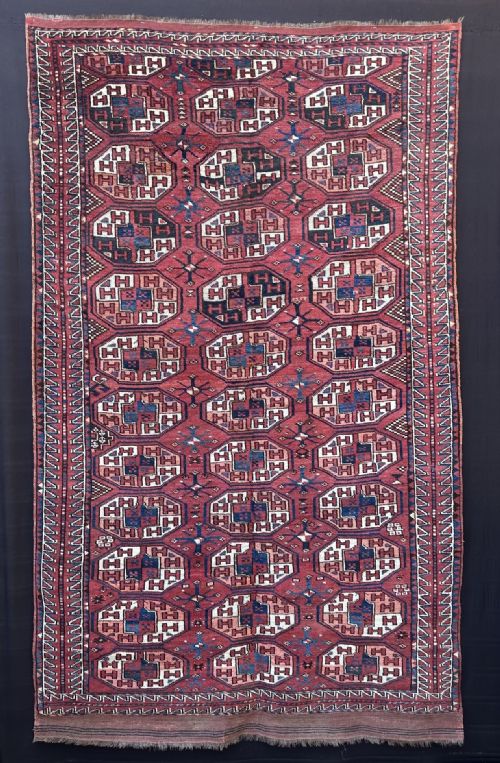
- A small storage bag face produced by Turkmen tribes, often displaying guls and geometric lattice patterns. Collectors prize these fragments for their intricate tribal symbolism.
- Mihrab
- The arched niche depicted on prayer rugs that symbolises the direction towards Mecca. Its design varies significantly between Anatolian, Caucasian and Persian traditions.
- Gul
- A medallion or repeating octagonal motif used extensively in Turkmen and Central Asian rug designs. Each tribal group utilises specific variations to denote ancestry and origin.
Oriental Rug Mat: Frequently Asked Questions
Where should I place an antique mat?
These compact formats fit well in entryways, beside beds, or as hearth rugs where larger carpets would overwhelm the floor space. Their scale also allows them to be hung on walls as textile art.
Ensure you place a suitable underlay beneath the textile to prevent sliding and protect the foundation fibres from excessive friction against hard flooring.
How do I care for wool pile rugs?
Regular gentle vacuuming without a rotating brush roll prevents dust accumulation in the wool pile. Address spills immediately by blotting with a damp cloth rather than rubbing the fibres.
Professional cleaning should happen infrequently and only by specialists experienced in antique vegetable-dyed textiles to avoid colour bleeding.
What indicates a tribal origin?
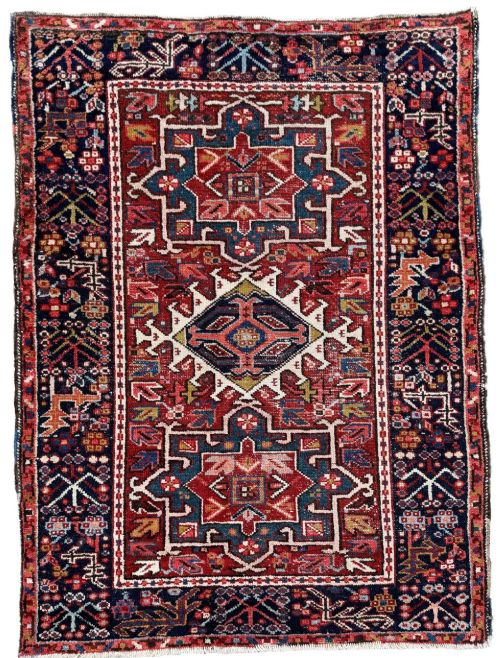
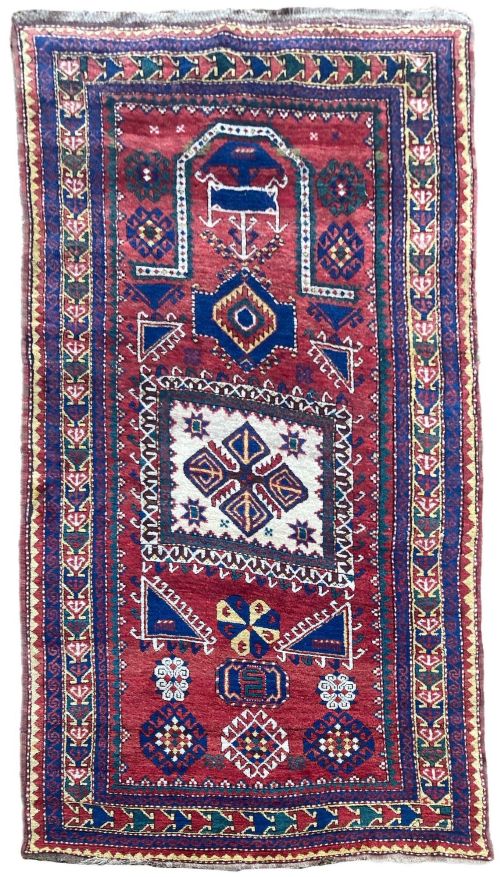
Tribal rugs typically display geometric memory patterns, hooked polygons, and bold primary colours rather than the complex curvilinear floral designs found in city workshops. The use of camel wool or goat hair in the structure often points towards nomadic production.
Irregularities in symmetry and spontaneous colour changes in the field also suggest the work of independent weavers rather than standardised factory looms.
How are prayer rugs identified?
Prayer rugs feature a distinct architectural arch or mihrab at one or both ends of the field, creating a directional composition. This design element was essential for orienting the textile during daily devotions.
Common regional variations appear across Anatolian, Caucasian, and Persian pieces, each employing unique border guards and floral or geometric fillers around the central niche.